How To Reheat Breakfast Casserole In Oven Perfectly
Reheating a breakfast casserole in the oven is the best way to bring back its crispy edges and creamy center. This guide shows you exactly how to reheat breakfast casserole in oven perfectly, whether it’s a leftover ham and cheese bake or a veggie-filled morning dish. You’ll learn the right temperature, timing, and simple tricks to keep every bite warm and delicious.
Reheating a leftover breakfast casserole in the oven brings back its golden, crispy edges and creamy center. How to reheat breakfast casserole in oven is a simple skill that saves time and money. Instead of tossing leftovers, you can enjoy a warm, satisfying meal in under 30 minutes. This guide walks you through every step. You’ll learn the perfect oven temperature, timing, and tricks to keep the dish moist. Whether your casserole has sausage, eggs, cheese, or vegetables, the oven method works beautifully.
Many people reach for the microwave when they want a quick reheat. But a microwave can turn a lovely casserole into a rubbery, uneven mess. The oven gently warms the dish from all sides. It keeps the bottom crunchy and the top slightly crispy. The result tastes almost as fresh as the first morning. With a few basic tips, you can master this easy kitchen task.
In this article, you will find everything you need. We cover the best oven settings, common mistakes, and expert tricks. You will also learn how to add a crispy finish. By the end, you will reheat breakfast casserole in oven like a pro. Let’s get started.
Key Takeaways
- Follow the right oven method: Learn how to reheat breakfast casserole in oven perfectly with these simple steps.
- Use a low oven temperature: Reheating at 325°F keeps the casserole moist and prevents drying.
- Cover with foil first: A foil trap locks in steam and protects the top from burning.
- Add a broiler finish for crispiness: A quick broiler session gives golden, crispy edges.
- Let it rest before serving: Resting for 5 minutes allows the heat to distribute evenly.
- Use an oven-safe dish: Glass or ceramic baking dishes reheat evenly and look great.
📑 Table of Contents
- Why Reheating Breakfast Casserole In The Oven Is The Best Method
- How To Reheat Breakfast Casserole In Oven: Step-By-Step Guide
- The Ideal Oven Temperature And Time For Perfect Results
- Tips To Keep Your Casserole Moist And Crispy
- Common Mistakes To Avoid When Reheating Breakfast Casserole
- Expert Tips For Leftover Breakfast Casserole Makeover
Why Reheating Breakfast Casserole In The Oven Is The Best Method
The oven is the king of reheating casseroles. It uses dry, indirect heat. This heat circulates around the dish evenly. It warms the inside without overcooking the edges. A microwave heats water molecules inside the food. This can make eggs rubbery and cheese greasy. The oven avoids that problem completely.
The Science Behind Oven Reheating
When you reheat casserole in oven, the hot air surrounds the baking dish. Heat moves slowly into the food. This slow process lets the inside warm up gently. The outside does not burn before the center is hot. The cheese melts smoothly. The eggs stay tender. The bread or potato base becomes crispy again. This is why oven reheating gives the best texture.
Oven vs. Microwave vs. Skillet
Let us compare the three common reheating methods. Each has its place, but the oven wins for casseroles.
| Method | Texture Result | Time | Best For |
|---|---|---|---|
| Oven | Crispy edges, creamy center | 20–30 minutes | Breakfast casserole leftovers |
| Microwave | Steamy, sometimes rubbery | 2–4 minutes | Quick single serving |
| Skillet | Crispy bottom, soft top | 10–15 minutes | Small portions on the stove |
The table shows why the oven is ideal for a full breakfast casserole. It restores the original bake quality. The microwave is faster, but it sacrifices texture. The skillet works for a slice, but you cannot reheat a whole dish easily.
Quick Tips For Oven Reheating
- Always preheat the oven before placing the dish inside.
- Use a glass or ceramic baking dish for even heating.
- Cover the dish with foil for the first half of the reheat.
- Check the internal temperature with a food thermometer.
- Let the casserole rest for 5 minutes after removing it.
How To Reheat Breakfast Casserole In Oven: Step-By-Step Guide
Now let us walk through the exact process. How to reheat breakfast casserole in oven is simple when you follow these clear steps. You do not need any special skills. Just a few kitchen tools and a little patience.
Gather Your Tools
Before you start, collect these items. You need the leftover casserole in its original baking dish or a similar oven-safe container. A sheet of aluminum foil is essential. A oven mitt or towel will protect your hands. A food thermometer helps you check the internal temperature. A small spatula or spoon can help you check the center.
Make sure your baking dish is oven-safe. Glass dishes like Pyrex work great. Ceramic dishes also heat evenly. Avoid plastic or melamine containers. They can melt or crack in the oven.
Prep The Casserole
Take the casserole out of the refrigerator about 10 minutes before reheating. This small step helps the dish warm more evenly. If the casserole is very cold, let it sit at room temperature for a short while.
Check the dish for any dry edges. If the top looks dry, you can add a tiny splash of milk or cream over the surface. This adds moisture during reheating. Cover the dish loosely with a sheet of foil. Do not wrap it tightly. You want steam to escape a little bit.
The Oven Reheating Process
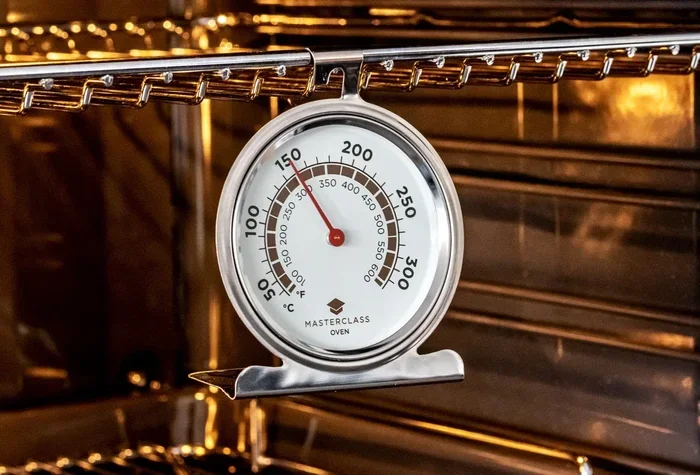
- Preheat your oven to 325°F (163°C). Use the conventional bake setting, not convection if possible.
- Place the covered casserole on the center oven rack.
- Set a timer for 15 minutes.
- After 15 minutes, carefully remove the foil. Be careful of the steam.
- Return the dish to the oven uncovered.
- Bake for another 10–15 minutes until the center is hot.
The total time is usually 25–30 minutes. Larger or deeper dishes may need a few extra minutes. Use the thermometer to check the internal temperature. It should reach 165°F (74°C) in the middle.
Check For Doneness
Poke the center of the casserole with a knife or spoon. It should feel hot all the way through. If the center is still cold, cover the dish again and heat for 5 more minutes. Do not skip the resting step. Let the dish sit for 5 minutes after you take it out. The heat will distribute evenly. The casserole will hold its shape better when you serve it.
The Ideal Oven Temperature And Time For Perfect Results
Getting the right oven temperature is the most important part. Too high a heat will burn the outside before the inside is warm. Too low a heat will leave the dish cold in the center. The sweet spot is 325°F (163°C). This gentle heat warms the casserole slowly and evenly.
Temperature Guidelines
Here is a simple breakdown of oven temperatures for different casserole types.
- Egg and cheese casserole: 325°F for 20–25 minutes.
- Sausage and hashbrown casserole: 325°F for 25–30 minutes.
- Veggie and feta bake: 325°F for 20–25 minutes.
- Casserole with a bread topping: 325°F for 25–30 minutes, then uncover for the last 5 minutes to crisp.
These times assume a standard 9×13-inch baking dish. If your dish is smaller or deeper, adjust the time. A smaller dish will heat faster. A deeper dish needs more time. Always check the center temperature.
Comparison Table: Oven Temp And Time For Common Breakfast Casseroles
| Casserole Type | Oven Temp | Time Covered | Time Uncovered | Internal Temp Goal |
|---|---|---|---|---|
| Classic Ham and Egg | 325°F | 15 min | 10–15 min | 165°F |
| Sausage and Cheese | 325°F | 15 min | 10–15 min | 165°F |
| Veggie and Feta | 325°F | 15 min | 10–12 min | 165°F |
| Bread Topped Strata | 325°F | 20 min | 5–10 min | 165°F |
The table gives you a quick reference. You can adjust the uncovered time to control the crispiness. A longer uncovered time makes the top more golden and crunchy.
Key Takeaways For Temperature And Time
- Always preheat the oven to 325°F. This is the magic number for even reheating.
- Cover the dish for the first half. This traps moisture and prevents drying.
- Uncover for the last 10–15 minutes. This allows the top to become crispy.
- Use a food thermometer. 165°F in the center means it is safe and hot.
Tips To Keep Your Casserole Moist And Crispy
A perfect reheated casserole has a moist interior and a crispy top. The oven method can achieve this if you follow a few simple rules. Moisture control is the key. You want to trap steam during the first half, then release it for the second half.
The Foil Tent Method
The foil tent is your best friend. It creates a mini steam oven around the dish. Place a sheet of foil loosely over the baking dish. Do not press the foil tightly against the food. Leave a small gap for air to circulate. This gap lets some heat escape gently, preventing the top from getting soggy.
If you want extra moisture, you can place a small oven-safe bowl of water on the rack below the casserole. The steam in the oven will add humidity. This is a pro trick for reheating dry casseroles. It works especially well for breakfast bakes with a bread or tortilla base.
Adding A Broiler Finish For Crispy Edges
After the casserole is fully heated, you can use the broiler for a golden finish. Turn on the broiler on high. Move the oven rack to the top position, about 4–6 inches from the broiler element. Place the uncovered casserole under the broiler.
Watch it closely. Broiler times are short, usually 2–4 minutes. The top will bubble and turn golden brown. This adds a crispy, slightly caramelized texture. It makes the dish look and taste restaurant quality. Use oven mitts when you pull the dish out. The pan will be extremely hot.
Expert Insight: Chef Maria Torres says, “A broiler finish transforms leftovers into something special. It adds texture that the microwave simply cannot match. Just stay by the oven and don’t walk away.”
Expert Insights On Moisture Retention
Keeping a casserole moist during reheating is all about steam and fat. Here are three expert tips.
- Add a splash of cream or milk: Before covering with foil, drizzle a tablespoon of cream over the surface. The steam will carry that moisture into the dish.
- Use butter or oil on the top: A thin brush of melted butter on the crust before reheating helps it stay soft and golden.
- Reheat in a ceramic dish: Ceramic retains heat better than metal. It warms slowly and evenly, reducing the risk of dried-out edges.
These small actions make a big difference. They keep the casserole tasting fresh and delicious. You will never get a rubbery or dry reheated dish again.
Common Mistakes To Avoid When Reheating Breakfast Casserole
Even with the best method, small mistakes can ruin the result. Knowing what to avoid helps you reheat breakfast casserole in oven perfectly every time. Here are the most common errors and how to fix them.
Overheating Dried-Out Edges
One of the biggest mistakes is using too high a temperature. A 400°F oven will brown the edges too fast. The center stays cold while the outside becomes dry and crunchy. Always stick to 325°F. If you are in a hurry, resist the urge to crank up the heat. Patience gives the best results.
Skipping The Resting Period
When you pull the hot casserole out of the oven, the center is often hotter than the edges. The heat continues to spread during resting. If you cut into it right away, the center might be too hot and runny. Let it sit for 5 minutes. This also makes it safer to serve and easier to cut clean slices.
Using The Wrong Dish
Not all dishes are safe for the oven. Plastic containers will melt. Disposable aluminum pans can buckle under high heat. Always use a glass, ceramic, or metal baking dish that is labeled oven-safe. A dish that is too small can cause overflow. A dish that is too large will spread the casserole thin and dry it out.
Forgetting To Cover With Foil
Leaving the dish uncovered the entire time will dry out the top. The edges will become hard and the inside may not reach a safe temperature. The foil cover is essential for the first half of reheating. It traps steam and gently warms the dish.
Reheating The Same Casserole Multiple Times
Food safety is important. You should only reheat what you plan to eat in one sitting. Reheating the whole casserole multiple times increases the risk of bacterial growth. If you have a large leftover, portion out what you need and reheat only that piece. The rest stays safely in the refrigerator.
Key Takeaways For Avoiding Mistakes
- Never use high heat. 325°F is the safe and effective temperature.
- Always cover with foil for the first half. This locks in moisture.
- Let the dish rest for 5 minutes. This evens out the temperature.
- Use only oven-safe containers. Check the bottom of the dish for symbols.
- Reheat only one portion at a time. This saves food and ensures perfect results.
Expert Tips For Leftover Breakfast Casserole Makeover
Reheating is not the only option. You can turn leftover breakfast casserole into a brand new dish. With a few simple additions, you can create a fresh meal that nobody will recognize as leftovers. This is a great way to reduce food waste and add variety to your week.
Transform It Into A New Dish
Here are three easy makeover ideas.
- Casserole Crustless Quiche: Cut the leftover casserole into cubes. Place them in a greased muffin tin. Crack an egg over each cube. Add a sprinkle of cheese and herbs. Bake at 350°F for 15 minutes. You get individual quiches with crispy edges.
- Breakfast Casserole Hash: Chop the reheated casserole into small pieces. Sauté them in a skillet with a little olive oil. Serve with a fried egg on top. This creates a hearty hash with great texture.
- Sandwich Filling: Use warm casserole slices as a filling for toast or a croissant. Add a little hot sauce or fresh spinach. It makes a quick and satisfying lunch.
Adding Fresh Ingredients For A New Flavor
Before you reheat, you can freshen up the leftover casserole. Add a handful of fresh herbs like chives or parsley. Sprinkle some new cheese on top. A few slices of fresh tomato or avocado can add brightness. These small touches make the dish taste new again.
Another idea is to add a fresh egg. You can reheat the casserole in a skillet and crack an egg on top. Cover the pan and let the egg cook until the white sets. This adds protein and makes the meal feel completely fresh.
Quick Tips For A Crispy Top
- Remove the foil for the last 10 minutes of reheating.
- Brush the top with a little melted butter before the final bake.
- Use the broiler for the final 2–3 minutes, watching closely.
- Sprinkle a thin layer of breadcrumbs or crushed tortilla chips on top before the last 5 minutes.
These tips give you control over the texture. You can decide how crispy you want the top. The broiler is a powerful tool, but it works very fast. Stay in the kitchen and watch the dish carefully.
Key Takeaways For Leftover Makeovers
- Get creative with leftovers. A casserole can become a quiche, hash, or sandwich filling.
- Add fresh herbs and cheese. They brighten the flavor and add new texture.
- Use the broiler wisely. It creates a crispy top in minutes.
- Always watch the dish closely. Broiler and oven finishes need attention.
Reheating breakfast casserole in oven is a simple kitchen skill. Once you know the right temperature, timing, and tricks, you will never waste leftovers again. The oven brings back the crispy edges and creamy center that make a breakfast casserole special. Follow the steps in this guide, avoid the common mistakes, and experiment with makeovers. You will enjoy warm, delicious breakfast casseroles any day of the week.
Remember to always use an oven-safe dish, cover with foil, and check the internal temperature. Let the dish rest before serving. These small habits make a big difference. With practice, you will reheat breakfast casserole in oven perfectly every single time.
Frequently Asked Questions
What is the best temperature to reheat a breakfast casserole in the oven?
The best temperature is 325°F (163°C). This gentle heat warms the casserole evenly without drying out the edges or overcooking the eggs. Always preheat the oven before placing the dish inside.
How long should I reheat a breakfast casserole in the oven?
Most casseroles need 25–30 minutes total. Cover the dish with foil for the first 15 minutes, then uncover for the last 10–15 minutes. The internal temperature should reach 165°F in the center.
Can I reheat a breakfast casserole without foil?
You can, but the top will dry out and the edges may become hard. Using foil for the first half traps steam and keeps the casserole moist. It is the best method for a perfect reheat.
Is it safe to reheat a breakfast casserole more than once?
No, you should only reheat what you plan to eat in one sitting. Reheating leftovers multiple times increases the risk of bacterial growth. Portion out what you need and keep the rest refrigerated.
What can I do to make the top crispy after reheating?
After the casserole is fully heated, remove the foil and place it under the broiler for 2–4 minutes. Watch it closely to prevent burning. A brush of melted butter or a sprinkle of breadcrumbs adds extra crispiness.
Can I reheat a breakfast casserole in a glass baking dish?
Yes, glass dishes like Pyrex are oven-safe and reheat evenly. Make sure the dish is labeled oven-safe and avoid sudden temperature changes. A room-temperature glass dish goes into a preheated oven safely.