How Hot Can A Conventional Oven Get Explained Simply
A conventional oven typically reaches temperatures between 500°F and 550°F, making it suitable for most home cooking tasks from baking to broiling. Understanding your oven temperature limits helps you cook safely and get better results every time. This guide covers maximum heat ranges, common temperature settings, safety tips, and how to test your oven’s accuracy so you can cook with confidence.
A conventional oven is one of the most used appliances in any kitchen. Whether you are baking cookies, roasting a chicken, or warming up leftovers, your oven works hard every day. But have you ever wondered exactly how hot a conventional oven can get? Knowing the answer matters more than most people realize.
The maximum temperature of a standard home oven affects what you can cook, how safely you can operate it, and how long your appliance lasts. In this guide, we will break down everything you need to know about oven heat limits, temperature ranges, and safe cooking practices. By the end, you will feel much more confident using your oven for every meal.
Let us start with the basics. A conventional oven uses heating elements — usually one at the top and one at the bottom — to generate warmth inside the cooking cavity. The oven thermostat controls when the heating element turns on and off to maintain your set temperature range. But there is a ceiling. Every oven has a maximum heat limit, and understanding that limit is the first step to becoming a better home cook.
Key Takeaways
- Max Temperature Range: Most conventional ovens reach between 500°F and 550°F as their highest setting.
- Common Cooking Temperatures: Baking usually stays between 325°F and 450°F, while broiling uses the top heat element.
- Oven Thermometer Matters: A standalone oven thermometer helps you verify actual heat, since built-in thermostats can be off by 25°F or more.
- Self-Cleaning Mode Gets Very Hot: The self-cleaning cycle can push temperatures to 900°F or higher for pyrolytic cleaning.
- Safety First: Never exceed your oven’s rated temperature, and always keep flammable items away from the oven exterior.
- Gas and Electric Models Differ: Gas ovens may heat up faster, while electric ovens often provide more even heat distribution.
- Calibration Is Key: Regular oven calibration ensures your recipes turn out perfectly every single time.
📑 Table of Contents
- What Is the Maximum Temperature of a Conventional Oven?
- Common Temperature Settings and What They Are Used For
- How to Test Your Oven’s Actual Temperature
- Safety Tips for High-Temperature Oven Use
- Common Mistakes That Affect Oven Temperature
- When Should You Consider Upgrading Your Oven?
- Key Takeaways
- Conclusion
What Is the Maximum Temperature of a Conventional Oven?
Most standard household ovens can reach a maximum oven temperature between 500°F and 550°F (about 260°C to 290°C). This is the highest setting on the oven dial or digital display. However, the actual peak heat can vary depending on the model, brand, and type of oven you own.
Why Do Ovens Have a Temperature Limit?
Ovens are designed with a safety cutoff in mind. The temperature limit prevents the appliance from overheating beyond what its materials can handle. The interior walls, door glass, and insulation are all built to withstand a specific range of heat. Going beyond that range could damage the oven or even create a fire hazard.
Here are the main reasons ovens have a set maximum:
- Material safety: The interior coatings and seals can only handle so much heat before they degrade.
- Door glass limits: Most oven door glasses are rated for temperatures up to about 500°F to 550°F.
- Thermostat design: The oven thermostat is calibrated to shut off at the maximum setting to protect internal components.
- Energy efficiency: Pushing an oven beyond its rated limit wastes energy and offers no real cooking benefit.
Gas Oven vs Electric Oven Temperature Limits
Not all ovens heat the same way. A gas oven and an electric oven may have slightly different temperature behaviors. Gas ovens tend to heat up faster and may have slight temperature fluctuations during cooking. Electric ovens usually provide more steady, consistent heat, which many bakers prefer.
Both types of home ovens generally share the same maximum temperature range of 500°F to 550°F. The difference lies more in how evenly they distribute heat and how quickly they reach the target cooking temperature.
| Feature | Gas Oven | Electric Oven |
|---|---|---|
| Max Temperature | 500°F to 550°F | 500°F to 550°F |
| Heat-Up Time | Faster | Slightly slower |
| Heat Distribution | Can have hot spots | More even overall |
| Broil Performance | Strong top heat | Consistent top heat |
| Self-Cleaning Max Temp | Up to 900°F | Up to 900°F |
Common Temperature Settings and What They Are Used For
Most home cooks never need to push their oven to the maximum. Understanding common baking temperature ranges and roasting temperature settings will help you use your oven more effectively every day.
Low-Temperature Cooking (200°F to 300°F)
Low oven heat is perfect for slow cooking, dehydrating, and keeping food warm. Some recipes for slow-roasted vegetables or dried fruits call for temperatures in this range. The cooking time is longer at lower temperatures, which allows flavors to develop gently.
Medium-Temperature Cooking (325°F to 375°F)
This is the workhorse range for most home cooking. Cakes, cookies, casseroles, and many roasted dishes bake beautifully between 325°F and 375°F. It is a versatile range that works well for a wide variety of recipes.
High-Temperature Cooking (400°F to 450°F)
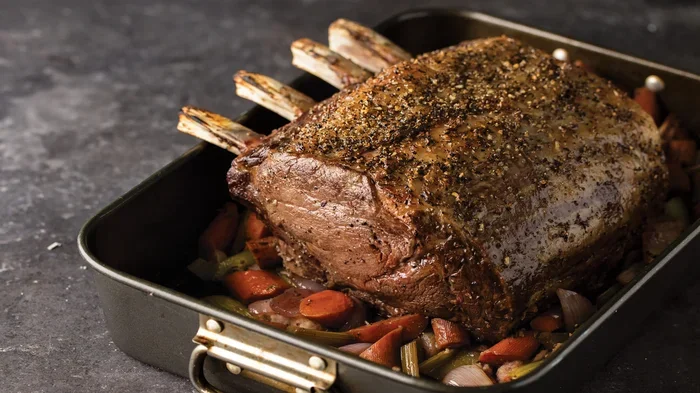
Higher baking temperatures are ideal for bread, pizza, roasted potatoes, and crispy chicken skin. At these temperatures, the Maillard reaction kicks in, creating that delicious golden-brown finish on many foods. This range is also common for roasting temperature settings for meats and vegetables.
Broil Setting (500°F to 550°F)
The broil setting uses only the top heating element to produce intense, direct heat. This is the closest you will get to your oven’s maximum temperature during normal cooking. Broiling is great for melting cheese, browning the top of casseroles, or searing the outside of a steak.
Keep in mind that the broil setting can reach very high temperatures quickly. Always stay near the oven when broiling and watch your food closely to prevent burning.
How to Test Your Oven’s Actual Temperature
Here is something many people do not realize: the temperature displayed on your oven dial or screen may not be perfectly accurate. Over time, ovens can drift from their set oven temperature by 25°F or more. This is where oven calibration becomes important.
The Oven Thermometer Method
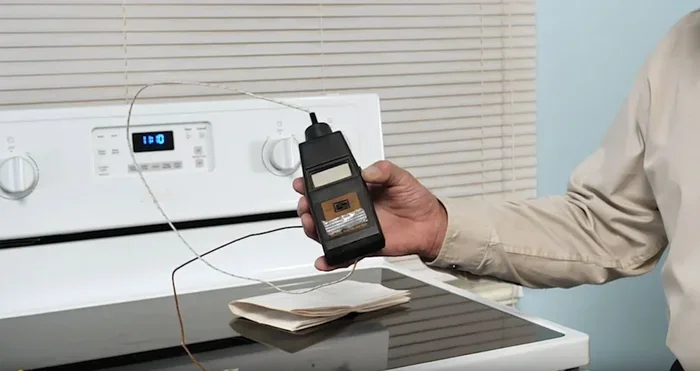
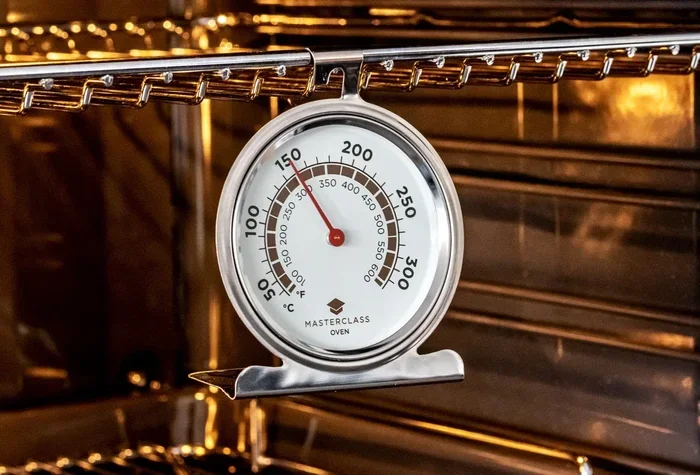
The easiest and most affordable way to check your oven’s actual heat is to use a standalone oven thermometer. Place it on the middle rack, set your oven to a specific temperature, and wait at least 20 minutes. Compare the thermometer reading to the oven’s display.
If the readings differ significantly, your oven may need recalibration. Many ovens have a calibration adjustment behind the temperature knob or in the settings menu. Refer to your owner’s manual for specific instructions.
The Baking Soda Test for Oven Calibration
Another simple method is the baking soda test. Spread a thin layer of baking soda on a baking sheet and place it in the oven at 250°F for about 30 minutes. If the baking soda dries out and shows signs of browning or fizzing, your oven may be running hotter than the display suggests.
Regular oven calibration ensures that your cooking time and recipes turn out as expected. This small habit can make a huge difference in the quality of your baked goods and roasted meals.
Safety Tips for High-Temperature Oven Use
Operating any appliance at high heat requires caution. Oven safety should always be a priority, especially when you are pushing the temperature range closer to the maximum.
Keep Flammable Items Away
Always maintain a clear space around your oven. Towels, paper products, plastic containers, and wooden utensils should never be placed near the oven door or on top of the appliance. High heat resistance does not apply to items outside the oven cavity.
Never Leave the Oven Unattended at High Heat
When you are broiling or cooking at very high temperatures, stay in the kitchen. High-heat cooking can cause food to flare up or smoke quickly. A watched oven is a safe oven.
Use Oven Mitts and Proper Tools
Always use dry oven mitts when handling hot pans and racks. Wet cloths can conduct heat rapidly and cause burns. Make sure your heat resistance tools are rated for the temperatures you are working with.
Understand the Self-Cleaning Cycle
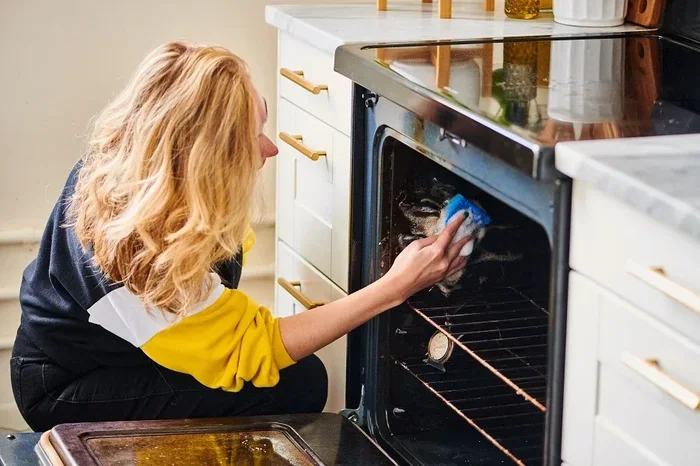
Many modern ovens include a self-cleaning feature that uses extremely high heat — often reaching 900°F or higher — to burn off food residue. This is called the self-cleaning cycle temperature, and it is far beyond normal cooking temperatures.
During the self-cleaning cycle, the oven door locks automatically for safety. Do not attempt to open the door while the cycle is running. The exterior of the oven can also become very hot, so keep children and pets away from the appliance during this cycle.
Quick Tips for Safe High-Temperature Cooking
- Always preheat your oven before placing food inside.
- Use a timer to keep track of cooking time at high temperatures.
- Check your oven seal regularly for wear or damage.
- Clean spills promptly to prevent smoke and odor during future use.
- Ventilate your kitchen when cooking at very high temperatures.
Common Mistakes That Affect Oven Temperature
Even experienced cooks sometimes make mistakes that throw off their oven’s performance. Understanding these common errors can help you avoid disappointing meals and wasted ingredients.
Opening the Oven Door Too Often
Every time you open the oven door, you release a significant amount of heat. This can drop the internal temperature by 25°F to 50°F, which increases cooking time and may affect how your food turns out. Try to resist the urge to peek too frequently.
Overcrowding the Oven
Placing too many pans inside the oven blocks oven heat distribution. Air needs to circulate freely around the food for even cooking. If you must cook multiple dishes at once, rotate the pans halfway through the cooking time for better results.
Ignoring the Oven Rack Position
Where you place the rack matters more than you might think. For baking temperature consistency, the middle rack is usually the best position. Placing food too close to the top element can cause over-browning, while placing it too low can result in undercooked tops.
Skipping Preheating
Some recipes work fine without preheating, but most baking and roasting tasks require a fully heated oven. Putting food into a cold oven throws off the temperature range and can lead to uneven cooking. Always give your oven at least 10 to 15 minutes to reach the target oven temperature before adding food.
When Should You Consider Upgrading Your Oven?
Most conventional ovens last 10 to 15 years with proper care. However, there are signs that it might be time for an upgrade. If your oven struggles to maintain consistent oven heat, takes too long to preheat, or shows visible damage to the interior or door seal, these are warning signs.
Modern ovens offer improved thermal efficiency and more precise temperature control. Many new models include convection fans, smart temperature sensors, and self-cleaning features that make cooking easier and safer. If you find yourself fighting with your current oven, a new model could transform your kitchen experience.
Also consider the difference between a conventional oven and a conventional oven vs convection model. Convection ovens use a fan to circulate hot air, which can reduce cooking time by up to 25% and provide more even heat distribution. This is a significant upgrade for frequent home cooks.
Key Takeaways
- Maximum Temperature: Most conventional ovens reach between 500°F and 550°F, which covers nearly all home cooking needs.
- Broil Setting Is the Hottest: The broil function uses the top element to reach the oven’s peak heat, usually around 500°F to 550°F.
- Self-Cleaning Goes Much Higher: The pyrolytic self-cleaning cycle can push temperatures to 900°F or more, which is far beyond normal cooking.
- Gas and Electric Models Share Similar Limits: Both types typically max out at 500°F to 550°F, though they differ in heat-up speed and distribution.
- Use an Oven Thermometer: A standalone thermometer is the best way to verify your oven’s actual temperature and catch calibration issues early.
- Safety Always Comes First: Keep flammable items away, never leave high-heat cooking unattended, and understand your oven’s safety features.
- Calibrate Regularly: A well-calibrated oven ensures consistent results and helps you avoid undercooked or overcooked meals.
Conclusion
So, how hot can a conventional oven get? The answer is clear: most standard home ovens reach a maximum temperature of 500°F to 550°F for normal cooking, and up to 900°F during the self-cleaning cycle. This temperature range is more than enough for virtually every cooking task you will encounter at home.
Understanding your oven’s limits, how it distributes heat, and how to keep it properly calibrated will make you a more confident and skilled cook. Whether you are baking a cake at 350°F, roasting vegetables at 425°F, or broiling a steak at maximum heat, knowing your appliance’s capabilities helps you get the best results safely.
Take a few minutes to test your oven’s actual temperature with an oven thermometer. Check the door seal, clean the interior regularly, and always follow basic oven safety practices. These small habits will extend the life of your appliance and improve every meal you prepare. Your oven is a powerful tool — now you know exactly how to use it to its full potential.
Frequently Asked Questions
What is the highest temperature a conventional oven can reach?
Most conventional household ovens can reach a maximum temperature between 500°F and 550°F during normal cooking. During the self-cleaning cycle, some models can reach temperatures as high as 900°F, though this is not a cooking setting and should only be used with proper caution and ventilation.
Can I use my oven at its maximum temperature for cooking?
It is not recommended to cook at the absolute maximum temperature of your oven. Most recipes call for temperatures between 300°F and 475°F. Cooking at the highest setting can damage food, cause uneven browning, and put extra stress on the oven’s components over time.
How do I know if my oven is heating to the correct temperature?
The best way to check is to use a standalone oven thermometer placed on the middle rack. Set your oven to a specific temperature and compare the thermometer reading after 20 minutes. If there is a difference of more than 25°F, your oven may need recalibration.
What is the difference between a conventional oven and a convection oven in terms of heat?
A conventional oven heats food using static heat from top and bottom elements. A convection oven adds a fan to circulate hot air, which creates more even heat distribution and can reduce cooking times. Both types typically share the same maximum temperature range of 500°F to 550°F.
Is it safe to leave the oven on at high temperatures when I am not home?
No, it is not safe to leave a high-heat oven unattended. High-temperature cooking can lead to food fires, smoke, or overheating of the appliance. Always stay in the kitchen when your oven is operating at or near its maximum heat setting.
How often should I calibrate my oven?
It is a good practice to check your oven’s temperature accuracy every 6 to 12 months. If you notice your food is consistently undercooked or overcooked despite following recipes exactly, test the temperature sooner. Regular calibration helps maintain consistent cooking results and extends the life of your oven.