How To Finish A Ribeye In The Oven For Juicy Results
Finishing a ribeye in the oven is the easiest way to get a juicy, perfectly cooked steak with a beautiful crust. This guide walks you through the entire process, from seasoning to slicing. You will learn the best oven temperature, timing, and tips for restaurant-quality results at home. Whether you are a beginner or a seasoned cook, this method works every time.
There is nothing quite like a perfectly cooked ribeye steak. The rich flavor, the juicy bite, the crusty sear on the outside — it is a meal that feels special every single time. Many people think you need a fancy grill or a professional kitchen to pull this off. But here is the truth. You can achieve incredible results right in your own kitchen using your oven.
How to finish a ribeye in the oven is a question that many home cooks ask, and for good reason. Oven-finishing gives you control, consistency, and ease. You get a beautiful brown crust and a perfectly pink center without standing over a hot grill. This method works in every season, in every kitchen, for every skill level.
In this guide, we will walk you through each step in detail. You will learn the best oven temperature, how to prep your steak, how long to cook it, and how to tell when it is done. By the end, you will feel confident enough to make a steakhouse-quality ribeye whenever you want. Let us get started.
Key Takeaways
- Oven-finishing gives you even cooking: The gentle heat wraps the steak uniformly, avoiding overcooked edges.
- A cast iron skillet is your best friend: It creates a thick, flavorful crust before the oven does the rest.
- Use a meat thermometer: This is the only reliable way to hit your exact desired steak doneness.
- Resting the steak matters: Letting it sit for 5 to 8 minutes keeps all the juices inside.
- Reverse sear works wonders: Starting low and slow in the oven then searing gives the most even results.
- Seasoning is simple but essential: Salt, pepper, garlic, and fresh herbs elevate any ribeye cut.
📑 Table of Contents
Why Finish Ribeye In The Oven
The oven offers a gentle, steady heat that is hard to replicate on a stovetop alone. When you cook a thick ribeye steak, the edges tend to overcook before the center reaches your desired doneness. The oven solves this problem beautifully.
Even Heat Distribution
Ovens surround the steak with heat from all sides. This means the ribeye cooks more evenly from edge to center. You avoid those gray bands of overcooked meat that often appear on grilled steaks. The result is a uniform pink or red interior that looks and tastes amazing.
Better Control Over Doneness
When you finish a ribeye in the oven, you control the temperature precisely. A simple oven thermometer or your oven settings let you set the exact heat you want. This level of control is especially helpful when cooking for guests with different preferences. Some like their steak rare, while others prefer medium or well done.
Less Stress, More Flavor
Grilling a thick ribeye can feel stressful. You worry about flare-ups, hot spots, and timing. Oven-finishing removes most of that anxiety. You can focus on getting a great sear on the stovetop and then let the oven do the slow, steady work. The end result is a juicy steak with deep, concentrated flavor.
Choosing And Preparing Your Ribeye
The journey to a great oven-finished ribeye starts before it ever touches heat. Choosing the right cut and preparing it properly sets the foundation for success.
What To Look For In A Ribeye
Not all ribeye steaks are created equal. When shopping, look for a cut with good marbling. Those white streaks of fat running through the meat are what make a ribeye so tender and flavorful. The fat melts during cooking and bastes the steak from the inside out.
Go for a thickness of at least one and a half inches. Thicker cuts hold up better to oven-finishing because they do not dry out quickly. A thin steak can overcook before the oven finishes its work. Look for a bright red color with a creamy white fat cap.
Seasoning Your Ribeye The Right Way
Seasoning a ribeye does not need to be complicated. Great steak seasoning is about quality ingredients and timing. Here is what works best:
- Kosher salt: Apply it generously at least 40 minutes before cooking. This draws out moisture, which then gets reabsorbed and tenderizes the meat.
- Freshly cracked black pepper: Add this just before searing so it does not burn.
- Garlic powder or fresh garlic: A light sprinkle adds depth without overpowering the natural beef flavor.
- Fresh herbs: Thyme or rosemary sprigs can go into the pan or oven for an extra layer of aroma.
Less is more when it comes to seasoning a quality ribeye cut. The meat already has incredible flavor. Your job is to enhance it, not mask it.
Bringing The Steak To Room Temperature
This is one of the most overlooked steps in cooking steak. Take your ribeye out of the fridge 30 to 45 minutes before cooking. Letting it sit at room temperature means the steak cooks more evenly. A cold steak going into a hot oven creates uneven results, with the outside overcooking while the center stays cold.
The Best Oven Temperature And Settings
Getting the oven temperature right is the key to a perfect oven-baked ribeye. Too hot and you dry out the steak. Too low and it takes forever. Here is what works best for most situations.
Recommended Oven Temperatures
For finishing a ribeye, most experts recommend setting the oven between 375°F and 425°F. The exact temperature depends on your method and how thick the steak is.
If you are using the reverse sear method, set the oven to a low 250°F to 275°F. This slowly brings the steak up to temperature before you sear it. If you prefer to sear first and then finish, set the oven to 400°F to 425°F for a quicker cook through.
Using The Broiler As An Alternative
Your oven’s broiler setting can also work well for finishing a ribeye. The broiler provides intense top-down heat that mimics a high-heat grill. Place the steak on a baking sheet about six inches from the broiler element. Watch it closely because it can go from perfect to burnt in seconds.
Convection Vs. Conventional Oven
If your oven has a convection setting, use it. The fan circulates hot air around the steak, cooking it more evenly. You may need to lower the temperature by about 25°F when using convection. Conventional ovens work just fine too, but you might need to rotate the pan halfway through for even cooking.
Step-By-Step Oven Finish Method
Now let us get into the actual process. This is the core of how to finish a ribeye in the oven. Follow these steps and you will get consistent, delicious results every time.
Step One: Preheat Your Oven
Preheat your oven to 400°F for a standard finish. If you are using the reverse sear method, preheat to 250°F. Give the oven at least 15 to 20 minutes to reach the right temperature. A properly preheated oven is essential for even cooking.
Step Two: Sear The Steak On The Stovetop
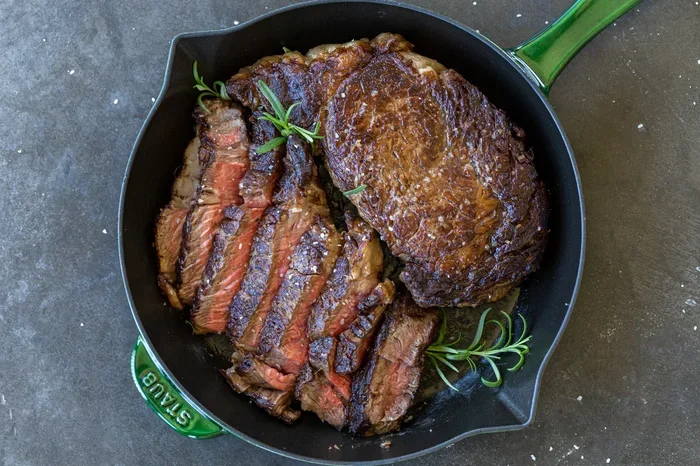
Heat a cast iron skillet over high heat until it is smoking hot. Add a high smoke-point oil like avocado oil or vegetable oil. Place the seasoned ribeye in the pan and let it sear untouched for about 2 to 3 minutes per side. You want a deep brown crust that locks in the juices.
Pro tip: Add a tablespoon of butter, a few crushed garlic cloves, and a sprig of thyme to the pan during the last 30 seconds of searing. Spoon the melted butter over the steak for extra richness and flavor. This simple step makes a noticeable difference.
Step Three: Transfer To The Oven
Immediately after searing, transfer the skillet directly into the preheated oven. The cast iron continues to conduct heat into the steak, cooking it evenly from all sides. This is why a cast iron skillet is the preferred tool for oven-finishing steak.
For a medium-rare finish on a 1.5-inch thick ribeye, bake for about 5 to 7 minutes. Adjust the time based on thickness and desired doneness. Thicker steaks need more time. Thinner ones need less.
Step Four: Check The Internal Temperature
This is the most important step. Use a reliable meat thermometer inserted into the thickest part of the steak. Here are the internal temperatures for different levels of doneness:
- Rare: 120°F to 125°F
- Medium Rare: 130°F to 135°F
- Medium: 140°F to 145°F
- Medium Well: 150°F to 155°F
- Well Done: 160°F and above
Remember that the temperature will rise by about 5°F after you pull the steak out. This is called carryover cooking, and it matters a lot for getting the perfect steak doneness.
Step Five: Rest And Serve
Once the ribeye reaches your target temperature, pull it out of the oven. Place it on a cutting board and tent it loosely with aluminum foil. Let it rest for 5 to 8 minutes. This resting period allows the juices to redistribute throughout the meat. If you cut too early, all those juices run out onto the board instead of staying in the steak.
After resting, slice against the grain and serve immediately. Pair it with a simple side like roasted potatoes, garlic butter mushrooms, or a crisp green salad for a complete meal.
Common Mistakes To Avoid
Even experienced cooks make mistakes when finishing steak in the oven. Here are the most common ones and how to avoid them.
Skipping The Sear
Some people put a raw ribeye straight into the oven. This produces steamed, gray meat without any crust. The sear is what gives your steak that deep, caramelized flavor and appetizing brown color. Always sear first, then finish in the oven.
Not Using A Meat Thermometer
guessing when a steak is done leads to overcooked or undercooked results every time. A meat thermometer takes the guesswork out entirely. It is an inexpensive tool that transforms your cooking. Invest in a good instant-read thermometer and use it every single time.
Cutting Into The Steak Too Early
It is tempting to cut into the steak to check if it is done. Resist that urge. Every time you cut, you release precious juices. Trust the thermometer and the resting period. Your patience will be rewarded with a much juicier steak.
Using The Wrong Pan
A thin baking sheet or warped pan does not conduct heat well enough for a good sear or even oven finishing. A heavy cast iron skillet is ideal. It retains heat, sears beautifully, and transitions seamlessly from stovetop to oven.
Expert Tips For The Perfect Oven-Finished Ribeye
Here are some extra tips from experienced cooks and chefs that will take your oven-finished ribeye to the next level.
Dry Brine For Extra Flavor
Try dry brining your ribeye the night before. Sprinkle it generously with kosher salt and place it uncovered on a wire rack in the fridge. The salt draws out moisture, which then gets reabsorbed. This breaks down the muscle fibers and creates a more tender, flavorful steak. When you cook it the next day, the results are noticeably better.
Let The Pan Heat Up Fully
A hot pan is non-negotiable for a good sear. Preheat your cast iron skillet on the burner for at least 3 to 5 minutes before adding the steak. You should see a faint wisp of smoke. If the pan is not hot enough, the steak will stick and you will not get that beautiful crust.
Experiment With Finishing Butter
After pulling the steak from the oven, add a small pat of compound butter on top. Mix softened butter with minced garlic, fresh parsley, and a pinch of salt. As it melts over the hot steak, it adds richness and a restaurant-quality finish. This simple technique is a game changer.
Keep A Cooking Log
Every oven is different. What works perfectly in one kitchen might need adjustment in another. Keep a simple log of your oven temperature, cooking time, and results. Over time, you will learn exactly how your oven behaves and can dial in your perfect ribeye every time.
Oven Finish Vs. Other Cooking Methods
There are many ways to cook a ribeye steak. Here is how oven-finishing compares to other popular methods.
| Method | Pros | Cons |
|---|---|---|
| Oven Finish | Even cooking, easy control, works year-round | Requires a skillet for the sear |
| Grill | Smoky flavor, classic summer cooking | Weather dependent, harder to control heat |
| Stovetop Only | Fast, no special equipment | Uneven cooking on thick cuts |
| Sous Vide | Precise temperature control | Requires special equipment, longer cook time |
The oven finish method strikes the best balance between ease and results. It does not require expensive equipment or special skills. It works in any kitchen, in any weather, and produces consistently excellent steak.
Frequently Asked Questions
Can I finish a frozen ribeye in the oven?
It is not recommended to cook a frozen ribeye directly in the oven. The outside will overcook before the inside thaws and reaches the right temperature. Always thaw your steak in the fridge overnight or use the cold water method for faster thawing. Once thawed, pat it dry and proceed with the oven-finishing method for the best results.
How long should I rest my ribeye after pulling it from the oven?
Rest your ribeye for 5 to 8 minutes after cooking. This allows the juices inside the meat to relax and redistribute. If you cut into it immediately, the juices will run out and the steak will be less juicy. Tent it loosely with foil during resting to keep it warm without trapping too much steam.
What is the reverse sear method for ribeye?
The reverse sear involves cooking the steak slowly in a low oven, around 250°F, until it reaches about 10 degrees below your target internal temperature. Then you sear it in a hot cast iron skillet for 1 to 2 minutes per side to develop a crust. This method produces the most even doneness from edge to center and is especially great for thick ribeye cuts.
Do I need to use butter when searing a ribeye?
Butter is optional but highly recommended. Regular cooking oil has a higher smoke point, so use oil for the initial sear. Then add butter, garlic, and herbs in the last 30 seconds. The butter adds richness and helps baste the steak. Just be careful not to let the butter burn, as it can turn bitter.
How thick should my ribeye be for oven finishing?
A ribeye that is at least 1.5 inches thick works best for oven-finishing. Thicker cuts give you more room for error and allow for a great sear without overcooking the center. If your steak is thinner than an inch, reduce the oven time and monitor the internal temperature closely to avoid overcooking.
Can I use a baking sheet instead of a cast iron skillet?
You can, but the results will not be as good. A cast iron skillet retains heat much better and creates a superior sear on the stovetop. If you must use a baking sheet, preheat it in the oven first to mimic some of the heat retention. You will still get a decent oven-finished ribeye, but the crust will not be as thick or flavorful.
Conclusion
Learning how to finish a ribeye in the oven is one of the most valuable skills you can build in the kitchen. It is simple, reliable, and produces results that rival any steakhouse. With the right oven temperature, a good cast iron skillet, and a meat thermometer, you can cook a perfect ribeye every single time.
The key is patience and attention to detail. Take the time to season properly, sear with confidence, monitor the internal temperature, and let the steak rest before serving. These small steps make a enormous difference in the final result.
Now that you have this complete guide, it is time to put it into practice. Grab a quality ribeye, preheat your oven, and cook yourself the juiciest, most flavorful steak you have ever had at home. Once you try this method, you will never go back to guessing again. Happy cooking.