Why Put Salt In Coffee Before Brewing To Improve Flavor
Adding salt to coffee before brewing is a simple trick that reduces bitterness, balances flavor, and improves your overall coffee experience. The science behind it is straightforward: sodium neutralizes the sour and bitter compounds in coffee grounds, resulting in a smoother cup. Whether you are a coffee lover looking for a quick fix or a curious beginner exploring new brewing methods, this guide covers everything you need to know about using salt to elevate your morning brew.
You have probably heard of people adding salt to their coffee. Maybe it sounded strange the first time you heard it. But this old kitchen trick has been around for decades, and for good reason. Salt in coffee is not about making your drink taste like the ocean. It is about balancing flavors and cutting through the harshness that makes some cups of coffee hard to enjoy.
If you have ever brewed a pot of coffee only to find it too bitter or acidic, you are not alone. Bitter coffee taste is one of the most common complaints among coffee lovers. The good news is that a simple pinch of salt can make a big difference. In this article, we will explore why this works, how to do it right, and what you need to know to get the best results every time.
Key Takeaways
- Salt reduces bitterness: Sodium ions block the taste receptors that detect bitterness in coffee.
- Use the right amount: A small pinch per cup is all you need to transform the flavor.
- Timing matters: Adding salt before brewing integrates it evenly into the coffee grounds.
- Works with any brewing method: Whether you use a drip machine, French press, or pour-over, salt helps.
- No weird aftertaste: When used correctly, salt does not make your coffee taste salty.
- Bonus health benefit: Salt can help offset the acidity that bothers sensitive stomachs.
📑 Table of Contents
The Science Behind Adding Salt to Coffee
Before you try this at home, it helps to understand why salt works in the first place. The answer lies in how our taste buds process different flavors. Salt in coffee interacts with the chemical compounds responsible for bitterness and acidity. This is not some mysterious kitchen magic. It is basic chemistry.
How Sodium Affects Bitterness
When you add salt to coffee grounds before brewing, sodium ions go to work. These ions suppress the taste receptors that detect bitter flavors. Think of it like turning down the volume on a loud sound. The bitterness does not disappear completely. It simply becomes balanced and much more pleasant to drink.
Bitterness in coffee comes from compounds like chlorogenic acid lactones and phenylindanes. These form during the roasting process. The darker the roast, the more of these compounds are present. Salt does not remove them. It simply reduces how strongly your tongue perceives them. This is why even a small amount of salt can make a huge difference in your coffee flavor.
Salt and Acidity Balance
Acidity is another factor that affects coffee taste. Some coffees are naturally bright and tangy. Others can be harsh and jarring. Salt helps neutralize excess acidity, leading to a smoother coffee experience. This is especially helpful for people with sensitive stomachs. Acidic coffee can cause heartburn and discomfort. Salt can take the edge off without changing the core character of your brew.
If you have ever wondered why some traditional recipes call for a pinch of salt in savory dishes, the same principle applies. Salt enhances the good flavors and tames the harsh ones. Brewing coffee is no different.
How Much Salt to Add Before Brewing
Getting the right amount of salt is the key to success. Too little and you will not notice a difference. Too much and your coffee will taste salty. The goal is to find that sweet spot where the salt enhances the coffee without becoming the dominant flavor.
The Pinch Method
For a single cup of coffee, start with a small pinch of salt. We are talking about roughly 1/8 teaspoon or less. This is enough to neutralize bitterness without adding any noticeable saltiness. If you are brewing a full pot, you can increase the amount slightly. About 1/4 teaspoon for a standard 12-cup pot works well.
Here is a simple guide to get you started:
- Single cup (8 oz): A small pinch, about 1/8 teaspoon
- Two cups (16 oz): 1/4 teaspoon
- Full 12-cup pot: 1/4 to 1/2 teaspoon
These are starting points. You can adjust based on your personal preference and the strength of your coffee. Some people prefer a bolder cup and may need slightly more salt. Others like a milder taste and will do fine with less.
When to Add the Salt
Timing is important. The best practice is to add the salt directly to the coffee grounds before adding water. This ensures the salt is evenly distributed throughout the grounds. When the hot water passes through, it dissolves the salt and integrates it into the brew.
Do not add salt to your finished cup. While this can still reduce some bitterness, it does not work as effectively. The salt needs contact with the grounds during the brewing process to fully neutralize the bitter compounds. Think of it as seasoning food while it cooks rather than at the table.
Best Brewing Methods for Using Salt
One of the great things about this technique is that it works with virtually any brewing method. Whether you prefer a classic drip machine or a more hands-on approach, salt can improve your results.
Drip Coffee Makers
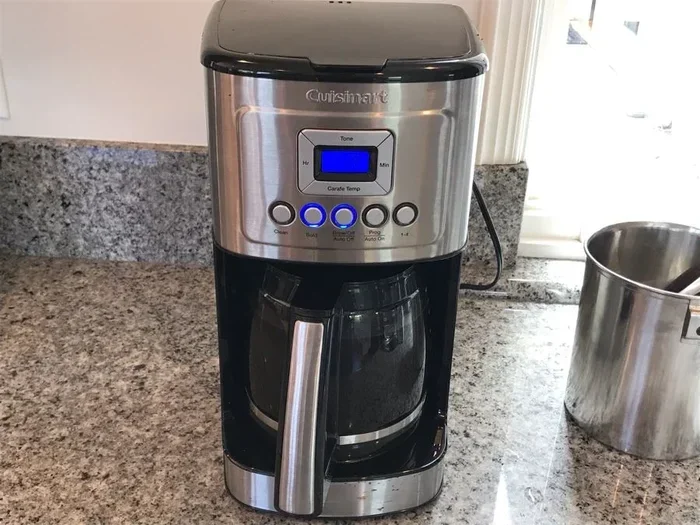
Drip coffee makers are the most common brewing method in homes around the world. Adding salt to the grounds basket is incredibly easy. Simply sprinkle your pinch of salt over the coffee grounds, then add water as usual. The result is a cleaner, smoother cup with less bitterness. This is a great option for people who drink multiple cups a day and want consistent flavor.
French Press
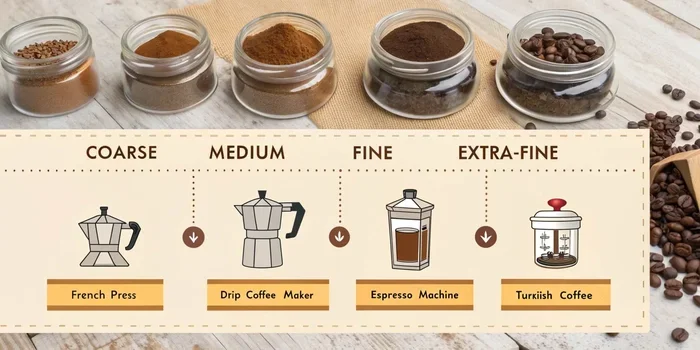
If you use a French press, you can add salt directly to the coarsely ground coffee before pouring in the hot water. Stir gently to distribute the salt. Let it steep for the usual four minutes, then press and pour. French press coffee tends to be full-bodied, and salt helps keep that richness without the harsh edge.
Pour-Over and Chemex
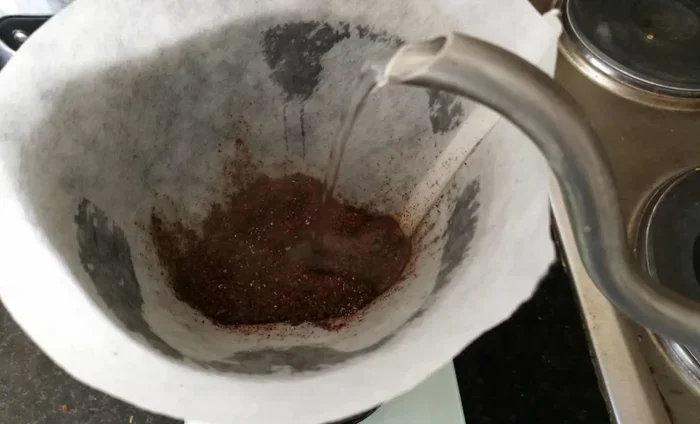
Pour-over brewing gives you more control over the process. Add salt to the grounds in your filter before starting the pour. As the water flows through, it carries the salt with it. This method works especially well because the slow extraction allows the salt to interact thoroughly with the coffee grounds. The result is a clean, nuanced cup that highlights the coffee’s natural sweetness.
Cold Brew
Cold brew coffee is naturally less acidic and less bitter than hot brewed coffee. But adding a tiny pinch of salt to the grounds before steeping can make it even smoother. This is a great option for people who prefer cold brew but still find it slightly harsh.
Common Mistakes When Using Salt in Coffee
While adding salt to coffee is simple, there are a few mistakes that can ruin the experience. Avoid these common errors to get the best results.
Using Too Much Salt
The most common mistake is adding too much salt. It is easy to go overboard if you are not careful. Remember, you want the salt to be invisible in the final cup. If you can taste salt, you have added too much. Start with a very small amount and increase gradually until you find your preferred balance.
Adding Salt After Brewing
As mentioned earlier, adding salt to the finished coffee is less effective. The salt sits on top of the liquid and does not fully integrate with the bitter compounds. For the best results, always add salt to the grounds before brewing. This gives it time to dissolve and work its magic during the extraction process.
Using Iodized Table Salt
While regular table salt works fine, some people prefer kosher salt or sea salt. Iodized table salt can sometimes leave a slight chemical aftertaste. If you are sensitive to this, try using a pure sea salt or kosher salt instead. The difference is subtle but can matter if you are a coffee perfectionist.
Ignoring the Coffee Quality
Salt can improve the flavor of coffee, but it cannot fix bad coffee. If your beans are old, stale, or low quality, salt will only do so much. Start with fresh, high-quality beans for the best results. Salt enhances good coffee; it does not replace it.
Additional Tips for Better Coffee Flavor
Salt is just one tool in your arsenal for better coffee. Here are a few more tips to help you get the most out of every cup.
Use Fresh, Filtered Water
The water you use makes up over 98 percent of your coffee. If your tap water tastes chlorine-heavy or has a strange odor, it will affect your brew. Use filtered water for the cleanest, best-tasting coffee. This is one of the easiest upgrades you can make to your morning routine.
Grind Your Beans Just Before Brewing
Freshly ground coffee has more flavor and aroma than pre-ground coffee. Invest in a simple burr grinder and grind your beans right before brewing. This small change can make a huge difference in the quality of your cup.
Store Beans Properly
Keep your coffee beans in an airtight container away from light and heat. Do not store them in the freezer, as moisture can degrade the flavor. A cool, dark pantry is the best place to keep your beans fresh for longer.
Preheat Your Equipment
Warming your brewing equipment helps maintain a consistent temperature during the extraction process. If you use an oven to warm your mug or brewer, make sure your oven is working properly. If your oven shuts off unexpectedly, it can disrupt your routine. Check out why your oven might be shutting off randomly to keep your kitchen running smoothly.
Experiment with Ratios
Everyone’s palate is different. Do not be afraid to experiment with the amount of salt you use. Try different coffee-to-salt ratios until you find what works best for you. Some people prefer just a tiny pinch, while others like a slightly more noticeable effect. The beauty of this technique is that it is fully customizable.
Why This Old Kitchen Trick Still Works
The idea of adding salt to coffee might sound like a modern coffee hack. But this technique has deep roots. In some parts of the world, adding salt to coffee is a long-standing tradition. People in Turkey, Scandinavia, and parts of Central Asia have been doing it for generations. They understood what science now confirms: salt makes coffee taste better.
In the mid-20th century, the U.S. military even included salt in their field coffee rations. Soldiers in harsh conditions found that a pinch of salt made their bitter, often low-quality coffee much more drinkable. This practical tip spread through the ranks and eventually reached home kitchens around the world.
Today, coffee professionals and baristas are rediscovering this technique. It is gaining popularity in specialty coffee circles as a simple, no-cost way to improve flavor. You do not need expensive equipment or rare beans. A pinch of salt and good coffee grounds are all you need.
If you are curious about other kitchen hacks and tips, you might also enjoy learning about proper oven techniques. For instance, knowing how to put an oven rack back in correctly can help you warm your mug or equipment more effectively.
Health Considerations of Salt in Coffee
You might be wondering about the health effects of adding salt to your coffee. The good news is that the amount used is very small. A pinch of salt adds negligible sodium to your diet. For most people, this is perfectly fine and poses no health risk.
However, if you are on a strict low-sodium diet, you should be mindful of this addition. Even small amounts of sodium can add up over the course of a day, especially if you drink multiple cups of coffee. If you have any concerns about your sodium intake, consult your doctor before making salt a regular part of your coffee routine.
On the positive side, salt can help reduce the acidity of coffee. This is beneficial for people who suffer from acid reflux or heartburn. Many coffee drinkers avoid their favorite beverage because of stomach issues. Salt can make coffee more tolerable and allow you to enjoy your morning cup without discomfort.
Final Thoughts
Adding salt to coffee before brewing is one of the simplest and most effective ways to improve your daily cup. It reduces bitterness, balances acidity, and brings out the natural sweetness of the beans. Best of all, it costs nothing extra and takes only seconds to do.
Whether you are a casual coffee drinker or a dedicated enthusiast, this trick is worth trying. Start with a small pinch, adjust to your taste, and enjoy the difference. Once you experience how much better your coffee can taste, you might never go back to unsalted brews.
If you ever find yourself reheating leftover coffee, keep in mind that the flavor changes over time. For tips on reheating food and drinks properly, check out our guide on how to reheat baked chicken in the oven, which covers best practices for restoring quality to leftovers.
The beauty of this technique is that it works with any type of coffee, any brewing method, and any roast level. All you need is a little salt and a willingness to experiment. Your taste buds will thank you.
So next time you brew a pot, reach for the salt shaker. Give it a try before you decide whether it is for you. You might be surprised at how such a small change can transform your morning routine and make every cup of coffee more enjoyable.
Frequently Asked Questions
Does salt make coffee less bitter?
Yes, salt is one of the most effective ways to reduce bitterness in coffee. Sodium ions block the taste receptors that detect bitter flavors, resulting in a smoother and more balanced cup. Just a small pinch added to the grounds before brewing is all you need.
Can I use any type of salt for coffee?
You can use table salt, kosher salt, or sea salt. Each has a slightly different flavor profile. Table salt dissolves quickly and works well, but some people prefer the cleaner taste of kosher or sea salt. Avoid flavored salts or salts with additives, as these can alter the taste of your coffee.
Will my coffee taste salty if I add salt?
No, not if you use the right amount. The goal is to add just enough salt to neutralize bitterness without leaving any salty taste. Start with a small pinch and increase gradually until you find the right balance. When done correctly, the salt is completely undetectable in the final cup.
How much salt should I add per cup of coffee?
For a single 8-ounce cup, a small pinch of about 1/8 teaspoon is ideal. For larger pots, you can scale up accordingly. A 12-cup pot typically benefits from 1/4 to 1/2 teaspoon. Adjust based on your personal preference and the strength of your brew.
Does salt change the flavor of coffee?
Salt does not change the fundamental flavor of coffee. Instead, it enhances the existing flavors by reducing bitterness and acidity. The natural sweetness and complexity of the beans become more noticeable. Many coffee drinkers describe the result as a cleaner, smoother, and more balanced cup.
Is it safe to add salt to coffee every day?
Yes, for most people it is perfectly safe. The amount of sodium added is very small and unlikely to impact your daily intake significantly. However, if you are on a low-sodium diet or have health concerns related to sodium, you should consult your doctor before making it a regular habit.
=== CONCLUSION ===
Salt in coffee before brewing is a proven, simple, and effective way to improve your daily cup. It reduces bitterness, balances acidity, and brings out the best in your beans without adding any cost or complexity. Whether you use a drip machine, French press, or pour-over method, this technique works across the board.
The key is to start small, use the right type of salt, and add it to the grounds before brewing. With just a pinch, you can transform a harsh, bitter cup into something smooth and enjoyable. Give it a try today and discover the difference for yourself.