How To Grind Light Roast Coffee Beans the Right Way
Grinding light roast coffee beans correctly unlocks their bright, complex flavors and delicate aromas. This guide covers everything you need to know, from choosing the right grinder to picking the perfect grind size for your brewing method. You will learn step-by-step techniques, common mistakes, and pro tips to elevate your daily coffee routine.
There is something magical about the smell of freshly ground coffee beans filling your kitchen. If you have been using pre-ground coffee, you are missing out on a whole world of flavor. Light roast coffee beans are especially rewarding to grind at home because they hold onto their bright, fruity, and floral notes much longer than darker roasts.
Grinding your own beans might seem intimidating at first, but it is actually quite simple once you understand the basics. This guide will walk you through everything you need to know. We will cover grinder types, grind sizes, step-by-step instructions, and common pitfalls to avoid. By the end, you will know exactly how to get the perfect grind every single time.
Whether you are a complete beginner or someone looking to refine your technique, this article has you covered. Let us dive in and explore the art and science of grinding light roast coffee beans.
Key Takeaways
- Choose the right grinder: Burr grinders deliver consistent particle size, while blade grinders are budget-friendly but less uniform.
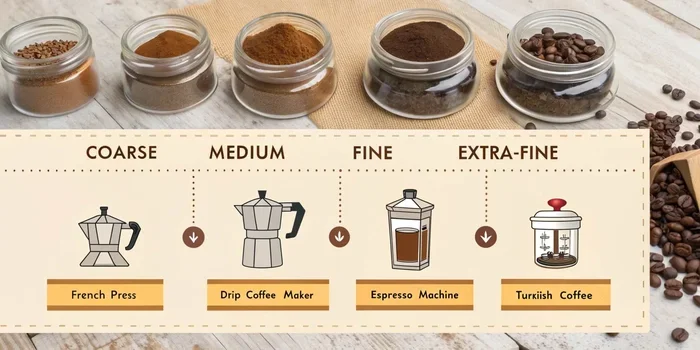
- Match grind size to your brewing method: Coarse for French press, medium for drip, and fine for espresso.
- Grind just before brewing: Freshly ground light roast coffee beans preserve flavor and aroma far better than pre-ground options.
- Avoid common mistakes: Overheating beans, grinding too fine, and storing ground coffee improperly can ruin your cup.
- Dial in your settings: Adjusting grind settings takes practice, but it makes a huge difference in taste and extraction.
📑 Table of Contents
- Why Grinding Light Roast Coffee Beans Matters
- Types of Coffee Grinders for Light Roasts
- Step-by-Step Guide to Grinding Light Roast Coffee Beans
- Choosing the Right Grind Size for Your Brew Method
- Common Mistakes When Grinding Light Roast Coffee Beans
- Storing Ground Coffee Properly
- Expert Tips for the Perfect Grind
- Final Thoughts
Why Grinding Light Roast Coffee Beans Matters
Light roast coffee beans are roasted for a shorter time than medium or dark roasts. This means they retain more of their original characteristics. You will notice brighter acidity, more complex flavors, and delicate floral or fruity notes. All of these qualities depend heavily on how the beans are ground.
When you grind coffee, you increase the surface area exposed to water. The more surface area, the faster and more efficiently the flavors extract during brewing. If your grind is too coarse, the water passes through too quickly and you get a weak, sour cup. If it is too fine, the water struggles to pass through and your coffee turns bitter and over-extracted.
Light roasts are particularly sensitive to grind size because they are denser than dark roasts. The longer roasting process breaks down cell structures in dark roasts, making them more porous. Light roasts stay tighter and more compact. This means you need to be more precise with your grinding to get the best results.
Freshly grinding your beans also preserves the volatile aromatic compounds that give coffee its wonderful smell and taste. These compounds start to fade within minutes of grinding. That is why buying whole beans and grinding right before brewing makes such a noticeable difference.
The Role of Freshness in Coffee Flavor
Think of freshly ground light roast coffee beans like a freshly baked loaf of bread. The moment you slice into it, the aroma hits you. But leave that bread out for a few days and it loses its charm. Coffee works the same way. The moment the beans are ground, oxidation begins to break down the flavorful oils.
This is why coffee experts always recommend grinding just before brewing. Even the best storage methods cannot fully stop the loss of flavor. If you want the brightest, most flavorful cup possible, fresh grinding is non-negotiable.
Types of Coffee Grinders for Light Roasts
Not all coffee grinders are created equal. The type of grinder you choose has a big impact on the consistency of your grind and ultimately the taste of your coffee. There are two main types to consider.
Burr Grinders
Burr grinders are the gold standard for grinding coffee at home. They use two abrasive surfaces (burrs) that crush the beans into uniform particles. This consistency is key for even extraction, which means every sip of your coffee tastes balanced and smooth.
There are two subtypes of burr grinders:
- Conical burr grinders: These use a cone-shaped inner burr and a ring-shaped outer burr. They are quieter and tend to produce fewer fines (tiny particles). They work great for light roast coffee beans because the gentler grinding process generates less heat.
- Flat burr grinders: These use two parallel ring-shaped burrs. They produce an extremely uniform grind size, which is ideal for espresso. They are a bit louder and can generate more heat, but many coffee professionals prefer them.
Most burr grinders allow you to adjust the grind size. This is a huge advantage because different brewing methods need different sizes. Look for a grinder with a wide range of settings so you can experiment and find your perfect grind.
Blade Grinders
Blade grinders are the budget-friendly option. They use a spinning blade at the bottom of the chamber to chop the beans. Think of it like a tiny blender. They are affordable and widely available, but they come with a major drawback: inconsistency.
Because the blade spins randomly, you end up with a mix of fine particles and larger chunks. This uneven grind leads to uneven extraction. Some parts of your coffee will be over-extracted (bitter) while others are under-extracted (sour).
If you are using a blade grinder, here are a few tips to improve your results:
- Pulse the grinder in short bursts instead of running it continuously.
- Shake the grinder gently between pulses to redistribute the beans.
- Use a finer setting and sift out the large chunks if needed.
While blade grinders are not ideal, they can still produce decent coffee if you put in a little extra effort. They are a good starting point if you are just getting into grinding your own beans.
Manual vs. Electric Grinders
Beyond burr and blade types, you also need to decide between manual and electric models. Manual grinders are hand-cranked and give you full control over the grinding process. They are portable, quiet, and often more affordable than high-end electric burr grinders.
Electric grinders are faster and more convenient, especially if you make multiple cups daily. They are a great choice if consistency and speed matter to you.
Step-by-Step Guide to Grinding Light Roast Coffee Beans
Now that you understand why grinding matters and which grinder to use, let us walk through the actual process. Follow these steps for the best results every time.
Step 1: Measure Your Beans
Start by measuring out the right amount of whole beans. A good rule of thumb is about two tablespoons of beans per six ounces of water. You can adjust this based on your taste preferences. Using a kitchen scale is even more precise. Aim for around 15 grams of beans per 250 milliliters of water.
Step 2: Choose Your Grind Size
Before you start grinding, decide on the grind size based on your brewing method. We will cover the different sizes in detail in the next section. For now, just make sure your grinder is set to the correct setting before you add the beans.
Step 3: Grind the Beans
Add your measured beans to the grinder. If you are using a burr grinder, turn it on and let it run until all the beans are processed. If you are using a blade grinder, use short pulses of about three to five seconds each. This helps prevent overheating and gives you more control over the grind size.
One important tip: do not grind for too long continuously. Friction generates heat, and hot beans lose some of their delicate aromatic compounds. Light roast beans are especially sensitive to heat because they have not been roasted as long and retain more of their original volatile oils.
Step 4: Check the Grind Consistency
Once grinding is complete, take a small pinch of grounds and rub them between your fingers. You should feel a relatively uniform texture. If you notice large chunks mixed with powder, you may need to adjust the settings and grind again.
Step 5: Brew Immediately
The golden rule of grinding coffee is to brew right away. Do not let the grounds sit for hours. The moment you grind, the clock starts ticking on flavor loss. Get your water ready, set up your brewer, and enjoy the process of making a fresh cup.
Choosing the Right Grind Size for Your Brew Method
Grind size is one of the most important variables in making great coffee. Too coarse and your coffee will be weak and sour. Too fine and it will be bitter and harsh. Light roast coffee beans benefit from the right grind size more than almost any other factor.
Coarse Grind
A coarse grind looks like sea salt. It is ideal for methods with longer brew times where the water has more time to extract flavor. Use a coarse grind for:
- French press: The immersion brewing method needs coarse grounds to prevent over-extraction and clogging.
- Cold brew: Cold water extracts slowly, so coarse grounds are essential for a clean, smooth concentrate.
Medium Grind
A medium grind resembles sand or kosher salt. This is the most versatile grind size and works well with several popular brewing methods:
- Drip coffee makers: Most automatic drip machines are designed for medium grind coffee.
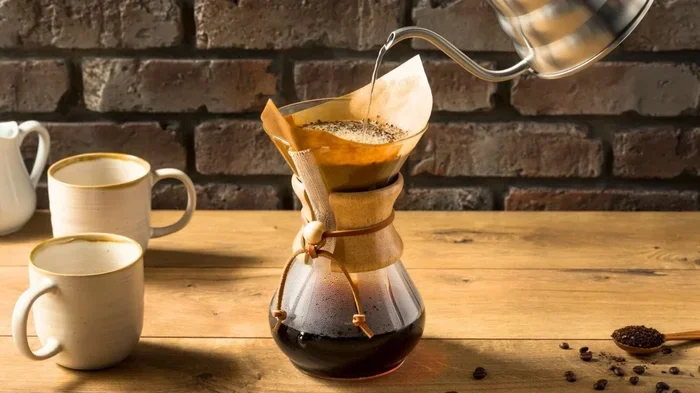
- Pour over (e.g., V60, Chemex): Medium grind gives you control over brew time and extraction.
- AeroPress: Medium grind works well for standard AeroPress recipes.
Medium-Fine Grind
A medium-fine grind is slightly finer than sand. It is a great choice for:
- Siphon brewers: These vacuum-based brewers work best with a medium-fine grind.
- Clever drippers: The combination of immersion and dripping suits this grind size perfectly.
Fine Grind
A fine grind looks like powdered sugar. It is essential for espresso because the water is forced through the grounds under high pressure. Finer grinds increase surface area and allow for rapid, intense extraction.
Light roast coffee beans can make excellent espresso, but they require a slightly coarser fine grind than dark roasts. This is because light roasts are denser and extract more slowly. Experiment with your settings to find the sweet spot.
Extra Fine Grind
Extra fine grind is finer than flour and is used for Turkish coffee. This is a specialized method that is less common but worth mentioning for completeness.
Quick Reference: Grind Size Chart
| Brew Method | Grind Size | Texture Comparison |
|---|---|---|
| French Press | Coarse | Sea salt |
| Cold Brew | Coarse | Sea salt |
| Drip Coffee Maker | Medium | Kosher salt |
| Pour Over | Medium | Kosher salt |
| AeroPress | Medium | Kosher salt |
| Siphon Brewer | Medium-Fine | Fine sand |
| Espresso | Fine | Powdered sugar |
| Turkish Coffee | Extra Fine | Flour |
Common Mistakes When Grinding Light Roast Coffee Beans
Even experienced coffee lovers make mistakes when grinding. Here are the most common ones and how to avoid them.
Grinding Too Far in Advance
This is the number one mistake people make. Ground coffee starts losing flavor within 15 to 30 minutes. Do not grind your beans the night before or in the morning for later. The flavor difference is dramatic. If you must grind ahead, store the grounds in an airtight container, but fresh is always best.
Using the Wrong Grind Size
Using a grind size that does not match your brewing method leads to poor extraction. Too coarse and your coffee tastes sour and weak. Too fine and it turns bitter and muddy. Always match your grind to your brewer and adjust from there based on taste.
Overheating the Beans
Grinding generates friction, which creates heat. Excessive heat can damage the delicate flavors of light roast beans. To prevent this:
- Use short pulses with a blade grinder.
- Do not grind more beans than your grinder can handle at once.
- Let the grinder cool down between batches if you are making large quantities.
- Consider chilling your beans slightly before grinding in hot climates.
Neglecting Grinder Maintenance
Coffee oils and fine particles build up inside your grinder over time. This can cause stale flavors and even clog the burrs. Clean your grinder regularly. Most burr grinders have removable parts that can be washed. Wipe down the exterior and run a small batch of plain rice through the grinder occasionally to absorb excess oils.
Ignoring Bean Density
Light roast beans are denser than dark roast beans. This means they require a slightly different approach. You may need to adjust your grinder settings more frequently when switching between roast levels. Pay attention to how the beans look and feel, and adjust accordingly.
Storing Ground Coffee Properly
If you do need to store ground coffee for a short time, proper storage makes a big difference. The main enemies of ground coffee are air, moisture, heat, and light. Keep your grounds away from all four.
The best storage method is an airtight container kept in a cool, dark place. Many coffee enthusiasts use containers with one-way valves that allow carbon dioxide to escape without letting air in. These are ideal for preserving freshness.
Do not store ground coffee in the refrigerator or freezer unless you are storing it for more than a week. Moisture from the fridge can degrade the flavor quickly. If you do freeze ground coffee, use a truly airtight, freezer-safe container and only open it when you are ready to brew.
Remember, ground coffee is at its best within 15 to 30 minutes of grinding. Storage is a backup plan, not a substitute for freshness.
Expert Tips for the Perfect Grind
Here are some pro tips that can take your grinding game to the next level:
- Calibrate your grinder regularly. Even small shifts in burr alignment can change your grind size. Check your settings periodically.
- Experiment with brew ratios. A 1:15 or 1:16 coffee-to-water ratio is a great starting point for most light roast brews.
- Use filtered water. The quality of your water affects extraction just as much as grind size does.
- Keep a coffee journal. Write down your grind settings, brew method, and tasting notes. This helps you replicate great cups and troubleshoot problems.
- Buy beans in small quantities. Purchase only what you will use within two to four weeks for the freshest possible flavor.
Final Thoughts
Grinding light roast coffee beans the right way is one of the simplest and most rewarding upgrades you can make to your daily coffee routine. It does not require expensive equipment or years of experience. With the right grinder, the correct grind size, and a little practice, you can brew coffee that is brighter, more flavorful, and far more satisfying than anything from a bag of pre-ground coffee.
Remember that the key to great coffee is freshness. Grind your beans just before brewing, match your grind size to your method, and pay attention to the details. Light roast coffee beans are full of bright, complex flavors waiting to be unlocked. All you need is the right grind.
Start today. Pick up a bag of quality whole bean light roast coffee, fire up your grinder, and taste the difference for yourself. Once you experience the freshness of home-ground coffee, you will never go back to pre-ground again.
Frequently Asked Questions
Can I use a blade grinder for light roast coffee beans?
Yes, you can use a blade grinder, but the results will be less consistent than a burr grinder. Blade grinders chop beans unevenly, which can lead to over-extraction and under-extraction in the same cup. If you only have a blade grinder, try pulsing in short bursts and shaking the grinder between pulses to improve consistency.
How fine should I grind light roast coffee beans for espresso?
Light roast beans are denser than dark roasts, so they need a slightly coarser fine grind for espresso. Start with a setting slightly coarser than what you would use for dark roast espresso and adjust based on the taste. If your espresso tastes sour, go finer. If it tastes bitter, go coarser.
How long after grinding should I brew my coffee?
You should brew your coffee within 15 to 30 minutes of grinding for the best flavor. The aromatic compounds in freshly ground coffee start to dissipate quickly. The sooner you brew after grinding, the brighter and more flavorful your cup will be.
What is the best grinder for light roast coffee beans?
Burr grinders are the best choice for light roast coffee beans because they produce a consistent particle size. Conical burr grinders are especially good because they generate less heat during grinding, which preserves the delicate flavors of light roasts. Popular options include the Baratza Encore and the Comandante C40.
Does grind size really affect the taste of coffee?
Absolutely. Grind size is one of the most important factors in coffee extraction. Too coarse and the water passes through too quickly, resulting in weak, sour coffee. Too fine and the water extracts too much, leading to bitter, harsh flavors. Getting the right grind size for your brewing method makes a huge difference in taste.
Can I store ground coffee in the freezer?
You can store ground coffee in the freezer for longer-term storage, but it is not ideal for short-term use. Moisture and odors from the freezer can affect the flavor. If you freeze ground coffee, use a completely airtight container and only remove what you need for one brewing session. For daily use, an airtight container at room temperature is better.