How To Make Slow Drip Coffee Like A Barista At Home
Making slow drip coffee at home is easier than you think and delivers barista-quality results every time. This method uses a drip coffee maker or simple setup to extract deep, smooth coffee flavor over several hours. You will learn the equipment, steps, and pro tips to brew the perfect cup.
Key Takeaways
- Slow Drip Coffee Is Simple: All you need is coarse coffee grounds, filtered water, and a basic setup to get started.
- Brewing Time Matters: Letting the water drip slowly over the grounds for several hours creates a rich and smooth coffee taste.
- Equipment Choices Vary: You can use a drip coffee maker, a French press setup, or a manual pour-over device.
- Water Temperature Is Key: Keeping water between 195 and 205 degrees Fahrenheit ensures the best coffee extraction.
- Avoid Common Mistakes: Using too fine a grind or rushing the process are the top errors home brewers make.
- Experiment With Ratios: Adjusting the coffee-to-water ratio lets you control coffee strength and coffee aroma to your liking.
📑 Table of Contents
- What Is Slow Drip Coffee and Why Should You Try It?
- What You Need To Make Slow Drip Coffee At Home
- Step-By-Step Guide To Making Slow Drip Coffee
- Tips For Perfect Slow Drip Coffee Every Time
- Slow Drip Coffee Versus Other Brewing Methods
- Common Mistakes To Avoid When Making Slow Drip Coffee
- Conclusion: Start Your Slow Drip Coffee Journey Today
What Is Slow Drip Coffee and Why Should You Try It?
Slow drip coffee is a brewing method where water passes through coffee grounds at a slow and steady pace. This gentle process pulls out the deep flavors and natural sweetness from the beans. Unlike fast brewing methods that use high pressure, slow drip relies on time and gravity to create a clean and smooth cup.
The beauty of slow drip coffee is that anyone can make it at home. You do not need expensive gear or years of training. Whether you are a complete beginner or a seasoned home brewer, this method gives you control over every part of the process. The result is a coffee flavor that is rich, balanced, and full of coffee aroma.
Many coffee lovers are switching to slow drip coffee because it is less bitter than other methods. The long brewing time allows for a smoother coffee extraction without pulling out harsh compounds. If you want to upgrade your morning routine, this is the place to start.
The Science Behind Slow Drip Brewing
When hot water meets coarse ground coffee, it begins to dissolve the soluble compounds inside the grounds. This is called coffee extraction. In slow drip brewing, the water spends more time with the grounds. This means more flavor, oils, and aromas are released into the final cup.
The speed of the drip controls how much gets extracted. Too fast and you get weak coffee taste. Too slow and the coffee can turn bitter. Finding the sweet spot is what makes barista techniques so effective. A steady drip over two to four hours is the sweet spot for most home brewing setups.
How Slow Drip Coffee Differs From Other Methods
Slow drip coffee is not the same as pour over coffee, even though they share some similarities. Pour over uses a manual kettle and a filter, and the water is poured all at once. Slow drip lets the water flow gradually through the grounds, which creates a different coffee flavor profile.
It is also different from cold brew coffee. Cold brew steeps grounds in cold water for 12 to 24 hours. Slow drip can be done hot or cold and takes much less time. Each method has its fans, but slow drip offers a unique middle ground that many people love.
What You Need To Make Slow Drip Coffee At Home
Getting started with slow drip coffee is simple. You do not need a fancy setup. Here is what you will need to brew a great cup at home.
Essential Equipment for Slow Drip Brewing
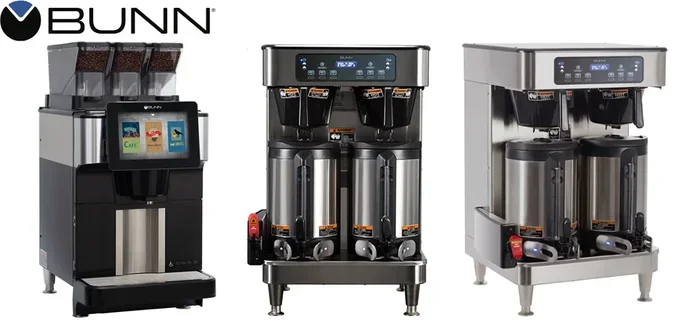
- A slow drip coffee maker or drip coffee maker: This is the main tool. You can use a machine or a manual setup.
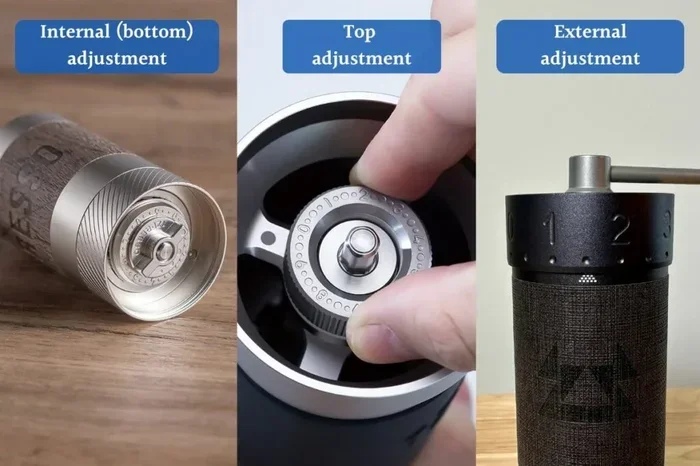
- A burr grinder: Grinding your own beans gives you control over the grind size, which is essential for great coffee taste.
- Filtered water: Clean water makes a big difference in coffee flavor and coffee aroma.
- A scale: Measuring your coffee grounds and water ensures consistency every time.
- A carafe or mug: Something to catch the brewed coffee as it drips through.
Choosing the Right Coffee Beans
The beans you choose shape the final coffee taste more than anything else. For slow drip coffee, medium to dark roast beans work best. They bring out chocolatey, nutty, and caramel notes that shine during the long extraction process.
Freshly roasted coffee beans are always better. Try to use beans that were roasted within two to four weeks. Store them in an airtight container away from light and heat. This keeps the coffee aroma locked in until you are ready to brew.
Step-By-Step Guide To Making Slow Drip Coffee
Now that you have your gear and beans ready, it is time to brew. Follow these steps for a perfect cup of slow drip coffee every time.
Step 1: Measure and Grind Your Coffee
Start by measuring out your beans. A good starting ratio is one gram of coffee for every 15 to 17 milliliters of water. For a standard cup, that is about 30 grams of coarse ground coffee to 500 milliliters of water.
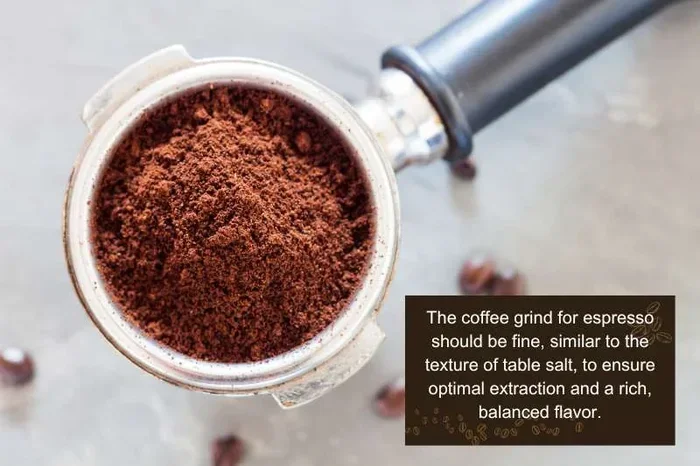
Grind the beans to a coarse consistency. Think of the texture of sea salt. If the grind is too fine, the water will struggle to pass through and your coffee will be over-extracted. A coarse grind lets the water flow freely and extracts the right flavors over time.
Step 2: Heat Your Water to the Right Temperature
Water temperature is one of the most important factors in coffee extraction. Heat your water to between 195 and 205 degrees Fahrenheit. If you do not have a thermometer, bring the water to a boil and then let it sit for 30 seconds. This brings it right into the ideal range.
Using water that is too hot will burn the coffee grounds and create a bitter taste. Water that is too cool will under-extract and leave your coffee tasting flat. Getting the temperature right is the difference between a good cup and a great one.
Step 3: Set Up Your Brewer
Place your filter in the drip basket. If you are using a paper filter, rinse it first with hot water. This removes any papery taste and preheats the brewer. Discard the rinse water and add your coffee grounds to the filter.
Slowly pour a small amount of hot water over the grounds to wet them evenly. This is called the bloom. Let it sit for 30 seconds. You will see the grounds puff up and release gas. This step ensures even coffee extraction during the full brew.
Step 4: Start the Slow Drip Process
Now comes the patience part. Allow the remaining hot water to drip through the grounds slowly. The total brewing time should be between two and four hours depending on your setup.
If you are using a machine, set it to the slowest drip setting. If you are going manual, control the flow by adjusting how much water you add at a time. The goal is a steady, slow drip, not a rush. This is where the magic of slow drip coffee really happens.
Step 5: Serve and Enjoy
Once all the water has passed through, your slow drip coffee is ready. Pour it into a warm mug and enjoy it black to taste the full coffee flavor. You can add milk, cream, or sweetener if you prefer.
Freshly brewed slow drip coffee tastes best within 20 to 30 minutes. If you have leftovers, let them cool and store them in the fridge. You can reheat them later or enjoy them as a cold coffee recipe over ice.
Tips For Perfect Slow Drip Coffee Every Time
Even with the basics down, a few extra tips can take your slow drip coffee from good to amazing. These are the same barista techniques that professionals use to dial in their brew.
Water Temperature Matters More Than You Think
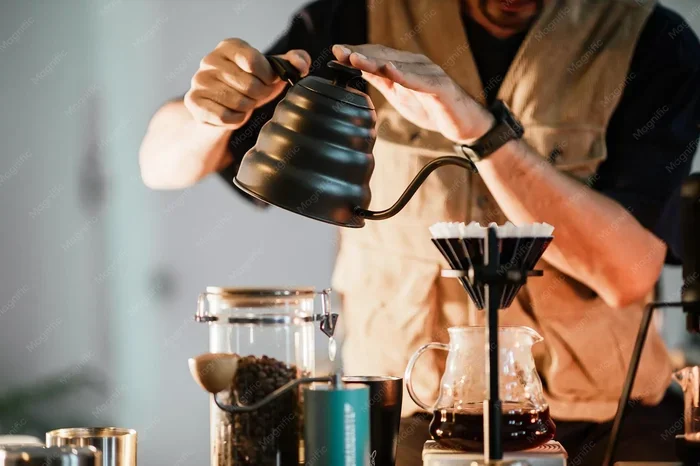
Consistent water temperature throughout the brew is key. If the water cools down too much in the middle of the process, your coffee extraction will be uneven. Some brewers use a gooseneck kettle to maintain control over the flow and temperature.
Another trick is to preheat your brewer and mug with hot water before you start. This keeps the whole setup warm and helps maintain the right temperature during the entire brewing time. Small details like this make a big difference in the final coffee taste.
Getting the Right Coffee-to-Water Ratio
The ratio of coffee grounds to water is the foundation of every great cup. The standard ratio is 1:15 to 1:17. That means 1 gram of coffee for every 15 to 17 milliliters of water.
If you like stronger coffee strength, try a 1:15 ratio. If you prefer a lighter and more delicate cup, go with 1:17. Experiment with different ratios to find your perfect balance. Keeping notes of what you try helps you repeat your favorite coffee recipe every time.
Adjusting Coffee Strength and Flavor
Want to change the coffee flavor profile? Try different beans. Light roasts bring out fruity and floral notes. Medium roasts offer balanced and nutty flavors. Dark roasts give you bold and smoky coffee taste.
You can also adjust the grind size to change the coffee strength. A slightly finer grind will extract more flavor and make a stronger cup. A coarser grind will produce a lighter and more delicate brew. Just remember to make small changes at a time so you can pinpoint what you like best.
Slow Drip Coffee Versus Other Brewing Methods
Slow drip coffee holds a special place in the world of coffee brewing methods. It is different from almost every other popular method, and that is what makes it so appealing. Let us compare it to a few other favorites.
Slow Drip Coffee Versus Pour Over Coffee
Pour over coffee is a popular home brewing method where you manually pour hot water over grounds in a filter. The process takes about three to five minutes. Slow drip coffee takes much longer, usually two to four hours.
The longer brew time of slow drip coffee creates a smoother and more mellow coffee flavor. Pour over coffee can be brighter and more acidic because the water moves through faster. Both methods produce clean cups, but slow drip is gentler on the stomach and less bitter.
If you want a quick morning cup, pour over is faster. If you want a rich and smooth brew that develops over time, slow drip is the way to go. Some people even use their drip coffee maker for both methods depending on their mood.
Slow Drip Coffee Versus Cold Brew Coffee
Cold brew coffee steeps grounds in room temperature or cold water for 12 to 24 hours. It produces a very smooth and low-acid concentrate. Slow drip coffee can be made hot or cold and takes only a fraction of the time.
The coffee extraction process is different too. Cold brew relies on time and cold water to dissolve compounds slowly. Slow drip uses warm water and gravity to pull out flavor. The result is a cup that has more complexity and depth than cold brew but is still smooth and easy to drink.
For those who want to explore different brewing styles, you might enjoy learning how to make espresso using a coffee maker as another comparison point. Each method brings something unique to the table, and slow drip sits in a wonderful middle ground.
Slow Drip Coffee Versus Espresso
Espresso uses high pressure to force water through very fine grounds in about 25 to 30 seconds. The result is a concentrated and intense shot. Slow drip coffee takes hours and produces a much larger, milder cup.
Espresso is bold and intense, while slow drip is smooth and layered. If you find espresso too strong or harsh, slow drip coffee might be your new favorite method. The gentle extraction brings out sweetness and balance without the bitterness that some people experience with espresso.
Common Mistakes To Avoid When Making Slow Drip Coffee
Even the best home brewing setup can produce bad coffee if you make a few common errors. Here are the mistakes to watch out for when making slow drip coffee.
Using the Wrong Grind Size
This is the number one mistake people make. Using a grind that is too fine will clog the filter and slow the drip to a crawl. The coffee will be over-extracted and taste bitter. A grind that is too coarse will let water pass through too quickly, leaving you with weak and sour coffee taste.
Always use a coarse grind for slow drip coffee. Think sea salt texture. If your coffee tastes bitter, try grinding a bit coarser next time. If it tastes weak or sour, go slightly finer. Small adjustments make a big difference in the final coffee flavor.
Rushing the Brewing Process
Slow drip coffee is all about patience. If you try to speed things up by using hot water or a finer grind, you will lose the smooth and balanced qualities that make this method special.
Give the water time to interact with the coffee grounds. The long brewing time is not a drawback, it is the whole point. Embrace the process and let the machine do the work. The reward is a cup of coffee that is smooth, sweet, and full of coffee aroma.
Ignoring Water Quality
Water makes up over 98 percent of your cup of coffee. If your water tastes bad, your coffee will too. Always use filtered water for the best results. Avoid distilled water because it lacks the minerals that help with coffee extraction.
The ideal water has a balanced mineral content. This helps bring out the best coffee taste from your beans. If you have ever wondered why your home brewed coffee does not taste as good as coffee shop coffee, the water quality might be the answer.
Not Keeping Your Equipment Clean
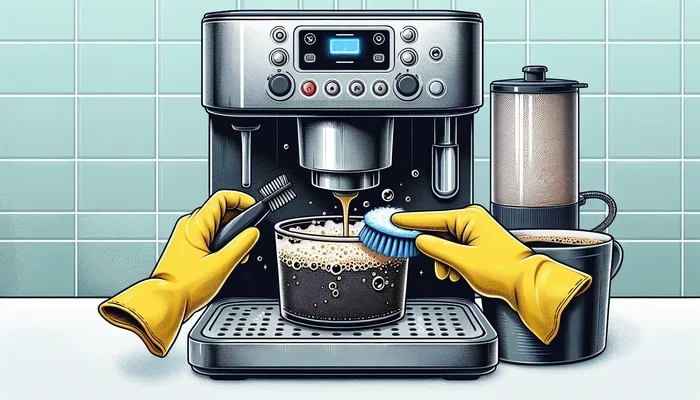
Old oils and residue build up in your drip coffee maker over time. This can make your coffee flavor taste stale or rancid. Clean your equipment after every use and do a deep clean at least once a week.
Run a cycle with just water and a splash of white vinegar to remove buildup. This keeps your brewer in top shape and ensures every cup of slow drip coffee tastes fresh and clean.
Conclusion: Start Your Slow Drip Coffee Journey Today
Slow drip coffee is one of the most rewarding coffee brewing methods you can try at home. It is simple, forgiving, and produces a cup that is smooth, rich, and full of flavor. Whether you are drinking it hot in the morning or over ice in the afternoon, slow drip coffee never disappoints.
The key is to start with good beans, use the right grind size, and be patient during the brewing time. Do not be afraid to experiment with ratios, water temperature, and different bean origins. Every batch is a chance to learn and refine your barista techniques at home.
If you are curious about how other brewing methods compare, you might enjoy reading about why instant coffee affects digestion differently compared to slower brewing methods like slow drip. Understanding how different coffee types affect your body can help you choose the best method for your lifestyle.
Grab your coffee grounds, heat up some water, and give slow drip coffee a try today. Your morning routine will never be the same. The smooth, rich, and aromatic cup you create at home will make every sip worth the wait.
Frequently Asked Questions
Can I Use a Regular Drip Coffee Maker for Slow Drip Coffee?
Yes, you can. A regular drip coffee maker works for slow drip coffee as long as you use a coarse grind and allow the full cycle to run. Some machines have a slow brew setting that is perfect for this method. The key is to let the water interact with the grounds long enough to extract the full coffee flavor.
How Long Does Slow Drip Coffee Take to Brew?
The total brewing time for slow drip coffee is usually between two and four hours. This depends on your equipment, the grind size, and the coffee-to-water ratio. A coarser grind and slower drip rate will take closer to four hours, while a slightly finer grind may finish in about two hours.
Is Slow Drip Coffee the Same as Cold Brew?
No, they are different. Cold brew coffee steeps grounds in cold water for 12 to 24 hours. Slow drip coffee can be made with warm or hot water and takes only a few hours. Both are smooth and low in acidity, but slow drip has a more complex coffee taste because of the warm water extraction.
What Kind of Coffee Beans Work Best for Slow Drip?
Medium to dark roast beans are ideal for slow drip coffee. They bring out chocolatey, nutty, and caramel notes that complement the long extraction process. Freshly roasted beans give the best coffee aroma and flavor. Always buy whole beans and grind them just before brewing for the best results.
Can I Make Slow Drip Coffee Without Special Equipment?
Yes, you can make a simple slow drip coffee setup using a pour-over dripper, a filter, and a mug. You just need to control the water flow so it drips slowly through the coffee grounds. A drip coffee maker makes the process easier, but it is not required. The most important thing is the coarse grind and the patience to let it drip slowly.
How Should I Store Leftover Slow Drip Coffee?
Let the coffee cool to room temperature and then store it in an airtight container in the refrigerator. It will keep well for up to three days. You can reheat it gently or pour it over ice for a refreshing cold drink. Avoid storing it in the carafe of your machine for more than an hour, as the coffee taste will start to degrade.