How To Make Costa Coffee At Home With These Easy Steps
Making Costa Coffee at home is easier than you think. You just need a few ingredients, the right technique, and a little practice. This guide walks you through every step to get that authentic Costa taste in your own kitchen. You will learn the best beans, the perfect milk froth, and pro tips to level up your coffee game.
There is something special about walking into a Costa Coffee and smelling that rich, roasted aroma. But did you know you can recreate that magic right in your own kitchen? Making Costa Coffee at home is not as hard as it sounds. With the right ingredients and a few simple steps, you can enjoy a barista-quality cup any time you want. This guide will show you exactly how to do it.
Whether you prefer a hot espresso-based drink or a refreshing iced coffee, we have got you covered. You will learn about the best beans, the proper way to froth milk, and easy recipes you can start trying today. How To Make Costa Coffee at home is all about getting the basics right and then adding your own personal touch. Let us dive in and get you brewing.
Key Takeaways
- Use freshly ground beans: Freshly roasted coffee beans make a huge difference in flavor and aroma.
- Master the milk froth: Steamed milk with a creamy foam is what sets Costa Coffee apart from regular brews.
- Try different variations: From iced coffee to flavored lattes, there are many ways to enjoy Costa-style drinks at home.
- Avoid common mistakes: Using the wrong water temperature or old beans can ruin your coffee.
- Clean your equipment: A clean coffee maker or espresso machine keeps your coffee tasting fresh every time.
- You do not need expensive gear: A simple stovetop moka pot or French press can get you close to the Costa experience.
📑 Table of Contents
What Makes Costa Coffee So Special
Costa Coffee has built a loyal following for good reason. Their drinks have a signature taste that is bold, smooth, and full of flavor. But what exactly gives Costa Coffee that distinctive edge? The answer lies in a few key factors that you can replicate at home.
First, Costa uses a special blend of Arabica and Robusta beans. This blend creates a balanced cup with enough caffeine to wake you up and enough sweetness to keep things smooth. Second, they pay close attention to the roasting process. The beans are roasted to a medium-dark level, which brings out deep chocolate and caramel notes. Finally, Costa baristas are trained to steam milk to the perfect temperature, creating a velvety foam that pairs beautifully with espresso.
The Role of Coffee Beans
Your choice of beans is the single most important factor in making great coffee at home. Costa Coffee uses a proprietary blend, but you can find similar medium-dark roast blends at most grocery stores or online. Look for beans that are roasted within the last two weeks. Fresh beans give you the best flavor and a richer aroma.
Here are some tips for choosing the right beans:
- Pick beans labeled “medium-dark roast” for the closest match to Costa’s profile.
- Buy whole beans and grind them just before brewing for maximum freshness.
- Look for beans from Colombia, Brazil, or Ethiopia for a smooth, balanced taste.
- Avoid pre-ground coffee if possible, as it loses flavor quickly.
Why Milk Froth Matters So Much
If you have ever had a Costa latte, you know the milk is not just heated. It is steamed to create a thick, creamy microfoam. This frothy layer sits on top of the drink and gives it that luxurious mouthfeel. Getting the milk froth right at home can be the difference between a good coffee and a great one.
Whole milk works best for frothing because it has the right balance of fat and protein. You can also use oat milk or almond milk if you prefer a dairy-free option. The key is to heat the milk to about 150 to 155 degrees Fahrenheit and create small, consistent bubbles. A handheld milk frother or a steam wand on an espresso machine makes this job much easier.
Ingredients You Need For Homemade Costa Coffee
Before you start brewing, make sure you have everything you need. The great thing about making Costa Coffee at home is that you do not need a long list of fancy ingredients. Here is what you will need for a basic Costa-style latte:
- Freshly roasted coffee beans: About 18 to 20 grams for a double shot of espresso.
- Whole milk: Around 6 to 8 ounces for a standard latte size.
- Water: Use filtered water for the cleanest taste.
- Coffee grinder: A burr grinder gives you the most consistent grind.
- Espresso machine or moka pot: You need a way to extract a strong shot of espresso.
- Milk frother or steam wand: This creates the creamy foam that makes Costa Coffee so special.
- Coffee syrup (optional): Vanilla, caramel, or hazelnut syrup adds a sweet twist.
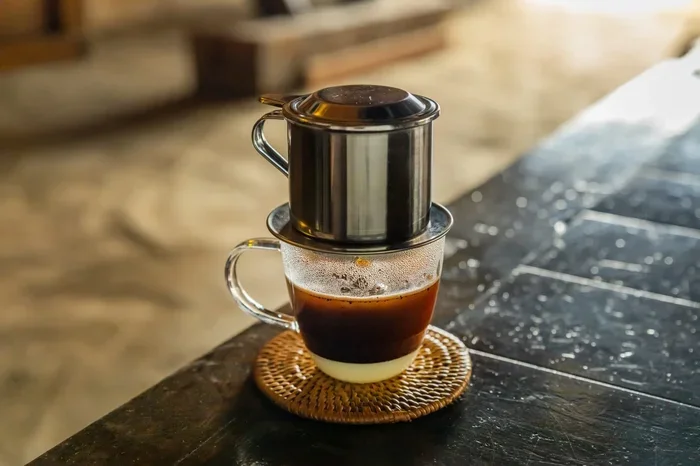
Having the right tools makes a big difference. If you do not have an espresso machine, a moka pot on the stovetop works well too. It produces a strong, concentrated brew that is close to espresso. You can also use a French press if that is all you have. The goal is to get a rich, bold base for your drink.
Step-by-Step Instructions To Make Costa Coffee
Now that you have your ingredients and tools ready, let us walk through the process. Follow these steps carefully, and you will be sipping on a homemade Costa Coffee in no time.
Step 1: Grind Your Coffee Beans
Start by grinding your coffee beans to a fine consistency. The grind should be similar to table salt, not as powdery as flour and not as coarse as sea salt. A fine grind allows the water to extract the maximum flavor from the beans during brewing.
Measure out about 18 to 20 grams of beans for a double shot. If you do not have a scale, two tablespoons of ground coffee is a good starting point. Always grind the beans just before brewing to preserve the freshness and aromatic oils.
Step 2: Brew Your Espresso
Next, it is time to brew the espresso. If you have an espresso machine, tamp the ground coffee firmly into the portafilter and lock it in. Pull a double shot, which should take about 25 to 30 seconds. The espresso should flow like warm honey and have a rich, golden crema on top.
If you are using a moka pot, fill the bottom chamber with water up to the valve, add the ground coffee to the filter basket, and screw the top on. Place it on medium heat and wait for the coffee to start flowing into the top chamber. Remove it from the heat as soon as you hear a hissing sound.
For those using a French press, add the ground coffee to the press, pour in hot water that is just off the boil, and let it steep for four minutes. Press the plunger down slowly and evenly. The result will be a strong, full-bodied brew that works perfectly as a base for your Costa-style drink.
Step 3: Steam and Froth the Milk
Pour your milk into a metal frothing pitcher. If you have a steam wand, insert it just below the surface of the milk and turn it on. You should hear a gentle hissing sound as air gets into the milk. Keep the pitcher moving in a circular motion to create even, tiny bubbles.
Once the milk has doubled in volume and feels warm to the touch, lower the steam wand slightly to heat the milk to the right temperature. The ideal temperature is between 150 and 155 degrees Fahrenheit. If you do not have a steam wand, you can heat the milk on the stove and then use a handheld frother to whip it into a creamy foam.
Tap the pitcher gently on the counter to remove any large bubbles, then swirl the milk to create a glossy, smooth texture. This silky foam is what will top your Costa Coffee and give it that professional finish.
Step 4: Combine and Serve
Pour the freshly brewed espresso into your favorite coffee mug. Then, slowly pour the steamed milk over the espresso, holding back the foam with a spoon. Once the mug is about three-quarters full, spoon the remaining foam on top.
If you want to add flavor, now is the time. A pump or two of vanilla syrup, caramel sauce, or hazelnut flavoring can transform your drink. For an iced version, let the espresso cool first, then pour it over ice and add cold milk and your favorite syrup.
Step 5: Clean Your Equipment
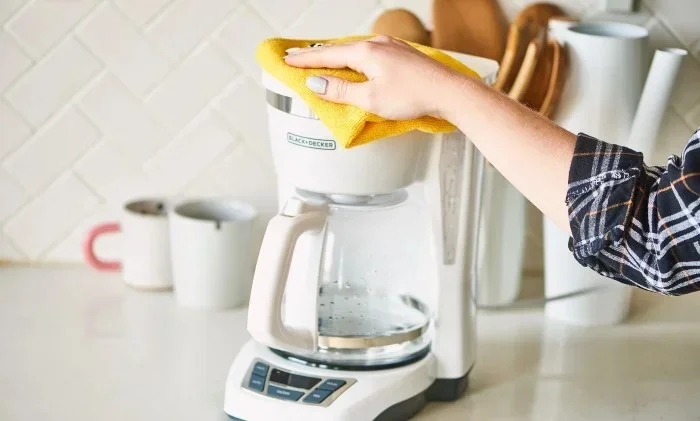
After you have enjoyed your coffee, take a moment to clean your equipment. Rinse the portafilter, wipe down the steam wand, and wash your frothing pitcher. Keeping your gear clean ensures that your next cup tastes just as good. If you need to deep clean other kitchen appliances, you can learn how to clean an oven with dishwasher tablet without scrubbing for an easy and effective solution.
Costa Coffee Variations You Can Try At Home
Once you have mastered the basic Costa latte, you can start experimenting with different variations. Here are some popular Costa-style drinks you can make right at home:
- Costa Iced Coffee: Brew a strong espresso, let it cool, and pour it over a full glass of ice. Add cold milk and caramel syrup for a refreshing summer drink.
- Costa Caramel Latte: Add a generous pump of caramel syrup to the espresso before pouring in the steamed milk. Top with whipped cream for a treat.
- Costa Vanilla Late: Swap caramel for vanilla syrup. This is one of the most popular orders at Costa Coffee shops.
- Costa Flat White: Use a ristretto shot (a shorter, more concentrated espresso) and a thinner layer of microfoam. This creates a stronger, smoother drink.
- Costa Hot Chocolate: Replace the espresso with hot chocolate mix and top with marshmallows for a cozy dessert drink.
Each variation gives you a different flavor experience while still keeping that signature Costa taste. The beauty of making coffee at home is that you can customize everything to your liking. Want less sugar? Skip the syrup. Want extra foam? Froth more milk. The choice is yours.
Setting Up Your Coffee Station
Having a dedicated coffee station in your kitchen can make the whole process smoother and more enjoyable. Keep your beans, grinder, espresso machine, and milk frother all within easy reach. A clean, organized setup helps you move through each step without any hassle.
If you use a Krups coffee machine or toaster oven combo, make sure you know how to set the clock on your Krups toaster oven so your machine is always ready to go at the right time. A well-organized coffee station turns your daily routine into something you actually look forward to.
Expert Tips For The Perfect Cup Every Time
Making great coffee at home takes practice, but a few expert tips can speed up your learning curve. Here are some insights from professional baristas that will help you get closer to that perfect Costa-style cup:
- Always use fresh, filtered water. The water you use makes up over 90 percent of your coffee. If your tap water tastes off, your coffee will too. Use filtered water for the cleanest flavor.
- Dial in your grind size. If your espresso tastes bitter, try a coarser grind. If it tastes sour or weak, go finer. Small adjustments make a big difference.
- Preheat your mug. Pour a little hot water into your mug before brewing and swirl it around. This keeps your coffee at the right temperature for longer.
- Measure everything. Consistency is key. Use a kitchen scale to measure your coffee grounds and water. If you want to learn more about precision measuring, check out how to measure a toaster oven for accurate kitchen measurements.
- Practice your milk technique. Frothing milk takes practice. Do not get discouraged if your first few attempts are not perfect. Keep trying and you will get there.
- Store your beans properly. Keep coffee beans in an airtight container away from light and heat. Never store them in the fridge, as moisture can ruin the flavor.
Timing Is Everything
The timing of each step matters more than most people realize. The espresso extraction should take about 25 to 30 seconds. The milk should be heated to no more than 155 degrees Fahrenheit, because too much heat burns the milk and ruins the sweetness. And your coffee should be enjoyed within two to three minutes of brewing, when the flavors are at their peak.
These small details add up to a big difference in the final cup. Once you start paying attention to timing, you will notice an immediate improvement in your coffee. It is like the difference between a rushed meal and a carefully prepared one.
Common Mistakes And How To Fix Them
Even experienced home baristas make mistakes. The good news is that most common problems are easy to fix. Here are some errors to watch out for and how to correct them:
- Using stale beans: Old beans lose their flavor and aroma. Always check the roast date and buy beans that were roasted within the last two weeks.
- Grinding too fine or too coarse: The wrong grind size leads to over-extraction or under-extraction. Adjust your grinder until the espresso tastes balanced.
- Burning the milk: Overheated milk tastes flat and burnt. Keep a close eye on the temperature and remove the milk from heat as soon as it is hot enough.
- Skipping the cleaning: Residue from previous brews can taint the flavor of your next cup. Clean your equipment after every use.
- Not using enough coffee: A weak shot of espresso usually means you used too little coffee. Stick to the recommended ratio of 18 to 20 grams for a double shot.
By avoiding these mistakes, you will be well on your way to making coffee that rivals your favorite Costa Coffee shop. Remember, every cup you brew is a chance to improve and refine your technique.
Final Thoughts On Making Costa Coffee At Home
Making Costa Coffee at home is a rewarding experience that saves you money and gives you full control over every cup. You do not need expensive equipment or years of training. With fresh beans, the right technique, and a little patience, you can enjoy a delicious Costa-style drink whenever you want.
Start with the basic latte recipe and then branch out to iced versions, flavored drinks, and flat whites. Each new recipe you try will teach you something new and bring you closer to mastering the art of homemade Costa Coffee. The journey is just as enjoyable as the destination.
So go ahead, gather your ingredients, and give it a try. Your kitchen is about to become your very own Costa Coffee. Once you get the hang of it, you will never want to go back to waiting in line again. How To Make Costa Coffee at home is a skill you will enjoy for the rest of your life.
Frequently Asked Questions
Can I Make Costa Coffee Without an Espresso Machine?
Yes, you absolutely can. A moka pot or a French press can produce a strong brew that works as a base for Costa-style drinks. While the texture will not be exactly the same as a true espresso shot, the flavor will still be rich and satisfying. The most important thing is to use freshly ground beans and hot water.
What Type of Milk Works Best for Costa Coffee?
Whole milk creates the creamiest froth and the most balanced flavor, which is why it is the standard choice at Costa Coffee shops. However, oat milk and almond milk are excellent alternatives if you are lactose intolerant or prefer a dairy-free option. Oat milk in particular froths very well and has a naturally sweet taste that pairs beautifully with espresso.
How Long Does It Take to Make Costa Coffee at Home?
A typical Costa Coffee drink takes about five to ten minutes to make from start to finish. This includes grinding the beans, brewing the espresso, frothing the milk, and combining everything together. Once you get comfortable with the process, you can cut that time down even further.
Can I Make Costa Coffee Using a Drip Coffee Maker?
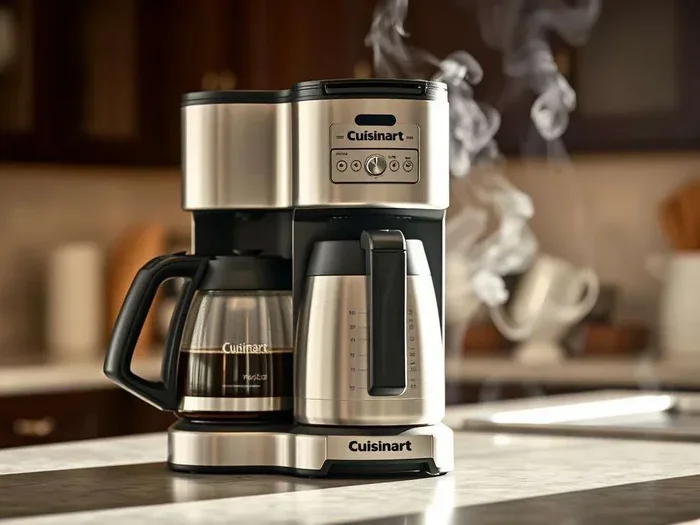
You can, but the result will be different from a traditional Costa latte. A drip coffee maker produces a lighter brew that lacks the concentrated crema of espresso. If you use a drip machine, try using a darker roast and a stronger coffee-to-water ratio to get closer to the Costa flavor profile. You will still get a delicious cup of coffee.
Is Making Costa Coffee at Home Cheaper Than Buying It?
Making coffee at home is significantly cheaper in the long run. A bag of quality coffee beans and a liter of milk can make multiple drinks for a fraction of what you would pay at a coffee shop. Over time, the savings add up considerably, especially if you drink coffee every day.
Can I Use Decaf Beans to Make Costa Coffee?
Yes, you can use decaf beans if you want to enjoy the taste of Costa Coffee without the caffeine. The flavor profile will be very similar since the roasting and blending process is the same. Decaf Costa-style coffee is a great option for evening drinks or for people who are sensitive to caffeine.
=== CONCLUSION ===
How To Make Costa Coffee at home is a skill that anyone can learn with a little practice and the right guidance. From choosing the perfect beans to mastering the milk froth, each step brings you closer to that authentic Costa taste you love. The process is simple, the ingredients are easy to find, and the results are incredibly satisfying.
Start with the basic recipe, experiment with different variations, and soon you will be making coffee that rivals your favorite Costa Coffee shop. The best part is that you get to customize every cup to your exact preferences. Whether you like it hot or iced, sweet or plain, the choice is completely yours. So grab your beans, fire up your coffee maker, and start brewing your perfect cup today.