Does Coffee Make Everyone Poop Heres the Real Answer
Coffee makes many people poop, but not everyone. The caffeine, acids, and hormones in coffee stimulate your colon and speed up digestion. Some people feel the effects within minutes, while others notice nothing at all. Genetics, gut health, and tolerance all play a role.
You sip your morning coffee, and within minutes, your stomach starts gurgling. You rush to the bathroom. Sound familiar? You are not alone. Millions of people experience the coffee and digestion connection every single day. But here is the big question: does coffee make everyone poop?
The short answer is no. Coffee does not make everyone poop. However, it does affect a large percentage of people. The laxative effect of coffee is real, but it varies from person to person. Some people feel the urge almost immediately. Others drink coffee all day and never visit the bathroom because of it.
In this article, we will explore the real science behind why coffee makes you poop. We will look at what happens inside your gut, who is most affected, and what you can do about it. Whether you love your daily brew or you are just curious, this guide has everything you need. Let us get into it.
Key Takeaways
- Coffee stimulates bowel movements: Caffeine and coffee acids trigger colon contractions that push waste through your digestive tract faster.
- Not everyone reacts the same way: Genetics, gut microbiome, and caffeine tolerance determine whether coffee makes you poop.
- Decaf coffee has a similar effect: Even without caffeine, coffee’s natural acids and compounds can stimulate your bowels.
- Timing matters: The gut is most active in the morning, so coffee hits harder on an empty stomach.
- Too much coffee can cause problems: Overconsumption leads to cramping, diarrhea, and dehydration.
- You can manage the effect: Eating food with your coffee, switching to low-acid blends, and staying hydrated help reduce urgency.
📑 Table of Contents
- Why Does Coffee Make You Poop?
- Does Coffee Make Everyone Poop the Same Way?
- What About Decaf Coffee?
- When Does Coffee Affect Your Bowels the Most?
- Can Too Much Coffee Cause Digestive Problems?
- How to Reduce Coffee’s Laxative Effect
- Who Should Be Careful With Coffee and Digestion?
- The Science Behind Coffee and Gut Motility
- Common Mistakes People Make With Coffee and Digestion
- Quick Tips for a Happy Gut and Happy Coffee Habit
- Conclusion
Why Does Coffee Make You Poop?
Coffee is one of the most popular drinks in the world. Billions of people drink it every day. But very few understand what it does to their digestive system. The coffee laxative effect is not just a myth. Science backs it up with real mechanisms.
The Role of Caffeine
Caffeine is the most well-known compound in coffee. It is a stimulant. That is why it wakes you up. But it does not just stimulate your brain. It also stimulates your gut motility. Gut motility is the movement of food through your digestive tract.
When caffeine enters your system, it triggers the muscles in your colon to contract. These contractions push waste toward the exit. The result? A bowel movement. Studies have shown that caffeine increases colon activity by about 60 percent compared to drinking water.
But caffeine is not the only player. Coffee contains hundreds of other compounds that affect digestion. Let us look at those next.
Coffee Acids and Stomach Acid Production
Coffee is naturally acidic. It contains chlorogenic acid, quinic acid, and citric acid. These compounds increase the production of stomach acid. More stomach acid means faster digestion. And faster digestion often means a trip to the bathroom.
When your stomach is full of acid, it signals your intestines to get moving. This is especially true on an empty stomach. That is why many people feel the urge to poop right after their first cup of morning coffee.
Hormonal Responses
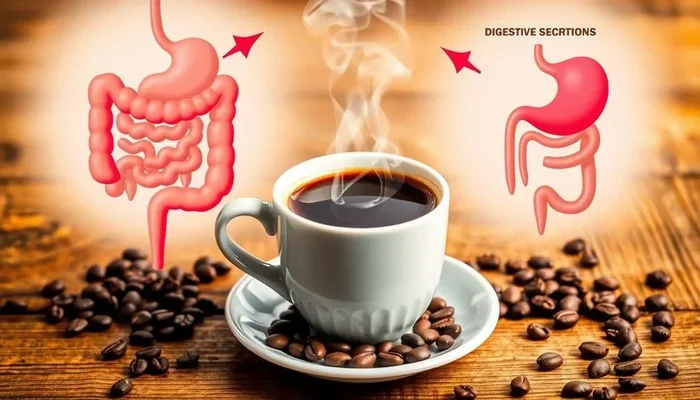
Coffee triggers the release of certain hormones in your gut. One of the most important is cholecystokinin, also called CCK. This hormone stimulates both the stomach and the colon. It tells your body that food is coming in and that it needs to move things along.
Another hormone affected by coffee is gastrin. Gastrin speeds up gastric emptying. This means your stomach dumps its contents into the small intestine faster than usual. The chain reaction leads to increased bowel activity.
Gut hormones play a huge role in how your body responds to coffee. And everyone’s hormonal balance is different. That is a big reason why some people are more affected than others.
Does Coffee Make Everyone Poop the Same Way?
No, it does not. The coffee and bowel movements connection is not universal. People react to coffee in very different ways. Several factors determine how your body responds.
Genetics and Gut Sensitivity
Your genes play a major role in how your digestive system handles coffee. Some people have more sensitive colons. Their gut muscles react strongly to even small amounts of caffeine. Others have less sensitive digestive tracts. Coffee barely affects them.
Your gut microbiome also matters. The trillions of bacteria in your intestines influence how you digest food and drinks. People with a diverse and healthy gut microbiome may process coffee differently than those with an imbalanced gut.
Caffeine Tolerance
If you drink coffee every day, your body builds a tolerance. Regular coffee drinkers often experience a weaker laxative effect over time. Your colon becomes less reactive to caffeine. This does not mean coffee has no effect. It just means the effect is reduced.
On the other hand, occasional coffee drinkers or people who rarely consume caffeine may feel a much stronger reaction. Their bodies are not used to the stimulant, so everything kicks into high gear.
Gender Differences
Research suggests that women may be more affected by coffee’s laxative properties than men. One study found that coffee stimulated bowel movements in 29 percent of women but only 19 percent of men. The reasons are not fully clear, but hormonal differences likely play a role.
Age and Digestive Health
Younger people tend to have faster metabolisms and more active digestive systems. As we age, gut motility naturally slows down. Older adults may not feel the same urgency after drinking coffee. However, people with existing digestive conditions like IBS or irritable bowel syndrome may find that coffee worsens their symptoms significantly.
What About Decaf Coffee?
Here is a surprise for many people. Decaf coffee can also make you poop. Yes, even without caffeine. This proves that caffeine is not the only factor at play.
Decaf coffee still contains coffee acids and other bioactive compounds. These compounds stimulate the stomach and colon in their own way. Studies have shown that decaf coffee increases stomach acid production just like regular coffee does.
So if you switch to decaf thinking it will solve your bathroom problems, think again. The coffee laxative effect is not entirely caffeine-driven. It is the whole coffee package.
Why Does Decaf Still Have an Effect?
Coffee beans contain thousands of chemical compounds. Many of these compounds interact with your gut receptors. N-alkanoyl-5-hydroxytryptamides, for example, stimulate stomach acid release. This happens regardless of caffeine content.
Your body does not distinguish between regular and decaf when it comes to these compounds. The digestive response is similar in both cases. This is why decaf coffee still triggers bowel movements in many people.
When Does Coffee Affect Your Bowels the Most?
Timing plays a huge role in how coffee affects your digestive system. The same cup of coffee can have different effects depending on when you drink it and what you eat with it.
Morning Coffee on an Empty Stomach
Most people drink their first cup of coffee in the morning. And most people drink it on an empty stomach. This is when coffee has the strongest effect on your bowels.
Your body is already primed for digestion in the morning. The gastrocolic reflex is most active after waking up. This reflex tells your colon to move waste after food enters the stomach. Coffee amplifies this reflex dramatically.
Drinking coffee first thing in the morning without eating anything is a recipe for urgency. The acid hits your empty stomach, the colon contracts, and you know what happens next.
Coffee After Meals
Drinking coffee after a meal can also stimulate bowel movements. The combination of food and coffee acids speeds up digestion. Your stomach processes the meal faster, and your intestines respond by pushing waste through.
This is why many people feel the need to go after their morning routine of coffee with breakfast. The meal starts the process, and coffee accelerates it.
Coffee Between Meals
Drinking coffee between meals on an empty stomach can be even more intense than morning coffee. There is no food to buffer the acids. The stomach lining is directly exposed. This can cause cramping and urgency in sensitive individuals.
If you drink coffee between meals, consider pairing it with a small snack. Even a piece of toast can help. You could even try making toast in the oven without a toaster to pair with your afternoon cup. The bread helps absorb some of the excess stomach acid and reduces the laxative effect.
Can Too Much Coffee Cause Digestive Problems?
Moderate coffee consumption is generally safe for most people. But too much coffee can cause real digestive problems. The coffee and gut health balance is important to understand.
Diarrhea and Cramping
Drinking more than four cups of coffee a day can lead to diarrhea. The excessive caffeine overstimulates your colon. Water moves too quickly through your intestines. Your body does not have enough time to absorb water properly. The result is loose, watery stools.
Cramping often accompanies diarrhea. The muscles in your colon spasm when they are overstimulated. This can be painful and uncomfortable.
Acid Reflux and Heartburn
Coffee relaxes the lower esophageal sphincter. This is the muscle that keeps stomach acid from flowing back into your esophagus. When this muscle relaxes, acid escapes. You get heartburn and acid reflux.
People who already suffer from GERD or gastroesophageal reflux disease should be especially careful with coffee. It can make their symptoms much worse.
Dehydration Risk
Coffee is a mild diuretic. It makes you urinate more frequently. If you drink a lot of coffee and do not drink enough water, you can become dehydrated. Dehydration affects your digestive system too. It can lead to constipation, which is the opposite of what coffee usually causes.
The key is balance. Drink water alongside your coffee. For every cup of coffee, have a full glass of water.
How to Reduce Coffee’s Laxative Effect
If coffee makes you poop too often or too urgently, you are not stuck with it. There are several strategies you can use to reduce the effect. Here are some practical tips.
- Eat before you drink: Never drink coffee on an empty stomach. Food buffers the acids and slows down digestion.
- Choose low-acid coffee: Some coffee brands offer low-acid options. These are gentler on your stomach and less likely to trigger bowel urgency.
- Switch to cold brew: Cold brew coffee is less acidic than hot brewed coffee. It can reduce stomach irritation and the laxative effect.
- Limit your intake: Stick to one or two cups a day. More than that increases the risk of digestive discomfort.
- Stay hydrated: Drink plenty of water throughout the day. This helps balance the diuretic effect of coffee.
- Try half-caf: Mixing regular and decaf coffee reduces your caffeine intake while still giving you the flavor you love.
- Pair coffee with fiber: Foods like oatmeal, fruit, or whole-grain bread slow digestion and reduce urgency.
Small changes can make a big difference. You do not have to give up your favorite drink. You just need to be smarter about how you enjoy it.
Who Should Be Careful With Coffee and Digestion?
Not everyone should drink coffee without caution. Certain groups of people need to be more mindful of how coffee affects their digestive system.
- People with IBS: Irritable bowel syndrome makes your gut extra sensitive. Coffee can trigger flare-ups, cramping, and diarrhea.
- Pregnant women: High caffeine intake during pregnancy is not recommended. It can also increase stomach acid and cause discomfort.
- People with acid reflux: Coffee worsens GERD symptoms. It relaxes the sphincter and increases acid production.
- Older adults: Aging slows down digestion. Coffee can either speed things up too much or cause dehydration that leads to constipation.
- People with anxiety: Caffeine can worsen anxiety, and stress directly affects gut health. The gut-brain connection is real.
If you fall into any of these categories, talk to your doctor about your coffee habits. They can help you find the right balance for your body.
The Science Behind Coffee and Gut Motility
Let us look at the science a bit deeper. Gut motility refers to the contractions that move food through your digestive system. These contractions are called peristalsis. They are involuntary and automatic.
Coffee increases the frequency and strength of these contractions. Research published in the journal Gut found that coffee stimulates the colon similarly to a meal. The effect is even stronger than drinking plain water or decaffeinated coffee in some cases.
The colon is a muscular tube. When it contracts, it pushes contents forward. Coffee triggers these contractions through multiple pathways. Caffeine stimulates the nervous system. Coffee acids stimulate stomach receptors. Hormones like CCK and gastrin coordinate the response.
This is a coordinated process. Your body is not just reacting to coffee randomly. It is following a complex set of signals. And the speed and strength of those signals vary from person to person.
Interestingly, the coffee gut response starts in the stomach and works its way down. The stomach signals the small intestine, which signals the large intestine. By the time the signal reaches the colon, you feel the urge to go.
This entire process can happen in as little as four minutes after drinking coffee. That is how fast your body responds. It is no wonder so many people feel the need to rush to the bathroom right after their morning brew.
Common Mistakes People Make With Coffee and Digestion
Many people unknowingly make mistakes that worsen coffee’s digestive effects. Here are some common ones to avoid.
Drinking Coffee Before Breakfast
Drinking coffee before eating anything is one of the worst things you can do for your stomach. The acids hit an empty stomach lining. This can cause irritation, cramping, and urgent bowel movements. Always eat something first, even if it is just a small snack.
Adding Too Much Sugar
Sugar can ferment in your gut and cause bloating and gas. When combined with coffee’s laxative effect, this can lead to uncomfortable digestive symptoms. Try reducing your sugar intake or switching to natural sweeteners.
Relying on Coffee for Regularity
Some people drink coffee specifically because it makes them poop. This can become a dependency. Your body may start relying on caffeine to stimulate bowel movements. Over time, you may find it harder to go without coffee. This is not healthy. Your gut should work on its own.
Ignoring Warning Signs
If coffee consistently causes pain, severe cramping, or blood in your stool, do not ignore it. These could be signs of a more serious digestive condition. See a healthcare professional if the symptoms persist.
Quick Tips for a Happy Gut and Happy Coffee Habit
- Drink your coffee with a meal or a snack to buffer stomach acids.
- Choose organic, low-acid coffee brands when possible.
- Limit your daily intake to two to three cups maximum.
- Drink a glass of water for every cup of coffee you consume.
- Listen to your body. If coffee makes you feel terrible, consider cutting back.
- Try herbal alternatives like chicory root coffee for a similar flavor without the laxative effect.
Your coffee routine should be enjoyable, not stressful. Small adjustments can help you keep your daily brew without the bathroom urgency.
Conclusion
So, does coffee make everyone poop? The answer is no, but it does affect a large number of people. The laxative effect of coffee comes from caffeine, coffee acids, and gut hormones working together. These compounds stimulate your colon and speed up digestion. But your individual response depends on genetics, tolerance, gut health, and how you drink your coffee.
Not everyone will feel the urge after a cup. But if you do, you are completely normal. Millions of people experience the same thing. The key is understanding your body and finding the right balance for you.
Whether you drink your coffee first thing in the morning or enjoy it throughout the day, being mindful of how it affects your digestion can make a big difference. Eat before you drink, stay hydrated, and listen to your body. Your morning cup of coffee should be a pleasure, not a race to the bathroom.
Enjoy your coffee. Just enjoy it on your own terms. And if your morning routine includes a warm slice of toast in the oven without a toaster alongside your brew, you are already ahead of the game when it comes to gentle digestion.
Frequently Asked Questions
Why does coffee make me poop but not other people?
Everyone’s digestive system is different. Genetics, gut microbiome, and caffeine tolerance all influence how your body responds to coffee. Some people have more sensitive colons that react strongly to coffee’s acids and compounds, while others have less reactive digestive systems.
Can drinking coffee cause long-term digestive damage?
Moderate coffee consumption is generally safe for most people. However, drinking excessive amounts over a long period can lead to chronic acid reflux, stomach irritation, and dependency on caffeine for bowel regularity. Balance and moderation are key to long-term gut health.
Does the type of coffee matter for its laxative effect?
Yes, it does. Dark roast coffee tends to be less acidic than light roast. Cold brew coffee is also less acidic than hot brewed coffee. Low-acid coffee brands can reduce the digestive impact. The preparation method and bean type both play a role in how your stomach reacts.
Is it normal to poop immediately after drinking coffee?
Yes, it is normal for many people. The gastrocolic reflex and coffee’s stimulation of gut hormones can trigger a bowel movement within minutes. This is especially common when drinking coffee on an empty stomach in the morning.
Does adding milk or cream to coffee reduce its laxative effect?
Milk and cream can slightly buffer the stomach acids in coffee, which may reduce the urgency. However, they do not eliminate the effect entirely. The caffeine and other compounds in coffee still stimulate your colon regardless of what you add to it.
Should I stop drinking coffee if it makes me poop?
Not necessarily. If the effect is mild and not disruptive, you can continue drinking coffee. Try eating before you drink it, reducing your intake, or switching to low-acid or cold brew options. If coffee causes severe pain or digestive issues, consult a healthcare professional for personalized advice.