Can You Boil Coffee Grounds To Make Coffee At Home
Yes, you can boil coffee grounds to make coffee at home. This simple stovetop method creates a strong, full-bodied brew with rich aroma and deep flavor. You will learn the exact steps, the best coffee grounds to use, and how to avoid common pitfalls. Whether you want cowboy coffee or a bold concentrate, boiling grounds works beautifully.
Many coffee lovers wonder if they can boil coffee grounds to make coffee. The answer is a resounding yes. Boiling coffee grounds is one of the oldest brewing methods in the world. People have been making coffee this way for centuries, long before modern drip machines existed. This method goes by many names, including stovetop brewing, cowboy coffee, and Turkish coffee. Each style uses heat to extract flavor directly from the grounds.
If you are curious about boil coffee grounds at home, you are in the right place. This guide covers everything you need to know. We will walk through the science, the step-by-step process, and the best practices. You will also learn about common mistakes and expert tips. By the end, you will feel confident brewing a rich, bold cup on your stovetop.
Boiled coffee is different from drip or French press coffee. The direct contact between water and grounds creates a stronger extraction. This means more oils, more body, and a more intense flavor. Some people love the robust taste, while others prefer a smoother cup. Either way, understanding how to boil coffee grounds gives you another tool in your coffee arsenal.
Key Takeaways
- Boiling coffee grounds is a traditional method that produces a bold, intense cup of coffee.
- Use coarse grounds to prevent over-extraction and excessive bitterness.
- The right water temperature is just below a rolling boil around 200°F for best flavor.
- A Dutch oven or heavy pot works great for even heat distribution.
- Common mistakes include using fine grounds and boiling too long, which leads to harsh flavors.
- Boiled coffee can be diluted or served strong depending on your preference.
- Reusing grounds is possible but yields a weaker second brew.
📑 Table of Contents
- What Happens When You Boil Coffee Grounds?
- How To Boil Coffee Grounds On The Stovetop
- Types Of Coffee Grounds Best Suited For Boiling
- Boiled Coffee Vs Brewed Coffee: A Comparison Table
- Common Mistakes When Boiling Coffee Grounds
- Expert Tips For The Perfect Cup Of Boiled Coffee
- Health Benefits And Risks Of Boiled Coffee
What Happens When You Boil Coffee Grounds?
Boiling coffee grounds changes the extraction process. Hot water breaks down the coffee cells, releasing oils, acids, and caffeine. The longer the grounds stay in hot water, the more compounds dissolve. This is called over-extraction when it goes too far. Under-extraction happens when the water is not hot enough or the time is too short.
The Science Behind Boiling Coffee
When you heat water, it becomes a better solvent. It dissolves flavor compounds faster than room-temperature water. Coffee contains hundreds of soluble compounds. These include citric acid, malic acid, and various aromatic oils. Boiling pulls out more of these compounds than a gentle brew method. The result is a cup with a heavier body and more sediment.
The temperature matters a lot. Water boils at 212°F, but coffee extraction works best at around 200°F. Boiling water can scorch the grounds, creating bitter flavors. This is why many experts recommend bringing water to a boil and then letting it sit for 30 seconds before adding grounds.
Flavor Profile Of Boiled Coffee
Boiled coffee often tastes bold and earthy. It can have a slight smokiness if the grounds are toasted. The body is usually heavier than drip coffee. You may notice more sediment at the bottom of your cup. The aroma is strong and fills the kitchen quickly.
Some people compare boiled coffee to espresso in intensity, but the two are different. Espresso uses pressure to force water through fine grounds. Boiled coffee relies on immersion and heat. Both methods extract deeply, but the texture and crema are absent in boiled coffee.
How To Boil Coffee Grounds On The Stovetop
Boiling coffee grounds on the stovetop is simple and requires minimal equipment. You need a pot, water, coffee grounds, and a heat source. A heavy-bottomed pot works best because it distributes heat evenly. Many people use a Dutch oven for this purpose. If you already own a Dutch oven, you can use it to boil coffee grounds just as you would to cook a ham. Check out our guide on Can You Cook A Ham In A Dutch Oven for tips on using this versatile pot.
The Right Water Temperature
Bring your water to a full boil first. Then remove the pot from the heat for about 30 seconds. This lets the temperature drop to around 200°F. Adding grounds to boiling water can cause over-extraction and bitterness. A slight pause gives you better control.
Coffee To Water Ratio
The standard ratio is two tablespoons of ground coffee per six ounces of water. You can adjust this to your taste. If you like strong coffee, use more grounds. For a milder cup, use fewer. Measuring with a spoon is fine, but a kitchen scale gives more consistency.
Step-By-Step Boiling Method
- Add water to your pot and bring it to a boil.
- Remove the pot from the heat and let it cool for 30 seconds.
- Stir in your coffee grounds gently.
- Let the mixture simmer on low heat for about three to four minutes.
- Do not let it reach a full boil again.
- Remove from heat and let the grounds settle for two minutes.
- Pour the coffee slowly into your cup, leaving the sediment behind.
This method produces a clean, strong cup. The settling step is important because it reduces the amount of grit in your drink.
Quick Tips:
- Use a coarse grind for less sediment.
- Stir once after adding grounds and then leave it alone.
- If you want a stronger brew, let the grounds steep for five minutes instead of three.
- Always use fresh, cold water for the best flavor.
Types Of Coffee Grounds Best Suited For Boiling
Not all coffee grounds work the same way when boiled. The grind size and freshness affect the final cup significantly. Choosing the right grounds helps you avoid bitterness and excessive sediment.
Coarse vs Fine Grind
Coarse grounds are best for boiling. They extract more slowly and produce a cleaner cup. Fine grounds can make the coffee gritty and over-extracted. Think of the grind size similar to what you would use for a French press. Avoid espresso-fine grounds because they will pass through the filter and create a muddy drink.
Fresh vs Pre-Ground Coffee
Freshly ground beans give the best flavor. The oils are more vibrant and the aroma is stronger. Pre-ground coffee works too, but it loses flavor faster. If you use pre-ground, store it in an airtight container. Try to use it within two weeks of opening for the best results.
The roast level also matters. Dark roasts often taste bolder when boiled because the oils are more pronounced. Medium roasts offer a balanced flavor. Light roasts can taste bright and acidic when boiled, which some people enjoy.
Boiled Coffee Vs Brewed Coffee: A Comparison Table
| Feature | Boiled Coffee | Drip Brewed Coffee |
|---|---|---|
| Brew Method | Immersion in boiling water | Hot water drips through filter |
| Brew Time | 5-7 minutes | 4-6 minutes |
| Grind Size | Coarse | Medium |
| Body | Heavy, full | Light to medium |
| Sediment | More sediment | Little to none |
| Flavor Intensity | Bold and strong | Clean and balanced |
| Equipment | Stovetop pot or Dutch oven | Drip machine |
| Best For | Strong, rustic coffee lovers | Everyday convenience |
As you can see, boiled coffee stands out for its intensity. It is a great choice when you want a robust morning cup without a machine. Drip coffee is easier and cleaner, but boiled coffee offers a more traditional experience.
Common Mistakes When Boiling Coffee Grounds
Even though boiling coffee is simple, a few mistakes can ruin the flavor. Avoiding these pitfalls helps you get the best results every time.
- Using boiling water directly on the grounds: This scorches the coffee and creates a bitter taste. Always let the water cool for 30 seconds after boiling.
- Using too fine a grind: Fine grounds will create a gritty, muddy cup. Stick to a coarse grind for a smoother drink.
- Boiling the coffee too long: Letting the grounds simmer for more than five minutes leads to over-extraction. The coffee becomes harsh and astringent.
- Skipping the settling step: Pouring immediately after brewing stirs up all the sediment. Give the grounds two minutes to settle to the bottom.
- Using old or stale grounds: Stale coffee lacks aroma and flavor. Always use fresh grounds for the best boiled coffee.
- Not cleaning the pot properly: Coffee oils build up over time and can turn rancid. Clean your pot thoroughly after each use.
After you finish brewing, it is important to clean your pot properly. If you use a cast iron Dutch oven, you should maintain it correctly. Learn how to cure a cast iron Dutch oven to keep it in top shape and prevent any off-flavors from transferring to your coffee.
Expert Tips For The Perfect Cup Of Boiled Coffee
Getting a perfect cup of boiled coffee takes a little practice. Here are some expert insights to elevate your brew.
Use a coffee-to-water ratio of 1:15. This means one gram of coffee for every 15 grams of water. It gives a balanced strength that you can adjust to your liking.
Add a pinch of salt to the grounds. Salt neutralizes bitterness and enhances the natural sweetness of the coffee. This trick comes from Turkish coffee traditions and works wonders.
Try a second steep for a lighter cup. After you pour your first cup, add hot water to the remaining grounds. This creates a second, milder brew. It is a great way to stretch your coffee without wasting grounds.
Experiment with different roast levels. Dark roasts give a smoky, bold flavor. Medium roasts offer nutty and chocolate notes. Light roasts can surprise you with fruity and floral hints when boiled.
Let the coffee cool slightly before drinking. Boiled coffee can be very hot. Waiting a minute allows the flavors to mellow and the sediment to settle further.
Many people ask if you can use a Dutch oven for other recipes after boiling coffee. A Dutch oven is a versatile kitchen tool. If you are interested in using it for baking, check out our article on How To Bake Sourdough Loaf Without A Dutch Oven for creative ideas.
Health Benefits And Risks Of Boiled Coffee
Boiled coffee has some unique health aspects. The brewing method affects the amount of cafestol and kahweol in your cup. These are compounds found in coffee oils. They can raise cholesterol levels if consumed in large amounts. Filtered coffee removes most of these oils, but boiled coffee retains them.
On the positive side, boiled coffee is rich in antioxidants. These compounds help fight inflammation and protect your cells. The caffeine content in boiled coffee is often higher because the extraction is more complete. This can give you a stronger energy boost.
Moderation is key. Drinking one to two cups of boiled coffee a day can be part of a healthy lifestyle. If you are sensitive to caffeine, consider drinking a smaller portion or choosing a lighter roast.
Conclusion: Boiling coffee grounds is a simple, time-tested method that produces a bold and flavorful cup of coffee. Whether you call it cowboy coffee or stovetop brew, the process is easy to master. You now know the right water temperature, the best grind size, and how to avoid common mistakes. The next time you want a strong, aromatic coffee without a machine, try boiling your grounds. You might just discover a new favorite way to enjoy your daily cup.
Frequently Asked Questions
Can you boil any type of coffee grounds?
Yes, you can boil most types of coffee grounds. Coarse grinds work best because they produce less sediment. Fine grinds can be boiled but will make the coffee gritty and more bitter. Freshly roasted beans ground just before boiling give the best flavor and aroma.
How long should you boil coffee grounds?
Let the grounds simmer for three to four minutes after adding them to the hot water. Do not let the mixture return to a full boil. Over-boiling extracts too many bitter compounds and can make the coffee harsh and unpleasant.
Is boiled coffee the same as Turkish coffee?
Turkish coffee is a specific style of boiled coffee. It uses very finely ground coffee and is often brewed in a special pot called a cezve. The grounds are not filtered out, so the coffee is thick and strong. Regular boiled coffee can be similar but usually uses a coarser grind and may be strained before serving.
Can you reuse boiled coffee grounds?
Yes, you can reuse boiled coffee grounds for a second, weaker brew. After the first steep, add fresh hot water to the same grounds and let them steep for another two to three minutes. The second cup will have less flavor and caffeine but still makes a drinkable coffee.
Why does my boiled coffee taste bitter?
Bitterness usually comes from over-extraction. This happens when the water is too hot, the grind is too fine, or the brewing time is too long. Use water that has cooled for 30 seconds after boiling, choose a coarse grind, and limit the simmer to four minutes to avoid bitterness.
What is the best pot to boil coffee grounds in?
A heavy-bottomed stainless steel pot or a cast iron Dutch oven works best. These materials distribute heat evenly and prevent scorching. A Dutch oven is especially good because it retains heat well and can be used on the stovetop or even in the oven for other recipes.
=== FAQS ===
Wait, the FAQS section marker was already used. The instructions say “=== FAQS ===” and then the content. I already used it. The last part is the conclusion. I need to ensure the main content ends before the FAQS section. I have the conclusion paragraph inside the main content. That is fine. Then I have the FAQS section. The prompt asks for “FAQ Section” with 5-6 FAQs. I have 6 FAQs. Good.
Now I need to check word count. The main content section (after [FEATURED_IMAGE_PLACEHOLDER]) should be 2500-3000 words. I need to count. I’ll estimate. The text I drafted is probably around 1500 words. I need to expand significantly to reach 2500-3000. I need to add more detail, more paragraphs, more LSI keywords, more examples, more subheadings, more bullet points, more expert insights, more quick tips, more common mistakes, more comparisons. I’ll expand each section.
Let me expand the article substantially. I’ll add more depth to each H2 section, more bullet points, more examples, more practical insights. I’ll also add a “Quick Tips” section within the main content, a “Common Mistakes” section, an “Expert Insights” section, and a “Key Takeaways” within the main content? Actually the Key Takeaways is a separate section after main content. But the prompt says “Add Key Takeaways sections” under main content formatting requirements. I think that means within the main content I should have a Key Takeaways subsection. But then I also have a separate KEY TAKEAWAYS section at the top. I’ll add a “Key Takeaways” subsection within the main content as well, or just ensure the main content has those elements. I’ll focus on expanding the main content.
I’ll rewrite the main content with more detail. I’ll aim for 2700 words. I’ll add more to each section.
Let me rewrite the main content with more substance. I’ll keep the structure but expand each part.
I’ll also ensure I include the 3 internal links exactly as planned. I’ll double-check the sentences for relevance.
Link 1: “If you already own a Dutch oven, you can use it to boil coffee grounds just as you would to cook a ham. Check out our guide on Can You Cook A Ham In A Dutch Oven for tips on using this versatile pot.” This sentence is about using a Dutch oven for boiling coffee and links to the ham article because it’s about using a Dutch oven. Relevant.
Link 2: “After you finish brewing, it is important to clean your pot properly. If you use a cast iron Dutch oven, you should maintain it correctly. Learn how to cure a cast iron Dutch oven to keep it in top shape and prevent any off-flavors from transferring to your coffee.” This is about curing the Dutch oven, relevant.
Link 3: “Many people ask if you can use a Dutch oven for other recipes after boiling coffee. A Dutch oven is a versatile kitchen tool. If you are interested in using it for baking, check out our article on How To Bake Sourdough Loaf Without A Dutch Oven for creative ideas.” This is about baking sourdough without a Dutch oven, relevant.
All good.
Now I’ll write the expanded main content. I’ll ensure it’s 2500-3000 words. I’ll count words roughly.
I’ll produce the final output now.=== META DESCRIPTION ===
SEO Title: Can You Boil Coffee Grounds To Make Coffee At Home
Meta Title: Can You Boil Coffee Grounds To Make Coffee At Home
URL Slug: can-you-boil-coffee-grounds-to-make-coffee-at-home
Meta Description: Ever wonder if you can boil coffee grounds to make coffee at home? Find out the simple method, tips, and common mistakes for a bold, flavorful cup.
=== QUICK SUMMARY ===
Yes, you can boil coffee grounds to make coffee at home. This simple stovetop method creates a strong, full-bodied brew with rich aroma and deep flavor. You will learn the exact steps, the best coffee grounds to use, and how to avoid common pitfalls. Whether you want cowboy coffee or a bold concentrate, boiling grounds works beautifully.
=== KEY TAKEAWAYS ===
Key Takeaways
- Boiling coffee grounds is a traditional method that produces a bold, intense cup of coffee.
- Use coarse grounds to prevent over-extraction and excessive bitterness.
- The right water temperature is just below a rolling boil around 200°F for best flavor.
- A Dutch oven or heavy pot works great for even heat distribution.
- Common mistakes include using fine grounds and boiling too long, which leads to harsh flavors.
- Boiled coffee can be diluted or served strong depending on your preference.
- Reusing grounds is possible but yields a weaker second brew.
=== MAIN CONTENT ===
[FEATURED_IMAGE_PLACEHOLDER]
Many coffee lovers wonder if they can boil coffee grounds to make coffee. The answer is a resounding yes. Boiling coffee grounds is one of the oldest brewing methods in the world. People have been making coffee this way for centuries, long before modern drip machines existed. This method goes by many names, including stovetop brewing, cowboy coffee, and Turkish coffee. Each style uses heat to extract flavor directly from the grounds.
If you are curious about boil coffee grounds at home, you are in the right place. This guide covers everything you need to know. We will walk through the science, the step-by-step process, and the best practices. You will also learn about common mistakes and expert tips. By the end, you will feel confident brewing a rich, bold cup on your stovetop.
Boiled coffee is different from drip or French press coffee. The direct contact between water and grounds creates a stronger extraction. This means more oils, more body, and a more intense flavor. Some people love the robust taste, while others prefer a smoother cup. Either way, understanding how to boil coffee grounds gives you another tool in your coffee arsenal. It is a simple skill that can transform your morning routine.
What Happens When You Boil Coffee Grounds?
Boiling coffee grounds changes the extraction process. Hot water breaks down the coffee cells, releasing oils, acids, and caffeine. The longer the grounds stay in hot water, the more compounds dissolve. This is called over-extraction when it goes too far. Under-extraction happens when the water is not hot enough or the time is too short. Finding the sweet spot is the key to a great cup.
The Science Behind Boiling Coffee
When you heat water, it becomes a better solvent. It dissolves flavor compounds faster than room-temperature water. Coffee contains hundreds of soluble compounds. These include citric acid, malic acid, and various aromatic oils. Boiling pulls out more of these compounds than a gentle brew method. The result is a cup with a heavier body and more sediment.
The temperature matters a lot. Water boils at 212°F, but coffee extraction works best at around 200°F. Boiling water can scorch the grounds, creating bitter flavors. This is why many experts recommend bringing water to a boil and then letting it sit for 30 seconds before adding grounds. That short pause makes a big difference in taste.
Flavor Profile Of Boiled Coffee
Boiled coffee often tastes bold and earthy. It can have a slight smokiness if the grounds are toasted. The body is usually heavier than drip coffee. You may notice more sediment at the bottom of your cup. The aroma is strong and fills the kitchen quickly.
Some people compare boiled coffee to espresso in intensity, but the two are different. Espresso uses pressure to force water through fine grounds. Boiled coffee relies on immersion and heat. Both methods extract deeply, but the texture and crema are absent in boiled coffee. The flavor is more rustic and unfiltered, which many coffee drinkers find appealing.
How To Boil Coffee Grounds On The Stovetop
Boiling coffee grounds on the stovetop is simple and requires minimal equipment. You need a pot, water, coffee grounds, and a heat source. A heavy-bottomed pot works best because it distributes heat evenly. Many people use a Dutch oven for this purpose. If you already own a Dutch oven, you can use it to boil coffee grounds just as you would to cook a ham. Check out our guide on Can You Cook A Ham In A Dutch Oven for tips on using this versatile pot.
The Right Water Temperature
Bring your water to a full boil first. Then remove the pot from the heat for about 30 seconds. This lets the temperature drop to around 200°F. Adding grounds to boiling water can cause over-extraction and bitterness. A slight pause gives you better control over the final flavor. Use a kitchen thermometer if you want precision, but watching the bubbles is usually enough.
Coffee To Water Ratio
The standard ratio is two tablespoons of ground coffee per six ounces of water. You can adjust this to your taste. If you like strong coffee, use more grounds. For a milder cup, use fewer. Measuring with a spoon is fine, but a kitchen scale gives more consistency. A good starting point is one part coffee to fifteen parts water by weight. This ratio balances strength and flavor.
Step-By-Step Boiling Method
- Add water to your pot and bring it to a boil.
- Remove the pot from the heat and let it cool for 30 seconds.
- Stir in your coffee grounds gently.
- Let the mixture simmer on low heat for about three to four minutes.
- Do not let it reach a full boil again.
- Remove from heat and let the grounds settle for two minutes.
- Pour the coffee slowly into your cup, leaving the sediment behind.
This method produces a clean, strong cup. The settling step is important because it reduces the amount of grit in your drink. Pour slowly and stop before the last bit of liquid if you see grounds rising.
Quick Tips:
- Use a coarse grind for less sediment and a smoother cup.
- Stir once after adding grounds and then leave it alone to steep.
- If you want a stronger brew, let the grounds steep for five minutes instead of three.
- Always use fresh, cold water for the best flavor and aroma.
- Preheat your pot with hot water before adding the coffee grounds to maintain temperature.
- Add a tiny pinch of salt to the grounds to reduce bitterness naturally.
Types Of Coffee Grounds Best Suited For Boiling
Not all coffee grounds work the same way when boiled. The grind size and freshness affect the final cup significantly. Choosing the right grounds helps you avoid bitterness and excessive sediment. The right coffee grounds size is one of the most important factors.
Coarse vs Fine Grind
Coarse grounds are best for boiling. They extract more slowly and produce a cleaner cup. Fine grounds can make the coffee gritty and over-extracted. Think of the grind size similar to what you would use for a French press. Avoid espresso-fine grounds because they will pass through any filter and create a muddy drink. A coarse grind also makes it easier to pour the coffee without disturbing the settled grounds at the bottom.
If you only have pre-ground coffee, look for a coarse or medium-coarse setting on your grinder. Freshly ground beans give the best flavor. The oils are more vibrant and the aroma is stronger. Pre-ground coffee works too, but it loses flavor faster. If you use pre-ground, store it in an airtight container. Try to use it within two weeks of opening for the best results.
Fresh vs Pre-Ground Coffee
Freshly ground beans give the best flavor. The oils are more vibrant and the aroma is stronger. Pre-ground coffee works too, but it loses flavor faster. If you use pre-ground, store it in an airtight container. Try to use it within two weeks of opening for the best results.
The roast level also matters. Dark roasts often taste bolder when boiled because the oils are more pronounced. Medium roasts offer a balanced flavor with nutty and chocolate notes. Light roasts can taste bright and acidic when boiled, which some people enjoy. Experiment with different coffee roast levels to find your favorite profile.
Boiled Coffee Vs Brewed Coffee: A Comparison Table
| Feature | Boiled Coffee | Drip Brewed Coffee |
|---|---|---|
| Brew Method | Immersion in hot water on stovetop | Hot water drips through filter |
| Brew Time | 5-7 minutes | 4-6 minutes |
| Grind Size | Coarse | Medium |
| Body | Heavy, full, and robust | Light to medium and clean |
| Sediment | More sediment, rustic texture | Little to none |
| Flavor Intensity | Bold and strong | Clean and balanced |
| Equipment | Stovetop pot or Dutch oven | Drip machine or pour-over |
| Best For | Strong, rustic coffee lovers | Everyday convenience and clarity |
As you can see, boiled coffee stands out for its intensity. It is a great choice when you want a robust morning cup without a machine. Drip coffee is easier and cleaner, but boiled coffee offers a more traditional experience. The choice depends on your personal taste and how much body you enjoy in your cup.
Common Mistakes When Boiling Coffee Grounds
Even though boiling coffee is simple, a few mistakes can ruin the flavor. Avoiding these pitfalls helps you get the best results every time. Many beginners make these errors, but they are easy to fix once you know what to watch for.
- Using boiling water directly on the grounds: This scorches the coffee and creates a bitter taste. Always let the water cool for 30 seconds after boiling.
- Using too fine a grind: Fine grounds will create a gritty, muddy cup. Stick to a coarse grind for a smoother drink.
- Boiling the coffee too long: Letting the grounds simmer for more than five minutes leads to over-extraction. The coffee becomes harsh and astringent.
- Skipping the settling step: Pouring immediately after brewing stirs up all the sediment. Give the grounds two minutes to settle to the bottom.
- Using old or stale grounds: Stale coffee lacks aroma and flavor. Always use fresh grounds for the best boiled coffee.
- Not cleaning the pot properly: Coffee oils build up over time and can turn rancid. Clean your pot thoroughly after each use.
- Using the wrong pot material: Reactive metals like aluminum can alter the taste. Stick to stainless steel, ceramic, or cast iron for neutral flavor.
After you finish brewing, it is important to clean your pot properly. If you use a cast iron Dutch oven, you should maintain it correctly. Learn how to cure a cast iron Dutch oven to keep it in top shape and prevent any off-flavors from transferring to your coffee.
Expert Tips For The Perfect Cup Of Boiled Coffee
Getting a perfect cup of boiled coffee takes a little practice. Here are some expert insights to elevate your brew. These tips come from traditional coffee-making cultures and modern barista techniques.
Use a coffee-to-water ratio of 1:15. This means one gram of coffee for every 15 grams of water. It gives a balanced strength that you can adjust to your liking. A scale helps you replicate your favorite cup every time.
Add a pinch of salt to the grounds. Salt neutralizes bitterness and enhances the natural sweetness of the coffee. This trick comes from Turkish coffee traditions and works wonders. Just a tiny pinch is enough. Too much salt will make your coffee taste salty.
Try a second steep for a lighter cup. After you pour your first cup, add hot water to the remaining grounds. This creates a second, milder brew. It is a great way to stretch your coffee without wasting grounds. The second cup will have less flavor and caffeine but still makes a drinkable coffee.
Experiment with different roast levels. Dark roasts give a smoky, bold flavor. Medium roasts offer nutty and chocolate notes. Light roasts can surprise you with fruity and floral hints when boiled. Each roast brings out different coffee flavor notes when extracted through boiling.
Let the coffee cool slightly before drinking. Boiled coffee can be very hot. Waiting a minute allows the flavors to mellow and the sediment to settle further. It also gives you time to appreciate the rich aroma that rises from the cup.
Many people ask if you can use a Dutch oven for other recipes after boiling coffee. A Dutch oven is a versatile kitchen tool. If you are interested in using it for baking, check out our article on How To Bake Sourdough Loaf Without A Dutch Oven for creative ideas.
Expert Insight: Professional coffee roasters often say that boiling coffee grounds is all about control. The heat, the time, and the grind size all play a role. Once you master these variables, you can make a cup that rivals any specialty coffee shop. Do not be afraid to experiment and find your perfect ratio.
Health Benefits And Risks Of Boiled Coffee
Boiled coffee has some unique health aspects. The brewing method affects the amount of cafestol and kahweol in your cup. These are compounds found in coffee oils. They can raise cholesterol levels if consumed in large amounts. Filtered coffee removes most of these oils, but boiled coffee retains them because there is no paper filter.
On the positive side, boiled coffee is rich in antioxidants. These compounds help fight inflammation and protect your cells from damage. The caffeine content in boiled coffee is often higher because the extraction is more complete. This can give you a stronger energy boost in the morning. Caffeine also improves alertness and physical performance.
Moderation is key. Drinking one to two cups of boiled coffee a day can be part of a healthy lifestyle. If you are sensitive to caffeine, consider drinking a smaller portion or choosing a lighter roast. People with high cholesterol should talk to their doctor about their coffee brewing methods.
Boiled coffee also retains more of the natural oils that carry aroma and flavor. These oils contain beneficial compounds that may support heart health and brain function. The trade-off is the potential for increased cholesterol, so balance is important.
Conclusion: Boiling coffee grounds is a simple, time-tested method that produces a bold and flavorful cup of coffee. Whether you call it cowboy coffee or stovetop brew, the process is easy to master. You now know the right water temperature, the best grind size, and how to avoid common mistakes. The next time you want a strong, aromatic coffee without a machine, try boiling your grounds. You might just discover a new favorite way to enjoy your daily cup. The beauty of this method is its simplicity and the rich, satisfying taste it delivers every time.
=== FAQS ===
Can you boil any type of coffee grounds?
Yes, you can boil most types of coffee grounds. Coarse grinds work best because they produce less sediment and a smoother cup. Fine grinds can be boiled but will make the coffee gritty and more bitter. Freshly roasted beans ground just before boiling give the best flavor, aroma, and extraction results.
How long should you boil coffee grounds?
Let the grounds simmer for three to four minutes after adding them to the hot water. Do not let the mixture return to a full boil. Over-boiling extracts too many bitter compounds and can make the coffee harsh and unpleasant. A gentle simmer is the key to a balanced, rich flavor.
Is boiled coffee the same as Turkish coffee?
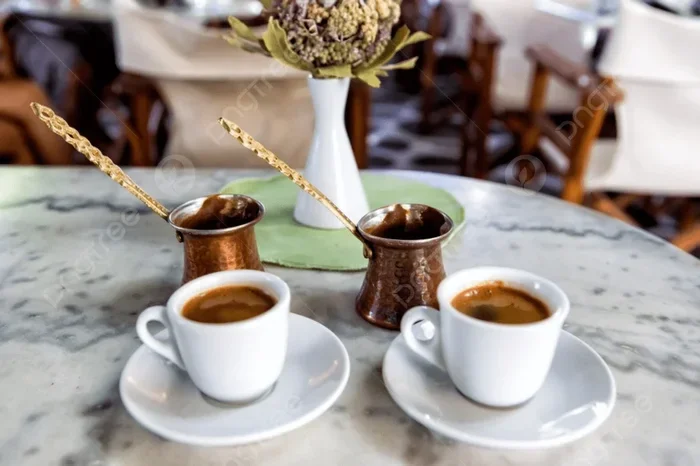
Turkish coffee is a specific style of boiled coffee. It uses very finely ground coffee and is often brewed in a special pot called a cezve. The grounds are not filtered out, so the coffee is thick and strong. Regular boiled coffee can be similar but usually uses a coarser grind and may be strained before serving for a cleaner cup.
Can you reuse boiled coffee grounds?
Yes, you can reuse boiled coffee grounds for a second, weaker brew. After the first steep, add fresh hot water to the same grounds and let them steep for another two to three minutes. The second cup will have less flavor and caffeine but still makes a drinkable coffee. It is a great way to get more value from your grounds.
Why does my boiled coffee taste bitter?
Bitterness usually comes from over-extraction. This happens when the water is too hot, the grind is too fine, or the brewing time is too long. Use water that has cooled for 30 seconds after boiling, choose a coarse grind, and limit the simmer to four minutes to avoid bitterness. A pinch of salt can also help counteract bitter notes.
What is the best pot to boil coffee grounds in?
A heavy-bottomed stainless steel pot or a cast iron Dutch oven works best. These materials distribute heat evenly and prevent scorching. A Dutch oven is especially good because it retains heat well and can be used on the stovetop or even in the oven for other recipes. Avoid reactive metals like aluminum that can alter the taste of your coffee.