How To Make Greek Coffee Without A Traditional Briki
Greek coffee is a rich, bold brew deeply rooted in Mediterranean culture, and you do not need a traditional briki to make it. This guide shows you how to prepare Greek coffee without a briki using common kitchen tools like small saucepans and stovetop pots. You will learn the right coffee grounds, sugar levels, and brewing techniques to achieve that signature thick, frothy cup. Whether you are new to Greek coffee or a longtime fan, these simple methods work every time.
There is something magical about a cup of Greek coffee. It is thick, rich, and full of flavor in a way that few other brews can match. For centuries, people across Greece and the Eastern Mediterranean have enjoyed this traditional drink as part of daily life. But here is the thing not everyone has a briki sitting in their kitchen drawer. A briki is the small, long-handled pot traditionally used to brew Greek coffee, but it is not the only way. You can make a fantastic cup using tools you likely already own.
If you have ever wondered how to brew Greek coffee without a traditional briki, you are in the right place. This guide walks you through every step with clear instructions and practical tips. You will discover what tools work best, how to choose the right coffee grounds, and how to get that creamy foam on top. By the end, you will be brewing Greek coffee like a pro, no special equipment needed.
The beauty of Greek coffee is its simplicity. Unlike drip coffee or espresso machines, this method relies on just a few ingredients and patience. It is a slow, intentional process that rewards you with a deeply satisfying cup. And the best part is, once you learn the basics, you can experiment with different sugar levels, flavors, and serving styles. Let us dive in.
Key Takeaways
- You do not need a briki: A small saucepan or heat-safe pot works perfectly for brewing Greek coffee at home.
- Fine grounds are essential: Use ultra-fine coffee grounds similar to what you would use for Turkish coffee for the best results.
- Foam matters: The creamy foam on top is a hallmark of great Greek coffee, and you can achieve it with the right brewing technique.
- Sugar levels are customizable: Adjust sweetness to your preference with four traditional levels from glykos to sketos.
- Low heat is key: Slow, gentle heating prevents boiling over and creates the perfect coffee foam.
- Serving tradition adds to the experience: Pair your Greek coffee with a glass of cold water and a small sweet treat.
📑 Table of Contents
- What Is Greek Coffee and Why You Do Not Need a Briki
- Tools and Ingredients You Will Need
- Step-by-Step Guide to Making Greek Coffee Without a Briki
- Alternative Methods for Brewing Greek Coffee
- Tips for Getting the Perfect Foam
- Greek Coffee Culture and How to Serve It
- Common Mistakes to Avoid When Brewing Greek Coffee
- Conclusion
What Is Greek Coffee and Why You Do Not Need a Briki
Greek coffee is a specific brewing method that dates back centuries. It is closely related to Turkish coffee, and both use very fine coffee grounds that remain in the cup. The coffee is brewed slowly in hot water, never boiled aggressively, which allows the flavors to develop fully. The result is a strong, aromatic cup with a layer of rich foam on top.
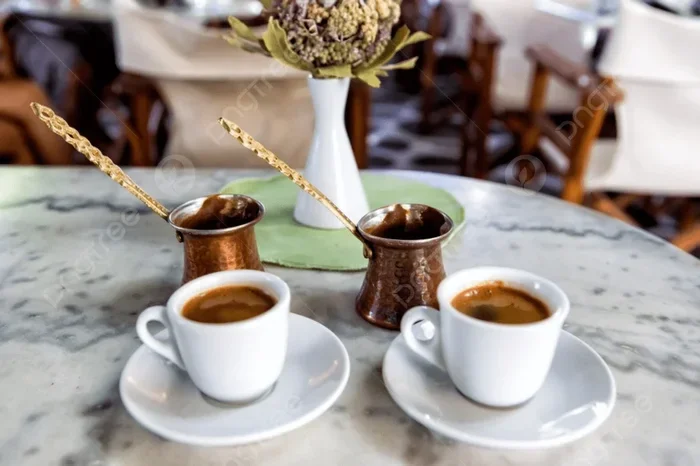
Traditionally, a briki is the vessel of choice. It is a small copper or brass pot with a long handle and a narrow pouring spout. But the briki is not magic. It is simply a tool designed for this specific brewing method. Any small, heat-safe pot or pan can do the same job. The key is controlling the heat and paying attention to the brewing process.
Many people assume they need specialty equipment to enjoy Greek coffee at home. That is simply not true. Whether you use a small saucepan, a stainless steel ladle, or even a repurposed teapot, the method stays the same. What matters is the quality of your coffee grounds, the water temperature, and your patience during brewing.
Understanding the Greek coffee tradition helps too. In Greece, Greek coffee is more than a drink. It is a social ritual. People sit together, sip slowly, and sometimes chat for hours over a single cup. The preparation is part of the experience. So even without a briki, you can honor this tradition in your own kitchen.
The Difference Between Greek Coffee and Regular Brewed Coffee
Greek coffee differs from regular drip or filter coffee in several important ways. First, the grind is much finer. We are talking about a powdery consistency, similar to what you would use for Turkish coffee. Second, the brewing method is completely different. Instead of water dripping through a filter, the coffee grounds simmer directly in the water. Third, Greek coffee is served unfiltered, meaning you drink the entire cup, grounds included.
This gives Greek coffee a much fuller body and stronger flavor. You also get more of the natural oils and compounds from the beans, which many coffee lovers appreciate. The foam, called kaimaki, is another defining feature. It adds a creamy texture that sets Greek coffee apart from other brewing methods.
Regular brewed coffee uses a coffee brewing method that separates the grounds from the liquid. Greek coffee skips that step entirely. The grounds settle to the bottom of the cup after brewing. This means you need to sip carefully, especially toward the end. But most people consider this part of the charm.
Tools and Ingredients You Will Need
Making Greek coffee without a briki is simple because the ingredient list is short. You really only need a few things to get started. Here is what you will want to have on hand before you begin.
Essential Ingredients for the Perfect Brew
- Fine coffee grounds: Use ultra-fine coffee grounds specifically labeled for Greek coffee or Turkish coffee. Regular ground coffee will not work because it is too coarse.
- Cold, filtered water: Fresh water makes a big difference in taste. Avoid using hot tap water as it can affect the flavor.
- Sugar (optional): Traditional Greek coffee comes in four sweetness levels. You can adjust to your preference.
- A small pot or saucepan: Any small, heat-safe vessel works. A stainless steel saucepan or even a small iron skillet will do the job.
- A demitasse cup: The small, thick-walled cups traditionally used for Greek coffee help retain heat and showcase the foam.
Tools That Can Substitute for a Briki
You do not need to buy a briki to make great Greek coffee. Many common kitchen tools work just as well. A small saucepan with a pouring spout is ideal. A stainless steel ladle can also work in a pinch. Some people even use a small cast iron pot for added heat retention.
If you are curious about other kitchen tools, you might wonder whether a toaster oven could help. You can measure your toaster oven to see if it could serve as part of a warming station for your cups. However, the actual brewing happens on your stovetop, not in a toaster oven.
The most important tool is your stovetop. Whether you have a gas burner, electric coil, or induction cooktop, the method remains the same. Just make sure your chosen pot fits comfortably on the burner and gives you good control over the heat.
Choosing the Right Coffee Grounds
The coffee grounds you use are the single most important factor in making great Greek coffee. You need an extremely fine grind, much finer than what you would use for a drip machine. If you buy pre-ground Greek coffee from a store, it should already be ground to the right consistency. If you grind your own beans, use a burr grinder set to the finest setting.
Avoid using regular medium or coarse ground coffee. These grinds are too large and will not extract properly. The result will be weak, watery coffee without the signature body and foam. If you cannot find ultra-fine coffee grounds, try grinding regular espresso beans even finer. It is not ideal, but it works in a pinch.
Some coffee shops that specialize in Greek coffee or Mediterranean coffee will grind beans to order. This is always the best option if you want the freshest possible flavor. Look for brands that specifically market their product as Greek coffee or Turkish coffee grounds.
Step-by-Step Guide to Making Greek Coffee Without a Briki
Now that you have your tools and ingredients ready, let us walk through the brewing process. This method uses a small saucepan and produces results nearly identical to using a traditional briki. Follow these steps carefully, and you will be rewarded with a rich, foamy cup of Greek coffee.
Step One: Measure Your Water
Start by measuring cold, filtered water. For one cup of Greek coffee, use about 5 ounces (roughly 150 milliliters) of water. Pour the water into your small saucepan. Using cold water is important because it heats evenly and allows the coffee grounds to extract properly.
If you are making multiple cups, scale the water proportionally. Each demitasse cup typically holds about 5 ounces. Keep in mind that Greek coffee is served in small cups, so do not overbrew. A little goes a long way with this concentrated brew.
Step Two: Add the Coffee and Sugar
Add one heaping teaspoon of ultra-fine coffee grounds per cup. If you like your Greek coffee sweet, add sugar now. Here are the four traditional sweetness levels:
- Sketos (unsweetened): No sugar. Pure coffee flavor.
- Metrios (medium): One teaspoon of sugar per cup.
- Glykos (sweet): Two teaspoons of sugar per cup.
- Variglykos (very sweet): Three or more teaspoons per cup.
Stir the coffee and sugar into the water gently. Make sure the grounds are fully saturated before you start heating. This helps prevent clumping and ensures even extraction.
Step Three: Brew on Low Heat
Place the saucepan on the stove over low heat. This is the most important step. Greek coffee must never boil rapidly. High heat will destroy the foam and make the coffee taste bitter. Keep the heat low and let the mixture warm slowly.
Watch the pot closely as it heats. You will notice small bubbles forming around the edges. Just before the mixture reaches a full boil, remove it from the heat. This is when the coffee foam starts to rise. Use a small spoon to scoop some of the foam into your demitasse cup.
Return the pot to the low heat briefly, then remove it again just before boiling. Some people repeat this process two or three times to build up a thick layer of foam. It takes a little practice, but the result is worth it.
Step Four: Pour and Serve
Pour the Greek coffee slowly into the demitasse cup. Try to distribute the foam evenly between cups if you are making more than one. The grounds will settle to the bottom of the cup, so pour gently and stop before the last bit of liquid.
Serve immediately while the coffee is hot and the foam is still on top. Greek coffee is meant to be sipped slowly, not rushed. Take your time and enjoy the ritual. Most people pair their Greek coffee with a small glass of cold water and a sweet treat like a biscotti or a piece of baklava.
If you want to make a complete Greek breakfast to go with your coffee, try making toast in the oven without a toaster for a warm, crispy base. It pairs wonderfully with the bold flavor of Greek coffee.
Alternative Methods for Brewing Greek Coffee
While the stovetop saucepan method is the most popular way to brew Greek coffee without a briki, there are other approaches worth exploring. Each method has its own character and can produce excellent results with a little practice.
Using a Small Saucepan with a Pour Spout
A small saucepan with a narrow pour spout is the closest substitute to a briki. The spout helps you pour the coffee slowly and control the foam distribution. Look for a saucepan with a capacity of about 6 to 8 ounces. This gives you enough room for the coffee to expand without boiling over.
Cast iron saucepans work especially well because they retain heat evenly. This gives you more control over the brewing temperature. A thin aluminum pan can also work, but you will need to be more careful about heat management.
The Cold Brew Variation
Some people enjoy a cold version of Greek coffee, especially during hot summer months. To make cold Greek coffee, combine the fine coffee grounds and cold water in a jar or pitcher. Stir well and let it sit in the refrigerator for 12 to 24 hours. Strain the mixture through a fine mesh sieve and serve over ice.
This cold version lacks the traditional foam, but it still delivers the bold, rich flavor that Greek coffee is known for. It is a refreshing twist on the classic Greek coffee tradition and perfect for warm weather.
Using a French Press as a Last Resort
While a French press is not a traditional method, it can work in a pinch. Use the finest grind setting on your coffee grinder and steep the grounds in hot water for about four minutes. Press slowly and pour carefully, leaving the grounds at the bottom.
The result will not be identical to stovetop Greek coffee. You will miss the foam and the concentrated flavor. But in situations where you do not have access to a stovetop, a French press can deliver a decent approximation of Greek coffee.
Tips for Getting the Perfect Foam
The foam, or kaimaki, is the crown jewel of a great cup of Greek coffee. It is what separates a good cup from a great one. Here are some tips to help you master the foam every time you brew.
- Use the finest grounds possible: The finer the grind, the better the foam. Ultra-fine coffee grounds create a creamier, more stable foam.
- Keep the heat low: High heat destroys foam. Always brew on the lowest setting your stove allows.
- Remove from heat just before boiling: Watch for the first signs of bubbling and pull the pot off immediately.
- Repeat the heating cycle: Going back and forth between heat and rest builds up a thicker layer of foam.
- Pour slowly: When transferring the coffee to your cup, pour gently to preserve the foam on top.
- Use a small pot: A smaller vessel concentrates the heat and helps foam develop faster.
If you want to pair your Greek coffee with a homemade pastry, try browning flour in the oven for a nutty, toasty flavor that complements the bold taste of Greek coffee beautifully.
Greek Coffee Culture and How to Serve It
In Greece, Greek coffee is more than a morning beverage. It is a way of life. People gather at coffee shops, called kafeneia, to drink Greek coffee and socialize. The ritual of preparing and serving Greek coffee is taken very seriously.
When serving Greek coffee at home, there are a few traditions to follow. Always serve it with a glass of cold water on the side. The water cleanses the palate and prepares you for the rich flavor of the coffee. You can also offer a small sweet, such as a piece of loukoumi or a biscotti.
The coffee is poured from the pot directly into the demitasse cup. The host or server typically pours for each guest, making sure everyone gets an equal share of the foam. It is considered polite to drink the coffee slowly and to leave a little bit at the bottom of the cup.
Part of the Greek coffee culture is reading the grounds at the bottom of the cup. After finishing the coffee, some people turn the cup upside down on the saucer and let the grounds settle. They then interpret the patterns as a form of fortune-telling. It is a fun tradition and a great conversation starter.
Common Mistakes to Avoid When Brewing Greek Coffee
Even with the best intentions, it is easy to make mistakes when brewing Greek coffee without a briki. Here are the most common pitfalls and how to avoid them.
- Using the wrong grind size: Medium or coarse grounds will not work. You need ultra-fine coffee grounds for proper extraction and foam.
- Boiling the coffee too aggressively: This is the number one mistake. Boiling destroys the foam and creates a bitter taste. Always use low heat.
- Adding sugar too late: Sugar should be added before heating, not after. This allows it to dissolve and integrate fully with the coffee.
- Using too much water: Greek coffee is concentrated. Do not over-dilute it with too much water or the flavor will be weak.
- Rushing the process: Patience is essential. Rushing the brew leads to uneven extraction and poor foam development.
- Skipping the foam: The foam is not optional. It is a defining characteristic of Greek coffee and should be carefully preserved during brewing and pouring.
By avoiding these mistakes, you will be well on your way to brewing Greek coffee that rivals what you would get at a traditional kafeneio in Athens.
Conclusion
Making Greek coffee without a briki is easier than you might think. With just a small saucepan, fine coffee grounds, and a little patience, you can enjoy this rich, traditional beverage in your own kitchen. The method is simple, the ingredients are minimal, and the results are deeply satisfying.
Whether you are a coffee enthusiast looking to expand your brewing skills or someone who simply loves the bold flavor of Greek coffee, this guide gives you everything you need. Remember to use ultra-fine grounds, keep the heat low, and take your time with the foam. These small details make all the difference.
Greek coffee is more than a drink. It is a tradition, a ritual, and a moment of pause in a busy day. So brew a cup, sit down, and savor every sip. You have earned it.
Frequently Asked Questions
Can I use regular ground coffee to make Greek coffee without a briki?
No, regular ground coffee is too coarse for Greek coffee. You need ultra-fine coffee grounds, similar to what is used for Turkish coffee. Regular grounds will produce weak, gritty coffee without the proper foam. Look for coffee specifically labeled for Greek coffee or Turkish coffee.
What is the best substitute for a briki when making Greek coffee?
A small saucepan with a pour spout is the best substitute for a briki. It gives you similar control over heat and pouring. A stainless steel saucepan or small cast iron pot works well. The key is using a small vessel that heats evenly and lets you monitor the foam closely.
How do I get foam on Greek coffee without a briki?
The secret to foam is low heat and patience. Heat the coffee mixture slowly on the lowest setting, and remove it from the heat just before it boils. Repeat this process two or three times to build a thick layer of coffee foam. Using ultra-fine coffee grounds also helps create a creamier foam.
Can I make Greek coffee in a microwave instead of on the stovetop?
Yes, you can heat the coffee mixture in a microwave as an alternative to the stovetop. Use short intervals of 30 to 45 seconds and watch carefully to prevent boiling over. However, the stovetop method gives you better control and produces superior foam. If you do not have access to a stovetop, the microwave works in a pinch.
What is the difference between Greek coffee and Turkish coffee?
Greek coffee and Turkish coffee are very similar in preparation and taste. Both use ultra-fine coffee grounds and are brewed in hot water. The main differences are cultural and regional. Greek coffee is the name used in Greece, while Turkish coffee is the term used in Turkey. The brewing methods are nearly identical, and both can be made without a briki.
How long does it take to brew Greek coffee without a briki?
The entire brewing process takes about 5 to 8 minutes. This includes heating the water slowly, watching for foam development, and repeating the heating cycle. Do not rush the process. Slow, gentle heating is what gives Greek coffee its rich flavor and creamy foam. The wait is absolutely worth it.