How To Use Coffee Cups Without Machine Step By Step
Brewing coffee with coffee cups without a machine is simple, affordable, and delivers rich flavor. This guide covers three easy methods, pro tips, and common mistakes to avoid. You will learn how to make great coffee using just a cup, hot water, and your favorite grounds.
Key Takeaways
- No machine needed: You can brew excellent coffee using only a coffee cup and basic supplies.
- Three simple methods: The cup pour-over, stir-and-steep, and cowboy coffee methods all work great.
- Fresh grounds matter: Using quality coffee grounds makes a huge difference in taste.
- Temperature control is key: Water that is too hot or too cold will affect your brew.
- Clean your cup properly: Regular cleaning keeps your coffee tasting fresh every time.
- Creative uses exist: Coffee cups can serve many purposes beyond just drinking.
📑 Table of Contents
How To Use Coffee Cups Without Machine: A Complete Step-by-Step Guide
Making coffee does not always require a fancy machine. In fact, some of the best cups of coffee come from the simplest methods. Using coffee cups without machine techniques opens up a world of possibility. Whether you are at home, at work, or out in the wild, you can still enjoy a great brew.
This guide breaks down everything you need to know. We will cover the tools you need, the best brewing methods, and helpful tips to get the most out of every cup. The process is easier than you think, and the results are genuinely rewarding.
Many people assume that good coffee requires expensive equipment. That is simply not true. A basic coffee cup, some hot water, and quality grounds are all you need to start. Let us explore how to make this happen.
What You Need to Brew Coffee in a Cup
Before you start brewing, gather a few simple items. You do not need much. In fact, most of these things are already in your kitchen. Having the right tools makes the process smoother and more enjoyable.
Essential Supplies
- A coffee cup: Any mug or cup works. Ceramic or glass is best because they retain heat well.
- Coffee grounds: Freshly ground coffee gives the best flavor. Pre-ground works too, but fresh is always better.
- Hot water: You need water heated to about 195 to 205 degrees Fahrenheit. A kettle or microwave works fine.
- A spoon or stirrer: This helps mix the grounds and water together evenly.
- A strainer or filter: Optional, but helpful for catching grounds if you do not use a French press style method.
Optional but Helpful Tools
- A small kitchen scale: This helps you measure the right amount of coffee and water.
- A timer: Tracking brew time ensures consistency every time.
- A milk frother: If you like creamy coffee, a small handheld frother adds a nice touch.
Once you have these items ready, you are all set. The beauty of brewing coffee without a machine is that there is almost no setup required. Everything is simple and straightforward.
Step-by-Step Methods for Brewing Coffee Without a Machine
There are several ways to brew coffee using just a cup. Each method has its own charm and flavor profile. Below, we walk through three of the best approaches. Try them all and find the one you like most.
Method 1: The Cup Pour-Over
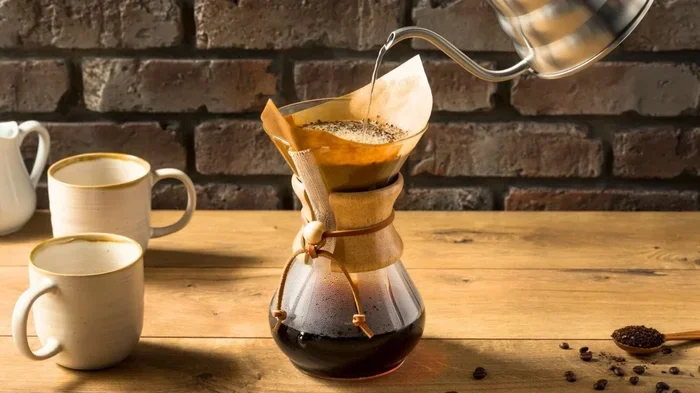
The cup pour-over is one of the easiest and most popular methods. It works just like a standard pour-over brewer but uses your coffee cup as the vessel. This method gives you clean, smooth coffee with minimal effort.
Here is how to do it:
- Place a small paper filter or reusable mesh filter inside your cup.
- Add two tablespoons of coffee grounds for every six ounces of water.
- Heat your water to just below boiling, around 200 degrees Fahrenheit.
- Pour a small amount of water over the grounds first. Let it sit for 30 seconds. This is called the bloom.
- Pour the remaining water slowly in a circular motion.
- Let the coffee drip through the filter into your cup.
- Remove the filter and enjoy your fresh brew.
This method gives you control over the brewing time and water flow. It produces a bright, clean cup of coffee. The pour-over style also brings out the subtle flavors in your grounds that machines sometimes miss.
Method 2: The Stir-and-Steep Method
The stir-and-steep method is perfect for those who want a quick and easy approach. It is similar to making tea but with coffee grounds. This method works great with coarse grounds and produces a rich, full-bodied cup.
Here is how to do it:
- Add two tablespoons of coarsely ground coffee to your empty cup.
- Pour hot water over the grounds, filling the cup about three-quarters full.
- Stir the mixture gently with a spoon for about 10 seconds.
- Let the coffee steep for four minutes.
- Slowly pour the coffee into another cup or mug, leaving the grounds behind.
- If you prefer, let the grounds settle to the bottom and drink carefully.
This simple coffee brewing technique requires no filters or extra tools. It is ideal for camping trips or when you want a quick cup without any fuss. The steeping time controls the strength of your brew.
Method 3: Cowboy Coffee in a Cup
Cowboy coffee is a classic method that has been used for centuries. It is rugged, simple, and produces a bold, strong cup of coffee. This method is perfect for outdoor adventures or anyone who loves a robust brew.
Here is how to do it:
- Bring water to a boil in a kettle or pot.
- Remove the water from heat and let it cool for about 30 seconds.
- Add two tablespoons of medium-ground coffee directly into the hot water.
- Stir the mixture once and let it sit for four minutes.
- Pour the coffee slowly into your cup, letting the grounds settle at the bottom of the pot.
Cowboy coffee has a bold, intense flavor that many coffee lovers enjoy. The key is to let the grounds settle before pouring. This keeps the grit out of your cup. If you want a smoother cup, you can strain the coffee through a fine mesh sieve.
Tips for the Perfect Cup of Coffee
Getting the best results from your coffee cup brewing comes down to a few key details. These tips will help you improve your coffee every single time. Even small changes can make a big difference in flavor.
Use Fresh, Quality Grounds
Fresh coffee grounds are the foundation of a great cup. Buy whole beans and grind them just before brewing whenever possible. Stale grounds produce flat, lifeless coffee. Store your beans in an airtight container away from light and heat.
Pay Attention to Water Temperature
Water temperature plays a huge role in extraction. Water that is too hot will over-extract the coffee, making it bitter. Water that is too cool will under-extract, leaving it sour and weak. Aim for 195 to 205 degrees Fahrenheit for the best results.
Measure Your Ratios
A good starting ratio is two tablespoons of coffee for every six ounces of water. You can adjust this based on your taste preferences. More grounds make stronger coffee, while less makes it milder.
Keep Your Cup Warm
Pre-heat your cup with hot water before brewing. This keeps your coffee at the right temperature longer. If you need to keep your drink warm for an extended period, consider using a cozy or wrapping your cup in a towel. For more ideas on keeping beverages warm, check out our guide on keeping your drink warm without an oven. Simple tricks like pre-warming your cup can make a noticeable difference in how long your coffee stays hot.
Clean Your Cup After Every Use
Residual oils and grounds build up over time and affect the taste of your next brew. Rinse your cup thoroughly after each use. For stubborn stains, a simple cleaning solution works wonders. You can even learn more about deep cleaning methods in our article on cleaning with dishwasher tablets without scrubbing, which also applies to removing tough coffee stains from mugs and cups.
Common Mistakes to Avoid
Even with the simplest methods, mistakes can happen. Knowing what to avoid saves you from bad-tasting coffee and wasted grounds. Here are the most common errors people make when brewing no machine coffee.
- Using boiling water: Boiling water burns the coffee grounds and creates a bitter taste. Always let water cool slightly before pouring.
- Using too fine a grind: Fine grounds can slip through strainers and make your coffee gritty. Use a coarse or medium grind for cup brewing.
- Skipping the bloom: Letting the grounds bloom for 30 seconds releases trapped gases and improves extraction. Do not skip this step.
- Not measuring ingredients: Eyeballing coffee and water leads to inconsistent results. Use a spoon or scale for accuracy.
- Leaving grounds in the cup too long: Over-steeping makes coffee taste harsh and unpleasant. Stick to the recommended steeping times.
- Using old or stale grounds: Coffee loses its flavor after about two weeks of being opened. Fresh grounds taste significantly better.
Avoiding these mistakes will immediately improve your coffee. It is amazing how much difference these small adjustments make. Once you get into the habit of doing things right, the process becomes second nature.
Creative Ways to Use Coffee Cups
Coffee cups are versatile tools that go far beyond just holding coffee. With a little creativity, your favorite mug can serve many purposes around the kitchen and home. Here are some fun and practical ideas.
Use It as a Measuring Cup
Most standard coffee cups hold about six ounces of liquid. This makes them a handy measuring tool in a pinch. Next time you need a small amount of liquid for a recipe, your coffee cup can do the job.
Warm Up Small Portions of Food
Got leftover soup or sauce? A coffee cup works great for warming up small portions. Simply heat the food in the microwave for 30 to 60 seconds. This is a convenient alternative to using a full-sized bowl.
Make Single-Serve Recipes
Coffee cups are perfect for single-serve baking and cooking. You can make mug cakes, scrambled eggs, or even oatmeal right in your cup. This is a great way to prepare quick, individual meals without extra dishes.
Serve Breakfast on the Go
Love morning toast but do not have a toaster? You can make toast in the oven without a toaster and serve it alongside your coffee in your favorite cup. A simple breakfast setup that feels both cozy and practical.
Organize Small Items
Use coffee cups as holders for pens, utensils, cotton swabs, or small kitchen tools. They keep your workspace tidy and add a personal touch to your desk or kitchen counter.
These creative uses show just how valuable a simple coffee cup can be. Next time you finish your morning brew, think about all the other ways you can put that cup to work.
Final Thoughts
Brewing coffee with coffee cups without a machine is one of the most rewarding simple pleasures in the kitchen. It gives you freedom, flexibility, and full control over your brew. Whether you prefer the clean taste of a pour-over, the simplicity of stir-and-steep, or the boldness of cowboy coffee, there is a method for everyone.
The beauty of these techniques is that they require almost nothing. No expensive equipment, no electricity, and no complicated steps. Just you, your cup, and a great cup of coffee. Once you try these methods, you may never go back to a machine.
Start with one method and practice it until it feels natural. Then experiment with the others to find your favorite. The journey of hand brewed coffee is just as enjoyable as the drink itself. Share these tips with friends and family who love coffee but do not own a machine.
Remember, great coffee comes from quality ingredients and a little patience. Keep your grounds fresh, your water at the right temperature, and your cup clean. Follow these steps and you will enjoy a perfect cup of coffee every single time.
Now that you know how easy it is to brew without a machine, there is no excuse not to try. Grab your favorite coffee cup and start brewing today. Your taste buds will thank you.
Frequently Asked Questions
Can I use any coffee cup for brewing without a machine?
Yes, most coffee cups work well for manual brewing. Ceramic and glass cups are the best choices because they do not absorb flavors and retain heat effectively. Avoid plastic cups if possible, as they may retain odors or affect the taste of your coffee.
What type of coffee grind works best for cup brewing?
A medium to coarse grind works best for cup brewing methods. Fine grounds can slip through filters and create a gritty texture. Coarse grounds are ideal for the stir-and-steep and cowboy coffee methods, while a medium grind suits pour-over techniques nicely.
How long does it take to brew coffee in a cup without a machine?
Most methods take between four and six minutes total. The pour-over method takes about five minutes including the bloom time. The stir-and-steep method takes about four minutes of steeping. Cowboy coffee also requires about four to five minutes from start to finish.
Can I reuse coffee grounds for a second brew?
You can, but the second brew will be much weaker and less flavorful. Coffee grounds release most of their flavor during the first extraction. If you want a stronger second cup, use fresh grounds instead of reusing old ones.
Is coffee brewed in a cup without a machine as good as machine-brewed coffee?
Many coffee enthusiasts actually prefer hand-brewed coffee because it allows more control over the process. The flavor can be just as good, if not better, when you use fresh grounds, proper water temperature, and the right brewing time. It is all about technique and quality ingredients.
What is the best water temperature for brewing coffee in a cup?
The ideal water temperature ranges from 195 to 205 degrees Fahrenheit. Water that is boiling (212°F) is too hot and will over-extract the coffee, making it bitter. If you do not have a thermometer, simply let boiling water sit for 30 to 45 seconds before pouring it over your grounds.