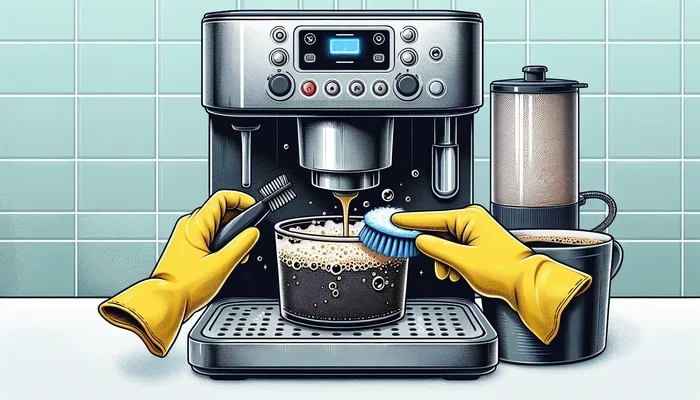
How To Clean A Coffee Maker With Baking Soda At Home
Baking soda is a safe, affordable, and powerful way to clean a coffee maker at home. This guide walks you through every step of the process, from a quick rinse to a full deep clean. You will also learn how often to clean, common mistakes to avoid, and pro tips that keep your machine running smoothly.
Your coffee maker works hard every morning to deliver that perfect cup. But over time, coffee oils, mineral deposits, and residue build up inside the machine. This affects the taste of your coffee and can even shorten the life of your appliance. The good news is that you do not need expensive store-bought cleaners to fix this. A simple box of baking soda can do wonders. In this guide, we will show you exactly how to clean a coffee maker with baking soda at home. The process is easy, affordable, and safe for almost every type of coffee machine.
Baking soda, also known as sodium bicarbonate, is a mild abrasive and natural deodorizer. It breaks down grease, lifts stains, and neutralizes odors. Unlike harsh chemical cleaners, it leaves no harmful residue behind. This makes it one of the best choices for cleaning kitchen appliances, especially coffee makers. Whether you own a drip machine, a single-serve pod system, or a French press, this method works. We will cover everything from a basic rinse to a full deep clean. By the end, you will know exactly how to keep your coffee maker sparkling clean and brewing great coffee.
Key Takeaways
- Baking soda removes coffee oils, residue, and odors safely without harsh chemicals.
- A monthly cleaning routine keeps your coffee tasting fresh and your machine running longer.
- You only need baking soda, water, and a few simple tools to get started.
- Descaling with baking soda fights mineral buildup better than many store-bought cleaners.
- Never use baking soda in the coffee grounds basket during a brew cycle.
- Regular cleaning improves coffee flavor and machine efficiency significantly.
📑 Table of Contents
- Why You Should Clean Your Coffee Maker With Baking Soda
- What You Will Need Before You Start
- Step-By-Step Guide To Clean A Coffee Maker With Baking Soda
- How To Deep Clean A Coffee Maker With Baking Soda
- How Often Should You Clean Your Coffee Maker
- Common Mistakes To Avoid When Cleaning
- Expert Tips To Keep Your Coffee Maker Fresh Longer
- Final Thoughts
Why You Should Clean Your Coffee Maker With Baking Soda
Coffee oils and mineral deposits build up inside your machine over time. These deposits can make your coffee taste bitter or stale. They can also slow down the brewing process and affect the temperature. Baking soda tackles all of these problems naturally. Here is why it works so well.
Baking Soda Is a Natural Cleaner
Baking soda is gentle enough to use inside your coffee maker but strong enough to remove tough residue. It does not scratch the internal surfaces or damage sensitive parts. Many commercial coffee cleaners contain strong chemicals that can leave a funny taste behind. Baking soda avoids this problem entirely. It is also non-toxic, which makes it safe around food preparation areas.
It Removes Odors Effectively
Have you ever noticed a stale or musty smell coming from your coffee maker? That smell comes from old coffee oils trapped inside the machine. Baking soda neutralizes these odors quickly. After a cleaning cycle, your coffee maker will smell fresh and clean. This is one of the biggest benefits of using baking soda over plain water rinses.
It Is Cheap and Easy to Find
You probably already have baking soda in your kitchen pantry. A box costs just a few dollars and lasts for many cleaning sessions. There is no need to buy special coffee machine cleaners or descaling solutions. This makes baking soda the most budget-friendly option for keeping your coffee maker in top shape.
For those who also deal with other kitchen appliances that need regular cleaning, you might want to check out how to clean an Oster toaster oven using simple household methods. The same principles of using gentle, effective cleaners apply across many kitchen devices.
What You Will Need Before You Start
Before you begin the cleaning process, gather a few simple items. You do not need anything special or expensive. Here is your complete shopping list for cleaning a coffee maker with baking soda.
- Baking soda — one to two tablespoons for a standard cleaning cycle.
- White vinegar — optional, but great for a deeper clean when paired with baking soda.
- Warm water — enough to fill the water reservoir.
- A soft sponge or cloth — for wiping down the outside and removable parts.
- A clean, dry toothbrush — useful for scrubbing hard-to-reach areas.
- Mild dish soap — for washing removable parts by hand.
Having everything ready before you start makes the process smooth and fast. You do not want to pause halfway through just to find a sponge or a toothbrush. Set all your supplies on the counter near your coffee maker and you will be ready to go.
Step-By-Step Guide To Clean A Coffee Maker With Baking Soda
Now let us get into the actual cleaning process. Follow these steps carefully for the best results. The entire process takes about 30 to 45 minutes, including rinse time.
Step 1: Unplug the Machine and Disassemble Removable Parts
Safety always comes first. Unplug your coffee maker before you start cleaning. Remove the carafe, the filter basket, the reusable filter, and any other parts that come off. Lay them out on a clean towel. This gives you access to all the areas where buildup hides. It also lets you wash each piece separately, which is important for a thorough clean.
Step 2: Wash the Removable Parts
Fill your sink with warm water and add a few drops of mild dish soap. Place the carafe, filter basket, and any other removable parts into the soapy water. Let them soak for about 10 minutes. After soaking, use a soft sponge to wash away coffee stains and residue. For the carafe, use a bottle brush if you see stains at the bottom. Rinse everything thoroughly with clean water and set them aside to dry.
Step 3: Add Baking Soda to the Water Reservoir
This is the core step of the cleaning process. Fill the water reservoir with warm water. Add one to two tablespoons of baking soda directly into the water. Stir gently with a spoon to help the baking soda dissolve. The warm water helps the baking soda activate and work more effectively inside the machine.
Do not put baking soda directly into the coffee grounds basket. It is meant to run through the internal tubing and brewing system, not sit with the coffee grounds. Adding it to the water reservoir ensures it cleans the entire internal path as it cycles through.
Step 4: Run a Full Brew Cycle Without Coffee
Place an empty carafe or mug on the heating plate. Start the coffee maker and let it run a full brew cycle with the baking soda water. The solution will flow through the internal tubes, the heating element, and the spray head. This process dissolves coffee oils and mineral deposits from inside the machine. You may notice some fizzing as the baking soda reacts with residue. That is a good sign — it means the cleaner is working.
Step 5: Rinse the Machine Thoroughly
After the brew cycle finishes, pour out the baking soda water from the carafe. Refill the reservoir with clean, fresh water. Run another full brew cycle with just plain water. This rinses out any remaining baking soda residue. Repeat this rinse cycle one more time to make sure the machine is completely clean. You want zero baking soda taste or smell in your next pot of coffee.
Step 6: Wipe Down the Outside and Reassemble
While the machine is rinsing, take a damp cloth with a small amount of baking soda paste to wipe down the outside of the coffee maker. This removes surface stains and fingerprints. Use a toothbrush to clean around buttons, knobs, and hard-to-reach spots. Once everything is dry, reassemble all the removable parts. Your coffee maker is now clean and ready to brew.
If you are also dealing with tough stains on other kitchen surfaces, you might find it helpful to learn how to clean melted plastic out of an oven, as tough residue removal techniques can overlap across different kitchen appliances.
How To Deep Clean A Coffee Maker With Baking Soda
A regular cleaning keeps your coffee maker in good shape. But every few months, you should do a deep clean to remove stubborn buildup. A deep clean tackles mineral deposits, heavy coffee oil residue, and hard water stains that a basic rinse cannot reach.
The Baking Soda and Vinegar Method
Combining baking soda with white vinegar creates a powerful cleaning reaction. Here is how to do it safely.
- Add one tablespoon of baking soda to the empty water reservoir.
- Pour one cup of white vinegar into the reservoir as well.
- Let the mixture sit for 15 to 30 minutes without running the machine.
- After soaking, run a full brew cycle with the solution.
- Follow up with two full rinse cycles using plain water.
The fizzing reaction between baking soda and vinegar helps break down tough deposits inside the tubing and heating element. This method is especially effective for machines that have not been cleaned in a long time or those used with hard water.
Cleaning the Coffee Carafe With Baking Soda
The glass carafe often develops dark stains from repeated brewing. These stains can affect the taste of your coffee if they are not removed. To clean the carafe, make a paste using three parts baking soda and one part water. Apply the paste to the inside of the carafe and let it sit for 15 minutes. Scrub gently with a non-abrasive sponge. The mild abrasive action of the baking soda lifts stains without scratching the glass. Rinse thoroughly and your carafe will look like new.
Cleaning the Brew Basket and Filter
The brew basket is another area where coffee oils and fine particles accumulate. Remove the basket and sprinkle a small amount of baking soda inside. Use a damp cloth or soft toothbrush to scrub away residue. For reusable metal filters, soak them in a baking soda solution for 20 minutes before rinsing. This removes oils that can turn rancid and affect coffee flavor over time.
Deep cleaning your coffee maker regularly is similar to how you would maintain other kitchen appliances. For instance, if you have ever dealt with tough baked-on residue, you might appreciate techniques like how to clean an oven with a dishwasher tablet without scrubbing — the principle of using a powerful cleaner to break down buildup is the same.
How Often Should You Clean Your Coffee Maker
Regular cleaning keeps your coffee tasting great and your machine running efficiently. But how often should you actually clean? The answer depends on how frequently you use your coffee maker.
| Usage Level | Basic Cleaning Frequency | Deep Cleaning Frequency |
|---|---|---|
| Daily use (1-3 cups per day) | Every 2 weeks | Every 2 months |
| Heavy use (4+ cups per day) | Every week | Every month |
| Occasional use (a few times per week) | Every 3 weeks | Every 3 months |
| Hard water area | Every week | Every 2 weeks |
These are general guidelines. If you notice a change in coffee flavor, a slow brewing time, or any unusual smell, it is time to clean your machine regardless of the schedule. Trust your senses — they are the best indicators that your coffee maker needs attention.
For quick maintenance between deep cleans, you can run a plain water cycle with a teaspoon of baking soda once a week. This prevents buildup from settling in and makes your monthly deep clean much easier.
Common Mistakes To Avoid When Cleaning
Even though cleaning with baking soda is simple, there are a few mistakes that people make. Avoiding these errors ensures you get the best results without damaging your machine.
- Using too much baking soda — More is not better. Excess baking soda can leave a white residue inside the machine and affect the taste of your coffee. Stick to one or two tablespoons per cleaning cycle.
- Skipping the rinse cycles — Always rinse the machine with plain water after using baking soda. Running only one rinse cycle may leave a slight baking soda taste. Two rinse cycles minimum is the safe approach.
- Putting baking soda in the coffee grounds — Never add baking soda directly to your coffee grounds. It will alter the flavor of your brew and create a bitter, soapy taste.
- Using abrasive scrubbers on internal parts — A toothbrush is fine for gentle scrubbing. Steel wool or harsh scrub pads can damage the surfaces inside your coffee maker and even scratch the carafe.
- Ignoring the carafe and filter basket — Cleaning the inside of the machine is important, but the removable parts also need regular attention. Neglecting them leads to buildup that affects every cup you brew.
Another common mistake is assuming that all coffee makers clean the same way. Different machines have different internal designs. Always check your owner’s manual for specific cleaning instructions. Some machines have removable water tanks or special internal components that need gentle care.
Expert Tips To Keep Your Coffee Maker Fresh Longer
Beyond regular baking soda cleaning, a few simple habits can keep your coffee maker in excellent condition for years. These expert tips save you time and effort in the long run.
- Empty the filter basket after every use. Do not leave wet coffee grounds sitting in the basket. They breed bacteria and develop mold over time. Throw them out or compost them immediately after brewing.
- Rinse the carafe after each pour. A quick rinse with warm water after every use prevents coffee stains from setting in. This small habit makes deep cleaning much easier.
- Use filtered water in your machine. Hard water causes mineral buildup faster than soft water. Filtered water reduces scale deposits and extends the time between deep cleans.
- Leave the lid open after brewing. Allowing the inside of the machine to air dry prevents moisture buildup, which can lead to mold and mildew growth.
- Descale your machine monthly if you live in a hard water area. Mineral deposits from hard water can clog the internal tubing and reduce brewing efficiency. A monthly baking soda rinse helps prevent this.
Keeping your coffee maker clean is part of a broader kitchen maintenance routine. For those who also maintain other small kitchen appliances, you might enjoy learning about how to clean an oven with a dishwasher tablet without scrubbing, which shares the same philosophy of using simple household products for tough cleaning jobs.
Final Thoughts
Cleaning your coffee maker with baking soda is one of the simplest and most effective things you can do for your daily coffee routine. It costs almost nothing, uses ingredients you already have at home, and delivers impressive results. A clean coffee maker brews better-tasting coffee, runs more efficiently, and lasts longer. The entire process takes less than an hour, and the payoff is worth every minute. Make it a regular part of your kitchen routine and your morning cup of coffee will taste noticeably better. Start today, and you will never go back to a dirty, neglected coffee maker again.
Remember, consistency is key. A quick baking soda rinse every couple of weeks paired with a deeper clean every couple of months keeps everything in perfect shape. Your coffee maker takes care of you every morning. Now it is your turn to take care of it.
Frequently Asked Questions
Can I use baking soda to clean a single-serve coffee maker like a Keurig?
Yes, baking soda works great for single-serve machines. Add one tablespoon of baking soda to the water reservoir and run a brew cycle without a pod. Follow up with two plain water rinse cycles. This removes buildup from the internal tubing and needle system that a regular rinse might miss.
Is it safe to use baking soda and vinegar together in a coffee maker?
Yes, it is safe and effective. The fizzing reaction helps break down tough residue. However, always follow the baking soda and vinegar cleaning cycle with at least two full plain water rinse cycles. This ensures no vinegar or baking soda taste remains in the machine before your next brew.
How do I know if my coffee maker needs cleaning?
Signs that your coffee maker needs cleaning include a slower brewing time, a bitter or off taste in the coffee, visible residue inside the carafe, or a stale smell when you brew. If you notice any of these, it is time to run a baking soda cleaning cycle.
Can baking soda damage any part of a coffee maker?
Baking soda is gentle and non-abrasive, so it will not damage internal components. However, avoid using it on any parts that are specifically labeled as non-stick or coated, as repeated abrasive cleaning could wear down the coating over time. Always check your owner’s manual for material-specific guidance.
Can I use baking soda to clean a French press or pour-over coffee maker?
Absolutely. For a French press, add a teaspoon of baking soda to warm water and let it sit for 10 minutes before scrubbing the interior with a soft brush. For pour-over makers, run a baking soda solution through the system and rinse thoroughly. These methods remove coffee oils and keep your brewer tasting fresh.
Will cleaning with baking soda change the taste of my coffee?
Not if you rinse properly. After a baking soda cleaning cycle, always run at least two full cycles with plain water before brewing your next pot. This removes all traces of baking soda and ensures your coffee tastes clean and fresh. Most people notice an improvement in flavor after cleaning, not a change for the worse.