Is It Bad To Pre Grind Coffee Beans The Way Experts Do
Pre grinding coffee beans is not inherently bad, but it does come with trade-offs. When you grind coffee ahead of time, you expose more surface area to air, which speeds up oxidation and dulls the flavor. Experts agree that grinding just before brewing preserves the most aroma, body, and complexity. However, with proper storage and the right grinder, pre grinding can still work well for busy mornings.
This is a comprehensive guide about Is It Bad To Pre Grind Coffee Beans.
Key Takeaways
- Flavor fades fast: Pre ground coffee loses its fresh aroma and taste much quicker than whole beans.
- Oxidation is the enemy: Once beans are ground, they start to oxidize, which degrades the oils that create great flavor.
- Storage matters a lot: Airtight containers and cool temperatures can slow down flavor loss significantly.
- Grind size affects everything: Different brewing methods need different grind sizes for the best results.
- Burr grinders are superior: A quality burr grinder gives you a consistent grind, which leads to a better cup.
- It is not all bad: With the right approach, pre grinding can still produce a decent cup of coffee.
- Freshness window is short: Experts recommend using pre ground coffee within 15 minutes of grinding for peak flavor.
[FEATURED_IMAGE_PLACEHOLDER]
Is It Bad To Pre Grind Coffee Beans?
Let us get straight to the point. Is it bad to pre grind coffee beans? The short answer is: it depends. If you grind your beans days or hours before brewing, you will notice a big difference in taste compared to grinding right before you make your cup. But if you store them properly and grind them shortly before brewing, pre grinding is not the worst thing in the world.
The real question is how much flavor are you willing to sacrifice for convenience? Most coffee experts will tell you that freshly ground coffee tastes noticeably better. The oils, aromatics, and flavors that make a great cup of coffee start to break down the moment the beans are ground. But life gets busy, and not everyone has time to grind beans every single morning.
This guide breaks down everything you need to know. We will cover why freshness matters, what happens when you pre grind, and how to get the best results if you do grind ahead of time. You will also learn expert tips on storage, grind size, and choosing the right coffee grinder for your needs.
Why Freshness Matters So Much
Coffee beans are full of volatile compounds. These are the natural oils and gases that give coffee its rich aroma and complex flavor. The moment you crack open a bag of whole bean coffee, you start a clock. Once those beans are ground, that clock speeds up dramatically.
Here is what happens at a molecular level. When coffee is whole, the oils are protected inside the bean. The surface area is small, so oxidation happens slowly. But when you grind the beans, you expose thousands of tiny particles to air. This massive increase in surface area causes the oils to break down fast. The result? A flatter, duller cup that lacks the brightness and depth you love.
Think of it like a sliced apple. The moment you cut it, it starts to brown. Coffee works in a similar way. The coffee aroma escapes, the flavors mute, and what is left is a ghost of what the beans could have been.
What Happens When You Pre Grind Coffee
Understanding what happens after you grind your beans helps you make smarter choices. Let us walk through the process step by step.
The Oxidation Process
Oxidation is the biggest enemy of coffee freshness. When ground coffee meets oxygen, the aromatic compounds start to degrade. This process begins almost instantly. Within minutes, you can lose a significant portion of the volatile oils that give coffee its signature smell and taste.
Here is a simple timeline of what happens to pre ground coffee:
- 0 to 15 minutes: The coffee still retains most of its flavor and aroma. This is your best window if you must grind ahead.
- 15 minutes to 1 hour: Noticeable flavor loss begins. The aroma weakens, and the taste starts to flatten.
- 1 to 12 hours: Significant degradation. The coffee tastes stale and lifeless. Many people describe it as “cardboard-like.”
- 12 hours to several days: The coffee is essentially spent. Most of the flavorful oils have oxidized away.
Flavor and Aroma Loss
The difference between freshly ground and pre ground coffee is easy to taste. Freshly brewed coffee from just-ground beans has a vibrant, complex flavor profile. You can taste the fruity, chocolatey, or nutty notes that the roast was designed to highlight.
Pre ground coffee, on the other hand, tends to taste flat and one-dimensional. The top notes disappear first. Then the middle notes fade. What is left is often just a bitter, hollow taste. This is why so many coffee lovers say that grinding your own beans is the single biggest upgrade you can make to your morning routine.
Moisture and Oil Breakdown
Ground coffee is also more vulnerable to moisture. The tiny particles absorb humidity from the air, which further accelerates flavor loss. The natural oils in the coffee start to go rancid over time, adding an unpleasant, bitter aftertaste to your brew.
This is one reason why storing pre ground coffee properly is so important. We will cover the best storage methods in a later section.
How to Store Pre Ground Coffee Properly
If you do decide to pre grind your beans, storage is everything. The right container and environment can buy you a little extra time before the flavor fades.
Best Containers for Ground Coffee
Not all containers are created equal. Here is what works best:
- Airtight containers: Look for containers with a rubber seal or clamp lock. These prevent air from sneaking in and slowing down oxidation.
- Opaque containers: Light degrades coffee faster. A dark, opaque container protects the grounds from UV damage.
- Vacuum-sealed bags: These remove excess air and are a great option if you grind a batch ahead of time.
- Avoid clear jars: They look nice on the counter, but they expose your coffee to light and air constantly.
Temperature and Humidity Control
Store your ground coffee in a cool, dry place. The pantry is usually a better choice than the countertop. Avoid storing coffee near the stove, oven, or any heat source. Heat accelerates the breakdown of oils and speeds up flavor loss.
Never store ground coffee in the freezer unless you are using a vacuum-sealed bag. Freezer burn can ruin the flavor. And every time you take the bag out and bring it back in, condensation forms, which introduces moisture to the grounds.
How Long Does Pre Ground Coffee Last?
Most coffee experts agree that pre ground coffee is at its best within 15 minutes of grinding. If you must store it, aim to use it within one to two weeks. After that, the flavor will be noticeably diminished. The coffee taste will be flat, and the aroma will be barely there.
Buying pre ground coffee from a store is a different story. Commercial pre ground coffee often sits on shelves for weeks or even months. The packaging is designed to slow oxidation, but it cannot stop it completely. This is why many coffee enthusiasts prefer to buy whole bean coffee and grind it themselves.
Grind Size: Why It Makes a Big Difference
Not all coffee grinds are the same. The size of the grounds affects how water flows through them and how much flavor is extracted. Getting the right grind size is one of the most important steps in making a great cup of coffee.
Coarse vs. Fine Grind
A coarse grind looks like sea salt. It works well for French press and cold brew coffee. The large particles slow down the extraction, which prevents the coffee from becoming over-extracted and bitter.
A fine grind looks more like table salt or powdered sugar. It is ideal for espresso and Moka pots. The small particles create more surface area for water to interact with, which produces a rich, bold shot.
For pour over coffee and drip machines, a medium grind is the sweet spot. It balances extraction time and flavor clarity.
The Role of Consistency
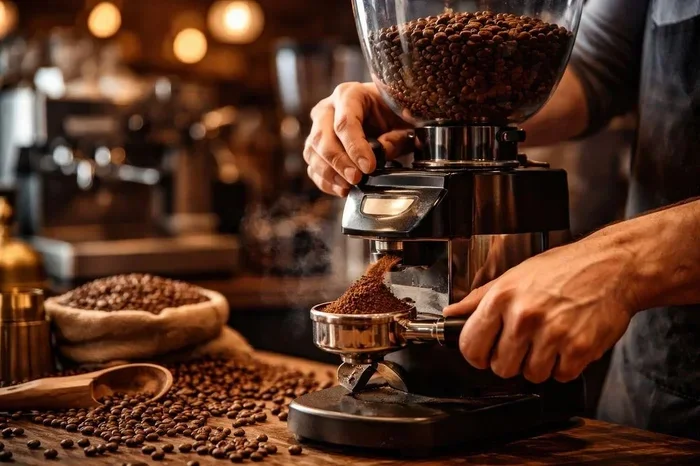
One of the biggest advantages of using a quality burr grinder is consistency. Every particle is the same size, which means the water extracts flavor evenly. This leads to a balanced, smooth cup of coffee.
Blade grinders, on the other hand, chop the beans inconsistently. You end up with a mix of fine dust and large chunks. The fine particles over-extract and turn bitter, while the large chunks under-extract and taste sour. This uneven extraction is one of the main reasons blade ground coffee often tastes inferior.
Common Mistakes People Make with Pre Ground Coffee
Even if you decide to pre grind your coffee, there are mistakes you should avoid. These simple errors can ruin your coffee before you even brew it.
Leaving Grounds in the Grinder
One of the most common mistakes is leaving ground coffee sitting in the grinder hopper. The grounds continue to be exposed to air, and the flavor degrades quickly. Always empty the hopper after grinding, and store the grounds in a sealed container right away.
Using the Wrong Grind Size
Using a coarse grind for espresso or a fine grind for a French press will give you a bad cup. Take the time to match your grind size to your brewing method. It makes a bigger difference than most people realize.
Ignoring the Roast Date
Even the best storage cannot save coffee that was already old. Always check the roast date on your beans. Coffee is at its peak flavor within two to four weeks of roasting. If you buy beans that are months old, no amount of grinding技巧 will bring them back to life.
Skipping the Cleaning Routine
Old coffee oils build up inside your grinder over time. These residues go rancid and taint the flavor of your fresh grounds. Clean your grinder regularly to keep your coffee tasting its best.
Expert Tips for the Best Pre Ground Coffee Experience
Want to get the most out of your pre ground coffee? Follow these expert-backed tips to improve your morning brew.
Grind in Batches
If mornings are hectic, try grinding enough coffee for three to five days at a time. Store the batches in separate airtight containers. This way, you only open one container per day, which limits the exposure of the remaining batches to air.
Invest in a Good Burr Grinder
A quality burr grinder is worth every penny. It gives you consistent particle size, adjustable grind settings, and better flavor extraction. Some popular options work well for both espresso grind and French press settings, so you can switch between brewing methods easily.
Warm Your Grounds Before Brewing
This is a trick many experts use. Before brewing, spread your ground coffee on a warm surface for a minute. This helps release some of the trapped aromatics. You will notice a richer smell and a more flavorful cup.
Pair Your Morning Routine with Breakfast
Making coffee is part of a morning ritual. Pair it with something simple like cooking bacon and sausage in the oven for a complete breakfast experience. The smell of fresh coffee and sizzling sausage together creates a cozy morning atmosphere that sets the tone for the whole day.
Experiment with Different Beans
Not all coffee beans are the same. Try different roasts and origins to find what suits your palate. Light roasts tend to be more acidic and fruity, while dark roasts are bolder and more bitter. When you grind your own beans, you can control the brew better coffee experience by adjusting the grind size to match the roast.
Conclusion
So, is it bad to pre grind coffee beans? The honest answer is that pre grinding coffee beans is not terrible, but it is not ideal either. The moment you grind beans, the clock starts ticking on flavor and aroma loss. The best cup of coffee always comes from beans ground just before brewing.
That said, life is busy, and convenience matters. If you must pre grind, do it as close to brew time as possible. Store the grounds in an airtight, opaque container in a cool, dry place. Use them within a few days for the best results. And invest in a good coffee grinder that gives you consistent particle size and control over grind size.
The bottom line is simple. Fresh beans, ground fresh, brewed fresh. That is the expert way to enjoy the best possible cup of coffee. But if you need to grind ahead, now you know exactly how to do it right.
Start tomorrow morning by grinding your beans just a few minutes before brewing. Taste the difference. Once you experience the rich, full flavor of freshly ground coffee, you will never go back to pre ground again.
Frequently Asked Questions
Can you drink coffee that was ground yesterday?
Yes, you can drink coffee that was ground yesterday, but the flavor will be noticeably weaker. The aromatic oils start to degrade within minutes of grinding, and by the next day, much of the freshness is gone. If you must use day-old grounds, store them in an airtight container and use a slightly finer grind to compensate for the lost flavor.
Is pre ground coffee bad for you?
No, pre ground coffee is not bad for you from a health perspective. It still contains antioxidants and beneficial compounds. However, the taste and aroma suffer significantly over time. The health benefits remain, but the overall coffee experience is diminished compared to freshly ground beans.
How long can you keep pre ground coffee in the freezer?
You can keep pre ground coffee in the freezer for up to one month if it is stored in a vacuum-sealed bag. The key is to prevent moisture and air from reaching the grounds. Avoid using freezer bags that are not sealed properly, as freezer burn will ruin the flavor quickly.
Does grinding coffee finer make it stronger?
Grinding coffee finer does not make it stronger in terms of caffeine content, but it does increase the surface area for extraction. This can result in a bolder, more intense flavor if you are using the right brewing method. However, if the grind is too fine for your brewer, the coffee can become over-extracted and bitter.
What is the best grinder for pre grinding coffee at home?
A burr grinder is the best choice for pre grinding coffee at home. It produces consistent particle sizes, which leads to even extraction and a balanced cup of coffee. Blade grinders are cheaper but create an uneven mix of fine and coarse particles, which hurts the overall flavor of the brew.
Can you use pre ground coffee in a French press?
Yes, you can use pre ground coffee in a French press, but use a coarse grind size. Pre ground coffee sold for French press is usually coarse enough, but the flavor will not be as rich as coffee ground just before brewing. If using pre ground, steep the coffee for the full four minutes to maximize extraction.