How To Make Amazing Espresso Using Your Coffee Maker
Making espresso at home is easier than you think, even without a fancy machine. This guide walks you through everything you need to know about using your coffee maker to brew a rich, bold espresso shot. You will learn the right grind size, water temperature, and technique to get barista-quality results in your own kitchen.
There is something magical about a perfect shot of espresso. It is rich, bold, and packed with flavor that wakes up your senses in seconds. Many people think you need an expensive espresso machine to get that perfect cup. But here is the truth — your regular coffee maker can do amazing things if you know how to use it right.
Whether you are a complete beginner or a coffee lover looking to level up your morning routine, this guide will show you exactly how to make espresso using your coffee maker. We will cover everything from choosing the right beans to pulling your first perfect shot. By the end, you will feel confident enough to brew espresso like a pro every single morning.
The beauty of making espresso at home is that you control every variable. You decide how strong you want it, how hot the water is, and what kind of beans you use. No more standing in line at crowded cafes waiting for your drink. With a little practice, your kitchen counter becomes your personal espresso bar. Let us dive in and get started.
Key Takeaways
- Any coffee maker can make espresso: You do not need an expensive machine to enjoy a great shot.
- Grind size matters most: A fine, consistent grind is the secret to proper extraction and rich crema.
- Water temperature and ratio are key: Getting these right transforms your coffee maker into an espresso powerhouse.
- Cleaning your machine regularly: This keeps your espresso tasting fresh and your machine running smoothly.
- Practice makes perfect: A few tweaks to your process will help you dial in the perfect espresso every time.
- Pair your espresso with the right food: A simple toast or pastry elevates the whole experience.
📑 Table of Contents
- Understanding What Makes Espresso Special
- Choosing the Right Coffee Maker for Espresso
- Step-by-Step Guide to Making Espresso with Your Coffee Maker
- Common Mistakes to Avoid When Making Espresso
- Pairing Your Espresso with the Perfect Food
- Maintaining Your Coffee Maker for the Best Espresso
- Advanced Tips for Espresso Lovers
- Conclusion
Understanding What Makes Espresso Special
Before we jump into the how-to, let us talk about what makes espresso different from regular brewed coffee. Understanding the basics will help you appreciate the process and get better results every time.
The Science Behind Espresso
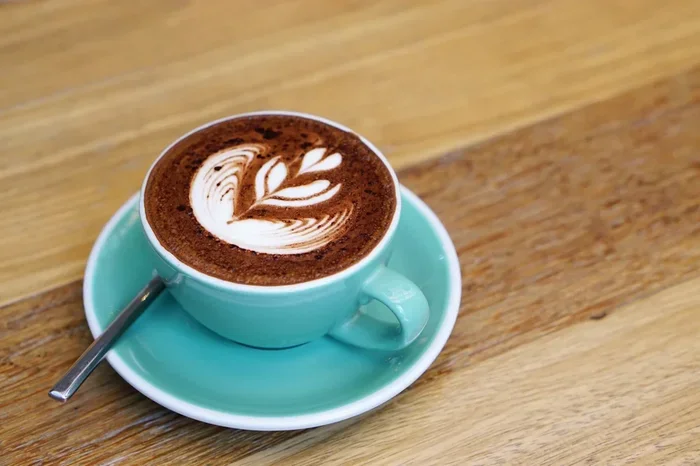
Espresso is made by forcing hot water through finely ground coffee at high pressure. This creates a concentrated shot with a layer of golden-brown foam on top called crema. The crema is a sign of a well-made shot. It adds a smooth, creamy texture and locks in the rich espresso flavor.
Regular coffee brewing relies on gravity. Hot water drips through grounds and slowly extracts flavor. Espresso extraction works differently. The pressure forces water through the grounds quickly, extracting bold flavors and natural oils in a much shorter time. This is why a shot of espresso tastes so intense and full-bodied compared to a standard cup of drip coffee.
Key Components of a Great Espresso Shot
Every great shot of espresso has a few things in common. Here are the elements that matter most:
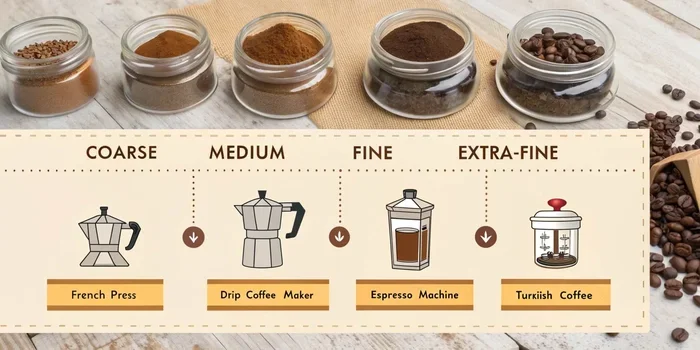
- Fine grind: The coffee grounds should be very fine, almost like powdered sugar. A coarse grind will let water pass through too fast, giving you weak and sour coffee.
- Proper pressure: Standard espresso pressure is around 9 bars. While a home coffee maker cannot replicate this exactly, you can still achieve great results with the right technique.
- Correct water temperature: Water that is too hot will burn the coffee. Water that is too cool will under-extract it. The sweet spot is between 195 and 205 degrees Fahrenheit.
- Fresh beans: Using freshly roasted dark roast coffee or a medium-dark blend gives you the best espresso flavor. Beans that sit on the shelf for months will produce flat, boring shots.
- Crema: A thick, golden layer of foam on top signals a well-extracted shot. It adds body and a velvety mouthfeel to every sip.
Choosing the Right Coffee Maker for Espresso
Not all coffee makers are created equal when it comes to making espresso. Let us look at the types of machines you can use and what to look for.
Types of Coffee Makers That Can Make Espresso
You have several options for brewing espresso at home. Here is a quick breakdown of the most common types:
- Drip coffee makers: Most standard drip machines can make a strong, espresso-like concentrate if you use the right ratio and grind size. They are affordable and widely available.
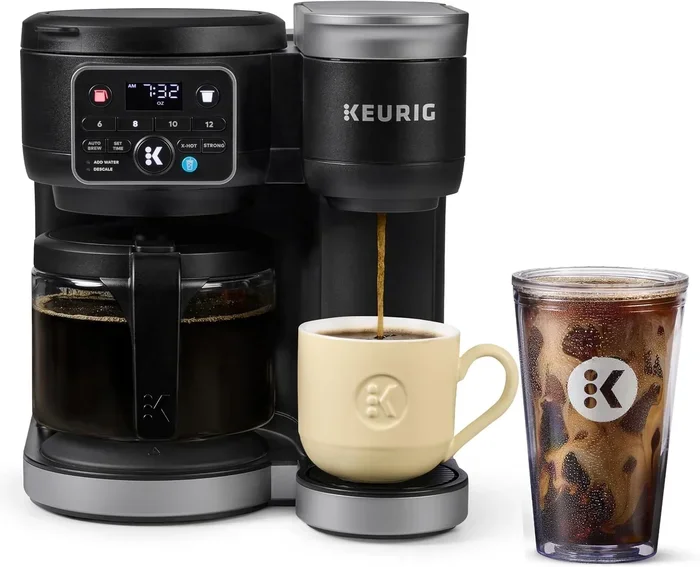
- Single-serve pod machines: Machines like Nespresso or Keurig use pods or capsules to make concentrated coffee that mimics espresso. They are super convenient but limit your bean choices.
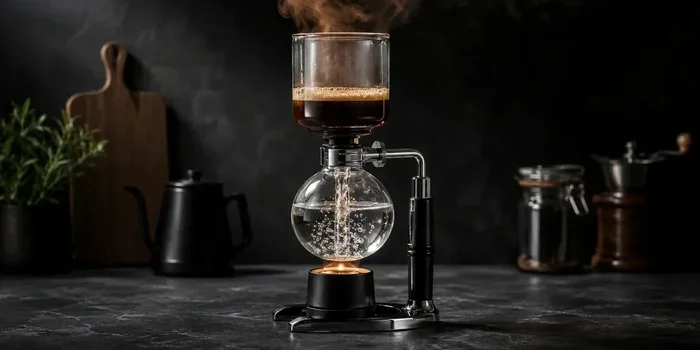
- Moka pots: A stovetop Moka pot uses steam pressure to push water through coffee grounds. It produces a strong, rich brew that is very close to real espresso. Many Italian households rely on Moka pots for their daily Italian coffee fix.
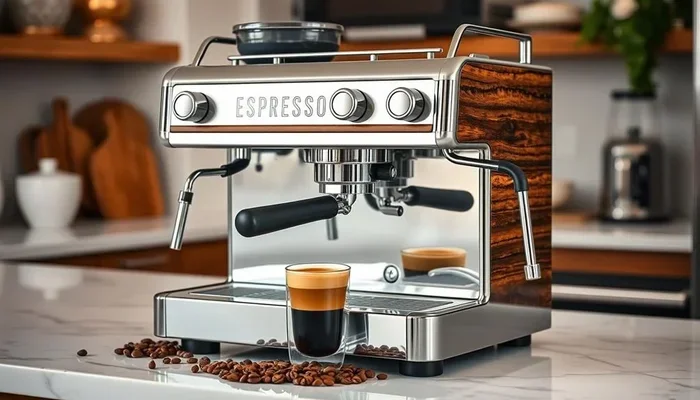
- Espresso machines: These are purpose-built for making espresso. They provide true pressure and temperature control. If you are serious about espresso, this is the best option.
What to Look for in a Coffee Maker
When choosing a coffee maker for espresso, keep these factors in mind:
- Water temperature control: A machine that lets you adjust the brewing temperature gives you more control over extraction.
- Brew strength settings: Some machines offer strong or espresso settings that concentrate the brew.
- Reusable filters: These let you use your own freshly ground beans instead of pre-packaged pods.
- Capacity: Consider how many shots you want to make at once. A larger reservoir is helpful if you make multiple cups.
Step-by-Step Guide to Making Espresso with Your Coffee Maker
Now let us get to the fun part. Here is a detailed, step-by-step guide to brewing espresso using your coffee maker. Follow these steps closely and you will notice a huge difference in flavor and quality.
Step 1: Select and Measure Your Beans
Start with freshly roasted, high-quality espresso beans. Look for beans labeled as “espresso roast” or “dark roast” for the boldest flavor. Measure out about 7 grams of coffee for a single shot and 14 grams for a double shot. Using a kitchen scale ensures consistency every time you brew.
If you are using pre-ground coffee, make sure it is labeled for espresso. Pre-ground coffee loses flavor quickly, so try to buy small amounts and use them within two weeks of opening.
Step 2: Grind Your Coffee to the Right Size
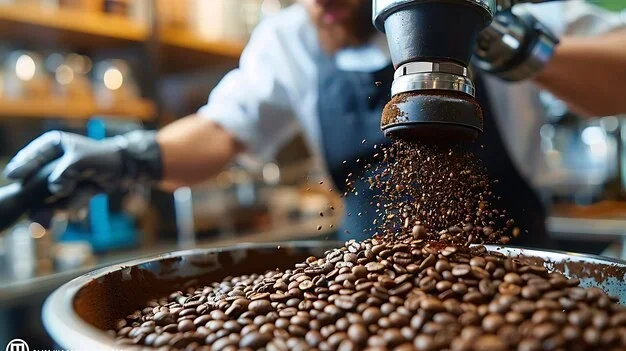
Grind size is one of the most important factors in making great espresso. You want a very fine grind, similar to the texture of table salt or powdered sugar. If your coffee maker does not have a built-in grinder, buy a separate burr grinder. Blade grinders produce inconsistent particles, which lead to uneven extraction and uneven espresso flavor.
Here is a simple way to check your grind:
- Too coarse: Water passes through too fast. Your shot will be weak, watery, and sour.
- Too fine: Water struggles to pass through. Your shot will be slow, bitter, and over-extracted.
- Just right: Water flows steadily and the shot takes about 25 to 30 seconds to brew. The result is a rich, balanced cup with a nice layer of crema.
Step 3: Prepare Your Coffee Maker
Before you start brewing, make sure your coffee maker is clean. Residual oils and old coffee grounds can make your espresso taste stale or bitter. Run a clean cycle with plain water first.
If you are using a reusable filter, rinse it with warm water to remove any papery taste. For Moka pots, make sure the rubber seal is in good condition and the filter basket is not clogged. Clean coffee maker parts regularly to maintain the best espresso flavor over time.
Pro tip: You can clean many coffee maker parts using methods similar to how you would tackle tough kitchen stains. For example, using a dishwasher tablet for cleaning tough residue works wonders on glass carafes and removable parts. Just make sure you rinse everything thoroughly before brewing.
Step 4: Add Water and Coffee
Fill your coffee maker with fresh, cold filtered water. The water quality matters a lot for espresso. Chlorinated or hard water can alter the taste and affect extraction. Use clean, fresh water every time.
Add your measured coffee grounds to the filter basket. Do not pack them too tightly. A gentle, even press works best. Too much pressure can block water flow and cause uneven extraction.
Step 5: Brew Your Espresso
Start the brewing cycle and watch closely. For a coffee maker that is not designed specifically for espresso, you will want to use a smaller cup or shot glass to catch the concentrate. The brew should be slower and more concentrated than regular drip coffee.
Here are some tips during brewing:
- Watch the flow rate: A steady, slow drip is ideal. If water rushes through, your grind may be too coarse.
- Listen for changes: As the brewing progresses, you will hear the sound change. This can signal when the shot is nearing completion.
- Time the brew: Aim for the brewing process to take about 25 to 30 seconds for a single shot. Adjust your grind size if needed.
Step 6: Serve and Enjoy
Pour your freshly brewed espresso into a warm espresso cup or small glass. The warm cup helps preserve the crema and keeps the shot at the perfect drinking temperature.
Enjoy your espresso as-is, or add a splash of hot water for an Americano, or steamed milk for a latte. The beauty of making espresso at home is that you can customize it to your exact taste. Once you get the hang of the base shot, you can experiment with different drinks and flavor combinations.
Common Mistakes to Avoid When Making Espresso
Even experienced coffee lovers make mistakes when brewing espresso. Here are the most common errors and how to avoid them.
Using Stale or Low-Quality Beans
This is the number one mistake people make. Stale beans produce flat, lifeless espresso with no crema and little flavor. Always check the roast date on your bag. For the best results, use beans within two to four weeks of roasting. Store them in an airtight container away from light and heat.
Grinding Too Coarse or Too Fine
Getting the grind size wrong ruins the entire shot. Too coarse and the water rushes through without extracting enough flavor. Too fine and the water cannot pass through, leading to a bitter, over-extracted mess. Invest in a good burr grinder and take the time to dial in your grind size. It makes all the difference in the world.
Using the Wrong Water Temperature
Boiling water will scorch your coffee grounds and create a burnt, bitter taste. Water that is too cool will under-extract and produce sour, weak coffee. Aim for water between 195 and 205 degrees Fahrenheit. If your coffee maker does not have temperature control, let boiling water sit for 30 seconds before using it.
Skipping the Cleaning Routine
A dirty coffee maker is the enemy of great espresso. Old coffee oils build up inside the machine and turn rancid over time. This taints every cup you brew. Clean your machine after every use and perform a deep clean at least once a month. Regular maintenance keeps your machine running at peak performance and your espresso flavor tasting its best.
Rushing the Process
Making great espresso takes patience. Do not rush the grinding, the brewing, or the pouring. Each step matters. Take your time, pay attention to the details, and you will see a dramatic improvement in your shots. Think of it as a morning ritual that sets the tone for your entire day.
Pairing Your Espresso with the Perfect Food
Espresso tastes even better when paired with the right food. The bold, slightly bitter flavor of espresso complements sweet and savory dishes beautifully.
Sweet Pairings
Classic Italian pastries are the traditional partners for espresso. Think biscotti, cannoli, or a simple slice of lemon cake. The sweetness balances the bitterness of the coffee and creates a harmonious flavor experience.
If you enjoy toast with your morning coffee, try making a simple toast using your oven. You can create crispy, buttery bread that pairs wonderfully with a shot of rich espresso. A warm piece of toast with jam or honey is a simple yet satisfying combination that takes seconds to prepare.
Savory Pairings
Do not overlook savory options. A small piece of dark chocolate, a slice of aged cheese, or even a savory pastry can pair beautifully with espresso. The roasted, complex flavors of espresso bring out hidden notes in foods you might not expect.
Maintaining Your Coffee Maker for the Best Espresso
A well-maintained coffee maker produces better espresso and lasts much longer. Here is how to keep your machine in top shape.
Daily Cleaning Routine
After every use, remove the filter basket and rinse it with warm water. Wipe down the exterior and the carafe or cup holder. Empty any leftover water from the reservoir and refill with fresh water for the next brew. These simple habits prevent buildup and keep your espresso tasting fresh.
Monthly Deep Clean
Once a month, perform a deeper clean. Run a cycle with a mixture of water and white vinegar to dissolve mineral deposits and coffee oils. For machines with removable parts, wash them with warm soapy water and dry thoroughly before reassembling.
Remember, proper maintenance of your coffee maker is similar to maintaining any kitchen appliance. Just as you would learn how to set the clock on a Krups toaster oven to keep your kitchen running smoothly, regular care of your coffee maker ensures it performs at its best every day.
Replacing Parts When Needed
Over time, rubber seals, filters, and other parts wear out. Replace them as needed to maintain the quality of your espresso. A worn seal can cause leaks and affect water pressure, which directly impacts your shot quality. Keep spare parts on hand and check your machine regularly for signs of wear.
Advanced Tips for Espresso Lovers
Once you have mastered the basics, try these advanced techniques to take your espresso to the next level.
Experiment with Different Beans
Try beans from different regions and roasts. Ethiopian beans bring fruity, floral notes. Brazilian beans offer chocolatey, nutty flavors. Colombian beans are balanced and smooth. Blending different beans lets you create a custom espresso flavor profile that is uniquely yours.
Dial In Your Grind Size
Take a few minutes to experiment with your grind size. Make small adjustments and taste the results. Keep a notebook of your settings and what you liked about each shot. Over time, you will develop an intuition for what works best with your specific coffee maker and beans.
Master the Art of Tamping
If your machine uses a portafilter, learn to tamp evenly. Apply about 30 pounds of pressure with a level wrist. A consistent tamp ensures even water flow and balanced extraction. This small detail can transform your espresso from average to outstanding.
Try Different Ratios
The standard espresso recipe uses a 1:2 ratio of coffee to water. Try adjusting this to 1:1 for a ristretto (shorter, sweeter) or 1:3 for a lungo (longer, more diluted). Finding your preferred ratio is part of the fun of making espresso at home.
Conclusion
Making espresso using your coffee maker is a rewarding skill that anyone can learn. You do not need expensive equipment or years of experience. With the right beans, the right grind, and a little patience, you can brew rich, flavorful espresso in the comfort of your own home.
Start with the basics and gradually refine your technique. Pay attention to grind size, water temperature, and brew time. Clean your machine regularly and never be afraid to experiment. Every shot you make teaches you something new about the art of coffee brewing.
The journey to perfect espresso is one of the most enjoyable parts of being a coffee lover. So grab your beans, fire up your coffee maker, and start brewing. Your perfect shot of espresso is just a few minutes away.
Frequently Asked Questions
Can any coffee maker make espresso?
Most coffee makers can produce a strong, espresso-like concentrate if you use a fine grind and the right ratio of coffee to water. However, machines specifically designed for espresso will give you the best results with proper pressure and temperature control.
What kind of beans are best for making espresso?
Dark roast beans or espresso blends work best for making rich, bold espresso. Freshly roasted beans within two to four weeks of the roast date give you the most flavor and the best crema on top of your shot.
How fine should I grind my coffee for espresso?
Your espresso grind should be very fine, similar to the texture of table salt or powdered sugar. If the shot runs too fast and tastes weak, grind finer. If it struggles to drip and tastes bitter, grind slightly coarser.
How do I clean my coffee maker for the best espresso?
Rinse the filter basket and carafe after every use. Perform a deep clean with a water and vinegar solution once a month. Regular cleaning removes built-up oils and mineral deposits that can affect the taste of your espresso.
What is crema and why does it matter?
Crema is the golden-brown foam that forms on top of a well-made espresso shot. It adds a smooth, creamy texture and indicates that the coffee was extracted properly. Thick, persistent crema is a sign of high-quality espresso.
How long does it take to make espresso with a coffee maker?
A single shot takes about 25 to 30 seconds to brew with a properly set-up coffee maker. The total preparation time, including grinding and measuring, is usually around five minutes. Once you get comfortable with the process, you can make a fresh shot in under three minutes.