Does Drinking Coffee Make You Fart And Feel Bloated
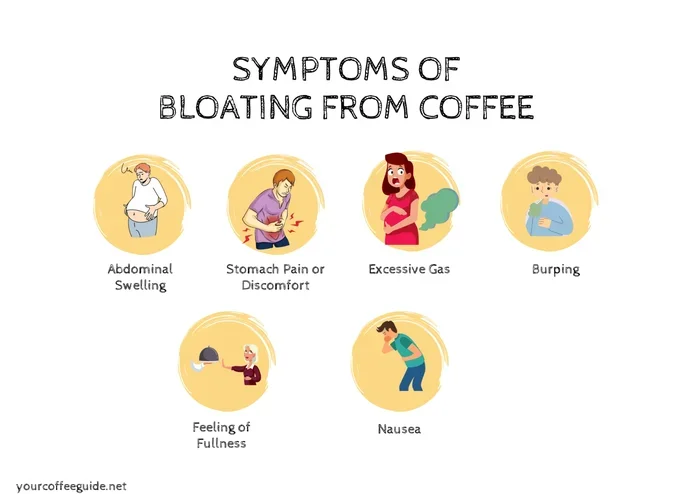
Yes, drinking coffee can make you fart and feel bloated. The acidity, caffeine, and natural compounds in coffee stimulate your digestive system, increase stomach acid production, and can irritate your gut. Whether you drink regular or decaf, coffee affects people differently based on their sensitivity, brewing method, and what you add to your cup.
You sip your morning cup, enjoy the warm boost, and then… your stomach starts rumbling. Before you know it, you feel bloated and gassy. If this sounds familiar, you are not alone. Many coffee lovers deal with the uncomfortable question: does drinking coffee make you fart and feel bloated? The short answer is yes. But the full story is more interesting than you might think.
Coffee and gas are connected in ways that go beyond just drinking a hot cup. Your gut bacteria, the acidity of the brew, what you add to your coffee, and even the timing of your morning cup all play a role. In this article, we will break down exactly why coffee causes bloating and farting, what you can do about it, and when you should pay closer attention to your symptoms.
Whether you drink one cup a day or five, understanding how coffee affects your digestive system can help you enjoy your favorite beverage without the uncomfortable side effects. Let us dive in.
Key Takeaways
- Coffee stimulates digestion: Caffeine and acids in coffee speed up gut movement, which can lead to gas and bloating.
- Additives matter: Creamers, milk, and sweeteners in coffee can worsen bloating for many people.
- Acidity is a key factor: The natural acidity in coffee can irritate your stomach lining and cause digestive discomfort.
- Drinking on an empty stomach makes it worse: Consuming coffee without food increases the chance of gas and bloating.
- Switching to low-acid or cold brew can help: These options are gentler on your digestive system.
- Probiotic foods support gut health: Adding fermented foods to your diet can counteract some of coffee’s digestive effects.
- Small habit changes reduce symptoms: Drinking slower, eating before coffee, and choosing the right additives can make a big difference.
📑 Table of Contents
- Why Does Coffee Make You Fart and Feel Bloated?
- What in Coffee Causes the Most Gas?
- Does Decaf Coffee Cause Gas Too?
- Who Is Most Likely to Experience Coffee Bloating?
- How to Stop Coffee from Making You Gassy
- When Should You See a Doctor About Coffee-Related Bloating?
- Quick Tips to Reduce Coffee Bloating
- Final Thoughts on Coffee and Bloating
Why Does Coffee Make You Fart and Feel Bloated?
If you have ever wondered why does coffee make you fart, the answer lies in how coffee interacts with your digestive system. Coffee is not just a simple beverage. It contains dozens of compounds that actively influence your gut. Let us look at the main reasons behind this common problem.
The Role of Caffeine in Digestion
Caffeine is a stimulant. It wakes up your brain, but it also wakes up your gut. When you drink coffee, caffeine signals your digestive tract to speed up. This increased movement, called peristalsis, pushes food through your intestines faster than usual. When food moves too quickly, your gut does not have enough time to fully break it down. The result? More gas production and that uncomfortable bloated feeling.
Caffeine bloating is a real thing. Even people who do not normally experience gas can feel it after a strong cup of coffee. The stimulant effect on your colon is similar to what happens after you eat a meal, but coffee triggers it on an empty stomach even more intensely.
Coffee Acidity and Stomach Irritation
Coffee is naturally acidic. The pH level of most brewed coffee falls between 4.5 and 5.5, which is quite acidic. This acidity can irritate your stomach lining, especially if you already have a sensitive gut. When your stomach lining gets irritated, it produces more acid to compensate. This extra acid can lead to bloating, gas, and even a feeling of nausea.
If you drink acidic coffee regularly, you might notice that your coffee stomach issues get worse over time. People with conditions like acid reflux or gastritis often report that coffee makes their symptoms significantly worse.
How Coffee Affects Gut Bacteria
Your gut is home to trillions of bacteria. These gut bacteria help you digest food and produce gas as a natural byproduct. Coffee changes the balance of these bacteria in subtle ways. Some studies suggest that coffee can promote the growth of certain bacteria that produce more gas. This shift in your coffee and gut bacteria balance can explain why some people feel gassy after drinking coffee even when they do not drink it on an empty stomach.
Coffee and Bowel Movements
Many people notice that coffee makes them need to use the bathroom. This is because coffee stimulates the production of stomach acid and triggers the release of hormones that promote bowel movements. While this can be helpful for people who struggle with constipation, it can also mean that your digestive system is moving so fast that it creates excess gas. The coffee and bowel movement connection is real, and it directly contributes to bloating and flatulence.
What in Coffee Causes the Most Gas?
Not all coffee is created equal when it comes to causing gas. Some components of coffee are more likely to trigger bloating than others. Let us break down the main culprits.
Chlorogenic Acids
Coffee contains natural compounds called chlorogenic acids. These are responsible for some of the health benefits of coffee, but they also increase stomach acid production. More stomach acid means more irritation, and more irritation means more gas. If you drink regular brewed coffee, you are getting a good dose of these acids.
Dairy and Coffee Creamers
What you put in your coffee matters just as much as the coffee itself. If you add milk, cream, or flavored coffee creamer bloating triggers, you might be making the problem worse. Lactose, the sugar found in milk, is a common cause of gas. Many people are slightly lactose intolerant without even knowing it. When they drink coffee with milk, the lactose ferments in their gut and produces gas.
Even non-dairy creamers can cause issues. Artificial sweeteners like sorbitol and maltodextrin are known to produce gas. If your creamer contains these ingredients, it could be the real reason you feel bloated after your morning cup.
Sulfur Compounds
Coffee contains sulfur compounds. When these compounds are broken down in your gut, they produce hydrogen sulfide, which is the gas responsible for the smell of flatulence. So not only does coffee make you fart more, but it can also make your gas smell worse.
Does Decaf Coffee Cause Gas Too?
A common question is whether decaf coffee gas is a real thing. The answer is yes. While decaf coffee has less caffeine, it still contains the same acids and compounds that can irritate your stomach. The decaffeination process removes most of the caffeine, but it does not remove the chlorogenic acids or the other compounds that trigger gas production.
If you have switched to decaf thinking it would solve your bloating problem, you might still experience symptoms. However, some people do find that decaf causes less gas than regular coffee, simply because the caffeine-driven stimulation of the gut is reduced.
Who Is Most Likely to Experience Coffee Bloating?
Not everyone who drinks coffee gets gassy. Some people can drink multiple cups a day without any digestive issues, while others feel bloated after just one sip. Here is what makes certain people more sensitive to coffee and bloating.
People with Sensitive Stomachs
If you already deal with a sensitive digestive system, coffee can amplify your symptoms. People with coffee and IBS often report that coffee triggers their IBS symptoms, including bloating, gas, diarrhea, and stomach cramps. The acidity and caffeine in coffee act as triggers for an already sensitive gut.
People with Lactose Intolerance
If you add milk or cream to your coffee and you are lactose intolerant, the combination can be a perfect storm for gas and bloating. Your body cannot fully digest lactose, so it sits in your gut and ferments. This fermentation produces gas, which leads to that bloated feeling.
People Who Drink Coffee on an Empty Stomach
Drinking coffee on an empty stomach is one of the worst things you can do if you are prone to bloating. Without food to buffer the acidity, the coffee goes straight to your stomach lining and causes irritation. This irritation triggers a cascade of digestive responses that lead to gas and discomfort.
How to Stop Coffee from Making You Gassy
The good news is that you do not have to give up coffee to avoid gas and bloating. There are several simple strategies that can help you enjoy your coffee without the uncomfortable side effects.
Eat Before You Drink Coffee
This is the single most effective tip. Eating a balanced meal or snack before your morning coffee gives your stomach something to work with. The food buffers the acidity and slows down the digestive stimulation caused by caffeine. Try having some oatmeal, eggs, or even a simple piece of toast before your first cup. If you love breakfast pairings, learning how-to-make-toast-in-oven-without-toaster can be a great way to prepare a gentle, easy-to-digest breakfast that pairs well with your coffee.
Choose Low-Acid Coffee
Not all coffee is equally acidic. Some brands and brewing methods produce coffee that is much gentler on your stomach. Cold brew coffee, for example, is significantly less acidic than hot brewed coffee. The cold water extraction process pulls out fewer of the acidic compounds. If you want to explore different options, you might also enjoy learning about does-parmesan-cheese-melt-in-the-oven as a fun side note for your breakfast routine, since dairy and cheese can also affect your digestion when paired with coffee.
Switch to Plant-Based Creamers
If dairy is causing your bloating, try switching to a plant-based creamer. Oat milk creamers are a popular choice because they are naturally low in lactose and are usually easier to digest. Just make sure to check the ingredient list for artificial sweeteners, which can cause their own gas problems.
Add Probiotics to Your Diet
Probiotics help balance the bacteria in your gut, which can reduce the gas-producing effects of coffee. Yogurt is one of the best natural sources of probiotics. If you are curious about incorporating more fermented foods into your routine, you might wonder whether you can heat yogurt in cooking. For example, many people ask can-you-bake-yogurt-in-the-oven when looking for new ways to add probiotics to baked goods and meals.
Drink Your Coffee Slower
When you chug your coffee quickly, you swallow air along with the liquid. This extra air gets trapped in your digestive system and contributes to bloating and gas. Try drinking your coffee slowly and in smaller sips. This simple habit change can make a noticeable difference.
Try Gut-Friendly Additives
Adding a pinch of cinnamon or a small piece of ginger to your coffee can help soothe your digestive system. Both cinnamon and ginger have natural anti-inflammatory properties that can reduce stomach irritation. Some people also find that adding a small amount of coconut oil helps coat the stomach and reduce acid production.
When Should You See a Doctor About Coffee-Related Bloating?
Occasional bloating after coffee is normal and usually nothing to worry about. However, if you experience persistent digestive issues, it might be time to talk to a healthcare professional. Here are some signs that you should seek medical advice:
- Chronic bloating that does not go away even when you change your coffee habits
- Severe stomach pain that accompanies your bloating
- Persistent diarrhea or changes in bowel movements that last more than a few days
- Blood in your stool or unusual digestive bleeding
- Unexplained weight loss along with digestive discomfort
- Symptoms that interfere with your daily life or sleep
These symptoms could indicate an underlying condition like irritable bowel syndrome, acid reflux disease, or a food intolerance that goes beyond just coffee. A doctor can help you identify the root cause and create a plan to manage your symptoms.
Quick Tips to Reduce Coffee Bloating
Here is a quick list of actionable tips you can start using today:
- Always eat something before drinking coffee
- Switch to cold brew or low-acid coffee varieties
- Use plant-based creamers or reduce the amount of dairy
- Drink your coffee slowly and in small sips
- Add ginger or cinnamon to soothe your stomach
- Limit your coffee intake to 1 to 2 cups per day
- Stay hydrated by drinking water alongside your coffee
- Try probiotic-rich foods like yogurt or kefir
- Avoid drinking coffee late at night, which can disrupt digestion overnight
- Experiment with different brewing methods to find what works best for your stomach
Small changes can lead to big improvements. You do not need to give up your morning coffee to stop feeling bloated and gassy. Just be mindful of how your body responds and make adjustments accordingly.
Final Thoughts on Coffee and Bloating
The relationship between coffee and gas is complex but manageable. Coffee stimulates your digestive system, increases stomach acid, and can disrupt the balance of gut bacteria. All of these factors contribute to the bloating and farting that many people experience after their morning cup.
The good news is that you have plenty of options to reduce these symptoms. From changing when you drink coffee to switching up what you put in it, small adjustments can make a big difference. Pay attention to how your body responds, experiment with different approaches, and do not be afraid to seek professional advice if your symptoms persist.
Remember, coffee and digestive issues are common, and you are not alone in dealing with them. With the right knowledge and a few simple habit changes, you can keep enjoying your favorite brew without the uncomfortable side effects. Your morning coffee should be a pleasant start to your day, not a source of embarrassment and discomfort.
So the next time you brew a cup, keep these tips in mind. Your gut will thank you, and you can enjoy your coffee with confidence.
Frequently Asked Questions
Why does coffee make me fart right after drinking it?
Coffee stimulates your digestive system by increasing stomach acid production and speeding up gut movement. This rapid digestion can cause food to ferment faster in your intestines, producing gas that leads to farting shortly after drinking coffee.
Can drinking coffee on an empty stomach cause more bloating?
Yes, drinking coffee on an empty stomach significantly increases bloating. Without food to buffer the acidity, the coffee directly irritates your stomach lining, triggering excess acid production and digestive discomfort that leads to gas and a bloated feeling.
Does the type of coffee matter for bloating?
Absolutely. Cold brew coffee is less acidic than hot brewed coffee and is generally gentler on your stomach. Dark roast coffee tends to be less acidic than light roast. The brewing method and roast level both play a role in how much bloating you might experience.
Are there any coffee alternatives that do not cause gas?
Yes, several alternatives can give you a similar energy boost without the bloating. Herbal teas like ginger tea or peppermint tea are gentle on the stomach. Mushroom coffee and low-acid coffee blends are also worth trying if you want to reduce gas while still enjoying a warm morning drink.
How long does coffee bloating last?
Coffee bloating typically lasts between 30 minutes and a couple of hours, depending on your sensitivity and how much coffee you drank. If your bloating persists for many hours or becomes chronic, it may be worth examining your overall diet and coffee habits more closely.
Is it normal to fart more when drinking multiple cups of coffee a day?
Yes, it is very normal. The more coffee you drink, the more caffeine and acid you consume, which amplifies the stimulant effect on your gut. Multiple cups increase stomach acid production and speed up digestion even more, leading to more gas and farting throughout the day.
=== CONCLUSION ===
Does drinking coffee make you fart and feel bloated? The answer is a clear yes for many people. Coffee’s acidity, caffeine content, and natural compounds all contribute to increased gas production and digestive discomfort. But understanding why this happens is the first step toward finding relief. By eating before you drink, choosing the right type of coffee, watching what you add to your cup, and making a few simple habit changes, you can enjoy your coffee without the embarrassing side effects. Listen to your body, make adjustments, and never let bloating steal the joy from your morning cup.