Does Decaf Coffee Have Any Caffeine In It Right Now
Yes, decaf coffee does contain a small amount of caffeine, but the levels are dramatically lower than regular coffee. Most decaf coffee contains about 2 to 5 milligrams of caffeine per cup, compared to 70 to 140 milligrams in a standard cup of regular coffee. Understanding how the decaf coffee process works helps you make informed choices about your daily caffeine intake.
Does decaf coffee have any caffeine in it? This is one of the most common questions coffee lovers ask. The short answer is yes, but only a tiny amount. Many people assume that decaf means zero caffeine, but that is not entirely true. Understanding what really goes into your cup helps you enjoy your morning coffee with confidence.
The decaf coffee process removes most of the caffeine from coffee beans, but it does not remove every single milligram. This is important to know, especially if you are sensitive to caffeine or trying to limit your daily intake. In this guide, we will break down everything you need to know about caffeine levels in decaf coffee, how it is made, and why it still tastes great.
Whether you drink decaf for health reasons or just prefer the taste without the jitters, this article covers it all. We will explore the science, the methods, and the myths. By the end, you will have a clear picture of what caffeine content per cup actually looks like in decaf coffee.
Key Takeaways
- Decaf coffee is not completely caffeine-free: It still contains trace amounts, typically 2 to 5 mg per cup.
- Multiple decaffeination methods exist: Swiss Water, CO2, ethyl acetate, and methylene chloride are the most common.
- Decaf vs regular coffee shows a huge caffeine difference: Regular coffee has up to 140 mg per cup, while decaf has less than 5% of that.
- Caffeine sensitivity varies by person: Those with high sensitivity should still monitor their decaf consumption.
- Label reading matters: Not all decaf coffee is created equal, and caffeine levels can vary by brand and method.
- Health benefits exist for decaf drinkers: Switching to decaf can reduce caffeine-related side effects while retaining antioxidants.
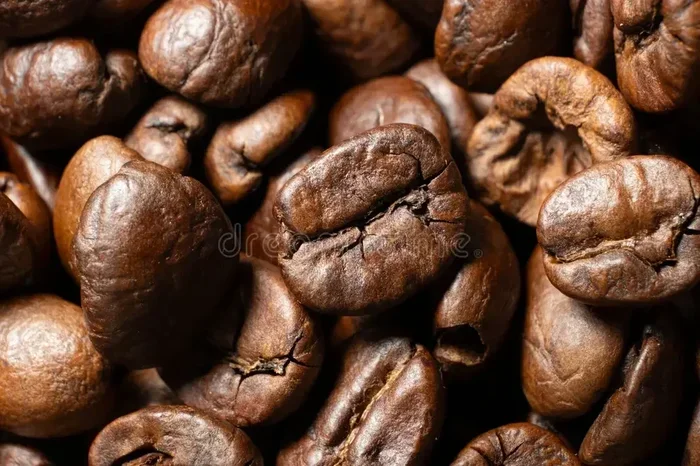
- Coffee beans play a role: The type of bean and roasting process can affect the final caffeine content.
📑 Table of Contents
What Is Decaf Coffee And How Is It Made?
Decaf coffee starts as regular coffee beans. The difference is that these beans go through a special process to remove most of the caffeine before they are roasted and brewed. The goal is to keep the flavor while cutting out the caffeine that gives regular coffee its energy boost.
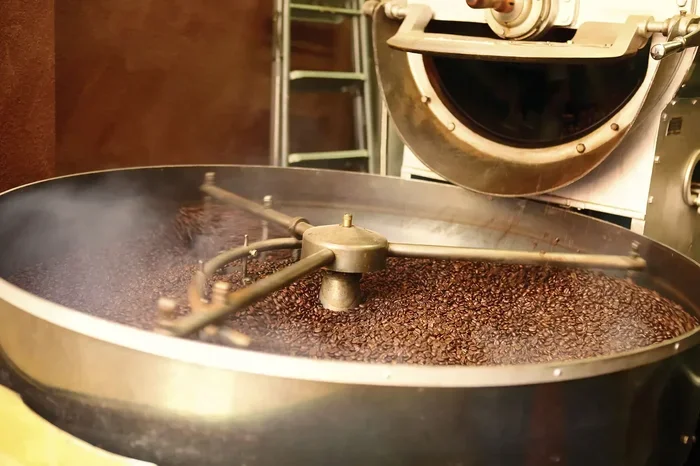
The process begins long before you brew your cup. Green, unroasted coffee beans are treated using one of several methods. Each method uses water, solvents, or pressure to draw out the caffeine. The beans are then washed, steamed, and roasted just like regular coffee beans.
The Decaffeination Process Explained
The decaffeination process is fascinating. It involves soaking or steaming the green coffee beans to open their pores. Once the pores are open, caffeine molecules can be extracted. The exact method used determines how much caffeine remains and how the flavor is affected.
Most decaffeination methods aim to remove about 97% of the caffeine. This leaves a small trace behind. The remaining trace caffeine is usually between 2 and 5 milligrams per 8-ounce cup. Compare that to a regular cup of coffee, which can have anywhere from 70 to 140 milligrams.
The process is similar to how browning flour in the oven requires careful temperature control. In the same way, decaffeination depends on precise conditions to remove caffeine without ruining the flavor profile of the beans.
Common Decaffeination Methods
There are four main methods used to make decaf coffee. Each one works differently and has its own pros and cons. Let us look at them more closely.
- Swiss Water Process: This method uses only water and charcoal filters. No chemicals are involved. The beans are soaked in hot water to dissolve the caffeine. The water then passes through a carbon filter that traps the caffeine molecules. The flavor-rich water is returned to the beans. This method is popular among organic coffee brands.
- CO2 Process: Carbon dioxide is used under high pressure to extract caffeine. The CO2 acts as a natural solvent. It binds to caffeine molecules and removes them from the beans. This method is considered very safe and preserves the flavor well. It is often used for large-scale commercial decaf production.
- Ethyl Acetate Method: This method uses a naturally occurring chemical solvent found in fruits. The ethyl acetate bonds with caffeine and removes it from the beans. Some people prefer this method because the solvent is derived from natural sources. However, trace amounts of the solvent may remain.
- Methylene Chloride Method: This is one of the oldest and most widely used methods. Methylene chloride is a chemical solvent that binds to caffeine. The beans are steamed after treatment to remove any remaining solvent traces. While approved by the FDA, some health-conscious consumers prefer to avoid this method.
Each method has a different impact on the final caffeine levels in the coffee. The Swiss Water and CO2 methods tend to leave the least amount of caffeine behind. The chemical methods are also effective but may leave slightly more traces depending on how thoroughly the beans are processed.
How Much Caffeine Is Actually In Decaf Coffee?
The amount of caffeine in decaf coffee is much lower than in regular coffee, but it is not zero. If you are wondering whether does decaf coffee have any caffeine in it, the answer is yes, just a very small amount.
Caffeine Content Compared To Regular Coffee
To put things in perspective, let us compare the numbers. A standard 8-ounce cup of regular coffee contains about 70 to 140 milligrams of caffeine. A cup of decaf coffee from the same bean type contains only about 2 to 5 milligrams.
That means decaf coffee has less than 3% of the caffeine found in regular coffee. For most people, this amount is negligible. However, for those with extreme caffeine sensitivity, even 2 milligrams can make a difference.
Here is a simple comparison to help you understand the difference:
- Regular brewed coffee (8 oz): 70 to 140 mg of caffeine
- Decaf brewed coffee (8 oz): 2 to 5 mg of caffeine
- Espresso shot (1 oz): 63 mg of caffeine (regular)
- Decaf espresso shot (1 oz): 0 to 15 mg of caffeine
- Instant regular coffee (8 oz): 30 to 90 mg of caffeine
- Decaf instant coffee (8 oz): 2 to 5 mg of caffeine
As you can see, the caffeine content per cup drops dramatically with decaf. Even a double shot of decaf espresso will have far less caffeine than a single regular espresso.
Factors That Affect Caffeine Levels In Decaf Coffee
Not all decaf coffee is exactly the same. Several factors can influence how much caffeine remains in your final cup.
- Type of coffee bean: Robusta beans naturally contain more caffeine than Arabica beans. So a decaf Robusta coffee may have slightly more residual caffeine than a decaf Arabica.
- Decaffeination method used: As we discussed above, different methods remove different percentages of caffeine. The Swiss Water process typically removes 99.9% of caffeine, while other methods may leave slightly more behind.
- Roasting level: Darker roasts lose more caffeine during the roasting process itself. However, this effect is small compared to the decaffeination step.
- Brewing time and temperature: Just like baking a roast at the right temperature affects the final result, how you brew your decaf coffee can influence how much caffeine ends up in the cup. Longer brewing times can extract slightly more caffeine from the beans.
- Brand and serving size: Different brands use different bean sources and decaffeination methods. A large serving from a brand that uses a less thorough method could have slightly more caffeine than expected.
The roasting timeline is much like roasting carrots and potatoes, where timing affects the final result. Similarly, the duration and conditions of decaffeination and roasting both play a role in the caffeine content of the final product.
Why People Choose Decaf Coffee
Millions of people around the world drink decaf coffee every day. The reasons vary from person to person, but the benefits are clear and well-documented.
Health Benefits Of Switching To Decaf
Switching to decaf does not mean you lose out on the health benefits of coffee. Decaf coffee still contains antioxidants, such as chlorogenic acid, which support heart health and reduce inflammation. The caffeine-free version allows you to enjoy these benefits without the side effects of too much caffeine.
Here are some of the key health benefits of drinking decaf:
- Better sleep quality: Caffeine can disrupt sleep patterns, especially when consumed late in the day. Decaf lets you enjoy coffee in the evening without affecting your rest.
- Reduced anxiety: Too much caffeine can cause jitteriness, anxiety, and rapid heartbeat. Decaf eliminates these symptoms while still providing the comforting ritual of a warm cup.
- Lower blood pressure: Caffeine can temporarily raise blood pressure. Switching to decaf can help maintain more stable levels throughout the day.
- Fewer digestive issues: Caffeine can stimulate acid production in the stomach, leading to heartburn or acid reflux. Decaf is gentler on the digestive system.
- Antioxidant benefits remain: The decaffeination process preserves most of the beneficial antioxidants found in regular coffee beans.
Who Should Drink Decaf Coffee?
Decaf coffee is a great option for many groups of people. Pregnant women are often advised to limit caffeine intake, and decaf provides a safe alternative. People with heart conditions or anxiety disorders may also benefit from switching to decaf. Older adults who are sensitive to caffeine can enjoy their favorite beverage without the negative side effects.
Even if you do not have a specific health reason, there is nothing wrong with enjoying decaf. Some people simply prefer the taste of coffee without the stimulating effects of caffeine. It is a personal choice, and there is no right or wrong answer.
Myths And Misconceptions About Decaf Coffee
There are many myths surrounding decaf coffee. Let us clear up some of the most common misunderstandings about does decaf coffee have any caffeine in it and the decaffeination process.
Common Myths Debunked
Myth 1: Decaf coffee is completely caffeine-free. This is the biggest myth. As we have discussed, decaf coffee contains small amounts of caffeine, typically 2 to 5 mg per cup. It is not 100% caffeine-free, though the amount is very low.
Myth 2: Decaf coffee has no health benefits. This is false. Decaf coffee retains most of the antioxidants and beneficial compounds found in regular coffee. The decaffeination process does not strip away these nutrients.
Myth 3: All decaf coffee tastes the same. The flavor of decaf coffee depends on the bean origin, roast level, and decaffeination method. Swiss Water processed decaf often tastes closer to regular coffee because no chemicals are used. Other methods can slightly alter the flavor profile.
Myth 4: Decaf coffee is just regular coffee with caffeine removed at home. You cannot simply remove caffeine from brewed coffee at home. The decaffeination process must happen at the green bean stage, before roasting. This is a highly controlled industrial process.
Myth 5: Decaf coffee causes headaches or withdrawal. While it is possible to be sensitive to the tiny amount of caffeine in decaf, most people do not experience withdrawal symptoms from drinking decaf. The caffeine content is simply too low to cause dependence.
How To Choose The Best Decaf Coffee
Not all decaf coffee is created equal. If you want the best flavor and the lowest caffeine levels, you need to know what to look for on the label.
What To Look For On The Label
Start by checking the decaffeination method. Brands that use the Swiss Water process or CO2 process tend to have the lowest caffeine content and the best flavor retention. Look for labels that mention “naturally decaffeinated” or “chemical-free.”
Next, consider the bean type. Arabica beans are generally preferred for decaf because they have a smoother flavor and naturally lower caffeine content. Robusta beans are harsher and contain more caffeine, even before decaffeination.
Also pay attention to the roast date. Freshly roasted decaf coffee tastes better than old stock. Look for bags with a roast date printed on them rather than just a best-by date.
The coffee beans you choose matter just as much for decaf as they do for regular coffee. Single-origin decaf coffees often have more distinctive flavors than blended decaf options. Try different origins like Colombian, Ethiopian, or Swiss decaf to find what suits your taste.
If you are concerned about caffeine intake, stick to one cup per day and choose a reputable brand that uses a thorough decaffeination method. This gives you the best of both worlds: great taste and minimal caffeine.
Final Thoughts On Decaf Coffee And Caffeine
So, does decaf coffee have any caffeine in it right now? Yes, it does, but only a tiny amount. The decaf coffee process removes the vast majority of caffeine, leaving just 2 to 5 milligrams per cup. This is a negligible amount for most people and a huge reduction compared to the 70 to 140 milligrams found in regular coffee.
Understanding how decaf coffee is made helps you appreciate the craftsmanship behind every cup. The various decaffeination methods, from Swiss Water to CO2 extraction, ensure that you can enjoy coffee without the stimulating effects of caffeine. Each method has its own strengths, and the best choice depends on your personal preferences and health needs.
If you are caffeine sensitive, decaf is a wonderful way to continue enjoying the rich, complex flavors of coffee without the side effects. If you are simply curious, now you know the truth: decaf is not caffeine-free, but it is very close. The trace amounts present are unlikely to affect most people in any meaningful way.
Whether you drink decaf for health reasons, personal preference, or just because you enjoy the taste, you can do so with confidence. The science is clear, the methods are safe, and the options are plentiful. The next time someone asks you, “Does decaf coffee have any caffeine in it?” you will have a clear, accurate answer ready.
Choose quality beans, pick a trusted brand, and enjoy your cup of decaf coffee knowing exactly what you are getting. The world of caffeine-free coffee is rich, flavorful, and full of options. Explore it with confidence and find your perfect cup.
Frequently Asked Questions
Is decaf coffee completely caffeine-free?
No, decaf coffee is not completely caffeine-free. It typically contains 2 to 5 milligrams of caffeine per 8-ounce cup. This is a very small amount compared to regular coffee, which has 70 to 140 milligrams per cup.
How is caffeine removed from coffee beans?
Caffeine is removed from green coffee beans using several methods, including the Swiss Water process, CO2 process, ethyl acetate method, and methylene chloride method. Each method uses water, pressure, or natural solvents to extract caffeine while preserving flavor.
Can decaf coffee keep you awake?
It is very unlikely. The 2 to 5 milligrams of caffeine in a cup of decaf is too small to cause stimulation in most people. However, individuals with extreme caffeine sensitivity might notice a very mild effect.
Does the roasting process remove caffeine from coffee?
Roasting does reduce caffeine slightly, but the main caffeine removal happens during the decaffeination process before roasting. Darker roasts lose a bit more caffeine than lighter roasts, but the difference is small.
Is decaf coffee healthier than regular coffee?
Decaf coffee retains most of the antioxidants and health benefits of regular coffee but without the caffeine-related side effects like anxiety, insomnia, and increased heart rate. It can be a healthier choice for people sensitive to caffeine.
How many cups of decaf coffee can you safely drink per day?
Most health guidelines suggest limiting caffeine intake to 400 milligrams per day. Since decaf contains only 2 to 5 milligrams per cup, you could technically drink many cups without exceeding the limit. However, moderation is always a good approach.