Why Is My Oven Hot When Its Off And Whats Causing It
A warm oven when it should be off is a common concern. This article dives into why your oven is hot when its off and the top causes behind it. You’ll discover fixes, safety tips, and when to call a professional.
Have you ever opened your oven door after cooking and felt a wave of heat, even though you turned it off hours ago? It’s a puzzling and slightly unsettling experience. Many people assume the oven just needs more time to cool down, but that’s not always true. Sometimes, an oven hot when its off signals an underlying problem that needs attention. This guide will walk you through the most common reasons this happens and what you can do about it.
Understanding why your oven is hot when its off can save you from a potential safety hazard. A warm oven might seem minor, but it can lead to higher energy bills, uneven cooking, or even a fire risk. I’ve seen many homeowners ignore this issue, only to face costly repairs later. In this article, I’ll break down the causes, fixes, and prevention tips in simple terms. You’ll learn exactly what to check and when to call a pro.
We’ll cover everything from normal residual heat to serious electrical faults. By the end, you’ll know how to handle a hot oven with confidence. Let’s dive in.
Key Takeaways
- Residual heat is normal: Ovens stay warm for 10–30 minutes after use, which is expected.
- Faulty thermostat: A broken thermostat can cause the oven to overheat even when off.
- Stuck relay or switch: Electrical components may keep power flowing to the heating element.
- Damaged door seal: A worn gasket lets heat escape and makes the oven feel hot.
- Control board issues: A malfunctioning board can send continuous power.
- Safety first: If the oven is dangerously hot, turn it off and unplug it immediately.
📑 Table of Contents
Why Is My Oven Hot When Its Off?
It’s completely normal for an oven to feel warm after you’ve finished cooking. The interior retains heat, and the oven cooling time can vary. A typical oven needs 10 to 30 minutes to drop to a safe touch temperature. This is just residual heat doing its job. The insulation traps warmth, which is great for cooking but can linger after the heat source turns off.
However, if your oven is still hot hours later, that’s a red flag. You might notice the outside of the oven is warm to the touch, or the interior light stays on. This is not normal oven cooling down behavior. It often points to a component that’s still drawing power or a part that’s stuck in the on position.
The Residual Heat Factor
All ovens have insulation to keep heat inside during cooking. After you turn the oven off, the heating element stops, but the metal walls and racks stay hot. The oven residual heat slowly radiates outward. This is why you should use oven mitts even after the timer goes off. A convection oven or a toaster oven may cool faster than a large standard oven because of their size and airflow.
Here’s a simple way to test if the heat is normal. Turn the oven off and wait 30 minutes. If the interior is still too hot to touch comfortably, something is wrong. Normal oven cooling time should bring the temperature down to below 150°F within that window.
When It’s More Than Just Residual Heat
If your oven stays hot long after the cooking is done, you’re dealing with a malfunction. The heating element might still be receiving power. The thermostat could be stuck closed. Or a relay on the control board might be welded shut. These issues cause the oven to generate heat continuously, even when you haven’t set it to cook. This is a clear sign that why is my oven hot when its off needs investigation.
Pay attention to other signs too. Does the oven light stay on when it shouldn’t? Do you hear a faint hum after turning it off? These clues help pinpoint the cause. I’ll walk you through the most common culprits next.
Common Causes of an Oven That Stays Hot
Several components can cause an oven to remain hot after being turned off. Each one requires a different fix. Let’s look at the most frequent reasons behind this problem.
A Faulty Thermostat
The thermostat is the brain that tells your oven when to heat and when to stop. When it works correctly, it senses the internal temperature and cuts power once the target is reached. If the thermostat fails, it might not send the shut-off signal. The oven continues to heat up or stays warm indefinitely. This is one of the top reasons why is my oven hot when its off in electric models.
You can test a thermostat with a multimeter, but I recommend calling a technician if you’re not comfortable with electrical work. Replacing a thermostat is usually affordable and straightforward for a pro.
Stuck Relay or Switch
Inside the oven’s control board, relays act as switches that send power to the heating element. A relay can stick closed due to wear, voltage spikes, or heat damage. When a relay sticks, it keeps the power flowing even after you turn the oven off. The heating element stays energized, and the oven gets hot. This is a common electrical fault in both gas oven and electric oven units.
Stuck relays often need the entire control board replaced. In some cases, a technician can repair the relay, but replacement is usually safer and more reliable.
Damaged Door Seal
The door seal, or gasket, keeps heat inside the oven cavity. When the seal is worn, cracked, or loose, hot air escapes. The oven sensor detects the heat loss and signals the heating element to turn back on. This creates a cycle where the oven never fully cools down. A damaged door seal makes the oven feel hot on the outside and wastes energy.
Check the gasket for gaps or cracks. You can feel for drafts by running your hand along the closed door. If you see light or feel air leaking, it’s time to replace the seal. This is a simple and inexpensive fix you can often do yourself.
Control Board Malfunctions
The control board manages all oven functions. It receives input from the thermostat, sensor, and user controls. If the board’s circuitry shorts out, it can send continuous power to the heating element. The oven stays hot even when off. Control board issues are more common in modern ovens with digital displays and touchpads.
A failing board might also cause error codes or erratic behavior. If you notice the oven heating up randomly or staying hot with no input, the control board is a likely suspect. Replacement can be costly, but it’s the only real fix for a damaged board.
Quick Tips for Diagnosing the Issue
Before you call for oven repair, try these quick checks. They can help you narrow down the cause and save time.
- Unplug the oven for 10 minutes, then plug it back in. This can reset the control board and clear a temporary glitch.
- Check the oven light. If it stays on when the oven is off, there’s a power issue.
- Feel the back of the oven near the heating element. If it’s warm, the element is still drawing current.
- Listen for a faint hum or click after turning the oven off. A click often means a relay is still engaging.
Common Mistakes When Dealing With a Warm Oven
Many homeowners make mistakes that can worsen the problem or create safety risks. Avoid these common errors.
- Leaving the oven door open to cool it faster: This can damage the control board and expose the interior to grease and debris.
- Ignoring the issue: A warm oven wastes energy and can degrade the insulation over time.
- Trying to repair electrical parts without proper knowledge: Working on live components can lead to shock or fire.
- Using the oven while it’s overheating: This increases the risk of burns and uneven cooking.
What a Professional Technician Wants You to Know
From an oven repair expert’s perspective, the most important thing is safety. If your oven is hot when it’s off, stop using it until the issue is diagnosed. A technician will typically check the thermostat, relays, and control board in that order. They’ll also inspect the wiring and the thermal fuse. A thermal fuse is a safety device that blows if the oven overheats. If it’s blown, the oven won’t heat at all, which is a different problem but still needs attention.
Regular oven maintenance can prevent many of these issues. Cleaning the oven interior, checking the door seal, and avoiding spills on the control board all help extend the life of your appliance.
Gas vs. Electric Oven: Does It Matter?
The type of oven you have plays a big role in why is my oven hot when its off. Gas and electric ovens use different heating methods and components. Understanding these differences helps you troubleshoot more effectively.
| Component | Electric Oven | Gas Oven |
|---|---|---|
| Heating Element | Electric coil or hidden element stays hot longer if stuck on | Burner igniter may stay lit if safety valve fails |
| Common Cause of Staying Hot | Stuck relay, faulty thermostat, control board short | Faulty igniter, stuck safety valve, residual gas heat |
| Cooling Time | Slower due to dense insulation and electric residual heat | Faster, but gas odor can make it feel warmer |
| Safety Risk | Electrical fire from continuous element power | Gas leak risk if valve is stuck open |
Electric Oven Heating Element Problems
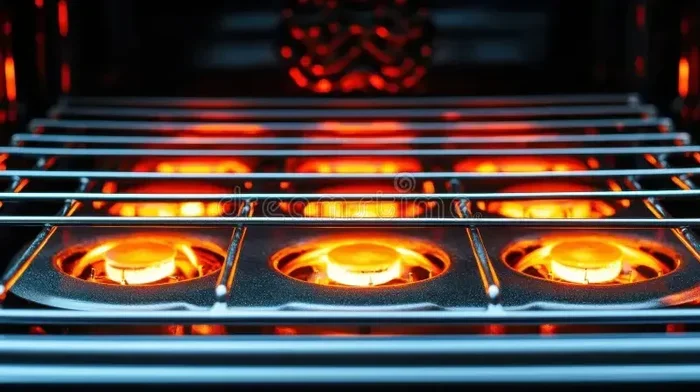
In an electric oven, the heating element is the direct source of heat. When the element is off, it should stop glowing and cooling down quickly. If the element stays bright or warm after the oven is off, it’s receiving power. This often happens because of a stuck relay or a short in the wiring. The heating element itself can also short internally, causing it to remain energized. This is a serious issue that requires immediate attention because it creates a fire hazard.
Always inspect the element visually after turning the oven off. If you see any part of it still glowing red, turn the oven off at the breaker. Do not use it until a professional replaces the element or repairs the wiring.
Gas Oven Igniter and Safety Valve
A gas oven uses an igniter to light the gas burner. If the igniter is faulty, it might not close the gas valve properly. This can cause a small amount of gas to leak and ignite, keeping the oven warm. The residual heat from the burner and the oven’s insulation can make the cavity feel hot long after cooking. A stuck safety valve is less common but more dangerous. It allows gas to flow continuously, which is a serious fire and explosion risk.
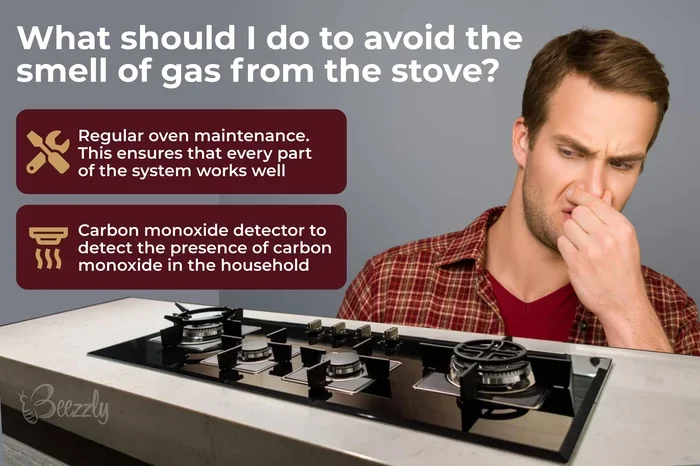
If you smell gas near your oven, turn it off immediately, ventilate the area, and call a technician. Never try to repair a gas valve yourself. Gas repairs require licensed professionals.
When a Hot Oven Becomes a Safety Risk
A warm oven is annoying, but a dangerously hot oven is a safety hazard. Knowing the risks helps you act quickly and protect your home.
Burn Hazards and Fire Risks
An oven that stays hot can cause severe burns. Children and pets are especially vulnerable. If the oven door is hot to the touch, the internal temperature is likely above safe limits. A continuously energized heating element can ignite nearby grease, food debris, or insulation. This is how oven fires start. The burn risk increases if the oven is in a tight cabinet or near flammable materials.
Never leave a hot oven unattended if you suspect a malfunction. Keep the area around the oven clear of towels, paper, and plastic. If the oven is smoking or emitting a burning smell, turn it off and unplug it if safe to do so.
Insulation Breakdown
Ovens rely on insulation to keep heat inside and protect the outer shell. When an oven overheats repeatedly, the insulation can degrade. This makes the outside of the oven hot, which increases the risk of burns and can damage surrounding cabinets. Over time, degraded insulation also reduces energy efficiency. Your oven works harder, which raises your utility bills.
If the oven exterior is too hot to touch, stop using it. Have a technician inspect the insulation and internal components. Replacing insulation is often part of a larger repair job.
Key Takeaways
- A hot oven when off is never normal: It always indicates a component failure or safety issue.
- Electrical faults are the most common cause: Stuck relays and control board shorts keep power flowing.
- Gas leaks are a critical danger: If you smell gas, evacuate and call for help immediately.
- Regular maintenance prevents most issues: Clean the oven, check seals, and inspect elements regularly.
- When in doubt, unplug the oven: This eliminates the power source and reduces fire risk until a pro arrives.
How to Troubleshoot a Warm Oven
Before you call for oven repair, you can run through a few basic checks. These steps help you understand the problem and decide whether it’s a DIY fix or a job for a professional.
Quick Checks You Can Do
Start with the simplest solutions. Many warm oven issues have easy fixes that don’t require tools or technical skills.
- Unplug the oven for 15 minutes. This resets the electronic control board and can clear a temporary glitch that keeps the oven hot.
- Check the oven light. If the light stays on when the oven is off, there’s a power path that shouldn’t be there. This often points to a faulty switch or control board.
- Inspect the door seal. A damaged gasket lets heat escape and can cause the oven to reheat. Replace the seal if it’s worn or loose.
- Look at the heating element. In electric ovens, make sure the element is completely cool and not glowing. Any residual glow means it’s still receiving power.
- Listen for unusual sounds. A clicking or humming noise after the oven is off often means a relay is stuck.
When to Call a Professional
If the quick checks don’t solve the problem, it’s time to call a technician. You should also call a pro if you notice any of the following signs: the oven trips the circuit breaker, you smell burning plastic or gas, or the oven is visibly damaged. Working on electrical components without proper training is dangerous. A licensed technician can safely diagnose and repair the issue.
Keep in mind that oven repair costs vary. A thermostat replacement might cost $100 to $200, while a control board repair can run $300 or more. Always ask for a clear estimate before any work begins.
Quick Tips for Safe Troubleshooting
- Always turn off the oven at the breaker before opening the back panel.
- Never use water on an electrical oven problem.
- Keep a fire extinguisher nearby when troubleshooting a hot oven.
- Take photos of any error codes on the display before calling for help.
Preventing Future Overheating Issues
Prevention is the best way to avoid the frustration of an oven that stays hot. A little regular care goes a long way in keeping your oven safe and efficient.
Regular Maintenance Tips
Make these simple tasks part of your kitchen routine. They help catch small problems before they become big ones.
- Clean the oven interior regularly: Food spills can block vents and affect the sensor. Use a gentle oven cleaner or a baking soda paste.
- Check the door seal monthly: Wipe the gasket with a damp cloth. Look for cracks or gaps. Replace the seal if it’s damaged.
- Inspect the heating element: Look for cracks, blistering, or uneven glow. A damaged element should be replaced immediately.
- Run the self-cleaning cycle sparingly: While self-cleaning ovens are convenient, frequent use can wear out the control board and insulation.
- Schedule annual professional maintenance: A technician can spot loose wiring, failing thermostats, and other hidden issues.
Safe Usage Habits
How you use your oven affects how long it lasts. Follow these habits to reduce the risk of overheating.
- Avoid overloading the oven with heavy dishes. This strains the heating element and the control board.
- Don’t open the door frequently during cooking. Each opening releases heat and forces the oven to work harder.
- Turn off the oven a few minutes early. The residual heat finishes the cooking and reduces stress on the components.
- Keep the oven vent clear. Blocked vents trap heat and can cause the oven to overheat.
- Use the correct cookware. Warped pans can block airflow and cause hot spots.
By following these tips, you can enjoy a safer, more efficient oven. A well-maintained oven heats evenly, cools down properly, and lasts for years. If you ever wonder why is my oven hot when its off, remember that quick action and regular care are your best defenses.
Conclusion
Discovering that your oven is hot when it’s off can be unsettling, but it’s also an opportunity to learn more about your appliance. Most causes, from a faulty thermostat to a stuck relay, are fixable with the right help. I’ve walked you through the normal residual heat, the common electrical and gas faults, and the safety risks you should never ignore. You now know how to troubleshoot a warm oven, when to call a professional, and how to prevent future issues with simple maintenance.
Remember, why is my oven hot when its off is a question you should never ignore. A quick check can prevent a fire, save energy, and extend the life of your oven. Stay proactive, stay safe, and enjoy cooking with confidence.
Frequently Asked Questions
Is it normal for an oven to stay warm after turning it off?
It is normal for an oven to feel warm for 10 to 30 minutes after use. This is residual heat from the cooking process. However, if the oven stays hot for hours or the exterior is too hot to touch, that is not normal and needs investigation.
Can a faulty thermostat cause the oven to stay hot?
Yes, a faulty thermostat is a common cause. The thermostat controls the heat cycle. If it fails to send the shut-off signal, the heating element stays on and the oven remains hot even when it’s supposed to be off.
What should I do if my oven is hot and I smell gas?
Turn the oven off immediately, do not use any electrical switches, and ventilate the room. Leave the house and call your gas utility or a professional technician. Gas leaks are a serious safety hazard that require urgent attention.
How much does it cost to fix an oven that stays hot?
The cost depends on the cause. A thermostat replacement might cost $100 to $200. A control board repair can range from $200 to $500. A simple door seal fix is often under $50. Always get a clear estimate before any repair work begins.
Can I use my oven if it’s hot when it’s off?
No, you should stop using the oven until the issue is diagnosed. A hot oven when off can indicate an electrical fault or a gas leak. Continuing to use it increases the risk of fire, burns, or further damage to the appliance.
How can I prevent my oven from staying hot when it’s off?
Regular maintenance is key. Clean the oven interior, check the door seal, inspect the heating element, and avoid overloading the oven. Schedule annual professional check-ups to catch problems early and keep your oven running safely.