How To Make Weed Butter In Oven At Home The Easy Way
Making weed butter in oven at home is simple, affordable, and gives you full control over your edibles. This guide walks you through every step of how to make weed butter in oven with clear instructions, helpful tips, and common mistakes to avoid. Whether you are a beginner or a seasoned cook, you will learn how to create potent, flavorful cannabis butter right in your kitchen.
Key Takeaways
- Oven decarboxylation is essential: Activating THC in the oven before infusing butter ensures potent and effective edibles.
- Simple ingredients and equipment: You only need ground cannabis, butter, water, and a basic oven to get started.
- Low and slow is the key: Gentle heat during the infusion process preserves flavor and maximizes potency.
- Straining matters: Using cheesecloth or a fine mesh strainer gives you smooth, clean cannabis butter.
- Storage tips extend shelf life: Properly stored weed butter can last weeks in the fridge and months in the freezer.
- Dosing awareness is crucial: Knowing your cannabis potency helps you make edibles that are safe and enjoyable.
- Common mistakes are easy to avoid: Skipping decarboxylation, using too high heat, and poor straining are the top pitfalls.
📑 Table of Contents
- What Is Weed Butter and Why Make It in the Oven?
- What You Will Need to Make Weed Butter in the Oven
- Step-by-Step: How To Make Weed Butter In Oven
- Decarboxylation: The Key to Potent Cannabis Butter
- Tips for Perfect Weed Butter Every Time
- How to Use Your Homemade Weed Butter
- Common Mistakes to Avoid When Making Weed Butter
- Conclusion
What Is Weed Butter and Why Make It in the Oven?
Weed butter, also known as cannabutter or cannabis butter, is regular butter that has been infused with the active compounds from marijuana. When you heat butter together with cannabis, the fat absorbs the cannabinoids. This creates a versatile base for all kinds of marijuana edibles.
Making weed butter in oven is one of the most popular methods. It is reliable, hands-off, and produces consistent results. The oven method gives you even heat distribution, which means better infusion and fewer burnt spots.
People choose to make cannabis butter at home for many reasons. Some want to control the ingredients. Others prefer to know exactly what goes into their marijuana edibles. And many simply enjoy the creative process of cannabis cooking. Whatever your reason, the oven method makes it easy and forgiving.
The beauty of homemade infused butter is that you can use it anywhere you would use regular butter. Spread it on toast, melt it into pasta, bake it into cookies, or stir it into soup. The possibilities are endless once you master the basics.
What You Will Need to Make Weed Butter in the Oven
Ingredients for Cannabis Butter
Here is everything you need to get started with your weed butter recipe:
- 1 cup (2 sticks) of unsalted butter – unsalted gives you more control over flavor
- 7 to 10 grams of ground cannabis – adjust based on desired potency
- 1/2 cup of water – helps with the infusion process and prevents burning
- A pinch of salt – optional, but it enhances flavor
When choosing your cannabis, keep in mind that THC content varies by strain. A high-THC strain will produce stronger edibles, while a CBD-dominant strain will give milder effects. If you are new to cannabis edibles, start with a smaller amount and adjust in future batches.
Equipment for Oven Infusion
You do not need fancy tools to make cannabutter. Here is a simple list of what you need:
- A baking sheet or oven-safe dish
- Parchment paper or aluminum foil
- A medium saucepan
- A fine mesh strainer or cheesecloth
- A glass jar or container for storage
- A spatula or spoon for stirring
Having these items ready before you start will make the process smooth and stress-free. Cannabis cooking should feel fun, not complicated.
Step-by-Step: How To Make Weed Butter In Oven
Now that you have your ingredients and tools ready, let us walk through the full process of how to make weed butter in oven. Follow these steps carefully for the best results.
Step 1: Decarboxylate Your Cannabis
Decarboxylation is the most important step in making potent cannabis butter. Raw cannabis contains THCA, which does not produce psychoactive effects. Heat converts THCA into THC, the compound that gives you the desired effects.
Here is how to decarb your weed in the oven:
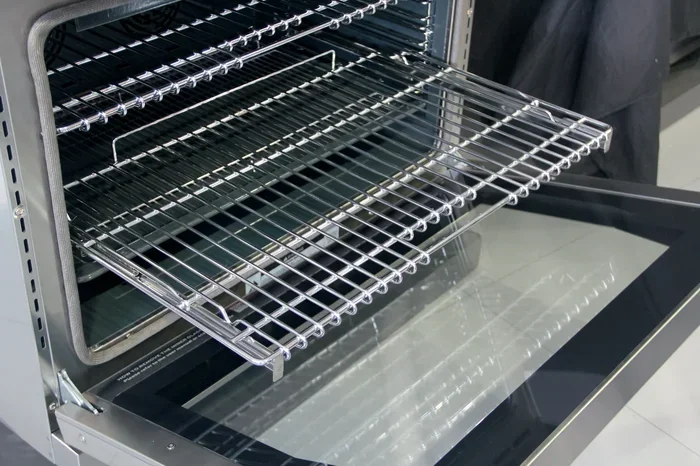
- Preheat your oven to 240°F (115°C). Do not go higher, or you will degrade the cannabinoids.
- Break your cannabis into small, pea-sized pieces. Do not grind it too fine.
- Spread the pieces evenly on a parchment-lined baking sheet.
- Bake for 30 to 40 minutes, stirring gently every 10 minutes.
- The cannabis should turn light brown and dry. It should smell earthy and slightly toasted.
Proper decarbing weed ensures that your THC infused butter will actually work. Skipping this step is the number one mistake beginners make.
Step 2: Melt the Butter and Combine with Cannabis
Once your cannabis is decarboxylated, it is time to start the infusion:
- Melt the butter in a saucepan over low heat.
- Add the 1/2 cup of water to the melted butter. The water keeps the temperature low and prevents the butter from burning.
- Add the decarboxylated cannabis to the butter mixture.
- Stir gently and let the mixture simmer on the lowest heat setting for 3 to 4 hours.
- Stir occasionally, about every 20 to 30 minutes.
The low and slow approach is critical here. Baking with cannabis requires patience. High heat will destroy the active compounds and ruin your marijuana butter.
Step 3: Strain the Mixture
After the infusion is complete, you need to separate the plant material from the butter:
- Remove the saucepan from heat and let it cool for about 10 minutes.
- Place a fine mesh strainer or cheesecloth over a clean bowl.
- Pour the mixture through the strainer slowly.
- Let it drip naturally. Do not squeeze the cheesecloth, or your butter may become cloudy.
- Discard the used cannabis plant material.
For the smoothest cannabis butter, you can strain it a second time through a fresh piece of cheesecloth. This removes any remaining plant particles and gives you a clean, golden product.
Step 4: Cool and Store Your Weed Butter
Now comes the easy part:
- Let the strained butter cool to room temperature.
- As it cools, the butter will solidify and separate from the water.
- You can either skim off the water layer or pour it off carefully.
- Transfer the solidified weed butter into a glass jar or airtight container.
- Store it in the refrigerator for up to two weeks, or in the freezer for up to three months.
Label your container with the date and the approximate potency. This helps you dose your marijuana edibles accurately every time.
Decarboxylation: The Key to Potent Cannabis Butter
If there is one thing you should never skip, it is decarboxylation. This process activates the compounds in cannabis that make your edibles work. Without it, your weed butter will taste like grass but will not deliver the effects you want.
Oven decarboxylation works by applying gentle, sustained heat. The ideal temperature is between 220°F and 245°F. Too low and the activation is incomplete. Too high and you destroy the THC and other cannabinoids.
Think of it like brewing coffee. The right temperature extracts the good stuff. Too much heat burns it all away. The same principle applies to cannabis infusion.
How Long Should You Decarb?
The standard time is 30 to 40 minutes at 240°F. However, some people prefer a longer decarb at a lower temperature, around 220°F for 45 minutes. Both methods work well. The key is consistency and patience.
If you are using CBD-rich cannabis, the decarb process is the same. CBD also requires heat activation to convert from CBDA into its active form.
Can You Skip Decarbing?
Technically, yes. Some people add raw cannabis directly to butter without decarbing. But the result will be much weaker. You would need to use significantly more cannabis to achieve the same effects. For the best cannabis edibles, always decarb first.
Tips for Perfect Weed Butter Every Time
Making great weed butter is all about technique and attention to detail. Here are some expert tips that will elevate your results:
Use Unsalted Butter
Unsalted butter gives you complete control over the final flavor. If you use salted butter, you cannot adjust the salt level in your recipes later. This matters especially when you are baking weed brownies or making other marijuana edibles.
Add a Splash of Milk Instead of Water
Some experienced cooks swap water for milk during the infusion. Milk contains casein, a protein that binds with cannabinoids. This can create an even smoother and more potent cannabis butter. It is a small change that makes a noticeable difference.
Grind Your Cannabis Evenly
Consistent grind size leads to consistent infusion. Too fine and the butter may become gritty. Too coarse and the extraction is incomplete. Aim for a medium, even grind that looks like breadcrumbs.
Be Patient During Infusion
It is tempting to rush the process, but butter infusion needs time. Three to four hours on low heat gives the cannabinoids enough time to bind with the fat. Rushing this step leads to weak, ineffective butter.
Keep Notes
Every batch is slightly different. Note how much cannabis you used, the oven temperature, the infusion time, and the final potency. Over time, you will develop a reliable marijuana butter recipe that you can replicate perfectly every time.
How to Use Your Homemade Weed Butter
Once you have made your cannabutter, the fun really begins. Here are some delicious ways to use it:
- Baking: Replace regular butter in brownie, cookie, or cake recipes for classic weed edibles.
- Cooking: Melt it into scrambled eggs, pasta, or stir-fry vegetables for a quick marijuana meal.
- Spreading: Use it like regular butter on toast, pancakes, or muffins.
- Drinks: Melt a spoonful into hot chocolate, coffee, or tea for a warm cannabis treat.
- Popcorn topping: Melt it over popcorn with a little salt for a simple snack.
When using weed butter in recipes, remember that it replaces regular butter at a one-to-one ratio. Start with small amounts and wait at least two hours before consuming more. Cannabis edibles take longer to kick in than smoking, and the effects last much longer.
Dosing Guidelines for Beginners
If you are new to cannabis cooking, start with a low dose. A standard dose of THC is around 5 to 10 milligrams. To calculate the potency of your butter, you need to know the THC percentage of your strain and how much butter you used.
A general rule of thumb: with 7 grams of 15% THC cannabis and one cup of butter, each tablespoon of cannabutter will contain roughly 5 to 7 milligrams of THC. This is a good starting point for beginners.
Common Mistakes to Avoid When Making Weed Butter
Even experienced cooks make mistakes with weed butter. Here are the most common ones and how to avoid them:
Skipping Decarboxylation
This is the biggest mistake. Without decarbing, your THC butter will be weak and unreliable. Always take the time to properly activate your cannabis in the oven before infusing.
Using Too High Heat
High heat destroys cannabinoids and burns the butter. Keep the temperature low throughout the entire process. If your saucepan is simmering vigorously, reduce the heat immediately.
Not Straining Properly
Rushing the straining step leaves plant material in your butter. This creates a gritty texture and an unpleasant taste. Take your time and strain through fine cheesecloth for the smoothest result.
Using Too Much Cannabis
More cannabis does not mean better edibles. It means stronger edibles, which can be overwhelming for beginners. Start with a moderate amount and increase in future batches once you know your tolerance.
Poor Storage
Cannabis butter spoils faster than regular butter because of the plant material. Always store it in an airtight container in the refrigerator or freezer. If it develops an off smell or color, discard it.
Conclusion
Making weed butter in oven at home is one of the most rewarding skills you can learn for cannabis cooking. It gives you full control over your marijuana edibles, from potency to flavor. With just a few simple ingredients and some patience, you can create high-quality cannabutter that rivals anything store-bought.
Remember the key steps: decarb your cannabis properly, infuse on low heat for several hours, strain thoroughly, and store safely. Follow these guidelines and you will make potent, delicious weed butter every single time.
Now that you know how to make weed butter in oven, it is time to get creative in the kitchen. Start with a simple recipe, take notes, and enjoy the process. Happy cooking!
Frequently Asked Questions
Can I use any type of butter to make weed butter?
Unsalted butter works best because it gives you control over the final flavor. You can also use margarine or coconut oil as alternatives. Coconut oil produces a slightly different texture but works well for cannabis edibles.
How long does homemade weed butter last?
When stored in an airtight container in the refrigerator, cannabutter lasts up to two weeks. In the freezer, it can last up to three months. Always check for changes in smell or color before using.
What is the best temperature for decarboxylating cannabis in the oven?
The ideal temperature is 240°F (115°C). This range activates THC without destroying the cannabinoids. Going above 250°F risks degrading the active compounds in your THC infused butter.
How do I calculate the potency of my weed butter?
To calculate potency, multiply the total grams of cannabis by the THC percentage, then divide by the number of tablespoons of butter. A standard serving of cannabis butter is one tablespoon, which typically contains 5 to 10 milligrams of THC depending on the strain used.
Can I make weed butter without an oven?
Yes, you can use a stovetop method or a slow cooker. However, the oven method provides the most even heat distribution for decarboxylation. If you do not have an oven, a slow cooker on low heat for 6 to 8 hours is a good alternative for making marijuana butter.
Is it legal to make weed butter at home?
The legality depends on your location and local laws. In areas where recreational or medicinal cannabis is legal, making weed butter at home is generally permitted within certain limits. Always check your local regulations before making cannabis edibles.