How To Cook Walleye Fillets In The Oven Step By Step
Learning how to cook walleye fillets in the oven is easier than you think. This step-by-step guide walks you through prepping, seasoning, and baking walleye to golden perfection. You will discover the ideal temperature, timing, and seasoning tricks that make oven-baked walleye a weeknight favorite. Whether you prefer crispy skin or tender flesh, this method delivers restaurant-quality results at home.
Few things beat a perfectly baked piece of walleye. The fish is mild, flaky, and incredibly satisfying. Yet many home cooks shy away from making walleye in the oven. They think it is tricky or intimidating. That could not be further from the truth.
Once you learn the basics of how to cook walleye fillets in the oven, you will wonder why you ever ordered it at a restaurant. The process is simple, fast, and forgiving. A hot oven, a little seasoning, and a watchful eye are all you need. In this guide, we walk you through every single step.
Whether you are a beginner or a seasoned cook looking to refine your walleye fish cooking time and technique, this article has you covered. We will talk about prep work, seasoning options, oven temperatures, and how to tell when your fish is done. By the end, you will feel confident enough to make this dish any night of the week.
Key Takeaways
- Perfect Temperature: Bake walleye fillets at 400°F for the best texture and flavor.
- Simple Prep Matters: Pat the fillets dry and season generously for a crispy finish.
- Timing Is Key: Most walleye fillets bake in just 12 to 15 minutes.
- Flavor Boosters: Lemon, butter, and fresh herbs elevate your walleye recipe dramatically.
- Don’t Overcook: Check the internal temperature to keep the fish moist and tender.
- Versatile Dish: Oven-baked walleye pairs well with veggies, rice, or salad.
- Meal Prep Friendly: This method works great for batch cooking and easy dinner planning.
📑 Table of Contents
- Why Oven-Baked Walleye Is a Great Choice
- Choosing and Prepping Your Walleye Fillets
- Seasoning Your Walleye for Maximum Flavor
- Oven Temperature and Cooking Time
- Comparing Cooking Methods for Walleye
- Serving Suggestions and Side Dishes
- Common Mistakes to Avoid
- Expert Tips for the Perfect Oven-Baked Walleye
- Frequently Asked Questions
- Conclusion
Why Oven-Baked Walleye Is a Great Choice
Baking walleye fillets in the oven is one of the healthiest and easiest cooking methods available. Unlike frying, you do not need a lot of oil. And unlike grilling, you have full control over the heat. This makes oven-baked walleye a go-to option for busy weeknights and relaxed weekend dinners alike.
Health Benefits of Baking Walleye
Walleye is already a nutritious fish. It is high in protein and low in fat. Baking it preserves those qualities without adding extra calories from oil or butter. A serving of baked walleye fillets gives you omega-3 fatty acids, vitamin B12, and selenium.
For families looking to eat healthier, oven-baked fish is a fantastic swap for breaded or fried options. Kids and adults alike enjoy the mild flavor. It is a great way to get more fish into your diet without sacrificing taste.
Convenience Factor
Oven-baking requires almost no hands-on time. You can prep the fillets, toss them in a pan, and set a timer. While the fish cooks, you can prepare sides like roasted vegetables or rice. Crispy baked fish dinners come together in under 30 minutes total.
This method also scales well. You can bake two fillets for yourself or six fillets for a dinner party. The walleye dinner ideas possibilities are endless when you master the oven.
Choosing and Prepping Your Walleye Fillets
The foundation of great oven-baked walleye starts before it ever hits the heat. How you select and prep your fillets makes a big difference in the final result. Taking a few extra minutes here pays off in flavor and texture.
Fresh vs Frozen Walleye
You can use fresh or frozen walleye for this recipe. Fresh walleye has a slightly sweeter flavor and firmer texture. But frozen fillets work just as well if you thaw them properly.
If you buy frozen walleye, thaw it overnight in the refrigerator. Never use warm water to thaw fish. It can make the texture mushy and affect the taste. Pat the fillets completely dry with paper towels before seasoning.
The Importance of Fillet Thickness
Walleye fillet thickness matters more than most people realize. Thin fillets can dry out quickly in a hot oven. Thick fillets may need a few extra minutes. Ideally, look for fillets that are about half an inch to three-quarters of an inch thick.
If your fillets are uneven, you can pound the thicker parts gently with a meat mallet. This creates a more uniform thickness so the fish cooks evenly. Even oven-baked fish recipe success depends on this simple step.
Removing the Skin: To Keep or Not to Keep
Some people prefer to remove the skin before baking. Others love the crispy skin that forms in the oven. Walleye skin-on baking actually helps protect the delicate flesh from drying out.
If you keep the skin, make sure the fillet is dry. Place it skin-side down on a lightly oiled baking sheet. The skin will crisp up beautifully and act as a natural barrier. If you prefer no skin, simply ask your fishmonger to skin the fillets for you.
Seasoning Your Walleye for Maximum Flavor
Seasoning is where you can really make this dish your own. The great thing about walleye seasoning is that the fish is mild. It absorbs flavors beautifully. You can go simple or bold, depending on your mood.
The Classic Lemon Butter Approach
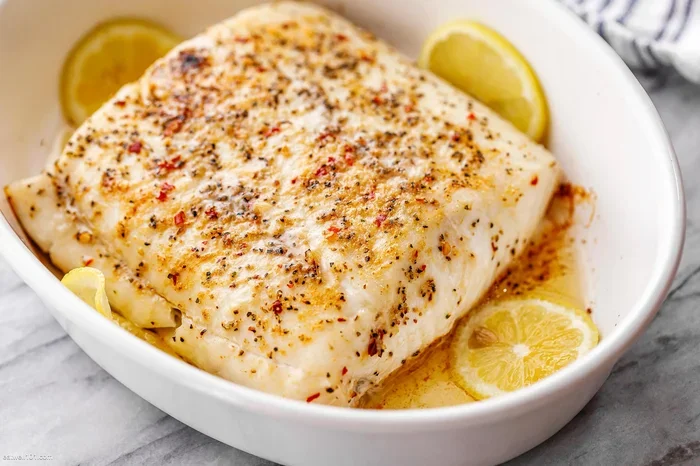
A lemon butter walleye combination is hard to beat. Melt a few tablespoons of butter and mix in fresh lemon juice and zest. Brush this mixture over the fillets before baking. The butter helps the seasonings stick and creates a rich, golden finish.
Add a pinch of garlic powder and a sprinkle of paprika for extra depth. This classic combination works every time and is perfect for beginners who want reliable results.
Herb-Forward Seasoning Options
If you love fresh herbs, this is your lane. Dill, parsley, and thyme pair wonderfully with walleye. Chop the herbs finely and mix them into olive oil. Then drizzle the mixture over the fillets.
You can also create a dry herb rub using dried oregano, basil, and a touch of onion powder. Sprinkle it generously on both sides. Herb-crusted walleye in the oven tastes like something from a cozy lakeside cabin.
Quick Tips for Seasoning Success
- Always season both sides of the fillet evenly.
- Let the seasoned fish rest for 5 to 10 minutes before baking. This helps the flavors penetrate.
- Do not oversalt. Walleye is delicate and can turn bitter if over-seasoned.
- A light brush of olive oil helps the seasoning adhere to the fish.
- Add a squeeze of fresh lemon right after baking for brightness.
Oven Temperature and Cooking Time
This is the most important part of learning how to cook walleye fillets in the oven. Getting the temperature and timing right separates good walleye from great walleye. Here is exactly what you need to know.
The Ideal Oven Temperature
Preheat your oven to 400°F. This temperature is hot enough to create a nice golden crust on the outside while keeping the inside moist and tender. Oven temperature for fish at 400°F strikes the perfect balance between crispiness and juiciness.
Some recipes call for 375°F or 425°F. Both work, but 400°F is the sweet spot for most walleye fillet prep methods. If you are using a convection oven, reduce the temperature by about 25°F.
How Long to Bake Walleye Fillets
Most walleye fillets bake in 12 to 15 minutes at 400°F. The exact walleye fish cooking time depends on the thickness of the fillet and whether it has skin.
Here is a simple guide to follow:
- Thin fillets (half inch): 10 to 12 minutes
- Medium fillets (three-quarters inch): 12 to 15 minutes
- Thick fillets (one inch): 15 to 18 minutes
Check the fish at the minimum time. You can always bake it a little longer, but you cannot undo overcooked fish.
Internal Temperature: The Golden Rule
The safest and most accurate way to check if your walleye is done is with a meat thermometer. Insert it into the thickest part of the fillet. The walleye internal temperature should read 145°F when fully cooked.
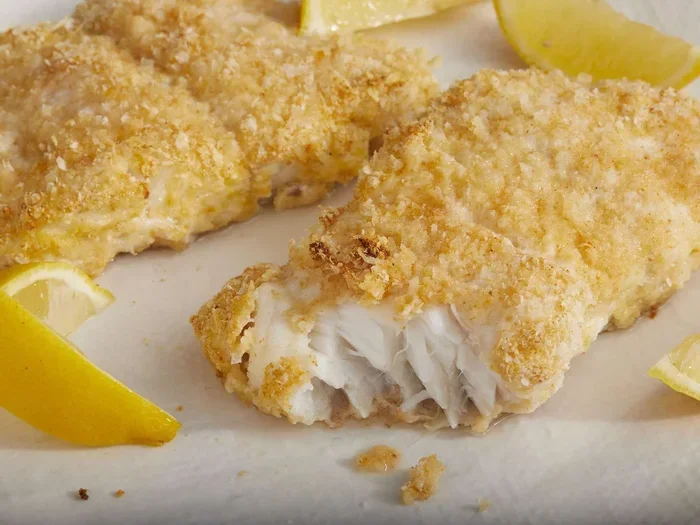
The fish should also be opaque and flake easily with a fork. If it still looks translucent in the center, give it another two to three minutes. Trust the thermometer over the timer for the best results.
Comparing Cooking Methods for Walleye
There are several ways to prepare walleye. Each method brings something different to the table. Here is how oven-baking compares to other popular techniques.
| Method | Flavor | Ease | Health Factor | Best For |
|---|---|---|---|---|
| Oven-Baked | Mild, crispy edges | Very Easy | High | Weeknight dinners, meal prep |
| Pan-Seared | Rich, buttery crust | Moderate | Medium | Quick dinners, skin-on fillets |
| Grilled | Smoky, charred | Moderate | High | Summer gatherings, outdoor cooking |
| Fried | Crunchy, rich | Easy | Lower | Comfort food, indulgent treats |
As you can see, oven-baked walleye wins on both ease and health. It is the most practical method for everyday cooking. Pan-searing is great if you want a restaurant-style crust, but it requires more attention and oil.
Grilling adds a wonderful smoky flavor but depends on weather and equipment. Frying produces a satisfying crunch but adds significant fat and calories. For most home cooks, baking is the clear winner.
Serving Suggestions and Side Dishes
Great walleye dinner ideas go beyond just the fish itself. Pairing your oven-baked walleye with the right sides elevates the entire meal. The good news is that walleye is incredibly versatile.
Best Side Dishes for Oven-Baked Walleye
- Roasted asparagus: Toss asparagus with olive oil, salt, and pepper. Roast on the same sheet pan for a complete meal.
- Lemon rice: A light, fluffy rice with fresh lemon zest complements the fish perfectly.
- Garlic mashed potatoes: Creamy and comforting, this pairs beautifully with crispy baked fish.
- Mixed green salad: Keep it light with a simple vinaigrette and fresh greens.
- Steamed broccoli: Quick, healthy, and mild enough not to overpower the walleye.
- Corn on the cob: A summer favorite that adds sweetness and color to the plate.
For a complete walleye meal prep option, bake the fish alongside roasted sweet potatoes and green beans. Portion everything into containers for easy lunches throughout the week.
Common Mistakes to Avoid
Even experienced cooks sometimes make mistakes when baking walleye. Avoiding these pitfalls will help you achieve perfect results every time.
Overcooking the Fish
This is the number one mistake people make with walleye. The fish dries out quickly if left in the oven too long. Always set a timer and check the fish a couple of minutes early. Remember, the fish continues to cook slightly after you remove it from the oven.
Skipping the Dry Step
Wet fillets steam instead of roast. This prevents the skin from crisping and creates a soggy texture. Always pat your walleye dry with paper towels before seasoning and placing it in the pan. This single step makes a huge difference in your crispy baked fish results.
Using Too Much Oil or Butter
A light coating is all you need. Too much fat causes the fillets to fry in their own juices rather than roast. A thin brush of oil on the baking sheet and a light seasoning layer is plenty.
Not Preheating the Oven
Placing fish in a cold oven leads to uneven cooking. The outside stays pale while the inside takes longer to firm up. Always preheat to 400°F before putting the walleye in. This ensures consistent oven-baked fish recipe results every time.
Expert Tips for the Perfect Oven-Baked Walleye
Take your walleye recipe from good to great with these pro tips. These small adjustments make a noticeable difference in flavor and presentation.
- Let the fish come to room temperature for 10 minutes before baking. Cold fillets cook unevenly.
- Use a rimmed baking sheet lined with parchment paper for easy cleanup.
- Don’t crowd the pan. Leave space between fillets so hot air circulates freely.
- Add a splash of white wine to the pan for extra depth of flavor.
- Rest the fish for 2 to 3 minutes after baking. This lets the juices redistribute.
- Experiment with different citrus. Lime and orange work beautifully alongside lemon.
- Make a quick pan sauce with the juices left in the baking dish, butter, and fresh herbs.
These tips come from years of experience with how to cook walleye fillets in the oven. They are simple to follow and make a real difference. Try them in your next kitchen session and taste the improvement.
Frequently Asked Questions
Can I bake walleye without skin?
Yes, you absolutely can. Skinless walleye fillets bake just fine at 400°F. They may dry out slightly faster, so keep a close eye on the cooking time. Brushing the fillet with a little butter or oil helps keep it moist.
How do I know when walleye is fully cooked?
The best indicator is the internal temperature. When the thickest part of the fillet reaches 145°F, it is done. The fish should also be opaque and flake apart easily when you press it with a fork. Avoid relying solely on the timer.
What temperature should I bake walleye at?
400°F is the ideal temperature for baking walleye fillets. It cooks the fish quickly while creating a lightly crispy exterior. If your oven runs hot, you can drop to 375°F and add a minute or two to the cooking time.
Can I marinate walleye before baking?
Yes, a short marinade adds great flavor. Marinate the fillets for 15 to 30 minutes in the refrigerator. Avoid marinating for more than an hour, as the acid in citrus or vinegar can break down the delicate fish flesh and change the texture.
Is oven-baked walleye healthy?
Absolutely. Baking is one of the healthiest ways to prepare fish. It requires little to no added fat and preserves the natural nutrients in walleye. You get protein, omega-3 fatty acids, and essential vitamins without extra calories from frying oils.
Can I meal prep walleye fillets for the week?
Definitely. Baked walleye stores well in the refrigerator for up to three days. Let the fish cool completely, then store it in an airtight container. Reheat gently in the oven at 300°F for about 5 to 8 minutes to keep it from drying out.
Conclusion
How to cook walleye fillets in the oven is a skill that anyone can master. It does not require fancy equipment or advanced cooking knowledge. With the right temperature, a little seasoning, and a watchful eye, you can create restaurant-quality walleye in your own kitchen.
Remember to pat the fillets dry, season them generously, and bake at 400°F for 12 to 15 minutes. Use a meat thermometer to check the internal temperature and avoid the most common mistake: overcooking. Pair your walleye with simple sides and enjoy a meal that is healthy, delicious, and satisfying.
This walleye recipe is one you will return to again and again. It is fast, easy, and endlessly customizable with different herbs, spices, and citrus combinations. Once you nail the basics, feel free to experiment and make the dish your own. Happy cooking.