How To Roast Your Own Coffee And Unlock Amazing Flavor
Roasting your own coffee at home is easier than you think and opens up a world of bold, fresh flavor. This guide walks you through every step, from choosing green coffee beans to mastering roast levels and storing your roasted coffee beans properly. You will learn practical techniques, avoid common mistakes, and start enjoying artisanal coffee made by your own hands.
There is something truly magical about roasting your own coffee at home. The moment green coffee beans transform into fragrant, oily, deeply flavored roasted coffee beans is a experience that changes how you think about every cup you drink. Fresh roasted coffee tastes completely different from anything you buy off a grocery shelf. The aroma alone fills your kitchen and makes the whole process worth it.
Many people assume coffee roasting requires expensive gear or professional training. That is simply not true. You can start with things you already own, like a skillet, a popcorn popper, or even your oven. The coffee roasting process is straightforward once you understand the basics. This guide gives you everything you need to know, from sourcing green beans to nailing your perfect roast level.
Whether you are a curious beginner or a home coffee enthusiast looking to level up, this coffee roasting guide has you covered. We will walk through every step in plain, simple language. No jargon. No fluff. Just clear advice you can use right away to make artisanal coffee that tastes incredible.
Key Takeaways
- Start Simple: You can roast coffee at home using basic tools like a popcorn popper, oven, or skillet.
- Know Your Roast Levels: Light, medium, and dark roasts each deliver a unique coffee flavor profile and aroma.
- Monitor the Process: Watching for first crack and second crack helps you control the roast degree perfectly.
- Cool Fast: Cooling roasted beans quickly stops the cooking process and locks in fresh roasted coffee flavor.
- Store Properly: Use airtight containers and consume roasted coffee beans within two to four weeks for the best taste.
- Experiment Freely: Every batch teaches you something new about the coffee roasting process and your personal preferences.
- Invest Wisely: Start with affordable green coffee beans before upgrading your coffee roasting equipment.
📑 Table of Contents
- What You Need to Get Started with Coffee Roasting
- Understanding Green Coffee Beans
- The Coffee Roasting Process Step by Step
- Roast Levels and Flavor Profiles
- Cooling and Storing Your Roasted Coffee
- Common Mistakes to Avoid When Roasting Coffee
- Tips for Consistently Great Roasts
- Why Roasting Your Own Coffee Is Worth It
What You Need to Get Started with Coffee Roasting
Before you dive into the roasting process, you need a few basics. The good news is that you do not need a fancy setup. Many people start with gear they already have in their kitchen.
Choosing Your Roasting Method
There are several ways to roast your own coffee at home. Each method has its own charm and learning curve.
- Oven Roasting: This is the most accessible method. You spread green beans on a baking sheet and roast them at a steady temperature. Some people find it works similarly to how to roast jackfruit seeds in the oven, where even heat distribution matters. It gives you good control over roasting temperature.
- Stovetop Skillet: A simple cast iron skillet works great. You stir the beans constantly for even coffee bean roasting. This method gives you the most hands-on feel.
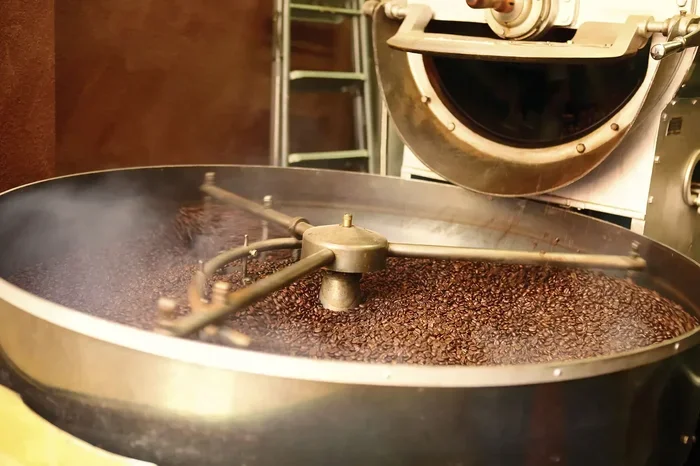
- Popcorn Popper: Hot air poppers are a favorite among home roasters. They circulate hot air around the beans, much like a small drum roaster. They are affordable and produce consistent results.
- Dedicated Coffee Roaster: Machines like the FreshRoast or Behmor give you precise control over time and temperature. They are a bigger investment but offer the most repeatable home coffee roasting experience.
Essential Equipment
You do not need much to begin. Here is what will help you get started:
- A source of heat (oven, skillet, or popper)
- A metal colander or strainer for cooling
- An oven thermometer (for oven roasting)
- Airtight containers for storage
- Green coffee beans (more on this below)
For oven-based roasting, having a good oven thermometer is key. If you already know how to manage what temperature to bake a roast in the oven, you already have a head start with coffee roasting. The temperature control skills transfer directly.
Understanding Green Coffee Beans
Green coffee beans are the starting point for every batch of fresh roasted coffee. These are the raw, unroasted seeds found inside the coffee cherry. They look pale green, smell grassy, and feel hard to the bite.
Where to Source Green Beans
You can buy green coffee beans online from specialty roasters, importers, and marketplaces. Look for beans that are:
- Freshly harvested (within the last year)
- Single origin for a clearer flavor story
- Properly stored and moisture-controlled
- From a reputable supplier with tasting notes listed
Many suppliers offer sample packs. This lets you try different origins and roast them side by side. That is a fantastic way to learn how origin affects the final coffee flavor profile.
Storing Green Coffee Beans
Green beans stay fresh for months if stored correctly. Keep them in a cool, dry place away from direct sunlight. A sealed bag with a one-way valve works well. Unlike roasted beans, green beans do not go stale quickly. However, fresher beans always produce better results when you roast your own coffee.
The Coffee Roasting Process Step by Step
This is the heart of the whole journey. The coffee roasting process involves applying heat to green beans until they transform in color, size, texture, and flavor. Let us break it down.
Preheating Your Roasting Equipment
Start by preheating your chosen equipment. Whether you use an oven, skillet, or popcorn popper, you want the heat ready before the beans go in. A hot start helps the beans heat evenly from the outside in.
If you are using an oven, preheat it to around 450°F (232°C). The beans will need space to breathe, so use a perforated pan or spread them in a single layer on a baking sheet. Think of it like how to brown flour in the oven — you want steady, even heat without burning.
Monitoring the Roast
Once the beans are in, stay close. The roasting process moves fast once it gets going. Here is what to watch for:
- Drying Phase (0-5 minutes): The beans turn yellow and smell like toast or grass. Moisture is escaping.
- First Crack (around 385°F / 196°C): The beans crack loudly, like popcorn popping. This marks the start of a light roast. The beans expand and double in size.
- Development Phase (after first crack): This is where you steer the flavor. Shorter time means lighter roast degree. Longer time pushes toward medium or dark.
- Second Crack (around 435°F / 224°C): A sharper, quicker crack. Beans at this stage are heading into dark roast territory. The oils start appearing on the surface.
Timing matters a lot here. Just as you would monitor how long to cook spam in the oven to avoid overcooking, you must keep a close eye on your coffee beans. A few extra seconds can shift the flavor dramatically.
Understanding Roast Stages
Each stage of the roast changes the bean chemically. The coffee roasting process is really a series of chemical reactions called the Maillard reaction and caramelization. These create the hundreds of flavor compounds that make coffee taste so complex and wonderful.
Take notes during every roast. Write down the time, temperature, and what you smelled and heard. This is the best way to learn and improve your coffee bean roasting skills over time.
Roast Levels and Flavor Profiles
The roast level you choose determines the final character of your coffee. There are three main categories, and each one brings out different qualities in the beans.
Light Roast
Light roast beans are light brown and stop just after the first crack. They retain the most original origin flavors. You will taste bright acidity, fruity notes, floral hints, and complex sweetness.
Light roast coffee is perfect for single-origin beans where you want to taste the unique character of the region. Ethiopian beans often shine as light roasts, showing berry and citrus notes.
Medium Roast
Medium roast beans are medium brown and reach just past the first crack but before the second. They strike a balance between origin flavor and roast flavor.
You will notice caramel sweetness, nutty tones, and a smoother body compared to light roasts. This is often the most approachable roast level for everyday drinking. It works beautifully for drip coffee, pour-over, and French press.
Dark Roast
Dark roast beans are dark brown to nearly black. They are roasted well past the second crack. The origin flavors take a back seat to bold, smoky, chocolatey, and sometimes spicy notes.
Dark roast coffee has a full body and lower acidity. It is the classic choice for espresso drinks and strong morning brews. Just be careful not to over-roast, or the beans can taste burnt and bitter.
| Roast Level | Internal Temp | Key Flavor Notes | Best For |
|---|---|---|---|
| Light Roast | 385-410°F | Fruity, floral, acidic, complex | Pour-over, single-origin tasting |
| Medium Roast | 410-430°F | Caramel, nutty, balanced, smooth | Drip coffee, French press |
| Dark Roast | 430-450°F | Smoky, chocolatey, bold, low acid | Espresso, strong brews |
There are no wrong answers here. Your perfect roast degree is the one that makes you smile with every sip. Experiment freely and trust your taste buds.
Cooling and Storing Your Roasted Coffee
Once your beans reach the desired roast level, cooling them quickly is essential. The beans are extremely hot and continue cooking from residual heat. If you do not cool them fast, they will over-roast and taste bitter.
Use a metal colander or a mesh sieve to toss the beans rapidly. This also helps release the chaff — the thin papery skin that flakes off during roasting. Some roasters use a vacuum cleaner with a cloth filter to suck away the chaff.
After cooling, let the beans rest for at least 12 to 24 hours. This resting period allows gases to escape and the flavors to stabilize. This is called degassing, and it is a crucial step in the coffee roasting process that many beginners skip.
For storage, use an airtight container at room temperature. Avoid clear containers that let light in. Do not store beans in the fridge or freezer — the moisture and odors can ruin the fresh roasted coffee flavor. Consume your roasted coffee beans within two to four weeks for the best coffee flavor profile.
Common Mistakes to Avoid When Roasting Coffee
Even experienced home roasters make mistakes. Here are the most common ones and how to avoid them:
- Roasting too fast: Rushing the process leads to uneven roasts. The outside burns while the inside stays underdeveloped. Take your time and let the heat work gradually.
- Skipping the cooling step: Hot beans keep cooking. Always cool them immediately after the roast ends.
- Not taking notes: Every batch is different. Without notes, you cannot repeat a great roast or learn from a bad one.
- Overloading the roaster: Too many beans block airflow and roast unevenly. Give each bean room to breathe and move freely.
- Ignoring the smell: Your nose is one of the best tools you have. If something smells acrid or burned, the beans are past their ideal point.
- Using old green beans: Beans that have been stored too long or improperly will not roast well. Always start with fresh, quality green coffee beans.
Avoiding these pitfalls will save you a lot of frustration and wasted beans. The coffee roasting process is forgiving once you understand these basics.
Tips for Consistently Great Roasts
Once you have roasted a few batches, these tips will help you refine your technique and get more consistent results every time.
- Keep your environment ventilated: Roasting produces smoke. A good range hood or open window makes a big difference.
- Use a timer: Track every roast from start to finish. Consistency comes from knowing exactly what you did before.
- Buy in small quantities: Green beans stay fresher when you buy smaller amounts more frequently.
- Try different origins: Brazilian beans behave differently than Kenyan beans. Exploring origins is one of the most rewarding parts of home coffee roasting.
- Be patient: Your first few roasts may not be perfect. That is completely normal. Every batch teaches you something valuable.
The beauty of roasting your own coffee is that there is always something new to learn. Each batch brings you closer to the perfect cup. Soon you will notice that store-bought coffee tastes flat by comparison. That is when you know you have truly unlocked the art of coffee roasting.
Why Roasting Your Own Coffee Is Worth It
The flavor difference between freshly roasted beans and weeks-old supermarket coffee is staggering. When you roast your own coffee, you control every variable. You choose the origin, the roast level, and the freshness. No additives. No mystery. Just pure, honest coffee flavor.
Fresh roasted coffee also makes a wonderful gift. Friends and family will be amazed when you hand them a bag of beans you roasted yourself. It is a thoughtful, personal, and impressive present that costs very little.
Beyond the flavor, there is a deep satisfaction in mastering a craft. The coffee roasting process connects you to the beans, the farmers who grew them, and the centuries of tradition behind every cup. It is a small but meaningful way to bring artisanal coffee into your daily life.
Start small. Grab a bag of green beans, try a simple oven roast, and pay attention to what happens. You will be surprised how quickly you improve. Before long, you will be experimenting with different roast levels, timing tricks, and flavor combinations that are entirely your own.
The journey of coffee roasting does not end with one batch. It is a lifelong pursuit of better flavor, better technique, and better cups of coffee. And the best part is, every single step is enjoyable.
Frequently Asked Questions
Can I roast coffee in a regular kitchen oven?
Yes, a regular kitchen oven works well for roasting coffee. Spread green beans in a single layer on a perforated baking sheet and roast at around 450°F. Stir them every few minutes for even roasting. It is one of the easiest ways to roast your own coffee at home.
How long does it take to roast coffee beans in the oven?
A typical oven roast takes about 15 to 20 minutes, depending on your oven and the roast level you are aiming for. Monitor the beans closely and listen for the first and second cracks. These sounds are your best guides for achieving the right roast degree.
What is the best temperature to roast coffee beans?
Most home roasters start at around 450°F (232°C). You can adjust slightly based on your equipment and preference. The key is to maintain a steady roasting temperature and avoid sudden spikes that can burn the beans.
Do I need special equipment to roast coffee at home?
No special equipment is required to start. A kitchen oven, a skillet on the stove, or a hot air popcorn popper all work great for home coffee roasting. As you get more serious, you can invest in a dedicated roaster for more precise control.
How long should I let roasted coffee beans rest before brewing?
Let roasted beans rest for at least 12 to 24 hours before grinding and brewing. This resting period allows carbon dioxide to escape and the flavors to settle. The result is a smoother, more balanced coffee flavor profile in your cup.
Can I roast coffee beans more than once?
You should not re-roast already roasted beans. Once beans have been through the coffee roasting process, re-roasting them burns off the remaining volatile compounds and results in flat, bitter flavor. Always start with fresh green beans for the best results.
=== CONCLUSION ===
Roasting your own coffee is one of the most rewarding skills you can build in the kitchen. It gives you complete control over flavor, freshness, and quality. From the moment you source your green coffee beans to the moment you brew that first incredible cup, the process is deeply satisfying.
Start with a simple method, pay attention to the roasting process, and learn from each batch. Master the different roast levels, experiment with origins, and trust your palate. The journey toward perfect fresh roasted coffee is ongoing, and every step brings you closer to cups that taste truly amazing.
Now that you have the knowledge and the confidence, it is time to grab a bag of green beans and get started. Your coffee roasting adventure awaits, and the flavor you unlock will change the way you drink coffee forever.