Does French Press Coffee Have More Caffeine Than Regular
Does French press coffee have more caffeine than regular drip coffee? The answer is more nuanced than you might think. French press coffee often contains higher caffeine per ounce because of its immersion brewing method and coarse grounds, but total caffeine depends on brew time, coffee-to-water ratio, and bean type. This guide walks you through everything you need to know about French press caffeine content compared to other brewing methods.
This is a comprehensive guide about Does French Press Coffee Have More Caffeine.
Key Takeaways
- French press coffee typically has more caffeine per ounce than drip coffee due to its immersion brewing style and longer contact time between water and grounds.
- Brew time, grind size, and coffee-to-water ratio are the three main factors that determine how much caffeine ends up in your cup.
- A standard 8 oz cup of French press coffee contains roughly 80-100 mg of caffeine, which is comparable to or slightly higher than drip coffee.
- Coffee bean type matters too — Robusta beans contain nearly double the caffeine of Arabica beans, regardless of brewing method.
- Strength and caffeine are not the same thing. French press coffee tastes bold and rich, but that does not always mean it has more caffeine.
- Adjusting your brew parameters lets you control caffeine levels to match your preferences and sensitivity.
[FEATURED_IMAGE_PLACEHOLDER]
Does French Press Coffee Have More Caffeine Than Regular Coffee?
Let us get straight to the point. Does French press coffee have more caffeine than regular coffee? The short answer is yes, but it is not a simple yes-or-no situation. French press coffee often delivers a higher caffeine concentration per ounce compared to drip coffee. However, several factors come into play that can change the final result in your cup.
Many coffee lovers assume that because French press coffee tastes stronger, it must contain more caffeine. That is a common misconception worth exploring. The truth lies in the brewing process, the beans you choose, and how you prepare your drink. Let us break it all down so you can understand exactly what is happening in your mug every morning.
If you are curious about how other kitchen staples behave under heat, you might also wonder does parmesan cheese melt in the oven — because understanding how heat affects different foods and drinks helps you become a better cook and brewer overall.
The French press caffeine content has been studied and compared against drip coffee, espresso, and cold brew. Each method extracts caffeine differently. Immersion brewing, which is what the French press does, allows water to stay in contact with coffee grounds for an extended period. This longer steeping time generally pulls out more caffeine than shorter extraction methods.
But here is the catch. A standard cup of drip coffee is often consumed in larger volumes. So even if the caffeine concentration is slightly lower, your total intake might end up being similar. This is why understanding the full picture matters. You cannot just look at one number and make a decision about your morning routine.
What Is the French Press Brewing Method?
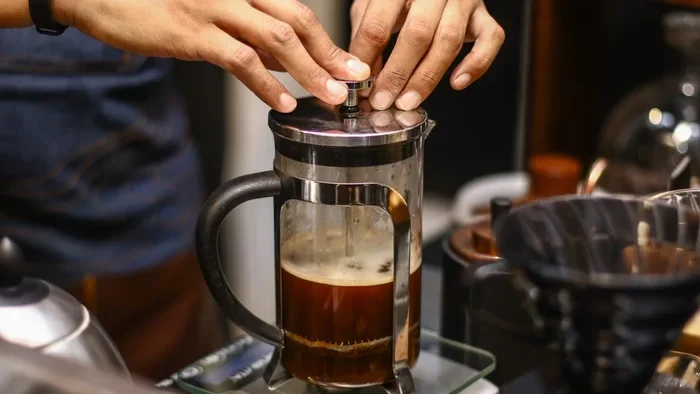
The French press, also called a press pot or plunger pot, works by steeping coarse coffee grounds in hot water. The water and grounds sit together for about four minutes. Then you press a metal filter down to separate the liquid from the grounds.
This method is called immersion brewing. It is different from drip coffee makers, which pass water through a paper filter and grounds quickly. The French press keeps the water and coffee in contact for a longer time, which affects both flavor and caffeine extraction.
The metal filter on a French press allows more oils and fine particles through compared to paper filters. This is why French press coffee feels fuller and richer in your mouth. It also means more caffeine can make it into your cup because nothing is blocking the extraction as aggressively.
French Press vs Regular Coffee: Caffeine Comparison
When people ask about French press caffeine vs drip coffee caffeine, they want a clear answer. Here is what the data tells us.
A typical 8-ounce cup of French press coffee contains about 80 to 100 milligrams of caffeine. The same size cup of drip coffee usually has around 70 to 140 milligrams. So the ranges overlap quite a bit. The difference is not always huge, but it can be significant depending on how you brew.
Let us look at this more closely. Drip coffee makers run hot water through grounds pretty quickly. The water passes through in a matter of minutes. A French press lets the grounds steep for several minutes, which gives caffeine more time to dissolve into the water.
Here is a simple comparison of common brewing methods and their typical caffeine levels per 8 oz cup:
- French Press: 80-100 mg per 8 oz cup
- Drip Coffee: 70-140 mg per 8 oz cup
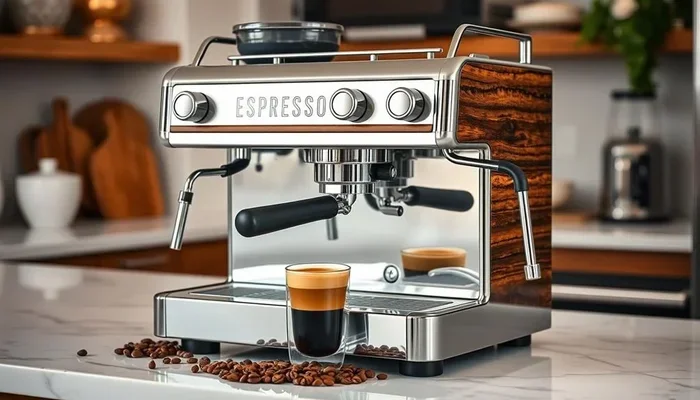
- Espresso: 63 mg per 1 oz shot (but you drink less volume)
- Cold Brew: 100-200 mg per 8 oz cup
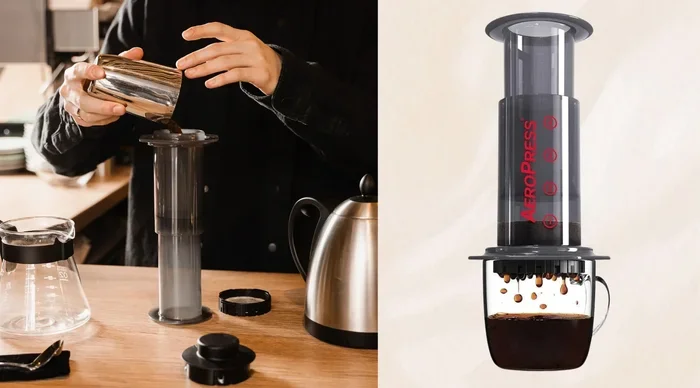
- AeroPress: 50-80 mg per 8 oz cup
As you can see, French press coffee sits in a similar range to drip coffee. Cold brew tends to come out on the higher end. The key takeaway is that brewing method alone does not determine caffeine content. Your personal preparation style matters just as much.
If you are also curious about kitchen equipment reliability, you might have encountered issues like your oven acting up. Many people search why does my oven shut off randomly when their kitchen appliances do not behave as expected — and the same attention to detail applies to getting your coffee just right.
What Factors Affect Caffeine Levels in French Press Coffee?
Several variables determine how much caffeine ends up in your French press cup. Understanding these factors gives you control over your coffee experience.
Brew Time
The longer your coffee steeps, the more caffeine extracts into the water. Most experts recommend four minutes for a standard French press brew. But some people steep for five, six, or even seven minutes. Each additional minute pulls more caffeine from the grounds.
If you like your coffee strong and bold, you might already be steeping longer than four minutes. That habit could be adding extra caffeine to your cup without you realizing it. On the flip side, if you are sensitive to caffeine, shortening your brew time by just one minute can make a noticeable difference.
Coffee-to-Water Ratio
More coffee grounds in the same amount of water means more caffeine. A standard ratio is about two tablespoons of coffee per six ounces of water. But many French press users go heavier, using three or even four tablespoons.
This is one of the easiest ways to boost your caffeine intake. Simply add more grounds without changing your water amount. Just be careful — too many grounds can make your coffee gritty and over-extracted, which ruins the flavor.
Grind Size
French press coffee uses a coarse grind. But within the coarse range, there is variation. A slightly finer grind exposes more surface area to the water, which can increase caffeine extraction. A very coarse grind extracts less simply because less surface area touches the water.
Most burr grinders let you adjust the coarseness. If you want to experiment with caffeine levels, try adjusting your grind size slightly and noticing the difference. Just remember that grind size also affects taste, so find a balance that works for your palate.
Coffee Bean Type
This is a big one that many people overlook. Robusta beans contain roughly twice as much caffeine as Arabica beans. If you buy a Robusta blend for your French press, your caffeine levels will jump significantly regardless of any other factor.
Most specialty coffee uses Arabica beans because they taste better. But if you are looking for a caffeine boost, checking the bean type on your bag of coffee can tell you a lot. Some blends mix both, giving you a middle ground on caffeine content.
Water Temperature
Hotter water extracts caffeine more efficiently. The ideal temperature for French press coffee is between 195 and 205 degrees Fahrenheit. If your water is too cool, you will under-extract and get less caffeine. If you let your water boil completely and then pour it, you might scorch the grounds and create bitter flavors.
Using a kitchen thermometer or an electric kettle with temperature settings can help you nail the right temperature every time. This small detail makes a real difference in both flavor and caffeine extraction.
How Much Caffeine Is Actually in a Cup of French Press Coffee?
Let us get specific. A standard serving of French press coffee is about 8 ounces. In that 8-ounce cup, you can expect roughly 80 to 100 milligrams of caffeine. But this number changes based on the factors we just discussed.
If you drink a large 12-ounce French press mug, you are looking at around 120 to 150 milligrams of caffeine. A 16-ounce travel mug from a café or at home could contain 160 to 200 milligrams. These numbers add up fast, especially if you drink multiple cups throughout the day.
For comparison, a single shot of espresso has about 63 milligrams of caffeine. But people usually drink a 12-ounce latte made with two shots, which gives about 126 milligrams. So a large French press cup can match or exceed the caffeine in a latte.
The caffeine content in French press coffee also depends on how fresh your grounds are. Fresher coffee beans release caffeine more readily during steeping. Coffee that has been sitting on the shelf for months may not extract as much caffeine, even if you follow the same brewing process.
If you are meal prepping your mornings, you might also be thinking about other kitchen tasks like do you have to flip chicken breast in the oven — because efficient kitchen routines, whether for cooking or brewing, save you time and help you start your day right.
French Press Coffee Benefits Beyond Caffeine
Caffeine is not the only reason people love French press coffee. This brewing method offers several other benefits that make it a favorite among coffee enthusiasts.
Rich, Full Flavor
Because the metal filter allows oils and fine particles through, French press coffee has a richer, more full-bodied taste. You get to experience the complete flavor profile of your beans, including natural oils that paper filters in drip machines catch and remove.
Many coffee lovers say French press coffee tastes more authentic and closer to the bean’s origin. Whether you are drinking a fruity Ethiopian roast or a chocolatey Colombian blend, the French press brings out those nuanced flavors beautifully.
No Paper Filters Needed
French presses use a reusable metal mesh filter. This means no paper filters to buy and no paper waste. Over time, this saves money and reduces your environmental footprint. The metal filter is easy to clean and lasts for years with proper care.
Simple and Portable
You do not need electricity to make French press coffee. All you need is hot water and your press. This makes it perfect for camping trips, office desks, and travel. The simplicity of the method means fewer things can go wrong, and the process itself can become a calming morning ritual.
Control Over Your Brew
With a French press, you control every variable. Brew time, water temperature, coffee-to-water ratio, and grind size are all in your hands. This level of control lets you customize your coffee exactly how you like it. Once you master the basics, you can experiment and fine-tune your perfect cup.
Common Myths About French Press Caffeine
There are several myths floating around about French press coffee and caffeine. Let us clear up the confusion.
Myth 1: French Press Always Has the Most Caffeine
This is not true. While French press coffee can have more caffeine per ounce than drip coffee, your total caffeine intake depends on how much you drink and how you prepare it. A large cup of drip coffee can easily contain more caffeine than a small French press serving.
Myth 2: Dark Roast Coffee Has More Caffeine
Many people believe dark roast beans have higher caffeine levels. In reality, caffeine content is mostly determined by the bean type, not the roast level. Light roast and dark roast beans have very similar caffeine content per bean. The difference in weight between roasts can cause slight variations when measured by volume, but the effect is minimal.
Myth 3: Longer Steeping Always Means More Caffeine
While longer steeping does extract more caffeine, there is a point of diminishing returns. After about eight minutes, most of the available caffeine has already dissolved into the water. Steeping for 15 minutes will not triple your caffeine — it will just make your coffee taste bitter and over-extracted.
Myth 4: French Press Coffee Is Unhealthy Because of Oils
The oils in French press coffee are actually beneficial. They contain antioxidants and healthy compounds found naturally in coffee beans. The only people who might want to avoid these oils are those with specific cholesterol concerns, since coffee oils can slightly affect LDL cholesterol levels. For most people, these oils are perfectly fine and even beneficial.
How to Adjust Your French Press Caffeine Levels
Want more or less caffeine in your French press coffee? Here are practical tips to help you dial it in.
For more caffeine:
- Increase your brew time by one to two minutes
- Use more coffee grounds per cup
- Choose Robusta beans or a Robusta blend
- Use slightly hotter water (closer to 205 degrees Fahrenheit)
- Grind your beans slightly finer within the coarse range
For less caffeine:
- Shorten your brew time to three minutes
- Reduce the amount of coffee grounds
- Stick with 100% Arabica beans
- Let your water cool slightly before pouring (around 195 degrees Fahrenheit)
- Use a coarser grind setting
These adjustments are simple and do not require any special equipment. You can experiment with one variable at a time to see how it affects both caffeine levels and taste. Keep a notes journal if you want to track what works best for you.
Remember that caffeine sensitivity varies from person to person. Some people can drink four cups of French press coffee without any issues. Others feel jittery after a single cup. Know your limits and adjust accordingly. Your perfect cup is the one that gives you the energy you want without the side effects you do not need.
Conclusion
So, does French press coffee have more caffeine than regular coffee? The answer is yes, typically it does — but the difference is not always dramatic. French press coffee generally contains slightly more caffeine per ounce than drip coffee because of its immersion brewing method and longer steeping time. However, your total caffeine intake depends on how much you drink, how you prepare it, and what beans you use.
Understanding the factors that affect caffeine levels gives you the power to customize your coffee experience. You can boost or reduce caffeine simply by adjusting brew time, grind size, coffee-to-water ratio, and bean type. This level of control is one of the best things about using a French press.
Whether you drink French press coffee for the caffeine boost, the rich flavor, or the simple brewing process, you now have the knowledge to make informed choices about your daily cup. Experiment with the tips in this guide, trust your taste buds, and enjoy the journey of finding your perfect brew. Your mornings will never taste the same again.
Frequently Asked Questions
Is French press coffee stronger in caffeine than drip coffee?
French press coffee often has a slightly higher caffeine concentration per ounce compared to drip coffee. This is because the immersion brewing method keeps water and grounds in contact longer, allowing more caffeine to extract. However, the difference is not huge, and the total caffeine you consume depends on cup size and preparation.
How can I reduce the caffeine in my French press coffee?
You can reduce caffeine by shortening your brew time, using fewer coffee grounds, choosing 100% Arabica beans, or using slightly cooler water. Each of these changes lowers the amount of caffeine that extracts from the grounds into your cup.
Does the type of coffee bean affect French press caffeine levels?
Yes, absolutely. Robusta beans contain nearly double the caffeine of Arabica beans. If you switch to a Robusta or Robusta blend for your French press, your caffeine intake will increase significantly regardless of your brewing method.
Is French press coffee healthier than other brewing methods?
French press coffee retains more natural oils and antioxidants because it uses a metal filter instead of a paper filter. These compounds can offer health benefits. However, people with cholesterol concerns should be mindful, as coffee oils can slightly affect LDL cholesterol levels.
How much caffeine is in a large French press cup?
A 12-ounce French press cup typically contains 120 to 150 milligrams of caffeine, while a 16-ounce cup can have 160 to 200 milligrams. These numbers vary based on brew time, coffee ratio, and bean type.
Can I make decaf French press coffee?
Yes, you can use decaffeinated coffee beans in a French press. The brewing process works the same way, and you will still get the rich, full flavor of French press coffee with minimal caffeine content, usually around 2 to 5 milligrams per cup.