Can You Cook Cardboard In The Oven Without Burning
Can you cook cardboard in the oven? The short answer is no — putting cardboard in a hot oven creates a serious fire hazard. Cardboard has a low ignition point and can catch fire at temperatures most ovens reach easily. This guide explains why cardboard burns, what safe alternatives you can use, and how to keep your kitchen safe from oven fires.
Key Takeaways
- Cardboard catches fire easily: Cardboard ignites at around 400°F, and most ovens cook at or above this temperature.
- Never put cardboard in a hot oven: Even at low temperatures, cardboard can smolder and cause a kitchen fire.
- Pizza boxes are not oven safe: Many people mistakenly think pizza cardboard is safe because of the box design.
- Use oven-safe alternatives: Baking trays, parchment paper, and ceramic dishes are safe replacements for cardboard.
- Know the combustion point: Understanding cardboard’s burning temperature helps you prevent accidents.
- Prevention is key: Simple kitchen habits can prevent oven fires and keep your food safe.
📑 Table of Contents
What Happens When You Put Cardboard In The Oven
You have probably wondered about this at some point. You are reheating pizza or leftovers, and you think, “Can I just leave it on the cardboard?” It seems convenient. But the truth is, cardboard in the oven is a dangerous idea. Most people do not realize how quickly things can go wrong.
When cardboard heats up, it starts to break down. At first, it may just look dry or feel warm. But as the temperature rises, the fibers in the cardboard begin to combust. The combustion point of cardboard is around 400 to 450 degrees Fahrenheit. Most home ovens easily reach these temperatures during regular cooking.
Here is what can happen step by step:
- The cardboard starts to dry out and turn brown.
- Small wisps of smoke appear.
- The edges begin to curl and char.
- Flames can ignite within minutes.
- A full fire can spread to other items in the oven.
Even if your oven is set to a low temperature, cardboard can still catch fire. Ovens do not always heat evenly. Hot spots can form inside the oven cavity, which means the cardboard may reach its ignition point even when the dial says the oven is cooler.
Why Does Cardboard Burn So Easily?
Cardboard is made from recycled paper fibers. Paper is one of the most flammable materials in any kitchen. The structure of cardboard is designed to be lightweight and absorbent, which means it has a lot of surface area and very little moisture. Dry paper burns fast.
When cardboard is inside a hot oven, the heat removes any remaining moisture quickly. Once the cardboard is dry, it becomes fuel for a fire. The oven safe temperature for most dishes is between 350 and 450 degrees. This range overlaps directly with the temperature at which cardboard becomes dangerous.
Another factor is the size of the cardboard. A large piece, like a pizza box, has more surface area exposed to heat. This means it heats up faster and can ignite more quickly than a small piece. Pizza cardboard is one of the most common culprits in oven fire incidents.
Why Cardboard Burns In The Oven
Understanding the science behind why cardboard burns helps you make better decisions in the kitchen. Let us look at the key reasons.
The Ignition Temperature Of Cardboard
The cardboard ignition temperature is around 400 degrees Fahrenheit. This is lower than many people expect. Most people assume that because cardboard feels sturdy, it can handle heat. But sturdy does not mean heat resistant.
In fact, the autoignition point of paper-based materials is well within the range of normal oven temperatures. A typical baking cycle runs at 350 to 375 degrees. A broil setting can push temperatures above 500 degrees. Either way, cardboard is at risk.
How Oven Heat Affects Cardboard Fibers
Ovens use dry heat to cook food. This dry heat is exactly what makes cardboard dangerous. Wet cardboard is harder to ignite, but ovens remove moisture fast. The hot air circulating inside the oven cavity dries out the cardboard from all sides at once.
Once the cardboard is dry, the cellulose fibers start to decompose. This decomposition releases flammable gases. Those gases can ignite even without a direct flame. This is called spontaneous combustion, and it can happen with cardboard in an oven.
The Role Of Grease And Food Residue
If there is grease or oil on the cardboard, the risk goes up even higher. Grease fires are already a common kitchen hazard. When grease-soaked cardboard hits high heat, it can ignite almost instantly. This is why reheating greasy pizza on its cardboard base is especially dangerous.
The grease fire risk combined with flammable cardboard creates a perfect storm. Even a small spark or hot spot can set off a fire that spreads quickly.
Is Any Cardboard Oven Safe
This is a question many people ask. The honest answer is that no cardboard is truly safe in a hot oven. Some people claim that certain types of cardboard can handle low heat. But the risk is still not worth it.
Can You Put A Pizza Box In The Oven?
A lot of people use pizza boxes to reheat pizza. It feels convenient. The box fits the pizza perfectly, and it traps heat. But here is the problem: pizza boxes are not designed for oven use. They are made from corrugated cardboard, which catches fire easily.
Even at the lowest oven setting, a pizza box can smolder and start a fire. The pizza box fire risk is real and well documented. Fire departments across the country warn against this practice every year.
Can You Use Cardboard Takeout Containers?
Takeout containers often have a cardboard base. Some people transfer the food but leave the cardboard underneath. This is still risky. The cardboard can touch the hot baking tray or oven rack, and the heat transfers quickly.
If you want to reheat takeout food, remove it from the cardboard container first. Place the food on a baking tray, a ceramic plate, or a piece of parchment paper. These are all much safer options.
What About Cardboard With A Wax Or Plastic Coating?
Some cardboard containers have a waxy or plastic lining. This might seem like it would protect the cardboard from burning. But the opposite is true. Wax and plastic can melt at high temperatures. They can release toxic fumes into your oven and onto your food. These fumes are harmful to breathe and can contaminate your meal.
Food safety is another concern here. Melted plastic or wax can leach into your food. This makes the food unsafe to eat. So even if the cardboard does not catch fire, it can still ruin your meal and create a health hazard.
Safe Alternatives To Cardboard For Oven Use
The good news is that you have plenty of safe options. You do not need cardboard to reheat or cook food in the oven. Here are the best alternatives.
Baking Trays And Sheets
A standard baking tray is the most common oven-safe surface. Metal trays can handle high temperatures without any risk of fire. They are also easy to clean. You can place pizza, bread, or any leftovers directly on a baking tray.
If you want to keep the bottom of your food from getting too crispy, use a slightly lower rack position in the oven. This gives you even heating without the risk of burning.
Parchment Paper
Parchment paper is a great alternative to cardboard. It is designed to handle oven temperatures up to about 450 degrees Fahrenheit. It creates a non-stick surface and makes cleanup easy.
You can line a baking tray with parchment paper and place your food on top. This works especially well for pizza, cookies, and roasted vegetables. It is a simple swap that makes your cooking safer.
Ceramic And Glass Dishes
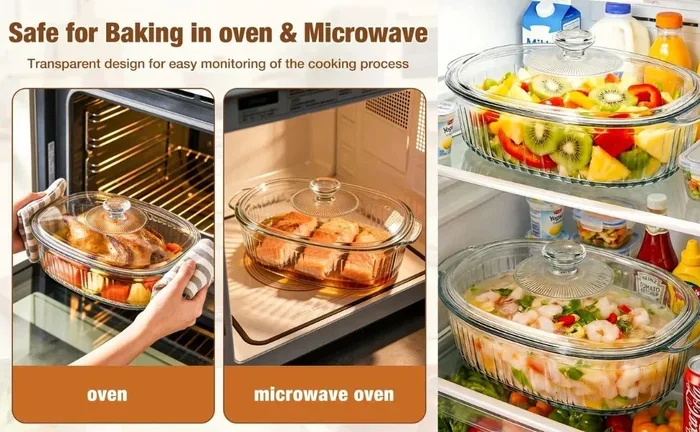
Oven safe dishes made from ceramic or glass are excellent choices. They distribute heat evenly and can go from the oven to the table. Just make sure the dish is labeled as oven safe. Not all glass or ceramic is designed for high heat.
Avoid dishes with metallic paint or decorations, as these can spark in the oven. Stick to plain, heat-resistant materials for the best results.
Silicone Baking Mats
Silicone mats are another great option. They are heat resistant, reusable, and non-stick. You can place them on a baking tray and use them over and over again. They work well for pizza, pastries, and roasted items.
Silicone mats are a smart investment for any kitchen. They reduce the need for parchment paper and make cleanup a breeze.
How To Prevent Kitchen Fires When Cooking
Kitchen fires are more common than most people think. According to fire safety organizations, unattended cooking is the leading cause of home fires. Adding flammable materials like cardboard only increases the risk.
Always Stay In The Kitchen
Never leave the oven unattended, especially when using new containers or materials. Stay nearby so you can react quickly if something goes wrong. A few minutes of attention can prevent a major fire.
Keep Flammable Items Away From The Oven
Make sure towels, paper bags, and cardboard boxes are well away from the oven. Heat can escape from the oven door and ignite nearby items. Keep your cooking area clear and organized.
Use A Fire Extinguisher
Every kitchen should have a fire extinguisher within easy reach. Make sure it is rated for grease and electrical fires. Know how to use it before an emergency happens.
For small grease fires, never use water. Water can make a grease fire spread quickly. Instead, smother the fire with a metal lid or use a fire extinguisher.
Know Your Oven Settings
Understand the temperature settings on your oven. The baking temperature for most recipes is between 325 and 375 degrees. The broil setting is much hotter and should be used with caution. Always preheat your oven safely and avoid setting it higher than the recipe requires.
Expert Tips For Safe Oven Cooking
Professional chefs and fire safety experts share a few simple tips that can keep your kitchen safe.
Use Oven Mitts And Heat-Resistant Gloves
Always use oven mitts when handling hot trays and dishes. Cardboard can stick to hot surfaces and burn your hands if you are not careful. Protect yourself first.
Check Your Oven Before Preheating
Before you turn on the oven, look inside. Make sure there are no stray pieces of cardboard, paper, or packaging left behind. Even a small scrap can catch fire during preheating.
Follow Manufacturer Guidelines
Read the manual for your oven and any cookware you use. The manufacturer will list the oven safe temperature for each product. Following these guidelines keeps you safe and helps your appliances last longer.
When In Doubt, Throw It Out
If you are not sure whether a container is safe for the oven, do not use it. The risk is not worth the convenience. Choose a known oven safe material instead. Your kitchen and your family will thank you.
Key Takeaways
- Cardboard catches fire easily: Cardboard ignites at around 400°F, and most ovens cook at or above this temperature.
- Never put cardboard in a hot oven: Even at low temperatures, cardboard can smolder and cause a kitchen fire.
- Pizza boxes are not oven safe: Many people mistakenly think pizza cardboard is safe because of the box design.
- Use oven-safe alternatives: Baking trays, parchment paper, and ceramic dishes are safe replacements for cardboard.
- Know the combustion point: Understanding cardboard’s burning temperature helps you prevent accidents.
- Prevention is key: Simple kitchen habits can prevent oven fires and keep your food safe.
Frequently Asked Questions
Can you put cardboard in the oven on a low setting?
Even on a low setting, cardboard can still reach its ignition point. Ovens do not heat evenly, and hot spots can develop. It is not worth the risk, so always use an oven-safe alternative instead.
What temperature does cardboard catch fire?
Cardboard typically ignites at around 400 to 450 degrees Fahrenheit. Most home ovens can reach these temperatures during normal cooking or broiling, which makes cardboard a serious fire hazard inside the oven.
Is it safe to reheat pizza on its cardboard base?
No, reheating pizza on cardboard is not safe. The cardboard can catch fire, release harmful fumes, and contaminate your food. Always transfer pizza to a baking tray or oven-safe dish before reheating.
What can I use instead of cardboard in the oven?
You can use a baking tray, parchment paper, a ceramic dish, or a silicone baking mat. All of these are oven-safe and will not catch fire at normal cooking temperatures.
Why do people think cardboard is safe in the oven?
Many people assume cardboard is safe because it is used to package food. They also see pizza boxes and think the material is heat resistant. In reality, cardboard is made of paper fibers that burn easily when exposed to dry oven heat.
What should I do if cardboard catches fire in the oven?
If cardboard catches fire, keep the oven door closed to cut off the oxygen supply. Turn off the oven and let it cool. Do not open the door right away. Once the fire is out, ventilate the kitchen and call emergency services if needed.
=== CONCLUSION ===
The answer to the question can you cook cardboard in the oven is clear. You should never put cardboard in a hot oven. The risk of fire is too high, and the consequences can be severe. Cardboard ignites at temperatures that are well within the normal range of home cooking.
Instead of taking chances, use safe alternatives like baking trays, parchment paper, ceramic dishes, or silicone mats. These options are readily available, affordable, and designed for oven use. They keep your food safe and your kitchen free from fire hazards.
Remember that kitchen safety starts with small choices. Taking a few extra minutes to transfer food from cardboard to an oven-safe dish can prevent a fire and protect your home. Share this information with friends and family, because many people are unaware of the dangers of cardboard in the oven.
Stay informed, stay safe, and always make smart choices when cooking. Your kitchen should be a place of creativity and enjoyment, not a place of preventable danger.