Is All Glassware Oven Safe Discover the Truth Today
Not all glassware is oven safe. Many everyday drinking glasses and decorative pieces can crack or shatter when exposed to high heat. Learn how to identify oven safe glassware, understand the differences between tempered glass and regular glass, and avoid costly kitchen accidents.
You pull out a beautiful glass dish from the cabinet. The recipe calls for baking it in the oven. But wait. Is that dish really oven safe?
The answer might surprise you. Not all glass can handle the heat. Some pieces crack the moment they hit a hot oven. Others shatter mid-bake, turning your dinner into a mess. Understanding oven safe glassware is one of the most important kitchen skills you can learn.
In this guide, we break down everything you need to know. We will cover what makes glass safe for the oven, how to identify it, and the common mistakes that cause glass to fail. By the end, you will never second-guess your glass bakeware again.
Key Takeaways
- Not all glass is created equal: Only specific types like borosilicate glass and tempered glass can handle oven temperatures safely.
- Check for oven safe symbols: Always look for the heat-resistant label on the bottom of your glassware before placing it in the oven.
- Thermal shock is the real danger: Sudden temperature changes cause glass bakeware to crack or explode.
- Pyrex and similar brands are reliable: Most heat resistant glass brands are designed specifically for oven use.
- Avoid using non-oven-safe glass: Using the wrong glass can lead to broken dishes, messes, and even injuries.
- Follow temperature guidelines: Every piece of glass cookware has a maximum heat limit you should respect.
- Prevention is simple: A few easy habits keep your glass baking dish safe and your oven performing well.
📑 Table of Contents
- What Does Oven Safe Glassware Mean?
- Types of Glass Used in Kitchenware
- How to Tell if Your Glassware Is Oven Safe
- Common Mistakes People Make with Glass in the Oven
- Best Oven-Safe Glass Bakeware Options
- How to Safely Use Glassware in the Oven
- Expert Tips for Choosing and Using Glass Bakeware
- Key Takeaways
- Frequently Asked Questions
- Conclusion
What Does Oven Safe Glassware Mean?
When we say a piece of glassware is oven safe, it means the glass can withstand the high temperatures inside an oven without breaking. Not all glass is built for this. Regular glass has a low tolerance for heat. It expands and contracts unevenly when temperatures change. This leads to cracks and shattering.
Oven safe glass is specially manufactured to handle thermal stress. It can go from room temperature to a hot oven without damage. The key lies in the type of glass, how it is treated, and the temperature limits it can handle.
Why Glass Breaks in the Oven
The main reason glass breaks in the oven is something called thermal shock. This happens when one part of the glass heats up faster than another part. The hot side expands while the cool side stays the same size. This creates stress inside the glass. When the stress gets too much, the glass cracks or even explodes.
Think of it like this. Imagine stretching one side of a rubber band while holding the other side still. Eventually, it snaps. Glass works the same way. Heat resistant glass is designed to distribute heat evenly. Regular glass cannot do this.
The Role of Thermal Resistance
Thermal resistance is the ability of a material to handle sudden temperature changes. High-quality oven safe glassware has excellent thermal resistance. This means it can go from a cold counter to a 400-degree oven without any problems. Cheaper glass lacks this quality entirely.
This is why you should never put a glass plate from the freezer directly into a hot oven. The rapid temperature change causes thermal shock, which weakens the glass structure and leads to failure.
Types of Glass Used in Kitchenware
Not all glass is the same. Different types of glass have different properties. Some are perfect for the oven. Others are not suitable at all. Understanding these differences is the first step toward using glass cookware safely.
Borosilicate Glass
Borosilicate glass is the gold standard for oven-safe glassware. It is made by mixing silica and boron trioxide. This combination creates a glass that can handle extreme temperatures. It has very low thermal expansion, which means it does not expand much when heated.
Brands like Pyrex and Schott Duran use borosilicate glass. This type of glass can withstand temperatures up to 450 to 500 degrees Fahrenheit. It is also dishwasher safe and microwave safe, making it incredibly versatile for everyday cooking.
Tempered Glass
Tempered glass is regular glass that has been treated with heat or chemicals to increase its strength. It is about four times stronger than regular glass. When it does break, it shatters into small, less dangerous pieces instead of sharp shards.
Many glass baking dishes and casserole dishes are made from tempered glass. It is a popular choice for oven use because it is durable and affordable. However, tempered glass has lower thermal shock resistance than borosilicate glass. This means it handles temperature changes less gracefully.
Soda Lime Glass
Soda lime glass is the most common type of glass in the world. It is what most drinking glasses, windows, and decorative items are made from. This type of glass is NOT oven safe. It has high thermal expansion and very low thermal shock resistance.
If you put a soda lime glass dish in the oven, it will likely crack or break. Avoid using any glassware that does not explicitly state it is oven safe. This includes most glassware found in your kitchen cabinet for everyday drinking.
Lead Crystal Glass
Lead crystal glass is beautiful and often used for fancy serving dishes and wine glasses. It contains lead oxide, which gives it a brilliant shine. However, it is not designed for oven use. The lead content and the glass composition make it vulnerable to heat damage.
Never place lead crystal glassware in the oven. It can crack, warp, or even release harmful substances when heated. Stick to using it for serving cold or room-temperature foods only.
How to Tell if Your Glassware Is Oven Safe
Figuring out if your glassware is oven safe is easier than you might think. Most manufacturers put clear indicators on the product. Here is how you can check before placing any glass dish in the oven.
Look for the Oven Safe Symbol
Flip the glass dish over and check the bottom. Most oven safe glassware has a symbol printed or etched into the glass. It usually looks like a small oven with wavy lines inside. Some dishes also have text that says “Oven Safe” or “Ovenproof.”
If you do not see this symbol, do not assume the dish is safe. When in doubt, check the packaging or look up the product online. Never guess with glass in the oven.
Check the Manufacturer Guidelines
Every brand has specific guidelines for their glass bakeware. Pyrex, for example, provides clear temperature limits on their products. Anchor Hocking and other brands do the same. Visit the manufacturer’s website or check the instruction manual that came with the dish.
These guidelines tell you the maximum oven temperature the dish can handle. They also provide tips for safe use. Following these instructions is the best way to prevent accidents in the kitchen.
Perform a Simple Water Test
If you cannot find any markings or guidelines, you can do a simple test. Fill the glass dish with room-temperature water. Place it in a cold oven. Set the oven to 350 degrees Fahrenheit. Let it bake for 10 minutes.
If the glass shows any signs of stress, such as tiny cracks or warping, it is not oven safe. This test should be done with caution. Only use a dish you are willing to risk. Never leave the oven unattended during this test.
Understand Temperature Limits
Even oven-safe glass has limits. Most heat resistant glass can handle temperatures between 350 and 500 degrees Fahrenheit. Some specialty glass can go even higher. But no glass is infinite in its heat tolerance.
Always check the maximum temperature rating before using any glass cookware in the oven. Exceeding the limit can cause the glass to fail, even if it is labeled as oven safe. Respect these limits to keep your kitchen safe and your dishes lasting longer.
Common Mistakes People Make with Glass in the Oven
Even the best oven safe glassware can break if you use it incorrectly. Many kitchen accidents happen because of simple mistakes. Here are the most common errors and how to avoid them.
Moving Glass from the Fridge to the Oven
This is the number one cause of glass breaking in the oven. Taking a cold glass dish straight from the refrigerator and placing it in a hot oven creates extreme thermal shock. The cold glass cannot handle the rapid temperature increase.
Always let your glass baking dish come to room temperature first. Take it out of the fridge 15 to 20 minutes before baking. This small step can save you from a broken dish and a messy cleanup.
Placing Glass on a Wet or Cold Surface
Never place hot glass cookware on a wet countertop, a cold metal surface, or a damp towel. The sudden temperature drop on the bottom of the dish can cause it to shatter. Always use a dry wooden trivet or a heat-safe mat.
This rule applies to all hot glassware, not just dishes that came straight from the oven. Even glass that has been baking for an hour can crack if placed on a cold surface immediately.
Using Glass Under the Broiler
The broiler creates intense, direct heat from above. Most oven safe glassware is not designed for broiler use. The concentrated heat can cause the glass to crack or shatter.
Check your manufacturer guidelines before using any glass under the broiler. If the guidelines do not explicitly allow broiler use, do not do it. Use a metal pan instead for broiling tasks.
Overfilling Glass Bakeware
When baking with glass bakeware, leave room for food to expand. Overfilling a glass baking dish can cause the contents to boil over. The liquid can seep between the glass layers and cause cracking.
As a general rule, fill glass bakeware no more than two-thirds full. This gives your food room to grow and keeps your dish safe from damage.
Using Damaged or Scratched Glass
Scratches, chips, and cracks weaken glass. Even a small scratch can turn into a big crack when the glass is heated. Inspect your glass cookware before every use. If you see any damage, replace the dish.
Do not try to salvage a damaged dish. The risk of it breaking during cooking is too high. A new glass baking dish is inexpensive compared to the mess and danger of a broken one in your oven.
Best Oven-Safe Glass Bakeware Options
If you are in the market for new glass bakeware, there are plenty of great options available. Here are some of the most popular and reliable brands and products for oven-safe glassware.
Pyrex Glass Bakeware
Pyrex is the most well-known name in oven safe glassware. Their glass baking dishes have been a kitchen staple for over a century. Pyrex bakeware is made from tempered glass and can handle temperatures up to 450 degrees Fahrenheit.
The brand offers a wide range of products, including baking dishes, measuring cups, and mixing bowls. Most Pyrex products are also microwave safe and dishwasher safe, which makes them incredibly convenient for everyday use.
Anchor Hocking Glassware
Anchor Hocking is another trusted brand in the world of glass cookware. Their oven-safe glass bakeware is affordable and durable. Many of their products are made from tempered glass and can handle temperatures up to 450 degrees Fahrenheit.
Anchor Hocking offers a variety of shapes and sizes, from loaf pans to casserole dishes. Their products are widely available and offer great value for home cooks who want reliable heat resistant glass without a high price tag.
Duralex Glass Bakeware
Duralex is a French brand known for its high-quality tempered glass products. Their bakeware is strong, lightweight, and oven safe. Duralex dishes can handle temperatures up to 392 degrees Fahrenheit.
This brand is especially popular in Europe and is gaining popularity worldwide. Duralex products are also microwave safe and dishwasher safe, making them a versatile choice for any kitchen.
Specialty Glass Brands
Beyond the mainstream brands, there are several specialty manufacturers that produce high-quality oven safe glassware. Brands like Simax and Schott use borosilicate glass, which offers superior thermal shock resistance. These brands are often used in professional kitchens and are prized by serious home cooks.
While these products may cost more than standard tempered glass bakeware, they offer excellent durability and performance. If you bake frequently, investing in premium glass cookware from a specialty brand is a smart move.
| Brand | Glass Type | Max Temperature | Oven Safe | Microwave Safe |
|---|---|---|---|---|
| Pyrex | Tempered Glass | 450 F | Yes | Yes |
| Anchor Hocking | Tempered Glass | 450 F | Yes | Yes |
| Duralex | Tempered Glass | 392 F | Yes | Yes |
| Simax | Borosilicate Glass | 500 F | Yes | Yes |
| Schott Duran | Borosilicate Glass | 500 F | Yes | Yes |
| Standard Drinking Glass | Soda Lime Glass | Not Rated | No | No |
How to Safely Use Glassware in the Oven
Using oven safe glassware safely comes down to a few simple habits. Follow these tips to get the best performance from your glass bakeware and keep your kitchen accident-free.
Preheat the Oven First
Always preheat your oven before placing glass cookware inside. Putting cold glass into a cold oven and then turning on the heat creates uneven heating. This increases the risk of thermal shock. A preheated oven ensures the glass heats up gradually and evenly.
Use Room-Temperature Ingredients
When preparing food in glass baking dishes, use ingredients that are at room temperature. Cold ingredients hitting a hot glass dish can cause stress on the glass. Let eggs, butter, and dairy come to room temperature before adding them to your glass bakeware.
Place Glass on a Dry Oven Rack
Always place your glass cookware on a dry oven rack. Even a small amount of moisture on the rack can cause the glass to crack when heated. Make sure the rack is completely dry before sliding your dish in.
Avoid Direct Heat Sources
Glass cookware should never be placed directly on a stove burner or heating element. Glass is not designed for direct flame or coil contact. It can crack from the intense localized heat. Use glass bakeware only in the oven, where heat is distributed evenly.
Let Glass Cool Before Washing
After removing glass bakeware from the oven, let it cool on a dry, heat-safe surface. Never plunge hot glass into cold water. The sudden temperature change will cause thermal shock and can crack or shatter the dish. Wait at least 15 to 20 minutes before washing.
Store Glassware Properly
When storing your heat resistant glass, place a protective layer between pieces. Use felt pads or cloth separators to prevent glass-on-glass contact. This prevents scratches that can weaken the glass over time and lead to breakage during oven use.
Expert Tips for Choosing and Using Glass Bakeware
Choosing the right glass bakeware and using it correctly can make a huge difference in your cooking results. Here are some expert tips to help you get the most out of your oven-safe glass dishes.
Invest in borosilicate glass if you bake frequently. It handles temperature changes better than tempered glass and lasts longer. Look for brands like Simax or Schott Duran for the best borosilicate glass options.
Match the glass to the task. Use a glass casserole dish for casseroles and baked pasta. Use a glass loaf pan for breads and meatloaves. Using the right dish for the right job ensures even cooking and prevents accidents.
Never use glass that has been chipped or cracked. Even a small chip can grow into a large crack when the glass is heated. Replace damaged glass cookware immediately to keep your kitchen safe.
Read the manual. Every piece of oven safe glassware comes with care instructions. Take a few minutes to read them. You will learn the maximum temperature, safe handling tips, and cleaning guidelines that will extend the life of your dish.
Buy from reputable brands. Established brands have rigorous testing standards. Their glass baking dish products are designed and tested for oven use. Cheap, unbranded glassware from unknown sellers may not meet safety standards. Stick with trusted manufacturers for reliable heat resistant glass.
Key Takeaways
- Not all glass is oven safe: Only tempered glass and borosilicate glass can handle oven temperatures. Soda lime glass and decorative glass are not suitable.
- Always check for the oven safe symbol: Look for the oven icon on the bottom of the dish before using it in the oven.
- Thermal shock is the biggest danger: Sudden temperature changes cause glass to crack. Let dishes come to room temperature before baking.
- Follow temperature guidelines: Every piece of glass cookware has a maximum heat limit. Exceeding it can cause failure.
- Avoid common mistakes: Do not move glass from the fridge to the oven, place hot glass on cold surfaces, or use damaged dishes.
- Invest in quality brands: Pyrex, Anchor Hocking, Simax, and Duralex offer reliable oven safe glassware for everyday cooking.
- Proper care extends lifespan: Let glass cool before washing, store it with separators, and handle it with care to keep it safe for years.
Frequently Asked Questions
Can I use any glass dish in the oven?
No, not all glass dishes are safe for oven use. Only glassware that is specifically labeled as oven safe should go in the oven. Regular drinking glasses, decorative glass, and soda lime glass can crack or shatter when exposed to high heat. Always check for the oven safe symbol on the bottom of the dish.
What is the difference between tempered glass and borosilicate glass?
Tempered glass is regular glass that has been treated to increase its strength. It is durable and affordable but has lower thermal shock resistance. Borosilicate glass is specially formulated to handle extreme temperature changes. It has very low thermal expansion and is the best choice for oven safe glassware. Brands like Pyrex and Schott Duran use borosilicate glass in their premium products.
Can Pyrex go from the freezer to the oven?
Pyrex recommends against moving their glassware directly from the freezer to a hot oven. The rapid temperature change can cause thermal shock and crack the glass. Always let Pyrex glass bakeware come to room temperature before placing it in the oven. This simple step prevents accidents and extends the life of your dishes.
Is glass bakeware better than metal bakeware?
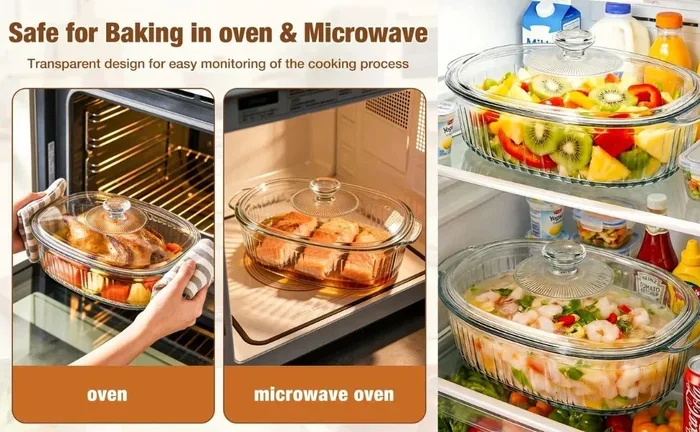
Both have their advantages. Glass bakeware heats more slowly but retains heat well, which is great for dishes that need to stay warm. Metal heats up faster and is better for dishes that need a crispy exterior. Glass cookware is also transparent, so you can monitor the browning of your food without opening the oven door. The best choice depends on what you are cooking.
What temperature can glass bakeware withstand?
Most oven safe glassware can handle temperatures between 350 and 500 degrees Fahrenheit. However, every brand and product has its own limit. Always check the manufacturer guidelines for the maximum temperature of your specific glass baking dish. Exceeding the recommended temperature can cause the glass to fail, even if it is labeled as oven safe.
Can glass lids go in the oven?
Some glass lids are oven safe, but not all. Check for the oven safe symbol on the lid before using it in the oven. Many glass lids have rubber or wooden handles that cannot handle high heat. If the lid is labeled as oven safe, it can go in the oven. Otherwise, use a metal lid or aluminum foil to cover your dish during baking.
Conclusion
The answer to the question “Is All Glassware Oven Safe” is a clear no. Not every piece of glass in your kitchen can handle the heat of an oven. Understanding the difference between tempered glass, borosilicate glass, and regular glass is essential for safe cooking.
Always check for the oven safe symbol before using any glass in the oven. Follow temperature guidelines, avoid sudden temperature changes, and handle your glass cookware with care. These simple habits will keep your kitchen safe and your glass bakeware lasting for years.
Investing in quality oven safe glassware from trusted brands like Pyrex, Anchor Hocking, or Simax is one of the best decisions you can make for your kitchen. With the right knowledge and the right tools, you can bake with confidence every single time. Now you know the truth about oven safe glassware and how to use it safely and effectively.