How To Cook Whole Fish In The Oven In Foil The Easy Way
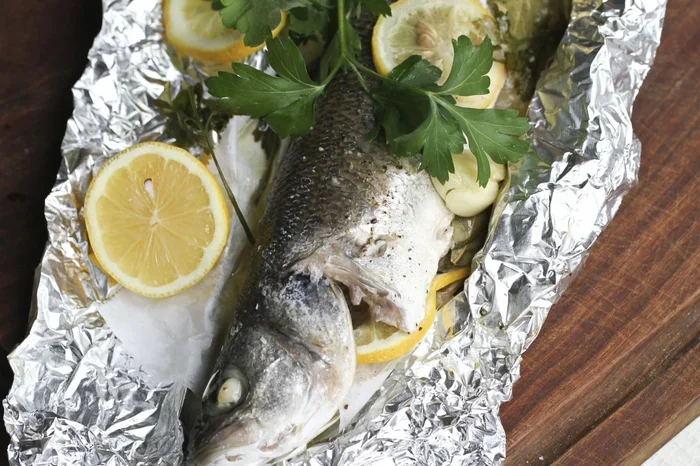
Cooking whole fish in the oven in foil is the simplest way to get perfectly moist, flavorful fish with almost no cleanup. This method traps steam and heat, keeping the flesh tender while letting seasonings penetrate deeply. Whether you are using trout, sea bass, or salmon, foil baking makes the process foolproof for beginners and busy weeknight cooks alike.
There is something magical about cooking whole fish in the oven in foil. It sounds fancy, but honestly, it is one of the easiest things you can do in the kitchen. The foil wraps around the fish like a cozy blanket, trapping all the moisture and flavor inside. The result is a perfectly cooked fish that flakes apart with a fork and tastes absolutely incredible.
Maybe you have been afraid of cooking a whole fish before. Perhaps you think it is too complicated or that you will end up with a dry, overcooked mess. Let me put your mind at ease. When you use the foil method, the fish steams gently in its own juices. This means it stays moist and tender every single time. You do not need to be a skilled chef to pull this off.
This guide will walk you through everything you need to know. From choosing the right fish to seasoning it perfectly and getting the oven temperature just right, we have got you covered. By the end, you will feel confident enough to make whole fish in foil a regular part of your cooking routine. Let us get started.
Key Takeaways
- Easy Cleanup: Foil keeps the pan clean and prevents any sticky fish residue from sticking to your baking dish.
- Moist and Tender Results: The foil traps steam, which gently cooks the fish and keeps it juicy throughout.
- Versatile Seasoning Options: You can use herbs, citrus, garlic, butter, or spices to customize the flavor to your liking.
- Quick Cooking Time: A whole fish in foil typically cooks in 20 to 40 minutes depending on size, making it a fast weeknight dinner option.
- Healthy Cooking Method: Baking fish in foil requires little to no added fat, making it a heart-healthy dinner choice.
- Works for Any Whole Fish: Trout, sea bass, snapper, mackerel, and salmon all cook beautifully in foil packets.
- Perfect for Beginners: This method is forgiving and hard to mess up, even if you have limited cooking experience.
📑 Table of Contents
- Why Cook Whole Fish In Foil?
- How To Prepare Your Whole Fish for Foil Baking
- The Best Oven Temperature and Timing
- Step-by-Step Guide to Wrapping Fish in Foil
- Delicious Whole Fish Foil Recipes to Try
- Common Mistakes to Avoid When Cooking Whole Fish in Foil
- Serving Suggestions and Side Dishes
- Expert Tips for the Best Results Every Time
- Health Benefits of Baking Fish in Foil
- Conclusion
Why Cook Whole Fish In Foil?
You might wonder why foil is the go-to method for baking whole fish. The answer is simple. Foil creates a sealed environment around the fish. This sealed pouch traps steam, which cooks the fish gently and evenly. It also locks in all the flavors from your seasonings, herbs, and any liquid you add.
Here are some of the biggest benefits of using this method:
- Moisture Retention: The foil traps steam, which keeps the fish from drying out. This is especially important for leaner fish like trout or sea bass.
- Easy Cleanup: When the fish is done, you simply toss the foil. There is no scrubbing baked-on fish stuck to a pan.
- Even Cooking: The steam circulates inside the foil packet, cooking the fish uniformly from all sides.
- Flavor Infusion: Because the foil seals in everything, the herbs, garlic, lemon, and butter have nowhere to go. They soak into the fish beautifully.
- Set It and Forget It: Once the foil packet is in the oven, you can focus on other things. You do not need to flip or monitor the fish constantly.
Compared to grilling or pan-frying, baking whole fish in foil gives you more control. You do not have to worry about the fish sticking to the grill or breaking apart in a pan. The foil holds everything together gently. This makes it the ideal method for people who want delicious results without the stress.
What Types of Fish Work Best?
Not all fish are created equal when it comes to foil baking, but honestly, most whole fish do wonderfully. Here are some popular options that work great:
- Whole Trout: This is probably the most popular choice. Trout is small, cooks quickly, and has delicate, flaky flesh that pairs perfectly with foil steaming.
- Whole Sea Bass: A firm-fleshed fish that holds its shape well and absorbs flavors beautifully.
- Whole Snapper: Larger than trout but still manageable. Snapper has a sweet, mild flavor that complements herbs and citrus.
- Whole Mackerel: A rich, oily fish that stays moist in foil. The natural oils add extra flavor to the cooking pouch.
- Whole Salmon: Salmon is a favorite for foil baking because it is forgiving and comes out perfectly moist every time.
- Whole Branzino: A Mediterranean favorite that looks impressive and tastes amazing when baked in foil with lemon and herbs.
When choosing your fish, look for one that feels firm to the touch and has clear, bright eyes. The gills should be red, not brown. Freshness matters a lot when cooking whole fish in the oven in foil because the simple preparation lets the natural flavor of the fish shine through.
How To Prepare Your Whole Fish for Foil Baking
Preparation is the key to great results. The good news is that this step does not take long, and it makes a huge difference in the final dish. Follow these steps to get your fish ready for the oven.
Step 1: Clean the Fish Thoroughly
Start by rinsing the fish inside and out under cold running water. Remove the scales if your fish has them, though many fishmongers will do this for you. Use a sharp knife to gut the fish and pull out the gills. These parts can add a bitter taste, so make sure you remove them completely. Pat the fish dry inside and out with paper towels. A dry surface helps the seasoning stick better.
Step 2: Score the Skin
Use a sharp knife to make 2 to 3 shallow diagonal cuts on each side of the fish. These cuts, called scoring, help the heat penetrate evenly. They also give the seasonings a place to sit so they sink into the flesh during cooking. Do not cut too deep. You only want to slice through the skin and into the top layer of flesh.
Step 3: Season Generously
This is where the fun begins. Whole fish foil recipes are incredibly forgiving, so you cannot really go wrong. Here are some classic seasoning combinations that work beautifully:
- Lemon Herb: Fresh dill, parsley, lemon slices, and a drizzle of olive oil. This is light, fresh, and perfect for summer.
- Garlic Butter: Softened butter mixed with minced garlic, salt, pepper, and a squeeze of lemon. Rich and indulgent.
- Mediterranean Style: Sliced tomatoes, olives, capers, oregano, and olive oil. This gives you a rustic, flavorful result.
- Asian Inspired: Ginger, soy sauce, sesame oil, scallions, and a touch of honey. Sweet and savory with great depth.
Stuff the cavity of the fish with some of your herbs and aromatics. Place lemon slices or other ingredients both inside the fish and on top of the skin. The more seasoning you use, the more flavor will develop inside the foil pouch.
The Best Oven Temperature and Timing
Getting the temperature right is one of the most important parts of cooking whole fish in the oven in foil. Too hot and the fish will dry out. Too low and it will take forever. Here is what you need to know.
Recommended Temperature
The sweet spot for baking whole fish in foil is 200 degrees Celsius, which is about 400 degrees Fahrenheit. This temperature is hot enough to cook the fish through in a reasonable amount of time, but gentle enough that the steam inside the foil keeps the flesh moist. If you are using a convection oven, you can drop the temperature by about 10 degrees.
How Long to Cook
The cooking time depends mainly on the size of the fish. Here is a general guide to help you plan:
- Small fish (under 1 pound): 15 to 20 minutes at 200°C (400°F).
- Medium fish (1 to 2 pounds): 20 to 30 minutes at 200°C (400°F).
- Large fish (over 2 pounds): 30 to 40 minutes at 200°C (400°F).
These times are guidelines. The best way to check if your fish is done is to insert a knife into the thickest part of the flesh near the backbone. If the flesh flakes easily and is opaque all the way through, it is ready. The internal temperature should reach about 63 degrees Celsius, or 145 degrees Fahrenheit, at the thickest point.
Quick Tips for Perfect Timing
Timing can vary based on your oven, so keep a few things in mind. First, always preheat your oven before placing the fish inside. A hot oven starts cooking the fish immediately, which helps it cook evenly. Second, do not open the foil too often to check on the fish. Every time you open it, you release the steam, which slows down the cooking process. Finally, if you are cooking multiple fish, make sure they are similar in size so they cook at the same rate.
Step-by-Step Guide to Wrapping Fish in Foil
Wrapping the fish in foil might seem like a small detail, but it makes all the difference. A properly wrapped foil packet keeps everything sealed and ensures even cooking. Here is how to do it right.
Choose the Right Foil
Use heavy-duty aluminum foil if you can. Regular foil tears easily, especially when it gets wet from the steam. Heavy-duty foil is stronger and holds up better during cooking. If you want to be extra safe, you can double up two sheets of regular foil.
Create a Pouch
Lay out a large sheet of foil on your work surface. Place the seasoned fish in the center. Add any extra aromatics like sliced lemons, herbs, or a pat of butter on top of the fish. Now fold the foil over the fish, crimping the edges tightly to seal the pouch. Make sure there are no gaps where steam can escape. You want to create a sealed environment, but leave a little air inside so the steam can circulate.
Another method is to use a double layer of foil. This adds extra durability and makes it even easier to toss the foil after cooking. Simply wrap the fish in one layer, then wrap another layer on top. This is especially helpful if you are cooking a larger fish that might be heavier.
Place on a Baking Sheet
Put the foil-wrapped fish on a baking sheet before placing it in the oven. This makes it easier to transfer the fish in and out of the oven safely. A rimmed baking sheet catches any drips and keeps your oven clean.
Delicious Whole Fish Foil Recipes to Try
Once you master the basic technique, you can start experimenting with different flavors. Here are three whole fish foil recipes that are guaranteed to impress.
Recipe 1: Classic Lemon Herb Trout
This is the go-to recipe for beginners. It requires minimal ingredients but delivers maximum flavor. Take a whole trout, score the sides, and stuff the cavity with fresh dill, parsley, and lemon slices. Rub the outside with olive oil, salt, and pepper. Wrap in foil and bake at 200°C for 20 minutes. The result is a light, flaky fish with a bright, citrusy flavor that everyone will love.
Recipe 2: Garlic Butter Sea Bass
For something richer, try this garlic butter sea bass. Mix softened butter with minced garlic, chopped chives, salt, and a pinch of paprika. Stuff the sea bass with some of the butter mixture and place the rest on top. Add lemon slices and a few sprigs of thyme. Wrap tightly in foil and bake at 200°C for 25 to 30 minutes. The butter melts into the fish as it cooks, creating a rich, silky sauce inside the foil.
Recipe 3: Mediterranean Branzino
This recipe brings the flavors of the Mediterranean coast to your kitchen. Stuff a whole branzino with sliced tomatoes, Kalamata olives, capers, garlic, and fresh oregano. Drizzle with olive oil and a splash of white wine. Wrap in foil and bake at 200°C for 30 minutes. Serve it straight from the foil pouch for a rustic, effortless dinner that feels like a vacation.
Common Mistakes to Avoid When Cooking Whole Fish in Foil
Even though this method is straightforward, there are a few mistakes that can ruin your results. Here is what to watch out for so you get perfect fish every time.
Opening the Foil Too Early
This is the most common mistake. When you open the foil to check on the fish too soon, you release all the trapped steam. This slows down cooking and can result in unevenly cooked fish. Be patient. Let the fish cook undisturbed for most of the time. Only open the foil in the last few minutes if you need to check for doneness.
Using Too Much Liquid
Adding a little liquid like wine, broth, or lemon juice to the foil pouch is a great idea. It creates extra steam and adds flavor. But if you add too much, the fish will sit in a pool of liquid and become waterlogged. A tablespoon or two is plenty. The fish should release its own juices as it cooks.
Skipping the Scoring
It might seem like a small step, but scoring the fish really does help. Without it, the heat has a harder time penetrating to the center of a thicker fish. The cuts also give your seasonings somewhere to sit, which means more flavor in every bite. Do not skip this step, even if you are in a hurry.
Overcooking the Fish
Overcooked fish is dry and falls apart in an unappetizing way. To avoid this, set a timer and check the fish a few minutes before the recommended cooking time ends. Remember that the fish will continue to cook slightly after you take it out of the oven due to residual heat. Pull it off a little early if you are unsure.
Not Letting the Fish Rest
Once your fish is done, let it rest in the foil for about 5 minutes before serving. This allows the juices to redistribute throughout the flesh. If you cut into it immediately, the juices will run out and the fish will be less moist. A short rest makes a noticeable difference in texture and flavor.
Serving Suggestions and Side Dishes
Whole fish baked in foil pairs wonderfully with a variety of sides. Here are some ideas to round out your meal:
- Roasted Vegetables: Asparagus, zucchini, cherry tomatoes, and bell peppers roasted on a separate sheet pan complement any foil-baked fish beautifully.
- Garlic Mashed Potatoes: Creamy, buttery mashed potatoes are a classic pairing that soaks up the fish juices perfectly.
- Fresh Salad: A light mixed greens salad with a lemon vinaigrette adds freshness and balance to the meal.
- Crusty Bread: A warm baguette or sourdough bread is perfect for mopping up the flavorful juices from the foil pouch.
- Rice or Couscous: A simple bed of fluffy rice or herbed couscous makes a satisfying complete meal.
When it is time to serve, carefully open the foil packet away from you. The steam inside will be very hot and can burn you. Use tongs or a large spatula to lift the fish onto a serving platter. Garnish with fresh herbs and a squeeze of lemon for a beautiful presentation.
Expert Tips for the Best Results Every Time
Here are some pro tips from experienced cooks that will elevate your whole fish in foil game. These small details can make a big difference in the final result.
- Bring the Fish to Room Temperature: Take the fish out of the refrigerator about 15 minutes before cooking. A fish that starts at room temperature cooks more evenly than one that goes straight from the fridge into a hot oven.
- Use Fresh Herbs When Possible: Dried herbs work in a pinch, but fresh herbs release more aroma and flavor when cooked in foil. Dill, parsley, thyme, and rosemary are all excellent choices.
- Add a Splash of White Wine: A small splash of dry white wine inside the foil pouch adds a subtle depth of flavor that pairs well with almost any whole fish.
- Butter vs. Olive Oil: Both work well, but butter adds richness while olive oil keeps things lighter. Choose based on your taste preference and the type of fish you are cooking.
- Let the Fish Tell You When It Is Done: Look for the flesh to turn opaque and flake easily with a fork. The skin should also pull away slightly from the flesh. These are the clearest signs that your fish is perfectly cooked.
Health Benefits of Baking Fish in Foil
Baking whole fish in foil is not only delicious but also one of the healthiest ways to prepare fish. Because the foil traps steam, you do not need to add much oil or fat. This keeps the calorie count low while preserving the natural nutrients in the fish. Fish is an excellent source of protein, omega-3 fatty acids, and essential vitamins like vitamin D and B12. Baking in foil helps retain these nutrients better than frying or grilling, where high heat can destroy some of the beneficial compounds.
For those watching their fat intake, this method is ideal. The fish cooks in its own juices and the small amount of added fat from olive oil or butter is minimal. You get all the nutritional benefits of fish without any unnecessary added calories. It is a guilt-free dinner option that the whole family can enjoy.
Conclusion
Cooking whole fish in the oven in foil is one of the simplest and most rewarding things you can do in the kitchen. It requires minimal effort, produces incredible results, and gives you a healthy, delicious meal with almost no cleanup. Whether you are a complete beginner or an experienced cook looking for a quick dinner solution, this method delivers every time.
The key is to choose fresh fish, season it generously, wrap it properly in foil, and bake it at the right temperature. Follow the timing guidelines, avoid common mistakes, and let the fish rest before serving. Once you try this method, you will wonder why you ever cooked fish any other way. So grab some fresh fish, preheat your oven, and give whole fish foil baking a try tonight. Your taste buds will thank you.
Frequently Asked Questions
Can I use regular aluminum foil instead of heavy-duty foil?
Yes, you can use regular foil, but heavy-duty foil is stronger and less likely to tear. If you only have regular foil, simply double up two sheets to create a sturdier pouch. This prevents any leaks and keeps the steam trapped inside during cooking.
Do I need to grease the foil before placing the fish on it?
It is a good idea to lightly grease the foil with a thin layer of olive oil or butter. This prevents the fish from sticking, especially if you plan to serve the fish directly from the foil. A quick spray of cooking oil also works well for this purpose.
Can I add vegetables inside the foil pouch with the fish?
Absolutely. Adding vegetables like sliced onions, cherry tomatoes, zucchini, or bell peppers inside the foil pouch is a great way to cook everything together. The vegetables steam alongside the fish and absorb all the delicious flavors from the seasonings.
What is the best way to reheat leftover fish cooked in foil?
Reheat leftover fish in the oven at 150 degrees Celsius for about 10 minutes. Wrap it loosely in foil to retain moisture. Avoid using the microwave, as it can make the fish rubbery and dry. The oven gently warms the fish without overcooking it.
Can I cook frozen whole fish in foil?
It is best to thaw the fish completely before cooking it in foil. Frozen fish releases excess water as it thaws, which can make the fish soggy. If you must cook from frozen, add an extra 10 to 15 minutes to the cooking time and place the fish on a rack inside the foil pouch to allow drainage.
How do I know if the whole fish is fully cooked?
The fish is done when the flesh turns opaque and flakes easily with a fork. Insert a knife into the thickest part near the backbone. The internal temperature should reach 63 degrees Celsius or 145 degrees Fahrenheit. The skin should also look slightly crispy and pull away from the flesh.