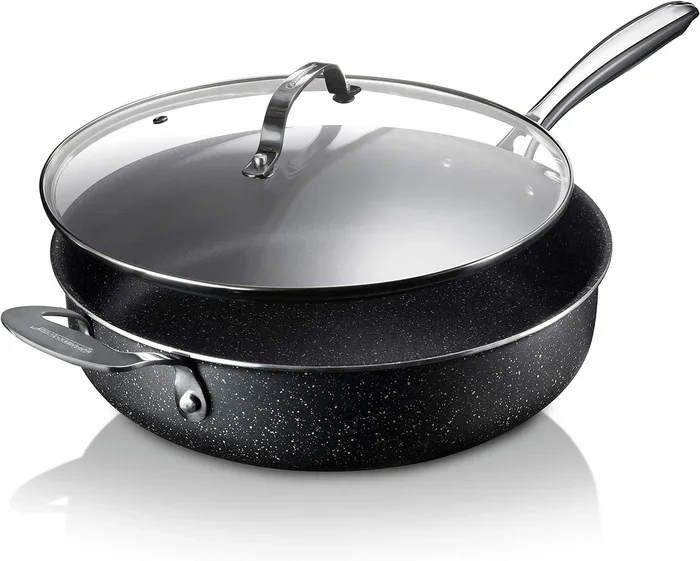
Can Granite Stone Pans Go In The Oven Without Damage
Yes, most granite stone pans can go in the oven, but only up to certain temperature limits. Understanding the heat tolerance of your granite cookware is essential to avoid warping, cracking, or releasing harmful fumes. This guide covers everything you need to know about using granite stone pans in the oven safely.
You just pulled out your favorite granite stone pan from the cabinet. The recipe you are following calls for finishing the dish in the oven. But wait. Can you safely put that pan in the oven? This is a question many home cooks ask. The short answer is yes, but there are important details you need to know.
Granite stone pans have become incredibly popular in kitchens around the world. They look beautiful, they cook food evenly, and they are easy to clean. But when it comes to oven use, not all pans are created equal. Some can handle high heat. Others cannot. Using the wrong pan in the oven can lead to damage. It can even be a safety risk.
In this article, we will cover everything you need to know about putting granite stone pans in the oven. We will look at temperature limits, handle materials, and common mistakes to avoid. By the end, you will feel confident about using your granite cookware in the oven without any worry.
Key Takeaways
- Most granite stone pans are oven safe: They can handle temperatures between 350°F and 500°F depending on the brand and model.
- Check the manufacturer guidelines: Always verify the maximum oven temperature before placing your pan inside.
- Avoid sudden temperature changes: Thermal shock can crack or warp your granite cookware.
- Remove plastic handles or covers: Many pans have components that cannot withstand oven heat.
- Use oven mitts: Granite pans get very hot and retain heat for a long time.
- Season your pan properly: Proper care extends the life of your granite stone cookware.
- Not all granite pans are equal: Quality varies, so choose reputable brands for oven-safe performance.
📑 Table of Contents
- What Are Granite Stone Pans?
- Can Granite Stone Pans Go In The Oven?
- Why Oven Safety Matters for Granite Pans
- How to Safely Use Granite Stone Pans in the Oven
- Comparing Granite Stone Pans With Other Oven-Safe Cookware
- How to Know If Your Granite Pan Is Oven Safe
- Common Mistakes People Make With Granite Stone Pans in the Oven
- Expert Tips for Extending the Life of Your Granite Stone Pan
- Conclusion
What Are Granite Stone Pans?
Granite stone pans are cookware pieces coated with a granite-like finish. They are not made entirely of granite. Instead, they are usually aluminum or stainless steel pans with a granite-style non-stick coating. This coating gives them a speckled, stone-like appearance. It also provides a natural non-stick surface for cooking.
These pans are known for their durability. They distribute heat well and resist scratches better than many traditional non-stick pans. Many people love them because they look like premium cookware but come at a more affordable price. They work great on the stovetop for frying, sautéing, and searing.
How Are They Made?
The base of a granite stone pan is typically die-cast aluminum. This metal heats up quickly and spreads the heat evenly across the surface. The aluminum is then coated with a special granite stone coating. This coating is a mix of minerals and resin that creates a hard, non-stick surface. Some brands add a layer of titanium or ceramic to boost durability.
The handle is usually made of Bakelite, silicone, or stainless steel. The handle material plays a big role in whether the pan is oven safe or not. We will talk more about this below.
Can Granite Stone Pans Go In The Oven?
The short answer is yes. Most granite stone pans are oven safe. But the word “most” is important. Not every single pan can go in the oven. The oven safety depends on several factors. These include the coating type, the handle material, and the brand’s specific guidelines.
When you buy a granite stone pan, the packaging or product manual will usually state whether it is oven safe. Look for this information before you purchase. If you already own the pan, check the bottom for any symbols or markings. A little oven icon with a temperature number is a good sign.
Oven Temperature Limits
Most granite stone pans can handle temperatures up to 400°F to 500°F. Some premium brands allow up to 600°F. However, the general rule is to stay below 500°F. Going above the recommended limit can damage the non-stick coating. It can also warp the pan over time.
Here is a quick breakdown of common temperature ranges:
- Standard granite pans: Safe up to 350°F to 450°F
- Premium granite stone pans: Safe up to 500°F to 600°F
- Budget granite pans: Safe up to 350°F only
Always check your specific pan’s guidelines. These numbers can vary widely between brands. When in doubt, keep the temperature on the lower side.
Why Oven Safety Matters for Granite Pans
You might wonder why oven safety is such a big deal. Can’t you just throw any pan in the oven? The truth is, doing so without checking can cause real problems. Understanding why oven safety matters will help you take better care of your cookware.
Thermal Shock and Cracking
One of the biggest risks is thermal shock. This happens when a pan goes from a cold surface to a hot oven quickly. Or when it goes from a hot oven to a cold countertop. The sudden change in temperature can cause the pan to crack or warp. Granite stone pans are especially vulnerable because the coating can expand and contract at different rates than the base metal.
To avoid thermal shock, always let your pan come to room temperature before placing it in the oven. And never place a hot pan on a cold or wet surface. Use a wooden board or a dry towel instead.
Handle Material and Safety
The handle is often the weak point in oven safe pans. Many granite pans have handles made of Bakelite or silicone. These materials can melt or release harmful fumes when exposed to high heat. If your pan has a plastic or silicone handle, it may not be fully oven safe even if the pan body can handle the heat.
Some brands make pans with removable handles. This is a great feature for oven use. You simply take the handle off, place the pan in the oven, and reattach it when you are ready to serve. Always check whether the handle is rated for oven use at the same temperature as the pan body.
Coating Degradation
The granite non-stick coating on these pans is not invincible. High heat can break down the coating over time. When the coating degrades, the pan loses its non-stick properties. Food starts to stick. The pan becomes harder to clean. In worst cases, the coating can peel or flake, which is not safe for cooking.
This is why staying within the recommended temperature range is so important. It preserves the coating and extends the life of your pan. Treat your granite stone cookware well, and it will last for years.
How to Safely Use Granite Stone Pans in the Oven
Now that you know the basics, let us talk about how to actually use your granite stone pan in the oven safely. Following the right steps protects your pan and keeps your food tasting great.
Step-by-Step Guide
- Check the manufacturer’s instructions. Look for the oven-safe symbol or temperature rating on the pan or its packaging.
- Preheat the oven. Set the oven to the recommended temperature. Do not exceed the maximum limit.
- Let the pan reach room temperature. Never place a cold pan directly into a hot oven. This prevents thermal shock.
- Remove any plastic or silicone parts. If your pan has a removable handle, take it off. If not, make sure the handle material is oven safe.
- Use oven mitts. Granite pans get very hot. Always use thick oven mitts when handling them.
- Place the pan on the middle rack. This ensures even heat distribution and prevents overheating on the bottom.
- Let the pan cool before washing. Never plunge a hot pan into cold water. Let it cool naturally first.
Best Practices for Oven Use
- Use parchment paper or silicone mats. These protect the coating from direct contact with high heat.
- Avoid using metal utensils. Even in the oven, metal tools can scratch the granite finish.
- Do not leave the pan in the oven after cooking. Turn off the heat and remove the pan promptly.
- Clean gently. Use a soft sponge and mild soap. Avoid abrasive scrubbers that can damage the coating.
- Store carefully. Stack pans with a paper towel between them to prevent scratching.
What to Avoid
There are certain things you should never do with your granite stone pan in the oven. Avoid these common mistakes to keep your pan in great shape:
- Never use the broiler. The direct, intense heat from the broiler can damage the coating instantly.
- Do not use metal utensils. They scratch the granite finish and reduce the non-stick performance.
- Avoid cooking at very high temperatures. Even if your pan is rated for 500°F, try to stay below 450°F for everyday use.
- Do not soak the pan in water. This can cause water to seep under the coating and damage the pan from the inside.
- Never put a hot pan in the dishwasher. The high heat and harsh detergents can degrade the coating over time.
Comparing Granite Stone Pans With Other Oven-Safe Cookware
Not all cookware is the same when it comes to oven use. Let us compare granite stone pans with some other popular options. This will help you understand where they stand.
| Cookware Type | Oven Safe Temp | Non-Stick | Durability | Oven Handle Safety |
|---|---|---|---|---|
| Granite Stone Pan | 350°F to 500°F | Yes | Good | Depends on handle |
| Cast Iron Skillet | Up to 600°F+ | No (needs seasoning) | Excellent | Usually fully safe |
| Stainless Steel Pan | Up to 600°F | No | Excellent | Usually fully safe |
| Ceramic Pan | Up to 450°F | Yes | Moderate | Varies |
| Teflon Non-Stick Pan | Up to 500°F | Yes | Moderate | Depends on handle |
As you can see, granite stone pans fall in the middle of the pack. They offer better non-stick performance than cast iron or stainless steel. They are also more durable than ceramic pans. However, they do not match the extreme heat tolerance of cast iron. For most everyday cooking, though, granite pans are more than capable.
How to Know If Your Granite Pan Is Oven Safe
If you are unsure about your specific pan, here are some ways to find out. These tips will help you determine whether your granite stone cookware can go in the oven.
Check the Packaging and Manual
The easiest way is to check the original packaging or the user manual. Most manufacturers clearly label whether the pan is oven safe. They also provide the maximum temperature. If you have lost the manual, try searching the brand name and model number online. Most brands have their manuals available as PDF files on their websites.
Look for Oven Symbols
Many pans have symbols stamped on the bottom. Look for an oven icon. It usually looks like a small oven with a temperature number inside. If you see this symbol, your pan is oven safe. If you see a crossed-out oven icon, it is not safe for oven use.
Contact the Manufacturer
If you cannot find any information, contact the manufacturer directly. They can tell you the exact oven-safe temperature for your specific model. Most brands have customer service lines or email support. This is a reliable way to get accurate information.
Perform a Simple Test
If you are still unsure, you can perform a simple test. Preheat your oven to 350°F. Place the pan inside for 10 minutes. Then carefully remove it with oven mitts. Check for any warping, discoloration, or smell. If the pan looks and smells normal, it is likely oven safe at that temperature. However, this test should be done with caution. Never test beyond the manufacturer’s recommended limit.
Common Mistakes People Make With Granite Stone Pans in the Oven
Even experienced cooks make mistakes. Here are some common errors that can damage your granite stone pans when using them in the oven.
Using the Pan Under the Broiler
The broiler produces direct, intense heat from above. This can cause the coating to bubble or peel. It can also warp the aluminum base quickly. Never use a granite stone pan under the broiler, even if it is rated for high oven temperatures.
Ignoring the Handle
Many people assume the entire pan is oven safe because the body can handle the heat. But the handle is a different story. Plastic or silicone handles can melt at temperatures as low as 350°F. Always check the handle material before placing the pan in the oven.
Skipping the Preheating Step
Some people put a cold pan directly into a hot oven. This creates a temperature gap that can cause warping. Always let the pan adjust to room temperature first. This small step can save your pan from serious damage.
Overcrowding the Oven
Overcrowding affects airflow in the oven. This leads to uneven heating. Your granite stone pan may get hotter in some spots than others. This can cause hot spots and uneven cooking. Give your pan enough space in the oven for proper air circulation.
Neglecting Regular Maintenance
Even the best oven safe pans need regular care. Neglecting maintenance can shorten the life of your granite pan. Clean it after every use. Store it properly. Re-season it if needed. These small habits make a big difference over time.
Expert Tips for Extending the Life of Your Granite Stone Pan
Your granite stone pan is an investment. With the right care, it can last for many years. Here are some expert tips to keep it in top condition.
Season Your Pan Regularly
Just like cast iron, granite pans benefit from occasional seasoning. Apply a thin layer of cooking oil to the surface. Heat it in the oven at 350°F for 10 minutes. Let it cool completely before wiping off the excess. This helps maintain the non-stick surface and adds a protective layer.
Use the Right Cooking Oils
Some oils break down at high temperatures and leave a residue on the pan. Use oils with a high smoke point, such as avocado oil or refined olive oil. Avoid unrefined coconut oil or butter for high-heat oven cooking. These can carbonize and damage the coating.
Store With Care
How you store your granite stone cookware matters. Avoid stacking pans without protection. Use pan protectors or place a soft cloth between pans. This prevents scratches that can weaken the coating over time.
Know When to Replace
Even with the best care, pans eventually wear out. Signs that it is time to replace your pan include peeling coating, visible scratches, warping, or food sticking constantly. A damaged pan is not just a cooking problem. It can also be a health concern if coating particles end up in your food.
Conclusion
Can granite stone pans go in the oven without damage? Yes, they can, as long as you follow the right guidelines. Most granite stone pans are oven safe up to 400°F or 500°F. Always check the manufacturer’s recommendations first. Pay attention to the handle material and avoid sudden temperature changes. With proper care, your granite stone cookware will serve you well for years of oven cooking.
The key is to be mindful and informed. Understand your pan’s limits. Use it correctly. And maintain it regularly. When you do all of this, you can confidently use your granite pan in the oven for baking, roasting, and finishing dishes. Enjoy the versatility and convenience that granite stone pans bring to your kitchen.
Remember, every pan is different. What works for one brand may not work for another. Always prioritize safety and follow the guidelines that come with your specific cookware. Happy cooking!
Frequently Asked Questions
Can all granite stone pans go in the oven?
Not all granite stone pans are oven safe. Some budget models have plastic handles or coatings that cannot handle high heat. Always check the manufacturer’s guidelines before placing your pan in the oven. Look for the oven-safe symbol on the bottom of the pan.
What is the maximum oven temperature for granite stone pans?
Most granite stone pans can handle temperatures up to 400°F to 500°F. Premium brands may allow up to 600°F. However, it is always best to stay within the manufacturer’s recommended limit. Exceeding the temperature can damage the non-stick coating and warp the pan.
Can I put a granite stone pan with a silicone handle in the oven?
It depends on the silicone handle’s heat resistance. Some silicone handles can withstand up to 400°F, while others cannot. Check the product manual for specific temperature ratings. If the handle is not rated for oven use, remove it before placing the pan in the oven.
Is it safe to use a granite stone pan under the broiler?
No, it is generally not safe to use granite stone pans under the broiler. The direct, intense heat from the broiler can damage the coating and warp the pan quickly. Always use the main oven compartment for baking or roasting with your granite cookware.
How do I clean my granite stone pan after oven use?
Let the pan cool completely before washing. Use warm water, mild dish soap, and a soft sponge. Avoid abrasive scrubbers or steel wool, as they can scratch the granite coating. Never put a hot granite pan directly into cold water, as this can cause thermal shock.
Can I use metal utensils with my granite stone pan in the oven?
It is best to avoid metal utensils altogether, even if the pan is oven safe. Metal utensils can scratch and damage the granite coating over time. Use wooden, silicone, or nylon utensils instead. This will help preserve the non-stick surface and extend the life of your pan.