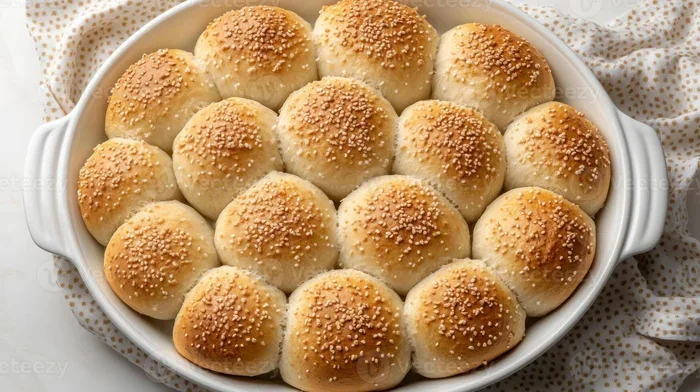
How To Heat Dinner Rolls In The Oven For Perfect Results
Heating dinner rolls in the oven is the best way to bring back their soft, warm texture and fresh-baked flavor. Whether you are reheating homemade dinner rolls or store-bought ones, the oven method gives you crispy edges and a fluffy inside. This guide covers temperatures, timing, tips, and common mistakes to help you serve perfect dinner rolls every single time.
There is nothing quite like a warm, soft dinner roll sitting right next to your main course. Whether you are serving a holiday meal or a simple weeknight dinner, warm bread rolls can turn an ordinary meal into something special. But reheating them the wrong way can leave you with hard, dry, or unevenly warmed rolls.
That is why learning how to heat dinner rolls in the oven is such a valuable kitchen skill. The oven method is simple, reliable, and gives you the best results every time. In this guide, we will walk you through everything you need to know. From the right temperature to the best timing, we have got you covered. By the end, you will feel confident reheating any type of dinner roll to perfection.
Let us get started with the basics. Understanding why the oven works so well for this task is the first step toward better results.
Key Takeaways
- Use 350°F for most dinner rolls: This temperature heats them evenly without drying them out.
- Wrap rolls in foil: Foil traps moisture and keeps your dinner rolls soft and warm.
- Heat for 10 to 15 minutes: This timing works for most types of dinner rolls in a standard oven.
- Avoid the microwave: Microwaves make dinner rolls rubbery and unevenly heated.
- Add butter after heating: Brushing butter on warm rolls enhances flavor and keeps the crust tender.
- Store leftover rolls properly: Proper storage helps your dinner rolls stay fresh for days.
- Check for doneness early: Every oven is different, so start checking your dinner rolls a few minutes before the timer goes off.
📑 Table of Contents
- Why Heating Dinner Rolls In The Oven Makes A Difference
- Best Oven Temperature For Heating Dinner Rolls
- Step-by-Step Guide To Heat Dinner Rolls In The Oven
- Tips For Perfectly Warm Dinner Rolls Every Time
- Common Mistakes To Avoid When Reheating Dinner Rolls
- Different Types Of Dinner Rolls And How To Heat Them
- Conclusion
Why Heating Dinner Rolls In The Oven Makes A Difference
The Problem With Microwaving Dinner Rolls
Many people reach for the microwave when they want quick warm bread rolls. It is fast and easy. But microwaves have a big downside when it comes to reheating dinner rolls. They heat food unevenly, which means some parts of your rolls will be hot while other parts stay cold. Worse yet, microwaves remove moisture from bread very quickly.
The result is often rubbery, tough, or stale-tasting dinner rolls. The crust becomes hard instead of crispy, and the soft inside turns into something that feels almost like cardboard. If you have ever bitten into a microwaved roll and thought, “this is not right,” you are not alone.
The oven solves all of these problems. It surrounds your dinner rolls with gentle, even heat. This means the outside gets a little crispy while the inside stays soft and fluffy. The even warmth brings back that fresh-baked smell and taste that makes dinner rolls so special.
Why Oven Heating Is The Best Method For Warm Dinner Rolls
When you heat dinner rolls in the oven, you are using dry heat that circulates around the bread. This type of heat warms the roll from all sides at the same time. It also helps restore the crust texture without making it too hard or too soft.
Another big advantage is that ovens give you more control. You can set the exact temperature and timer to match the type of roll you are reheating. Whether you are warming a batch of soft dinner rolls or a tray of garlic bread rolls, the oven lets you customize the process.
Using the oven also means you can reheat a large number of rolls at once. This is perfect for family dinners, holiday meals, or dinner parties. Instead of reheating rolls one by one in the microwave, you can warm them all together on a single baking sheet.
Best Oven Temperature For Heating Dinner Rolls
Recommended Temperature Settings
The ideal temperature for heating dinner rolls in the oven is 350°F (175°C). This is the sweet spot that works for almost every type of dinner roll. At this temperature, the heat is warm enough to bring the roll back to life but not so hot that it dries out or burns.
Here is a quick breakdown of temperature options based on your needs:
- 350°F (175°C): The standard setting for most dinner rolls. This gives you even heating and a soft, warm result.
- 325°F (163°C): Use this for very delicate or thin rolls. The lower temperature prevents them from drying out.
- 375°F (190°C): Use this if you want a slightly crispier crust on your dinner rolls. This works well for thicker, denser rolls.
Always preheat your oven before placing the rolls inside. Preheating ensures the oven reaches the right temperature so your dinner rolls start warming immediately. Putting cold rolls into a cold oven leads to uneven heating and longer wait times.
How Long To Heat Dinner Rolls In The Oven
Timing depends on the type of roll and whether it is at room temperature or straight from the fridge. Here is a general guide for oven-warmed dinner rolls:
- Room temperature rolls: 8 to 10 minutes at 350°F
- Refrigerated rolls: 10 to 15 minutes at 350°F
- Frozen rolls: 15 to 20 minutes at 350°F (no need to thaw first)
These times are guidelines. Every oven behaves a little differently. Some ovens have hot spots, and some run cooler or hotter than the display shows. That is why it is always a good idea to check your dinner rolls a few minutes before the timer goes off.
Step-by-Step Guide To Heat Dinner Rolls In The Oven
What You Need Before You Start
Before you begin, gather a few simple items. You do not need anything fancy. Here is what will help you get the best results:
- A baking sheet or oven-safe tray
- Aluminum foil or parchment paper
- A soft brush or spoon for butter
- Your dinner rolls, of course
- A timer or clock
That is it. With these simple tools, you are ready to warm up your dinner rolls like a pro.
The Heating Process
Follow these simple steps to get perfectly warm dinner rolls every time:
- Preheat your oven to 350°F (175°C). Give it at least 5 to 10 minutes to reach the right temperature.
- Wrap your dinner rolls in foil. This is the most important step. The foil traps steam and keeps the rolls moist. Place the rolls seam-side up on a baking sheet.
- Place the baking sheet on the middle oven rack. The middle rack gives the most even heat distribution.
- Set your timer for 10 minutes. Check the rolls at this point. They should feel warm to the touch.
- Add 2 to 5 more minutes if needed. Refrigerated or frozen rolls may need extra time.
- Remove the rolls and let them sit for 2 minutes. This lets the heat settle evenly throughout the roll.
That is the whole process. It is quick, easy, and the results are far better than any other reheating method.
Checking For Doneness
How do you know your dinner rolls are ready? The easiest way is to touch the top of a roll. It should feel warm and slightly soft. If it still feels cool in the center, give it another 2 to 3 minutes.
Another sign of well-heated dinner rolls is the smell. When you open the oven and smell that warm, bread-like aroma, you know the rolls are done. Trust your senses. They are better than any timer.
If you want to be extra careful, you can use a food thermometer. Insert it into the center of a roll. The internal temperature should be around 130°F to 140°F for warm, safe-to-eat dinner rolls.
Tips For Perfectly Warm Dinner Rolls Every Time
Use Foil To Keep Rolls Moist
This tip cannot be stressed enough. Wrapping your dinner rolls in aluminum foil before heating them is the single best thing you can do. The foil creates a small pocket of steam around the roll. This steam keeps the bread soft and prevents the crust from becoming hard.
If you skip the foil, your dinner rolls may come out dry and slightly stale. Even if you only forget for a few minutes, the difference is noticeable. Make foil wrapping a habit every time you reheat bread rolls in the oven.
Pro tip: If you want a slightly crispier crust, remove the foil for the last 2 to 3 minutes of heating. This lets the outside crisp up while the inside stays soft.
Add Butter After Heating
Fresh butter on warm dinner rolls is one of life’s simple pleasures. But here is the key: add the butter after heating, not before. Putting butter on cold or room-temperature rolls and then heating them can cause the butter to soak into the bread unevenly.
When you add butter to warm rolls, it melts beautifully and coats every bite. Use a soft brush or a spoon to spread a thin layer on top. You can also add a pinch of garlic powder or fresh herbs for extra flavor.
Store Leftover Rolls Properly
Proper storage makes a huge difference in how your dinner rolls taste when you reheat them. Here are some storage tips:
- Room temperature: Store in a bread bag or wrapped in a clean kitchen towel for up to 2 days.
- Refrigerator: Wrap tightly in plastic wrap or foil and store for up to 5 days.
- Freezer: Wrap individual rolls in plastic wrap, then place them in a freezer bag. They will keep for up to 3 months.
When you are ready to reheat frozen dinner rolls, you can place them directly in the oven without thawing first. Just add a few extra minutes to the heating time.
Common Mistakes To Avoid When Reheating Dinner Rolls
Overheating Your Dinner Rolls
One of the most common mistakes is leaving dinner rolls in the oven too long. Overheated rolls become dry, hard, and almost impossible to bite into. The edges turn dark brown or even black, and the inside turns crumbly.
To avoid this, set a timer and check your rolls frequently. It is always better to underheat slightly and add a few more minutes than to overheat and ruin the batch. Remember, dinner rolls are small and they heat up fast.
Skipping The Foil Wrap
We mentioned this earlier because it really is that important. Skipping the foil is the number one reason reheated dinner rolls come out dry. The foil locks in moisture and creates a gentle steaming effect that keeps the bread soft.
Even if you are in a hurry, take the extra 30 seconds to wrap your rolls in foil. Your taste buds will thank you.
Using The Wrong Temperature
Too high a temperature will burn the outside of your dinner rolls while leaving the inside cold. Too low a temperature will leave them lukewarm and unappetizing. Always stick to the 350°F guideline for best results.
If your oven runs hot or cold, consider using an oven thermometer. These inexpensive tools help you know the true temperature inside your oven. This small adjustment can make a big difference in how your dinner rolls turn out.
Reheating Rolls That Are Already Stale
The oven can work wonders, but it cannot fix bread that has gone truly stale or moldy. If your dinner rolls have been sitting out for too long or have developed an off smell, it is best to throw them away. No amount of reheating will make bad rolls taste good.
Use your senses before reheating. If the rolls look dry, smell off, or have any discoloration, it is not worth the risk.
Different Types Of Dinner Rolls And How To Heat Them
Homemade Dinner Rolls
If you baked your own homemade dinner rolls, you already know how amazing they taste fresh from the oven. But leftovers can be just as good with the right reheating method. Homemade rolls tend to be softer and have a more delicate crust than store-bought versions.
For homemade dinner rolls, follow the standard method: wrap in foil and heat at 350°F for 8 to 12 minutes. Because homemade rolls often have a higher moisture content, they may need slightly less time than store-bought ones. Check them early and often.
Adding a small spritz of water before wrapping in foil can help keep homemade rolls extra soft. This is especially helpful if your homemade rolls have been in the fridge for a day or two.
Store-Bought Dinner Rolls
Store-bought dinner rolls come in many forms. You can find them in the bread aisle, in the frozen section, or in the bakery case. Each type may need slightly different treatment when reheating.
For refrigerated store-bought rolls, the standard 350°F for 10 to 15 minutes works perfectly. For frozen store-bought rolls, use the same temperature but add 5 extra minutes. Some store-bought rolls come pre-packaged with heating instructions. Always check the package first, but the oven method described here works for nearly all types.
Store-bought rolls sometimes have a thicker crust than homemade ones. If you find this to be the case, consider removing the foil for the last 3 minutes to soften the crust slightly.
Garlic And Butter Dinner Rolls
Garlic and butter dinner rolls are a crowd favorite. They bring a rich, savory flavor that pairs perfectly with pasta, soup, and roast meats. When reheating garlic dinner rolls, the foil method works great to keep the butter flavor intact.
One extra tip for garlic rolls: add a tiny bit of fresh garlic or garlic powder on top before reheating. This refreshes the garlic flavor and makes the rolls taste almost as good as when they were first baked. A light brush of olive oil before wrapping in foil also helps maintain the buttery texture.
Dinner Rolls With Seeds Or Herbs On Top
Some dinner rolls have sesame seeds, poppy seeds, or herbs like rosemary on top. These toppings can burn easily if the oven is too hot. Stick to 350°F and keep a close eye on them. The seeds and herbs should stay golden and fragrant, not dark and bitter.
If you are worried about your seeded rolls burning, you can lower the temperature to 325°F and add a couple of extra minutes. The slower heating protects the toppings while still warming the bread through.
Conclusion
Heating dinner rolls in the oven is one of the simplest and most rewarding kitchen skills you can learn. It takes just a few minutes, requires almost no equipment, and delivers results that are far superior to microwaving. The gentle, even heat of the oven brings back the soft texture, the warm aroma, and the comforting taste of fresh-baked bread.
Remember the key points: preheat to 350°F, wrap in foil, heat for 10 to 15 minutes, and add butter after warming. Avoid common mistakes like overheating, skipping the foil, and using the wrong temperature. With these simple steps, your dinner rolls will taste amazing every single time.
Whether you are reheating leftover homemade dinner rolls, warming up store-bought ones, or preparing garlic rolls for a special meal, the oven method never disappoints. Put these tips into practice at your next dinner, and you will notice the difference right away. Your family and guests will ask for your secret. Now you have it.
Frequently Asked Questions
Can I heat dinner rolls in the oven without foil?
You can, but the results will not be as good. Foil traps steam and keeps the rolls moist. Without foil, dinner rolls are more likely to dry out or develop a hard crust. If you must skip the foil, brush the rolls lightly with water or butter before heating to help retain moisture.
How do I reheat dinner rolls that are already frozen?
Place frozen dinner rolls directly in the oven at 350°F. Wrap them in foil and heat for 15 to 20 minutes. You do not need to thaw them first. The foil helps the rolls heat evenly while preventing the outside from drying out before the inside is warm.
What is the best way to keep dinner rolls warm during a meal?
Wrap the heated dinner rolls in foil and place them in a warm oven set to 200°F. This keeps them at serving temperature for up to 30 minutes. You can also use a bread basket lined with a clean kitchen towel for shorter serving periods.
Can I reheat dinner rolls more than once?
It is best to only reheat dinner rolls once. Reheating them multiple times changes the texture and can create a safety risk if the rolls were not stored properly. If you have leftover reheated rolls, store them in the fridge and enjoy them cold or at room temperature instead of reheating again.
Why do my dinner rolls come out hard after reheating?
Hard dinner rolls after reheating usually mean the oven was too hot, the heating time was too long, or the foil was not used. High temperatures dry out bread quickly. Always use 350°F, keep the foil on, and check the rolls before they reach the full heating time.
Can I add herbs or cheese to dinner rolls before reheating them in the oven?
Absolutely. Adding fresh herbs like rosemary or thyme, or sprinkling grated cheese on top before reheating, can make your dinner rolls even more delicious. Just be careful with the timing. Cheese can burn quickly, so keep an eye on the rolls during the last few minutes of heating.

2 Comments