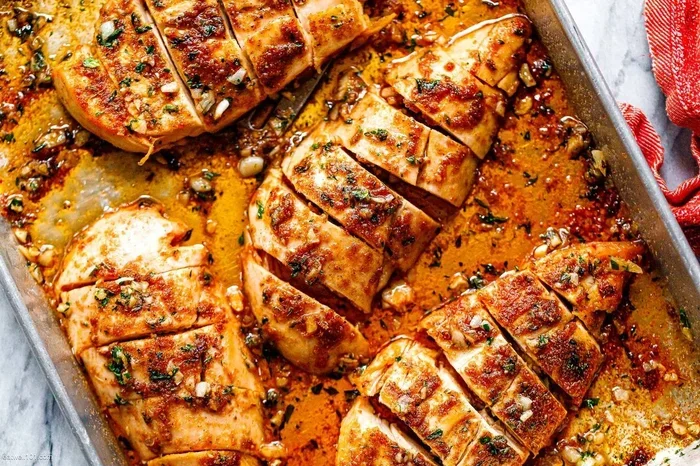
Do You Have To Flip Chicken Breast In The Oven Now
Do you have to flip chicken breast in the oven? The short answer is no, but there are good reasons to consider it. Flipping your chicken breast can help it cook more evenly and develop a better texture on both sides. Whether you choose to flip or not depends on your recipe, oven temperature, and personal preference. This guide covers everything you need to know about baking chicken breast the right way.
This is a comprehensive guide about Do You Have To Flip Chicken Breast In The Oven.
Key Takeaways
- No, you do not have to flip chicken breast in the oven: Most recipes work perfectly fine without flipping.
- Flipping can improve even cooking: It helps the thicker parts of the breast cook at the same rate as the thinner parts.
- Oven temperature matters a lot: Higher temps may benefit from a flip, while lower temps cook more evenly on their own.
- Bone-in chicken rarely needs flipping: The bone acts as a heat buffer and promotes even cooking.
- Using a meat thermometer is essential: Internal temperature of 165°F is the only true indicator of doneness.
- Brining or marinating helps moisture retention: This reduces the need for flipping since the chicken stays juicy throughout.
- Resting your chicken after baking is critical: Let it sit for 5-10 minutes to lock in juices.
[FEATURED_IMAGE_PLACEHOLDER]
There is something deeply satisfying about pulling a tray of oven baked chicken out of the oven. The kitchen smells amazing, the chicken looks golden, and you know you are about to enjoy a delicious meal. But here is the question that sparks debate among home cooks and food bloggers alike: do you have to flip chicken breast in the oven?
If you have ever stood over your oven wondering whether to reach in and turn that chicken over, you are not alone. This is one of those cooking questions that seems simple on the surface but has layers of nuance underneath. Some people swear by flipping. Others say it is completely unnecessary. And the truth is, both camps are right depending on what you are cooking and how you are cooking it.
In this article, we are going to explore everything you need to know about flipping chicken breast in the oven. We will look at the science behind it, the reasons you might want to flip, and the times when leaving it alone is the better choice. By the end, you will have a clear answer and the confidence to bake perfect chicken breast every single time.
Whether you are a beginner in the kitchen or a seasoned home cook looking to refine your technique, this guide has practical advice you can use right away. Let us dive in.
Why Flipping Chicken Breast Matters
Before we answer the big question, let us talk about why flipping even matters in the first place. When you place a chicken breast in the oven, the heat hits the top surface first. The bottom surface stays close to the baking dish or tray, which can create a difference in how each side cooks.
Flipping the chicken halfway through helps balance this out. It gives the top side a chance to brown and crisp while the bottom side gets direct heat from the pan. This can lead to a more evenly cooked chicken breast with better texture all around.
The Role of Heat Distribution
Ovens work by circulating hot air around your food. But hot air rises, which means the top of your oven is usually hotter than the bottom. When you place a chicken breast on a tray, the top side gets more direct heat while the bottom side is somewhat insulated by the tray.
Flipping the chicken helps both sides get equal exposure to the heat source. This is especially important if you like a crispy skin or a nicely browned exterior on all sides. Without flipping, you might end up with one side that is darker and crisper than the other.
Does Flipping Make Chicken Juicier?
This is a common question, and the answer is a bit complicated. Flipping itself does not magically make chicken juicier. What it does is promote more even cooking, which can prevent the thinner parts of the breast from drying out before the thicker parts are done.
When chicken cooks unevenly, you often end up with an overcooked thin section and an undercooked thick section. By flipping, you give both sections a better chance to reach the right internal temperature at the same time. The result is chicken that is more consistently moist and tender.
The Science Behind Cooking Chicken Breast In The Oven
Understanding a little bit of the science can help you make better decisions in the kitchen. When heat meets chicken, several things happen at the same time. The proteins in the meat begin to denature, the moisture starts to evaporate, and the Maillard reaction creates those beautiful golden-brown flavors and aromas.
How Chicken Breast Cooks Differently Than Other Cuts
Chicken breast is a lean cut of meat. It has very little fat compared to thighs or drumsticks. This means it is more prone to drying out during cooking. The lack of fat also means there is less insulation, so the chicken can cook unevenly if you are not careful.
This is where the flip debate really comes into play. Because chicken breast has less built-in protection against drying out, even cooking is critical. Some people believe flipping helps achieve this even cooking. Others argue that a slow, steady oven temperature does the job just fine without any intervention.
What Happens When You Do Not Flip
If you choose not to flip your chicken breast, the top side will generally be more exposed to direct heat. This means it will brown faster and may cook slightly more quickly. The bottom side, resting against the tray, will cook more slowly and may not brown as much.
For many people, this is perfectly fine. If you do not care about a deeply browned bottom, or if you plan to serve the chicken with a sauce, the uneven browning may not matter at all. The chicken will still cook through and taste great.
What Happens When You Do Flip
When you flip the chicken, you give the bottom side a chance to brown and crisp up. The top side, which was previously exposed to direct heat, now gets a brief rest away from the heating element. This can create a more balanced result in terms of both color and texture.
Flipping also redistributes any juices that have pooled on one side. When you turn the chicken, those juices spread across the meat and can help keep it moist. It is a small thing, but it can make a noticeable difference in the final product.
How To Bake Chicken Breast Without Flipping
Not everyone wants to flip their chicken, and that is perfectly okay. There are several techniques you can use to bake chicken breast in the oven without ever touching it. These methods focus on setting up the right conditions so the chicken cooks evenly on its own.
Using A Meat Thermometer
The single best tool for baking chicken breast without flipping is a meat thermometer. This removes all the guesswork from the equation. You simply insert the thermometer into the thickest part of the breast and wait until it reads 165 degrees Fahrenheit.
Without a thermometer, you might be tempted to flip the chicken just to check if it is done. With a thermometer, you can leave the chicken alone entirely and still know exactly when it is ready. This is the most hands-off approach to baking chicken breast in the oven.
Butterflying The Chicken Breast
One clever trick for even cooking without flipping is to butterfly the chicken breast. This means slicing through the thickest part of the breast so it opens up like a book. The result is a thinner, more uniform piece of meat that cooks at the same rate throughout.
Butterflying takes a little extra prep time, but it pays off. You get a more even shape, which means less need to flip and a better chance of perfectly cooked chicken from edge to edge. It is especially useful for thicker chicken breasts that tend to cook unevenly.
Pounding The Chicken To Even Thickness
Similar to butterflying, pounding the chicken breast to an even thickness is a great way to promote uniform cooking. You place the breast between two sheets of plastic wrap and gently pound it with a mallet or the bottom of a heavy pan.
When the chicken is the same thickness all the way through, it cooks more evenly in the oven. This means the top and bottom will reach the right temperature at roughly the same time, reducing the need to flip. This is a favorite technique among chefs who want consistent results every time.
Using A Wire Rack On A Baking Sheet
Placing your chicken on a wire rack set over a baking sheet is another excellent method. The rack allows hot air to circulate around the entire piece of chicken, including the bottom side. This is similar to what flipping achieves, but it happens automatically without you lifting a finger.
The wire rack method promotes even browning on all sides and prevents the bottom from becoming soggy. It is a simple setup that can dramatically improve your oven roasted chicken results. Many home cooks find this method so effective that they never go back to placing chicken directly on a tray.
When You Should Flip Chicken Breast In The Oven
While flipping is not always necessary, there are definitely situations where it makes a real difference. Knowing when to flip and when to skip it is part of what separates a good cook from a great one.
High-Temperature Roasting
If you are roasting your chicken at a high temperature, say 425 degrees Fahrenheit or above, flipping becomes more important. High heat can cause the top to brown and dry out quickly while the bottom lags behind. A flip midway through helps balance this out.
At high temperatures, the Maillard reaction happens faster, which means more browning on the exposed side. Flipping ensures both sides get that beautiful golden color and slightly crispy texture. Without flipping, you might end up with a darker top and a paler, softer bottom.
When Using A Deep Baking Dish Or Skillet
If your chicken breast is sitting in a deep baking dish or skillet with liquid or sauce, flipping can help the top layer absorb some of those flavors too. The bottom side soaks up the liquid while cooking, and flipping gives the top side a chance to do the same.
This is especially true for recipes like chicken parmesan or any dish where the chicken is partially submerged in sauce or cheese. Flipping ensures every layer gets the right amount of flavor and texture.
When You Want Maximum Browning
Sometimes you just want that perfect golden-brown color on every side of your chicken. If presentation matters to you, flipping is the way to go. A single flip halfway through the cooking time gives you that even, beautiful browning that makes your dish look restaurant-quality.
This is particularly important if you are serving the chicken as a standalone dish without a heavy sauce or garnish. The color and texture of the chicken itself need to look appealing, and flipping helps you achieve that.
For Larger Thicker Breasts
Thick chicken breasts are the hardest to cook evenly. The center can take a long time to reach the right temperature while the outer edges may already be done. Flipping a thick breast halfway through helps redistribute the heat exposure and gives the center a better chance to cook through without overcooking the edges.
If you are working with particularly large or uneven breasts, consider flipping them once. This simple step can be the difference between a perfectly cooked breast and one that is dry on one side and undercooked on the other.
Common Mistakes People Make With Chicken Breast In The Oven
Even experienced cooks make mistakes when baking chicken breast. Learning what not to do is just as important as learning what to do. Here are some of the most common errors people make when cooking chicken breast in the oven.
Overcooking The Chicken
Overcooking is the number one enemy of chicken breast. Because it is so lean, it goes from perfectly juicy to dry and tough in a matter of minutes. The most common cause of overcooking is leaving the chicken in the oven too long or at too high a temperature.
Using a meat thermometer is the best way to avoid this mistake. Pull the chicken out as soon as it hits 165 degrees Fahrenheit in the thickest part. Remember that the temperature will continue to rise slightly as the chicken rests, so you can pull it out at 160 degrees and let it coast to 165 while resting.
Skipping The Resting Period
Many people take their chicken straight from the oven to the cutting board and start slicing. This is a big mistake. Resting allows the juices to redistribute throughout the meat. If you cut too soon, those juices run out onto the board instead of staying in the chicken.
Let your chicken rest for at least 5 to 10 minutes after pulling it from the oven. Tent it loosely with aluminum foil to keep it warm while it rests. This small step makes a huge difference in the final result.
Not Brining Or Marinating First
Skipping the brine or marinade is another common mistake. A simple brine of salt and water can work wonders for chicken breast. It helps the meat retain moisture during cooking, which means juicier results even if you accidentally cook it a little longer than planned.
A marinade adds flavor and can also help protect the surface of the chicken from drying out. Even a quick 30-minute marinade can make a noticeable difference. If you have the time, overnight brining or marinating is even better.
Opening The Oven Door Too Often
Every time you open the oven door, you let out a significant amount of heat. This can cause temperature fluctuations that affect how your chicken cooks. Frequent opening can lead to uneven cooking and longer overall bake times.
Resist the urge to check on your chicken too often. Use the oven light to peek inside, and only open the door when you are ready to flip or check the temperature. Your chicken will thank you for the consistent heat.
Using The Wrong Pan Or Tray
The pan you use matters more than you might think. Dark pans absorb more heat and can cause the bottom of the chicken to overcook or burn. Light-colored or aluminum pans reflect heat more evenly and are generally better for baking chicken breast.
If you are serious about getting great results, consider investing in a good quality baking sheet or a cast iron skillet. These pans distribute heat more evenly and can help you achieve better browning without the need to flip.
Expert Tips For Perfect Oven Chicken Breast
Now that we have covered the flip debate and common mistakes, let us look at some expert tips that will elevate your oven baked chicken breast to the next level. These are practical, actionable tips you can start using today.
Start With Room Temperature Chicken
Take your chicken breast out of the refrigerator about 20 to 30 minutes before cooking. This allows it to come closer to room temperature, which means it will cook more evenly throughout. Putting cold chicken straight into a hot oven creates a temperature gradient that can lead to uneven cooking.
Season Generously
Do not be shy with your seasoning. Salt, pepper, garlic powder, paprika, and dried herbs all work beautifully on chicken breast. Seasoning the chicken generously before baking adds flavor to every bite and creates a tasty crust on the outside.
For extra flavor, rub the chicken with a thin layer of olive oil or melted butter before seasoning. This helps the spices adhere to the surface and promotes better browning in the oven.
Let The Chicken Rest After Cooking
We touched on this earlier, but it is worth repeating. Resting is not just about keeping the chicken warm. It is about allowing the muscle fibers to relax and reabsorb their juices. This is what makes the difference between chicken that is moist and tender versus chicken that is dry and bland.
Experiment With Different Oven Temperatures
Not all chicken breast recipes call for the same temperature. Some work best at 375 degrees Fahrenheit, while others shine at 425 or even 450 degrees. Experiment with different temperatures to find what works best for your oven and your preferences.
Lower temperatures cook the chicken more gently and evenly, which can reduce the need to flip. Higher temperatures create more browning and crispiness, which may benefit from a flip for even results.
Add Liquid To The Pan For Moisture
If you are worried about your chicken drying out, try adding a small amount of liquid to the bottom of the pan. Chicken broth, white wine, or even water can create steam that keeps the chicken moist during cooking. This is especially helpful for longer cooking times or higher oven temperatures.
Final Thoughts On Flipping Chicken Breast In The Oven
So, do you have to flip chicken breast in the oven? The answer is a clear and simple no. You do not have to flip it. Plenty of delicious, juicy chicken comes out of the oven without ever being turned over. But flipping is a useful technique that can improve even cooking, promote better browning, and help you achieve more consistent results.
The best approach is to understand why you might want to flip and when it makes sense. For thin, even chicken breasts baked at moderate temperatures, skipping the flip is perfectly fine. For thick breasts, high-heat roasting, or when you want maximum browning, a single flip halfway through can make a real difference.
At the end of the day, cooking chicken breast in the oven is about finding the method that works best for you. Use a meat thermometer, let your chicken rest, season it well, and do not be afraid to experiment. With the tips and techniques in this guide, you are well on your way to baking perfect chicken breast every time. Enjoy the process, trust your instincts, and most importantly, enjoy the delicious results.
Frequently Asked Questions
Can I flip chicken breast multiple times in the oven?
You can flip chicken breast multiple times, but it is usually not necessary. One flip halfway through the cooking time is generally enough to promote even cooking. Flipping too often can disrupt the browning process and let heat escape from the oven, which may increase cooking time.
Does flipping chicken breast affect the cooking time?
Flipping does not significantly change the total cooking time. However, it can affect how evenly the chicken cooks, which means you may be able to pull it out slightly earlier because both sides are progressing at the same rate. The difference is usually just a few minutes at most.
Is it better to flip chicken breast at the beginning or halfway through cooking?
Flipping halfway through cooking is the standard recommendation. This gives both sides roughly equal time exposed to direct heat. Flipping at the beginning would just reverse the order, and the bottom side would still be the last to brown. The midpoint flip is the most effective approach for even results.
What is the best oven temperature for baking chicken breast?
The best oven temperature for baking chicken breast is between 375 and 425 degrees Fahrenheit. Lower temperatures cook the chicken more gently and evenly, while higher temperatures create a nicer brown crust. Choose based on how much time you have and how crispy you want the exterior to be.
How do I know if chicken breast is done without cutting it open?
The most reliable way to check if chicken breast is done is by using a meat thermometer. Insert it into the thickest part of the breast, and when it reads 165 degrees Fahrenheit, the chicken is safe to eat. You can also check for clear juices when you pierce the thickest part with a knife.
Should I cover chicken breast with foil while baking?
Covering chicken breast with foil can help trap moisture and prevent the top from drying out, especially at higher temperatures. However, it also prevents browning. If you want a crispy exterior, bake the chicken uncovered. If you are more concerned about moisture, cover it loosely with foil for the first half of cooking and remove it for the second half.
Frequently Asked Questions
What is Do You Have To Flip Chicken Breast In The Oven?
Do You Have To Flip Chicken Breast In The Oven is an important topic with many practical applications.