Here Is What Temperature To Slow Cook Steak In Oven
Slow cooking steak in the oven is one of the easiest ways to get a perfectly tender, juicy steak at home. The ideal temperature to slow cook steak in oven ranges from 200°F to 300°F, depending on your cut and desired doneness. This guide covers everything you need to know about slow cook steak in oven techniques, times, and temperatures for mouthwatering results.
Key Takeaways
- Best Temperature: The sweet spot for slow cook steak in oven is between 200°F and 300°F for low and slow cooking.
- Time Matters: Slow roasting steak takes 1.5 to 4 hours depending on thickness and cut.
- Internal Temp Is Key: Use a meat thermometer to check steak doneness temperatures for perfect results.
- Rest Your Steak: Always let the steak rest for 5 to 10 minutes after cooking for juicy meat.
- Reverse Sear Method: Slow cooking in the oven followed by a quick sear creates a restaurant-quality crust.
- Choose the Right Cut: Thick cuts like ribeye, NY strip, and filet mignon work best for oven slow cooking.
- Pat Dry Before Cooking: Drying the steak surface helps achieve a better sear and better flavor.
📑 Table of Contents
- Here Is What Temperature To Slow Cook Steak In Oven
- Why Slow Cooking Steak in the Oven Works So Well
- Best Temperature to Slow Cook Steak in Oven
- Which Cuts of Steak Work Best for Oven Slow Cooking
- How to Slow Cook Steak in the Oven: Step by Step
- Common Mistakes to Avoid When Slow Cooking Steak in the Oven
- Oven Temperature and Time Chart for Slow Cooked Steak
- Flavor Variations and Toppings for Slow Cooked Steak
- Frequently Asked Questions
- Conclusion
Here Is What Temperature To Slow Cook Steak In Oven
Cooking steak in the oven might sound simple, but getting it right takes a little know-how. Many people wonder about the temperature to slow cook steak in oven and how long to leave it in there. The good news is that once you understand the basics, you can cook a stunning steak without any stress.
Slow cooking steak in the oven means using low heat over a longer period. This method breaks down the tough fibers in the meat and turns a regular cut into something truly special. Whether you prefer a rare center or a perfect medium-rare, the oven gives you consistent, hands-off cooking that delivers amazing results every time.
In this guide, we will walk you through everything you need to know. From the best oven temperature for steak to timing, resting, and finishing techniques, you will have all the tools to cook like a pro. Let us dive in and explore the world of slow cooked steak in oven together.
Why Slow Cooking Steak in the Oven Works So Well
Slow cooking steak in the oven is a game changer for home cooks. Unlike grilling or pan-searing, oven cooking gives you even heat on all sides. This means no hot spots and no guesswork. The low, steady heat gently cooks the meat from edge to edge.
One of the biggest advantages of oven-braised steak is tenderness. The long cooking time allows collagen in the meat to break down slowly. This creates a melt-in-your-mouth texture that is hard to achieve with fast cooking methods. You also get more control over the final doneness of your steak.
Another great benefit is convenience. Once your steak is in the oven, you can prepare sides, set the table, or relax. There is no need to stand over a hot grill or flip a steak every few minutes. Low and slow steak cooking frees up your time while still delivering restaurant-quality results.
The Science Behind Low and Slow Cooking
When you cook steak at a low temperature, the proteins in the meat denature gently. This means the muscle fibers relax slowly instead of seizing up. The result is a juicier, more tender piece of meat. Collagen, which is the tough connective tissue in beef, converts into gelatin during slow cooking. This gelatin gives the steak a rich, silky mouthfeel.
Fat also plays an important role in slow roasted steak. At low temperatures, the fat has time to render slowly. This basts the meat from within and adds incredible flavor. A well-rendered fat cap on a ribeye or strip steak creates a buttery texture that is simply irresistible.
Best Temperature to Slow Cook Steak in Oven
The temperature to slow cook steak in oven depends on what you are aiming for. Most experts agree that a range between 200°F and 300°F works best for slow cooking steak. Lower temperatures take longer but offer more control. Higher temperatures speed things up but require closer attention.
For a truly hands-off experience, set your oven to 225°F. This is the classic low and slow steak temperature. It gives you a gentle, even cook that brings the steak up to temperature without overcooking the edges. At this temperature, a 1.5-inch thick steak will take about 1.5 to 2 hours to reach medium-rare.
If you are short on time, you can raise the oven temperature to 300°F. This cuts the cooking time in half but still delivers excellent results. The key is to use a meat thermometer and check the internal temperature regularly. Steak internal temperature is the most reliable way to know when your steak is done.
Temperature Guide by Steak Doneness
Knowing your target steak doneness temperature is essential for perfect results. Here is a simple guide to help you pull your steak at the right time:
- Rare: 120°F to 125°F internal temperature
- Medium Rare: 130°F to 135°F internal temperature
- Medium: 140°F to 145°F internal temperature
- Medium Well: 150°F to 155°F internal temperature
- Well Done: 160°F and above internal temperature
Remember that the steak temperature will rise 5 to 10 degrees after you take it out of the oven. This is called carryover cooking. So if you want a medium-rare steak, pull it out at 125°F to 130°F. This is one of the most important tips for slow cooking beef in the oven.
Which Cuts of Steak Work Best for Oven Slow Cooking
Not all steaks are created equal when it comes to oven cooking. Some cuts respond beautifully to low and slow heat, while others are better suited for quick, high-heat methods. Choosing the right cut makes a huge difference in your final result.
Thick-cut steaks work best for oven-baked steak. Look for cuts that are at least 1.5 inches thick. Thinner steaks can dry out during the longer cooking time. Here are some of the best cuts to use:
- Ribeye: Rich in marbling and flavor. Renders beautifully in the oven.
- New York Strip: A great balance of tenderness and beefy flavor.
- Filet Mignon: The most tender cut. Cooks evenly and stays juicy.
- Bone-In Ribeye: The bone adds extra flavor and keeps the meat moist.
- Porterhouse: A thick, impressive cut perfect for slow oven cooking.
Why Thickness Matters for Slow Cooked Steak in Oven
Thickness affects everything when you are slow cooking steak in oven. A thin steak will overcook before it has time to develop flavor. A thick steak gives you a wider window of perfect doneness. When the steak is thick, the edges stay pink and juicy while the center reaches your desired temperature.
If you only have thinner steaks, you can still use the oven method. Just reduce the cooking time and keep a close eye on the internal temperature. A 1-inch steak might only need 45 minutes to an hour at 225°F. Always use a meat thermometer for steak to avoid overcooking.
How to Slow Cook Steak in the Oven: Step by Step
Now that you know the temperature to slow cook steak in oven, let us walk through the process step by step. This method is simple and foolproof, even for beginners.
Step 1: Prep the Steak
Start by taking the steak out of the fridge about 30 minutes before cooking. Letting it come to room temperature helps it cook more evenly. Pat the steak dry with paper towels. This is a crucial step for getting a great sear later.
Season the steak generously with salt and pepper. You can also add garlic powder, smoked paprika, or your favorite steak seasoning. The salt helps draw out moisture, which then gets reabsorbed into the meat. This creates a deeper, more flavorful steak.
Step 2: Preheat the Oven
Preheat your oven to 225°F for low and slow cooking. If you are in a hurry, you can go up to 300°F. Place a wire rack on top of a baking sheet. The wire rack allows air to circulate around the steak, which helps it cook evenly on all sides.
Do not skip the wire rack. Placing the steak directly on a baking sheet traps moisture underneath and creates steam. This can lead to a soggy exterior instead of a nice crust. The rack keeps the steak elevated and promotes even oven roasting steak results.
Step 3: Cook Low and Slow
Place the seasoned steak on the wire rack and put it in the oven. Cook until the internal temperature is about 10 to 15 degrees below your target doneness. For example, pull a ribeye at 115°F for a final medium-rare of 130°F after resting.
Use a digital instant-read meat thermometer to check the temperature. Insert it into the thickest part of the steak, away from the bone if there is one. Avoid touching the rack or the pan with the thermometer, as this can give a false reading.
Step 4: Sear for a Perfect Crust
Once the steak reaches the right temperature, it is time for the sear. Heat a cast iron skillet over high heat until it is smoking hot. Add a high smoke point oil like avocado oil or grapeseed oil. Place the steak in the pan and sear for 1 to 2 minutes on each side.
This reverse sear steak method creates a stunning crust while keeping the inside perfectly pink. The oven does the slow work, and the pan adds the finishing touch. You can also add butter, garlic, and fresh thyme to the pan during the sear for extra flavor.
Step 5: Rest the Steak
After searing, transfer the steak to a cutting board and let it rest for 5 to 10 minutes. This is one of the most overlooked steps in cooking steak. Resting allows the juices to redistribute throughout the meat. If you cut into it right away, the juices will run out and the steak will be dry.
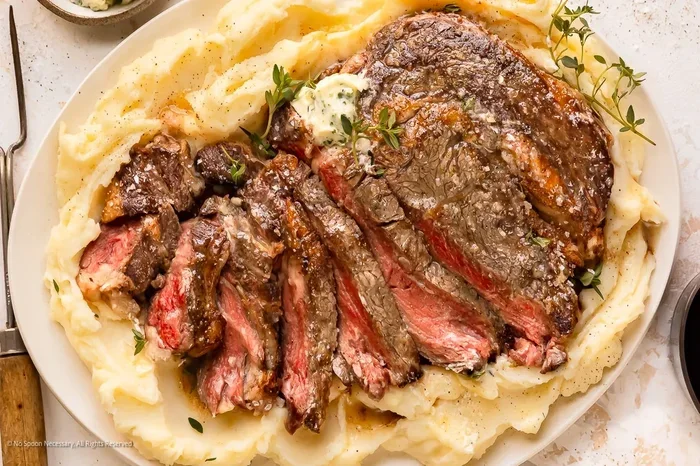
Tent the steak loosely with aluminum foil during resting. This keeps it warm without trapping too much steam. After resting, slice against the grain and serve immediately. A properly rested slow roasted steak will be juicy, tender, and full of flavor.
Common Mistakes to Avoid When Slow Cooking Steak in the Oven
Even experienced cooks can make mistakes when slow cook steak in oven. Being aware of these pitfalls helps you avoid them and get better results every time.
- Skipping the pat dry: Moisture on the surface prevents a good sear and leads to gray, steamed meat instead of a caramelized crust.
- Not using a thermometer: Guessing the doneness almost always leads to overcooked or undercooked steak. A thermometer removes all guesswork.
- Cooking too fast: Cranking up the heat to save time dries out the steak. Patience is key for low and slow steak success.
- Skipping the rest: Cutting into the steak immediately releases all the juices. Give it time to rest for the best texture.
- Using the wrong cut: Thin or lean cuts are not ideal for slow oven cooking. Choose well-marbled, thick cuts for the best results.
- Forgetting to season early: Salting the steak ahead of time (even 40 minutes before) improves flavor and texture significantly.
Quick Tips for Perfect Oven Steak Every Time
- Always use a wire rack for even airflow around the steak.
- Let the steak rest at room temperature for 30 minutes before cooking.
- Preheat the oven fully before placing the steak inside.
- Invest in a good instant-read thermometer for accurate readings.
- Experiment with different seasoning blends to find your favorite flavor profile.
- Add a splash of beef broth to the baking sheet for extra moisture and aroma.
- Use cast iron for the sear — it holds heat better than any other pan.
Oven Temperature and Time Chart for Slow Cooked Steak
Having a quick reference chart makes it easy to plan your slow cook steak in oven session. Here is a handy guide based on steak thickness and oven temperature:
- 1.5-inch steak at 225°F: 1.5 to 2 hours for medium-rare
- 2-inch steak at 225°F: 2 to 2.5 hours for medium-rare
- 1.5-inch steak at 300°F: 45 minutes to 1 hour for medium-rare
- 2-inch steak at 300°F: 1 to 1.5 hours for medium-rare
- 1-inch steak at 250°F: 45 minutes to 1 hour for medium-rare
These times are approximate and can vary based on your oven accuracy, the starting temperature of the steak, and your target doneness. Always rely on the internal temperature rather than the clock. A meat thermometer for steak is the single most important tool for perfect oven steak.
How to Adjust for Different Oven Types
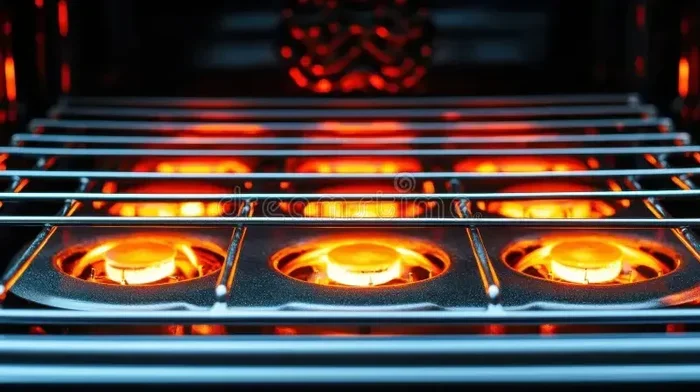
Not all ovens heat the same way. Conventional ovens use heating elements at the top and bottom. Convection ovens have a fan that circulates hot air, which cooks faster and more evenly. If you have a convection oven, reduce the temperature by 25°F and check the steak about 15 minutes earlier than the chart suggests.
Gas ovens tend to have more moisture in the environment, which can affect the crust. If you notice the steak is not searing well after the oven, make sure your pan is screaming hot before adding the steak for the final sear. Electric ovens are generally very consistent and work great for oven braised steak methods.
Flavor Variations and Toppings for Slow Cooked Steak
Once you master the basic slow cooking steak in oven method, you can get creative with flavors. The low and slow approach is a perfect canvas for bold seasonings and finishing touches.
Dry Rub Ideas
- Classic Steak Seasoning: Salt, pepper, garlic powder, onion powder, and smoked paprika.
- Southwest Style: Cumin, chili powder, cayenne, and lime zest.
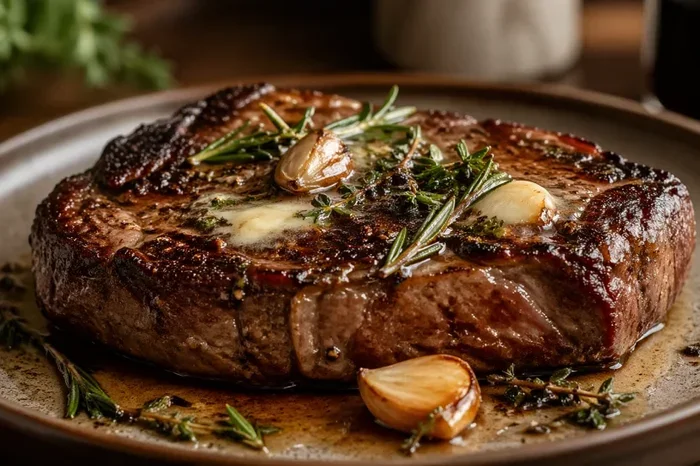
- Herb Butter Finish: Compound butter with rosemary, thyme, and garlic melted on top after cooking.
- Coffee Rub: Ground coffee, brown sugar, salt, and espresso powder for a deep, rich crust.
Finishing Touches
After resting your steak, consider adding a finishing touch to elevate the dish. A dollop of herb butter melting on top adds richness and aroma. A sprinkle of flaky sea salt on the crust creates a beautiful texture contrast. A drizzle of balsamic reduction adds a touch of sweetness and acidity that pairs wonderfully with beef.
For a more indulgent approach, try making a quick pan sauce after the sear. Deglaze the cast iron skillet with a splash of red wine or beef broth, scrape up the browned bits, and swirl in a knob of butter. Pour this over the sliced steak for a restaurant-quality presentation at home.
Frequently Asked Questions
Can you slow cook a steak in the oven?
Absolutely. Slow cooking steak in the oven is one of the best methods for achieving tender, juicy results. By using low temperatures between 200°F and 300°F, you gently cook the steak over time, breaking down tough fibers and creating a melt-in-your-mouth texture. This method works especially well with thick cuts like ribeye, strip, and filet mignon.
What is the best temperature to slow cook steak in the oven?
The best temperature to slow cook steak in oven is 225°F for a classic low and slow approach. This temperature cooks the steak evenly and allows the fat to render slowly. If you are short on time, 300°F also works well and reduces cooking time significantly. Always use a meat thermometer to track internal temperature for perfect results.
How long does it take to slow cook a steak in the oven?
Cooking time depends on the thickness of the steak and the oven temperature. A 1.5-inch steak at 225°F takes about 1.5 to 2 hours. A 2-inch steak may need 2.5 to 3 hours. Thinner steaks cook faster, usually around 45 minutes to an hour at 250°F. The best guide is always the internal temperature, not the clock.
Do you need to sear steak after slow cooking it in the oven?
Yes, searing after slow cooking is highly recommended. The oven method gently cooks the inside, but it does not create a crust. A quick sear in a hot cast iron pan for 1 to 2 minutes per side adds a beautiful, flavorful exterior. This reverse sear technique gives you the best of both worlds — tender inside and a crispy, caramelized outside.
What is the reverse sear method for steak in the oven?
The reverse sear method involves slowly cooking the steak in the oven at a low temperature until it reaches about 10 degrees below your target doneness. You then finish it with a quick, high-heat sear in a cast iron skillet. This method ensures even doneness from edge to edge and creates a stunning crust. It is the go-to technique for perfect slow cooked steak in oven every single time.
Can you use a thin steak for slow cooking in the oven?
Thin steaks under 1 inch are not ideal for slow cooking in the oven. They can dry out before the collagen has time to break down. If you only have thin steaks, reduce the oven temperature to 200°F and keep a close eye on the internal temperature. A thin steak might only need 30 to 45 minutes at this temperature. For the best results, choose steaks that are at least 1.5 inches thick for slow oven cooking.
Conclusion
Mastering the temperature to slow cook steak in oven is one of the simplest ways to elevate your home cooking. With the right temperature, timing, and a little patience, you can cook a steak that rivals any steakhouse. The low and slow method transforms even budget-friendly cuts into tender, juicy, and incredibly flavorful meals.
Remember to always use a meat thermometer, let your steak rest properly, and finish with a hot sear for the best results. Choose well-marbled, thick cuts for the most success, and do not be afraid to experiment with different seasonings and finishing touches. Once you try this method, you will never go back to guessing when cooking steak.
The beauty of slow cook steak in oven is that it is forgiving, hands-off, and consistently delicious. Whether you are cooking for a family dinner or impressing guests, this method delivers every time. So preheat your oven, grab your favorite cut, and enjoy the process of creating a perfect steak in your own kitchen.