Can Casserole Dishes Go In The Oven Without Breaking
Can casserole dishes go in the oven? Yes, most casserole dishes are designed to handle oven heat, but the answer depends on the material, temperature limits, and how you handle the dish. Understanding what makes a dish oven safe can save you from costly breaks and kitchen accidents. This guide covers every material, every temperature tip, and every mistake to avoid.
You just pulled out your favorite casserole dish from the cabinet. The recipe looks amazing. The kitchen smells incredible. But then a thought hits you: can casserole dishes go in the oven? It is a simple question, but the answer is not always obvious. Different materials behave differently under heat. Some dishes handle high temperatures like champions. Others crack at the first sign of warmth.
Whether you are a weekend cook or a seasoned home chef, knowing your bakeware limits keeps your kitchen safe and your meals perfect. Can casserole dishes go in the oven without breaking? Absolutely, but only if you follow a few key rules. This guide walks you through everything you need to know about casserole dishes oven safe use, from material types to temperature limits and common mistakes that cause breakage.
The good news is that most modern casserole dishes are built to handle oven heat. The bad news? Not all of them are created equal. A dish that works beautifully at 350 degrees Fahrenheit might shatter at 450 degrees. A beautiful ceramic piece from a flea market might not be oven safe at all. Understanding these differences is the first step toward stress-free baking.
Key Takeaways
- Not all casserole dishes are oven safe: Always check the manufacturer label before placing any dish in a hot oven.
- Material matters most: Ceramic, glass, stoneware, and enameled cast iron each have different heat limits and behaviors.
- Thermal shock is the #1 enemy: Sudden temperature changes cause cracks and breaks in almost every type of dishware.
- Follow temperature guidelines: Every material has a maximum heat threshold you should never exceed.
- Prep your dish properly: Room temperature dishes handle oven heat far better than cold ones straight from the cupboard.
- Use the right bakeware: Investing in a quality oven safe baking dish makes a huge difference in cooking results and durability.
- Know when to retire a dish: Chips, cracks, and discoloration are signs your dish may not be safe anymore.
📑 Table of Contents
What Makes a Casserole Dish Oven Safe?
Not every dish that looks like a casserole dish is actually safe for oven use. The term “casserole dish” refers to the shape and style of the vessel, not its material or heat tolerance. A casserole dish could be made from glass, ceramic, metal, or even plastic. Only certain materials can handle the intense, dry heat of an oven.
Understanding Different Materials
The material of your dish determines everything. Let us break down the most common types you will find in kitchens today.
Glass dishes like Pyrex are among the most popular choices for oven use. They distribute heat evenly and allow you to watch your food cook through the transparent walls. Most glass casserole dishes handle temperatures up to 425 or 450 degrees Fahrenheit. However, they can shatter if you expose them to sudden temperature changes.
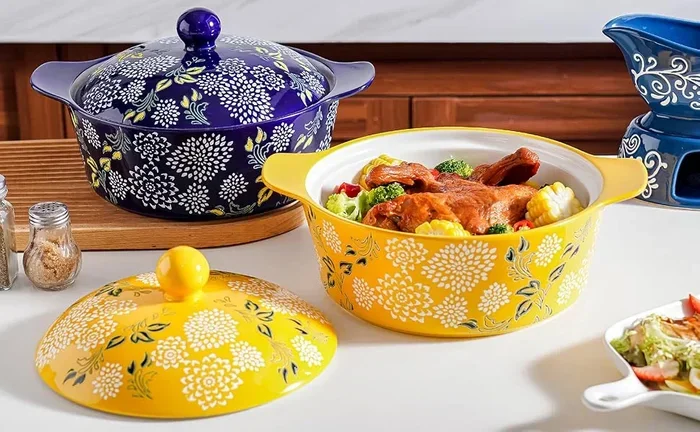
Ceramic dishes offer a beautiful, rustic look. They retain heat wonderfully, which makes them great for dishes that need to stay warm at the table. But not all ceramic is created equal. Some ceramics are glazed and fired at high temperatures, making them excellent for oven use. Others are decorative pieces that cannot handle heat at all.
Stoneware is a dense, heavy material that handles oven heat very well. It heats up slowly but holds that heat for a long time. Quality stoneware casserole dishes can go from refrigerator to oven if you let them adjust to room temperature first.
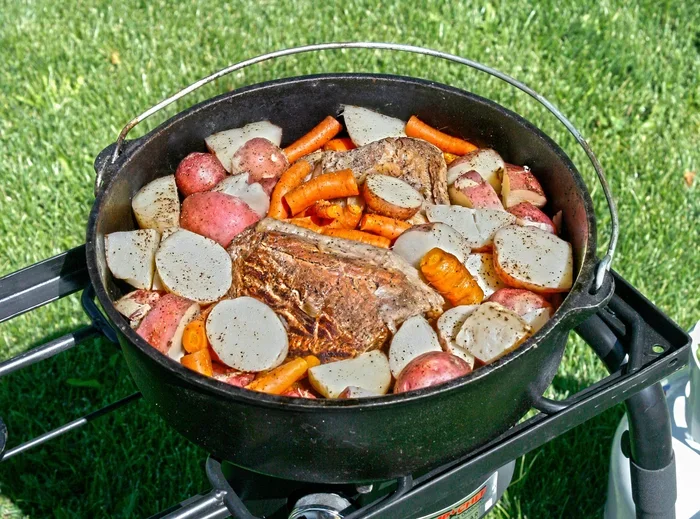
Enameled cast iron is the heavyweight champion of oven-safe bakeware. It can handle extremely high temperatures and distributes heat like nothing else. The only downside is the weight. You need strong arms to move a full enameled cast iron dish from oven to table.
Metal bakeware including aluminum and stainless steel is naturally oven safe. These materials heat up quickly and cool down fast. They are ideal for dishes that need a crispy top or a well-browned bottom.
The Right Temperature for Your Casserole Dish
Temperature is where most people run into trouble with their casserole dishes oven safe use. Every material has a maximum heat limit. Going beyond that limit can cause warping, cracking, or even shattering. Knowing these limits is essential for safe cooking.
Maximum Heat Limits by Material
Here is a general guide to the temperature limits you should follow for different types of casserole dishes.
- Glass (Pyrex and similar): Most glass dishes handle up to 425 to 450 degrees Fahrenheit. Some newer tempered glass can go higher, but always check the manufacturer’s guidelines.
- Ceramic: Most oven-safe ceramic dishes handle temperatures between 350 and 500 degrees Fahrenheit. Hand-painted or decorative ceramics may have much lower limits.
- Stoneware: Quality stoneware can typically handle 450 to 500 degrees Fahrenheit. Cheaper stoneware may not be rated for high heat.
- Enameled cast iron: These dishes can handle up to 500 degrees Fahrenheit or more, making them incredibly versatile.
- Metal (aluminum, stainless steel): Most metal bakeware handles temperatures well above 500 degrees Fahrenheit. They are among the most heat-resistant options.
The key takeaway is that you should never assume a dish can handle any temperature. Always look for the oven-safe symbol or temperature rating on the bottom of the dish. If there is no label, treat it as not oven safe until you can confirm otherwise.
Quick Tips for Temperature Management
- Always preheat your oven before placing the dish inside.
- Never put a cold dish into a hot oven. Let it sit at room temperature for at least 15 minutes first.
- Place dishes on middle oven racks where the heat is most even.
- Use a thermometer to verify your oven temperature if you are unsure.
- Avoid placing hot dishes on cold or wet surfaces after removing them from the oven.
Common Mistakes That Cause Breakage
Even the best oven safe baking dish can break if you make the wrong moves. Most breakage happens because of simple mistakes that are easy to avoid. Understanding these pitfalls saves your dishes and keeps your kitchen safe.
Thermal Shock and Why It Happens
Thermal shock is the number one cause of casserole dish breakage. It happens when one part of the dish expands faster than another part. Picture this: you take a cold dish straight from the refrigerator and put it into a 400-degree oven. The bottom of the dish heats up fast while the sides are still cold. That uneven expansion creates stress. Stress leads to cracks. Cracks lead to a broken dish and ruined food.
The same thing happens in reverse. Taking a piping hot dish and placing it on a cold granite countertop or a wet cloth causes the bottom to cool rapidly while the top stays hot. That sudden contraction can cause cracks you cannot even see at first.
Thermal shock does not only affect glass. Ceramic, stoneware, and even some metals can suffer from it. The solution is simple: let your dish adjust to temperature changes gradually.
Other Common Mistakes to Avoid
- Using a dish with chips or cracks: Even small damage weakens the structure of a dish. A dish that looks fine might break under high heat.
- Overfilling the dish: Liquid expands when heated. Overfilling creates pressure that can cause dishes to crack or food to bubble over.
- Using the wrong lid: Not all lids are oven safe. Plastic lids will melt. Glass lids may not handle high heat. Always use lids specifically rated for oven use.
- Placing dishes too close to heating elements: Direct contact with the top heating element or the bottom burner can cause localized overheating and breakage.
- Ignoring manufacturer warnings: If the box or the bottom of the dish says “not oven safe,” believe it. No recipe is worth a broken dish or a kitchen fire.
Expert Insights on Preventing Breakage
Professional chefs and bakeware manufacturers agree on a few key practices. First, always place your dish on a dry, room-temperature surface before preheating. Second, never place a hot dish on a cold or wet surface. Third, allow dishes to cool gradually after removing them from the oven. Placing a hot dish on a wire rack is the best way to let it cool safely.
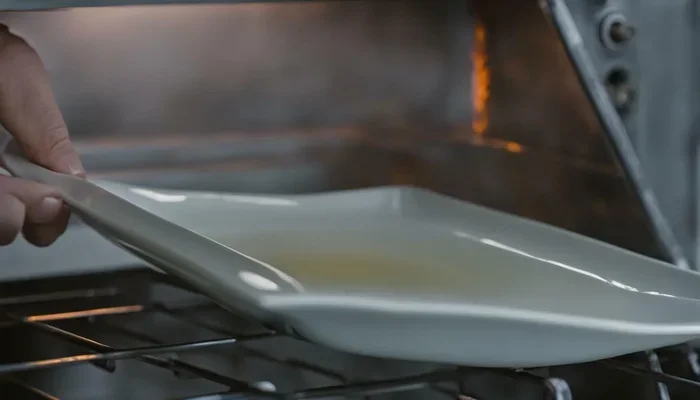
Another expert tip: if you are unsure about a dish, do a low-risk test. Place the empty dish in a cold oven, then set the temperature to 250 degrees Fahrenheit. Let it heat slowly for 20 minutes. If it survives without any issues, it is likely safe for higher temperatures.
Best Casserole Dishes for Oven Use
Not all casserole dishes are created equal. Some are designed specifically for oven use and perform beautifully. Others look great on the table but fall apart in the heat. Here is a closer look at the best options available for casserole dishes oven safe cooking.
Comparison Table: Oven-Safe Casserole Dish Materials
| Material | Max Temperature | Heat Distribution | Durability | Best For |
|---|---|---|---|---|
| Glass (Pyrex) | 425-450°F | Even | Moderate | Baking, serving, reheating |
| Ceramic | 350-500°F | Good | Moderate | Table-to-oven dishes, presentation |
| Stoneware | 450-500°F | Even | High | Heavy-duty baking, slow cooking |
| Enameled Cast Iron | 500°F+ | Excellent | Very High | High-heat baking, braising |
| Metal (Aluminum/Stainless Steel) | 500°F+ | Fast | Very High | Crispy tops, browning, quick baking |
As you can see from the table, each material has its strengths. Glass offers visibility and even heating. Ceramic looks beautiful and retains heat well. Stoneware and enameled cast iron are built to last. Metal heats up the fastest and creates the best browning.
When choosing a casserole dish, think about what you cook most often. If you make lots of baked pasta dishes, a glass or ceramic dish works great. If you love crispy casseroles with golden tops, metal is your best bet. For dishes that need to go from oven to table, ceramic or stoneware is the way to go.
Quick Tips for Choosing the Right Dish
- Always look for the oven-safe symbol on the bottom of the dish.
- Buy dishes that are slightly larger than what you think you need. Overfilling causes problems.
- Choose dishes with handles that stay cool. Hot handles cause burns and dropped dishes.
- Consider getting a dish with a lid for versatile cooking and storage.
- Match the dish size to your oven. A dish that is too large will not fit properly and may block heat circulation.
How to Care for Your Casserole Dish to Last Longer
A good casserole dish is an investment. Proper care keeps it safe for oven use and looking beautiful for years. The way you clean and store your dish matters more than you might think.
Cleaning Do’s and Don’ts
- Do let your dish cool down before washing it. Running cold water over a hot dish causes thermal shock.
- Do use gentle dish soap and a soft sponge for most materials.
- Do soak stubborn stains in warm water with baking soda.
- Don’t use abrasive scrubbers on glass or ceramic surfaces. They create micro-scratches that weaken the structure.
- Don’t put metal dishes in the dishwasher if the manufacturer says hand wash only.
- Don’t stack heavy dishes without protective padding between them.
Storage Best Practices
Store your casserole dishes oven safe pieces carefully. Place a soft cloth or paper towel between stacked dishes to prevent scratches. Keep them in a cool, dry place away from direct sunlight, which can weaken some materials over time. If you have vintage or heirloom dishes, consider wrapping them individually for extra protection.
Can Casserole Dishes Go In The Oven: The Final Verdict
So, can casserole dishes go in the oven without breaking? The answer is a resounding yes, as long as you choose the right material, respect temperature limits, and avoid sudden temperature changes. Casserole dishes oven safe use comes down to three simple principles: check the label, respect the heat limit, and handle with care.
Most modern casserole dishes are designed to handle oven heat. Glass, ceramic, stoneware, enameled cast iron, and metal all make excellent oven-safe options. The key is understanding what your specific dish can handle and treating it with the respect it deserves.
Avoid the common mistakes that cause breakage. Never expose a cold dish to high heat directly. Never place a hot dish on a cold surface. Never ignore chips or cracks. Follow these simple rules and your casserole dishes will serve you well for years of delicious cooking.
Now that you know the answer to “can casserole dishes go in the oven,” you can cook with confidence. Preheat that oven, grab your favorite dish, and get ready to make something amazing. Your kitchen is ready, and so are you.
Frequently Asked Questions
Can any casserole dish go in the oven?
No, not all casserole dishes are oven safe. The material and construction determine whether a dish can handle oven heat. Always check for the oven-safe symbol or label before placing any dish in the oven. If there is no label, it is best to avoid using it in the oven.
What temperature can casserole dishes handle?
Temperature limits vary by material. Glass dishes typically handle up to 425-450 degrees Fahrenheit. Ceramic dishes range from 350 to 500 degrees. Stoneware can handle 450 to 500 degrees. Enameled cast iron and metal dishes can go above 500 degrees. Always check the manufacturer’s guidelines for your specific dish.
Can I put a cold casserole dish in a hot oven?
You should not put a cold dish directly into a hot oven. This causes thermal shock, which can lead to cracking or shattering. Let your dish come to room temperature first, or place it in a cold oven and let both heat up together gradually.
Are vintage casserole dishes safe for oven use?
Vintage dishes can be tricky. Some older ceramics and glass were not made to modern oven-safe standards. Look for any markings or labels that indicate oven safety. If you cannot find any information, it is best to use vintage dishes as serving pieces only, not for cooking.
Can a casserole dish with a small crack still go in the oven?
It is not recommended. Even a small crack weakens the structure of the dish and can spread under heat. The dish may break completely while cooking, which can ruin your food and create a safety hazard. Replace damaged dishes to stay safe.
How do I know if my casserole dish is oven safe?
Look for the oven-safe symbol on the bottom of the dish. This usually looks like a picture of an oven or includes a temperature number. You can also check the manufacturer’s website or packaging for specific heat ratings. When in doubt, contact the manufacturer directly.
=== CONCLUSION ===
The question “can casserole dishes go in the oven” has a clear answer: yes, but with conditions. Understanding your dish’s material, respecting temperature limits, and avoiding thermal shock are the three pillars of safe oven use. Casserole dishes oven safe cooking is simple once you know the rules. Choose the right material for your recipes, follow the temperature guidelines, and care for your dishes properly. Your casserole dishes will reward you with years of reliable, delicious cooking. Start applying these tips today, and every meal you make will be better for it.