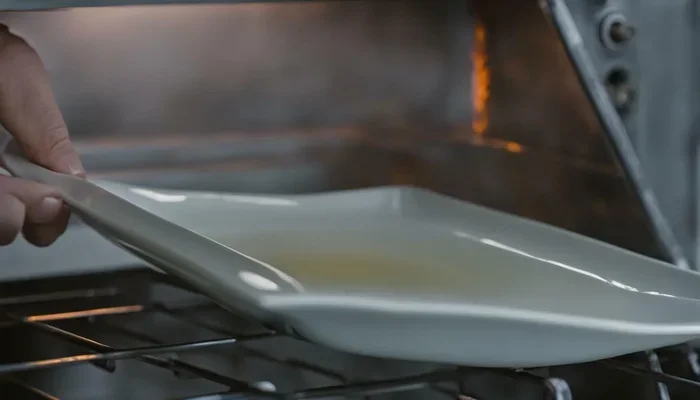
Can I Put A Porcelain Plate In The Oven And Not Break It
Yes, you can put a porcelain plate in the oven, but only if it is labeled oven-safe and you avoid sudden temperature changes. This guide explains how to check if your porcelain dish can handle heat, the right temperatures to use, and common mistakes that cause cracking. Learn the simple steps to bake with porcelain plates safely and keep them chip-free for years.
Have you ever wondered, can I put a porcelain plate in the oven and not break it? It’s a common question for home cooks who love the look of porcelain but worry about using it for baking or reheating. The short answer is yes, but with a few important precautions. Not every porcelain plate is created equal, and using the wrong one in a hot oven can lead to a costly mess. In this guide, I’ll walk you through everything you need to know about putting porcelain plates in the oven safely. You’ll learn how to identify oven-safe porcelain, the right temperatures to use, and the simple habits that prevent cracking. By the end, you’ll feel confident using your favorite porcelain dishes for roasting, baking, and serving hot food straight from the oven.
Many people assume that because porcelain looks sturdy and elegant, it can handle any heat. That’s not always true. Porcelain is a type of ceramic, but its composition and firing process determine how much heat it can withstand. Some porcelain plates are designed for oven use, while others are purely decorative. Understanding the difference is key to avoiding thermal shock, which happens when a cold plate meets a sudden blast of heat and expands unevenly, causing it to crack or shatter. I’ll break down the science in simple terms and give you practical tips you can use today. Whether you’re reheating leftovers or baking a casserole, this article will help you make the right choice.
Key Takeaways
- Check the label: Always look for an oven-safe symbol or text on the bottom of the plate before using it in the oven.
- Avoid thermal shock: Never place a cold porcelain plate directly into a hot oven or onto a hot surface to prevent cracking.
- Know the temperature limit: Most oven-safe porcelain can handle up to 500-550°F (260-290°C), but always verify with the manufacturer.
- Preheat with the plate inside: Putting the plate in a cold oven and heating both together reduces the risk of thermal shock.
- Use a diffuser: Place a baking sheet or trivet under the porcelain plate to distribute heat evenly and protect the surface.
- Not all porcelain is equal: Decorative or hand-painted plates may not be oven-safe, even if they look sturdy.
- Cool down slowly: Let the porcelain plate cool gradually on a dry towel or rack, never on a cold surface.
📑 Table of Contents
- Can I Put A Porcelain Plate In The Oven Safely?
- What Is Porcelain and Why Does It React to Heat?
- What Temperature Can Porcelain Plates Handle?
- Practical Tips for Using Porcelain Plates in the Oven
- Common Mistakes That Cause Porcelain Plates to Break in the Oven
- Expert Insights: How Bakers Use Porcelain Plates Safely
- Comparison: Porcelain Plates and Their Oven Safety
- Quick Tips for Oven-Safe Porcelain Use
- Conclusion
Can I Put A Porcelain Plate In The Oven Safely?
The direct answer to can I put a porcelain plate in the oven is yes, but only if the plate is specifically labeled as oven-safe. Many modern porcelain dinnerware sets are designed to withstand oven temperatures up to 500°F or higher. However, vintage or decorative pieces may not have any heat resistance at all. The safest way to know is to check the bottom of the plate for an oven-safe symbol, which usually looks like a picture of an oven with wavy lines or the words “oven safe.” If you can’t find any marking, it’s better to be cautious and avoid using it in the oven. No dish is worth the risk of it breaking and damaging your food or the oven itself.
How to Check If Your Porcelain Plate Is Oven-Safe
Checking if your porcelain plate can go in the oven is simple. Start by flipping the plate over and looking at the bottom. You should see a symbol or text indicating oven safety. Common markings include “oven safe,” “ovenproof,” or a picture of an oven with heat waves. Some plates may also state the maximum temperature they can withstand, such as “up to 500°F.” If the plate has no markings at all, it’s likely not designed for oven use. Another clue is the thickness of the plate. Oven-safe porcelain tends to be thicker and more substantial than delicate decorative pieces. If the plate feels very thin or has intricate hand-painted designs, it’s probably not meant for the oven. When in doubt, contact the manufacturer or stick to using the plate for serving only.
Oven-Safe Porcelain vs. Microwave-Safe Porcelain
It’s important to note that microwave-safe does not always mean oven-safe. A plate might handle the microwave’s radiation without cracking but still fail under the direct, dry heat of an oven. Microwave-safe porcelain is designed to withstand the moisture and gentle heat of microwave cooking, but ovens reach much higher temperatures and use different heating methods. Always look for a separate oven-safe label if you plan to use the plate in the oven. Some plates are dual-safe for both microwave and oven use, but this will be clearly stated on the bottom. Don’t assume one means the other.
What Is Porcelain and Why Does It React to Heat?
Before you place any dish in the oven, it helps to understand what porcelain actually is. Porcelain is a type of ceramic made from fine clay, feldspar, and silica. It’s fired at very high temperatures, usually around 2,600°F (1,427°C), which makes it dense, non-porous, and strong. Because it’s so smooth and hard, porcelain is a popular choice for dinnerware and decorative pieces. But density doesn’t automatically mean oven-safe. The way porcelain is glazed and decorated plays a big role in its heat tolerance. Some glazes can crack under high heat, and painted designs may contain metals that aren’t heat-resistant. So when you ask, can I put a porcelain plate in the oven, the answer depends on the specific plate’s construction and labeling.
The Difference Between Porcelain and Other Ceramics
It’s easy to confuse porcelain with stoneware or earthenware. All three are ceramics, but they differ in composition and firing temperature. Stoneware is fired at lower temperatures and is more porous, which can make it prone to absorbing moisture and cracking in the oven. Earthenware is even more porous and usually not oven-safe at all. Porcelain, on the other hand, is fired at the highest temperatures, making it less likely to absorb water and more resistant to thermal changes. However, not all porcelain is oven-safe. Decorative porcelain figurines or fine china with gold rims should never go in the oven. The gold or metallic accents can melt or release harmful fumes when heated. Always check the manufacturer’s guidelines before exposing any porcelain to high heat.
How Thermal Shock Affects Porcelain Plates
Thermal shock is the biggest enemy of porcelain in the oven. It occurs when one part of the plate expands faster than another, creating stress that leads to cracks. Imagine taking a cold porcelain plate from the refrigerator and placing it directly into a preheated 400°F oven. The bottom of the plate heats up quickly and expands, while the top stays cool. That uneven expansion causes the plate to crack or even shatter. To avoid this, you need to let the plate warm up gradually. The best practice is to place the cold plate in a cold oven and then heat both together. This allows the porcelain to expand evenly and reduces the risk of thermal shock. If you’re in a hurry, you can also place the plate on a room-temperature baking sheet before sliding it into the oven.
What Temperature Can Porcelain Plates Handle?
Temperature limits vary by porcelain plate, but most oven-safe porcelain can handle temperatures between 350°F and 550°F (175°C to 290°C). Some high-quality porcelain bakeware can even go up to 600°F. However, the key is not just the maximum temperature but how you reach it. Never place a porcelain plate under the broiler, as the intense direct heat from the top element can cause rapid, uneven expansion and cracking. The broiler is one of the most common reasons porcelain dishes break in the oven. Stick to baking and roasting at moderate temperatures, and always preheat the oven before placing the plate inside if you’re going from room temperature. If you’re using a porcelain plate to reheat food, keep the temperature around 350°F or lower for best results.
Safe Temperature Ranges for Common Porcelain Dishes
Here’s a quick look at typical temperature ranges for different porcelain items. Keep in mind that these are general guidelines, and you should always check the specific manufacturer’s instructions.
- Standard oven-safe porcelain dinner plates: Up to 450-500°F (232-260°C)
- Porcelain baking dishes and casseroles: Up to 500-550°F (260-290°C)
- Decorative or fine china porcelain: Not oven-safe; room temperature only
- Porcelain with metallic gold or silver trim: Not oven-safe; heat can damage the trim
- Porcelain stoneware plates (often confused with porcelain): Usually oven-safe up to 450-500°F
Can You Put Porcelain in a Toaster Oven?
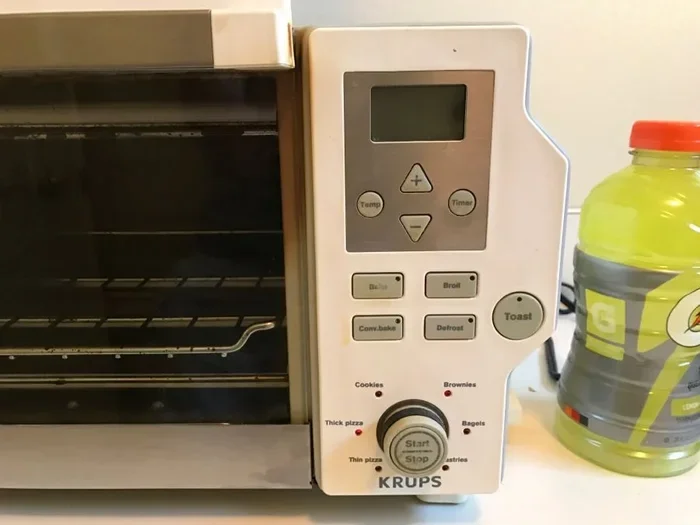
Many people wonder if porcelain plates can go in a toaster oven. The answer is yes, if the plate is oven-safe and fits inside the toaster oven. Toaster ovens heat up quickly and can reach high temperatures, so the same rules apply. Avoid placing a cold porcelain plate directly into a hot toaster oven, as the rapid temperature change increases the risk of cracking. Instead, put the plate in the cold toaster oven and set it to the desired temperature. Also, make sure the plate isn’t touching the heating elements or the top of the toaster oven, as direct contact can cause uneven heating and breakage. Use a porcelain plate that’s smaller than the toaster oven’s interior to allow air to circulate around it.
Practical Tips for Using Porcelain Plates in the Oven
Now that you know the basics, let’s dive into some practical tips that will help you use porcelain plates in the oven safely. These simple habits can extend the life of your porcelain dishes and prevent accidents in the kitchen.
Always Preheat the Oven With the Plate Inside
One of the best ways to prevent thermal shock is to place your porcelain plate in the oven before you turn it on. This allows the plate to heat up gradually along with the oven. If you preheat the oven first and then slide a cold plate inside, you’re creating a sudden temperature difference that can cause cracking. By putting the plate in a cold oven and then setting the temperature, you give the porcelain time to expand evenly. This is especially important when baking at high temperatures or for long cooking times.
Use a Baking Sheet or Trivet Underneath
Placing your porcelain plate on a baking sheet or a trivet can help distribute heat more evenly. A baking sheet acts as a buffer, reducing direct contact with the hot oven rack and preventing hot spots that can cause uneven expansion. This is particularly useful if your oven has hot spots or if you’re using a smaller porcelain plate that might not sit flush on the rack. A simple sheet of aluminum foil or a silicone baking mat on the rack can also work, but the baking sheet provides the most stability.
Avoid Sudden Temperature Changes
Never take a hot porcelain plate from the oven and place it on a cold or wet surface. The sudden change in temperature can cause the plate to crack or shatter. Always use a wooden cutting board, a dry kitchen towel, or a heat-resistant trivet when removing a porcelain plate from the oven. Let the plate cool on the counter for a few minutes before moving it to a storage area. If you’re transferring food from the oven to the table, use a serving tray with handles to keep your hands safe and the plate stable.
Don’t Use Porcelain Under the Broiler
The broiler is a high-risk zone for porcelain plates. The intense, direct heat from the top element can cause the bottom of the plate to expand much faster than the top, leading to cracks or even explosion. Even if your porcelain plate is labeled oven-safe, it’s not broiler-safe unless explicitly stated. If you want to get a nice brown finish on a casserole, transfer the food to a metal baking dish before placing it under the broiler. Leave the porcelain plate out of the broiler entirely.
Hand-Wash Your Porcelain Plates After Oven Use
While many oven-safe porcelain plates are dishwasher-safe, hand-washing is gentler and helps preserve the glaze over time. After removing a porcelain plate from the oven, let it cool completely before washing it with warm water and mild dish soap. Avoid using abrasive sponges or harsh chemicals that can scratch the surface or damage the glaze. If you do use a dishwasher, place the porcelain plates on the top rack away from the heating element to prevent uneven drying and potential cracking.
Common Mistakes That Cause Porcelain Plates to Break in the Oven
Even with the best intentions, mistakes happen. Knowing the common pitfalls can save you from a broken plate and a ruined meal. Here are the errors I see most often when people use porcelain in the oven.
Skipping the Oven-Safe Check
The most common mistake is assuming every porcelain plate can go in the oven. Just because it’s porcelain doesn’t mean it’s oven-safe. Decorative plates, fine china, and plates with metallic accents are often not designed for high heat and can crack or release harmful fumes. Always check the bottom of the plate for an oven-safe symbol or text. If you’re unsure, do a simple test: place the plate in a cold oven, set the temperature to 350°F, and heat it for 15 minutes. Let it cool completely and check for any cracks or stress marks. If it passes, you’re likely good to go, but this test is not foolproof for all porcelain.
Placing a Cold Plate on a Hot Surface
Another big mistake is taking a cold porcelain plate from the fridge and putting it directly on a hot stove or oven rack. The rapid temperature change causes thermal shock, which is the leading cause of porcelain cracking. Always let the plate come to room temperature before placing it in the oven, or better yet, put it in the oven before preheating. If you need to reheat a plate quickly, wrap it in a dry kitchen towel to provide a slight buffer against direct heat, but this is not a substitute for gradual warming.
Overheating or Exceeding the Temperature Limit
Every oven-safe porcelain plate has a maximum temperature limit, usually printed on the bottom or in the product manual. Exceeding this limit can cause the plate to warp, crack, or even shatter. Don’t assume that because a plate is oven-safe, it can handle any temperature. Treat the maximum temperature as a hard limit, not a suggestion. If you’re baking at 550°F and your plate is only rated for 450°F, you’re asking for trouble. When in doubt, use a metal or cast iron pan instead.
Using Damaged or Chipped Plates
A small chip or crack might seem harmless, but it can turn into a major breakage in the oven. Chips create weak points in the porcelain where stress can build up during heating. Even a tiny chip can expand under high heat and cause the entire plate to crack. Inspect your porcelain plates before each use. If you see any damage, retire the plate from oven use. It’s still safe for cold or room-temperature serving, but the oven is too risky.
Expert Insights: How Bakers Use Porcelain Plates Safely
Professional bakers and chefs often use porcelain bakeware and plates for roasting and baking because porcelain distributes heat evenly and retains warmth well. However, they also follow strict rules to prevent breakage. Here are a few expert insights I’ve gathered from experienced cooks and ceramicists.
The “Cold Start” Method
Many bakers swear by the cold start method, which involves placing the porcelain dish in the oven before turning it on. This ensures the plate warms up gradually and reduces the risk of thermal shock. It works beautifully for casseroles, baked eggs, and even fruit crumbles. The downside is that cooking times may be slightly longer because the oven and plate are heating together. However, the even heat distribution often results in better-cooked food and a lower risk of cracked dishes.
Choosing the Right Porcelain for Baking
Not all porcelain is created for baking. Bakers often look for porcelain bakeware that is specifically designed for oven use, with thick walls and a sturdy base. These pieces are more resistant to temperature changes and can handle high-heat cooking without cracking. If you’re buying porcelain plates specifically for oven use, look for ones that are labeled “oven-safe” and have a thick, heavy base. Avoid thin, delicate plates that are meant for serving only. Investing in a few high-quality oven-safe porcelain plates can make your baking experience safer and more enjoyable.
Seasoning and Caring for Porcelain Bakeware
If you use porcelain baking dishes regularly, you can “season” them just like cast iron. Before the first use, wash the dish with warm water and mild soap, then dry it completely. For subsequent uses, avoid using soap on the interior if the manufacturer advises against it, as soap can strip the seasoning. After baking, let the dish cool before washing. Never plunge a hot porcelain dish into cold water, as this can cause thermal shock. With proper care, a good porcelain baking dish can last for decades and provide even, beautiful baking results.
Comparison: Porcelain Plates and Their Oven Safety
Not all porcelain is the same. Here’s a quick comparison of different porcelain types and their oven use to help you choose the right plate for your needs.
| Type of Porcelain | Oven-Safe? | Max Temp | Best For |
|---|---|---|---|
| Standard oven-safe porcelain dinner plates | Yes | 450-500°F | Reheating, baking, serving |
| Porcelain baking dishes and casseroles | Yes | 500-550°F | Roasting, baking, slow cooking |
| Decorative or fine china porcelain | No | N/A | Table display, cold serving |
| Porcelain with gold or silver trim | No | N/A | Formal serving, room temp only |
| Porcelain stoneware (often labeled as porcelain) | Usually yes | 450-500°F | Baking, grilling, serving |
Always double-check the manufacturer’s guidelines, as these ranges can vary. When in doubt, stick to using the plate for serving only and choose a metal or glass dish for oven use.
Quick Tips for Oven-Safe Porcelain Use
- Look for the oven-safe symbol on the bottom of the plate before every use.
- Place the plate in a cold oven and set the desired temperature to avoid thermal shock.
- Use a baking sheet underneath the porcelain plate for stability and even heat.
- Never exceed the max temperature listed by the manufacturer.
- Let the plate cool on a dry towel before washing or storing.
- Avoid the broiler with porcelain, even if it’s labeled oven-safe.
- Hand-wash when possible to preserve the glaze and extend the life of the plate.
Conclusion
So, can I put a porcelain plate in the oven and not break it? Absolutely yes, if you choose the right plate and follow the proper steps. Remember to look for the oven-safe symbol, preheat the oven with the plate inside, and avoid thermal shock by warming the plate gradually. Keep the temperature within the safe range, never use the broiler, and always handle hot porcelain with care. With these tips, your porcelain plates can be a beautiful and functional part of your kitchen for years to come. Whether you’re reheating a family dinner or baking a special dessert, porcelain can handle the heat when you treat it right. Start experimenting with oven-safe porcelain today, and enjoy the elegant results that only this timeless material can provide.
Frequently Asked Questions
Can any porcelain plate go in the oven?
No, not all porcelain plates are oven-safe. Only plates that are specifically labeled as oven-safe should be used in the oven. Decorative plates, fine china, and plates with metallic trims are usually not designed for high heat and can crack or release harmful fumes.
What temperature is too hot for porcelain plates?
Most oven-safe porcelain plates can handle temperatures up to 500-550°F (260-290°C). Exceeding the maximum temperature listed by the manufacturer can cause the plate to warp, crack, or shatter. Always check the bottom of the plate for the temperature limit before using it in the oven.
Can I put a cold porcelain plate directly into a hot oven?
No, placing a cold porcelain plate directly into a hot oven can cause thermal shock, which leads to cracking or shattering. Always place the plate in a cold oven and heat both together, or let the plate come to room temperature before putting it in the oven.
Is it safe to use porcelain plates under the broiler?
No, porcelain plates should never be used under the broiler. The intense, direct heat from the broiler can cause rapid, uneven expansion and lead to breakage. If you need to brown food, transfer it to a metal or cast iron pan before placing it under the broiler.
How can I tell if my porcelain plate is oven-safe?
Flip the plate over and look for an oven-safe symbol or text on the bottom. Common markings include “oven safe,” “ovenproof,” or a picture of an oven with heat waves. If there are no markings, it’s best to assume the plate is not oven-safe and use it for serving only.
Can I wash a porcelain plate in the dishwasher after it has been in the oven?
Yes, most oven-safe porcelain plates are dishwasher-safe, but hand-washing is gentler and helps preserve the glaze. Let the plate cool completely before washing it with warm water and mild soap. Avoid abrasive sponges and place the plate on the top rack of the dishwasher if you use one.