How to Cook Salmon in Oven for Perfect Results Every Time
Cooking salmon in oven is the easiest and most reliable way to get perfectly moist, flavorful fish every single time. This guide covers everything from choosing the right fillet to nailing the ideal internal temperature. You will learn simple steps, pro tips, and common mistakes so your salmon always turns out restaurant-quality at home.
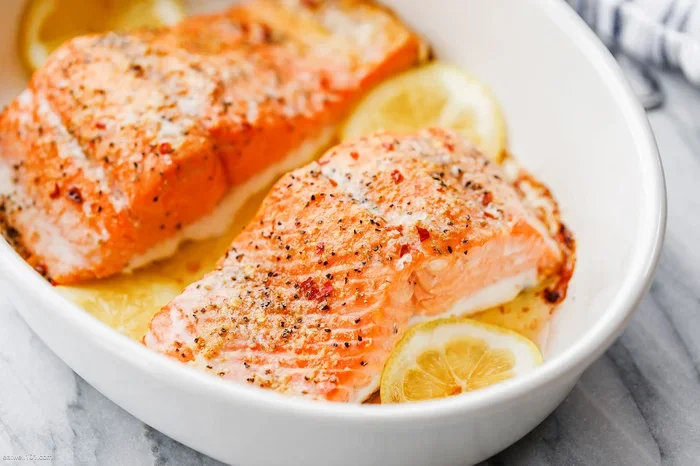
Few things in the kitchen are as satisfying as cooking salmon in oven and pulling a beautiful, golden fillet out of the heat. Salmon is one of the most popular fish choices for home cooks, and for good reason. It is packed with omega-3 fatty acids, high in protein, and incredibly versatile in the kitchen.
Whether you are a complete beginner or someone who has struggled with dry, overcooked salmon before, this guide will change everything. We will walk you through every step of oven-baked salmon so you get consistent, delicious results. From picking the right fillet to choosing the best seasoning, we have you covered.
The beauty of baked salmon is how simple it truly is. You need minimal ingredients, a hot oven, and a little patience. By the end of this article, you will never order salmon at a restaurant again — because yours will be even better.
Key Takeaways
- Optimal Temperature: Baking salmon at 400°F gives you a crispy exterior and tender, juicy interior every time.
- Timing Matters: Most salmon fillets cook in 12-15 minutes, depending on thickness.
- Skin-On is Better: Cooking skin-side down keeps the fish moist and adds a satisfying crunch.
- Internal Temp is Key: Aim for 145°F for safe, perfectly cooked salmon.
- Season Simply: Salt, pepper, olive oil, and lemon are all you need for a great result.
- Avoid Overcooking: Pull the salmon off heat just before it looks fully done — it keeps cooking on the hot pan.
- Fresh or Frozen Works: Both can produce excellent results with the right approach.
📑 Table of Contents
- Why Cooking Salmon in Oven Is the Best Method
- How to Prepare Your Salmon for the Oven
- The Best Oven Temperature for Salmon
- Step-by-Step Guide to Cooking Salmon in Oven
- Common Mistakes to Avoid When Cooking Salmon in Oven
- Delicious Variations and Flavor Combinations
- Expert Insights on Perfect Baked Salmon
- Frequently Asked Questions
- Conclusion
Why Cooking Salmon in Oven Is the Best Method
There are many ways to prepare salmon. You can grill it, pan-sear it, poach it, or smoke it. But for most home cooks, cooking salmon in oven is the go-to method. Here is why.
First, oven baking gives you even heat distribution. Unlike a stovetop where hot spots can burn one side while the other stays raw, an oven surrounds the fillet with consistent warmth. This means your salmon fillet cooks evenly from edge to center.
Second, oven-baked salmon is hands-off. You season the fish, place it on a sheet pan, and let the oven do the work. This frees you up to prepare sides, set the table, or simply relax while your salmon dinner comes together.
Third, baking produces that beautifully crispy skin when done right. Many people love crispy salmon skin but struggle to get it right on the stove. The oven method makes it much easier and more predictable.
Finally, oven-baked salmon is incredibly forgiving. There is a small window between underdone and overdone, but once you learn the cues, you will nail it every single time. It is one of the best healthy salmon recipes you can make at home.
Baked Salmon vs. Other Cooking Methods
Let us quickly compare baked salmon with other popular methods so you understand why oven baking stands out.
- Grilling: Great flavor but requires more skill and attention. Flakes can stick to the grill.
- Pan-Searing: Produces a nice crust but can easily overcook the thick center of the fillet.
- Poaching: Very moist but lacks texture and flavor depth compared to baked salmon.
- Smoking: Incredible taste but requires special equipment and hours of time.
- Oven Baking: Easy, consistent, hands-off, and produces excellent results every time.
As you can see, cooking salmon in oven offers the best balance of simplicity, flavor, and reliability. It is no wonder this method is a favorite among both home cooks and professional chefs.
How to Prepare Your Salmon for the Oven
Proper preparation is the secret to perfect baked salmon. Skipping this step is the number one reason home-cooked salmon turns out dry or bland. Let us walk through it together.
Choosing the Right Salmon Fillet
Start with a good-quality fresh salmon fillet. Look for bright, vibrant color and a clean, ocean-like smell. If the fish smells overly fishy or looks dull, it is best to choose a different piece.
You can use skin-on or skinless salmon depending on your preference. Skin-on fillets are excellent for oven baking because the skin protects the flesh and crisps up beautifully. Skinless fillets cook slightly faster and are easier to eat for some people.
Wild-caught salmon and farmed salmon both work wonderfully in the oven. Wild salmon tends to be leaner with a more pronounced flavor. Farmed salmon is fattier and buttery, which makes it very forgiving when cooking salmon in oven.
Thawing Frozen Salmon Properly
If you are using frozen salmon fillets, thaw them correctly before baking. The best method is to place the fillet in the refrigerator overnight. This slow thaw keeps the texture intact and prevents moisture loss.
You can also thaw salmon quickly by placing it in a sealed plastic bag and submerging it in cold water. Change the water every 20 minutes. Never use warm or hot water, as this starts cooking the outer layer and ruins the texture.
Patting Dry and Seasoning
Before seasoning, pat your salmon fillet completely dry with paper towels. This step is crucial. Moisture on the surface creates steam instead of allowing the skin or top to crisp up in the oven.
For basic seasoning, keep it simple: olive oil, salt, black pepper, and a squeeze of fresh lemon juice. These few ingredients enhance the natural flavor of the fish without overpowering it.
For something more adventurous, try adding minced garlic, fresh dill, smoked paprika, or a drizzle of honey. The possibilities are endless with seasoned salmon recipes.
The Best Oven Temperature for Salmon
Temperature is the most important factor when cooking salmon in oven. Too low and the fish takes forever. Too high and it dries out before the center is cooked through.
Recommended Temperature: 400°F
The sweet spot for oven-baked salmon is 400°F (200°C). This temperature is hot enough to develop a beautiful golden crust while cooking the inside gently and evenly. Most salmon fillets come together in about 12 to 15 minutes at this temperature.
If you prefer a slower, more gentle cook, you can bake at 375°F. This adds a few extra minutes to the cook time but can be useful for thicker fillets. The lower temperature reduces the risk of overcooking the edges while waiting for the center to finish.
Understanding Salmon Internal Temperature
The salmon internal temperature you are aiming for is 145°F (63°C). This is the USDA-recommended safe temperature for fish. At this point, the salmon is fully cooked but still moist and flaky.
Use an instant-read meat thermometer for the most accurate results. Insert it into the thickest part of the fillet, angled toward the center. This single tool will transform your salmon cooking tips and take the guesswork out entirely.
Some people prefer their salmon at 130°F to 135°F for a medium-rare, translucent center. This is perfectly safe for fresh, high-quality salmon and gives you a buttery, almost sashimi-like texture. It is all about personal preference.
Temperature Comparison Table
| Oven Temperature | Cook Time (1-inch fillet) | Result |
|---|---|---|
| 375°F | 15-18 minutes | Gentle cook, very moist, slightly longer |
| 400°F | 12-15 minutes | Best balance of crisp exterior and tender center |
| 425°F | 10-12 minutes | Fast cook, crispier exterior, higher risk of drying out |
| 450°F | 8-10 minutes | Very fast, great for thin fillets, easy to overcook |
For most home cooks, 400°F is the gold standard for cooking salmon in oven. It gives you a reliable window and produces consistently excellent results.
Step-by-Step Guide to Cooking Salmon in Oven
Now that you understand the basics, let us put it all together with a clear, step-by-step process for oven-baked salmon. Follow these steps and you will never second-guess yourself again.
Step 1: Preheat Your Oven
Start by preheating your oven to 400°F. Give it at least 10 to 15 minutes to reach the right temperature. A properly preheated oven is essential for even fillet baking and getting that crispy skin or exterior.
Step 2: Line Your Baking Sheet
Line a sheet pan with parchment paper or aluminum foil. This makes cleanup a breeze and prevents the salmon from sticking. Lightly grease the surface with a thin layer of olive oil or cooking spray.
Step 3: Season the Salmon
Place your salmon fillet skin-side down on the prepared pan. Drizzle with olive oil and season generously with salt and pepper. Add any herbs or spices you like at this stage. A little goes a long way with seasoned salmon.
Step 4: Bake for 12-15 Minutes
Slide the pan into the preheated oven and set a timer for 12 minutes. The exact cooking time depends on the thickness of your fillet. A thin fillet may be done in 10 minutes, while a thick one might need 18.
Check the salmon internal temperature at the 12-minute mark. You want it to read 145°F at the thickest point. If it is not there yet, give it another 2-3 minutes and check again.
Step 5: Rest the Salmon
Once your baked salmon reaches the right temperature, remove it from the oven. Let it rest on the pan for 3 to 5 minutes. This resting period allows the juices to redistribute throughout the fillet, making every bite moist and flavorful.
Step 6: Serve and Enjoy
Serve your perfectly cooked salmon with a squeeze of fresh lemon, a side of roasted vegetables, or a light grain like quinoa or rice. Cooking salmon in oven pairs beautifully with asparagus, Brussels sprouts, or a simple green salad.
Quick Tips for Perfect Baked Salmon
- Always start with a room-temperature fillet for more even cooking.
- Do not overcrowd the pan. Give each fillet space so hot air circulates freely.
- If your skin is not crispy enough, broil for 1-2 minutes at the end.
- Use a silicone mat or parchment paper to prevent sticking.
- Save the juices from the pan and drizzle them over the salmon when serving.
Common Mistakes to Avoid When Cooking Salmon in Oven
Even experienced home cooks make mistakes with baked salmon. Knowing what to avoid will save you from dry, disappointing fillets.
Skipping the Parchment Paper
One of the most common salmon cooking tips people overlook is lining the pan. Without parchment paper or foil, the salmon sticks to the baking sheet. You end up tearing the fillet apart when you try to remove it, and the presentation suffers.
Overcooking the Salmon
Overcooking is the number one enemy of great oven-baked salmon. Salmon continues to cook after you remove it from the oven due to residual heat. Pull it off when it is just slightly under your target temperature. It will reach 145°F during the resting period.
If your salmon flakes apart completely and looks dry, it has been in the oven too long. Next time, reduce the cook time by 1-2 minutes and check again.
Not Seasoning Enough
Salmon has a delicate, natural flavor that benefits from seasoning. Some people are too timid with salt and pepper. Be generous. A well-seasoned healthy salmon recipe tastes infinitely better than a bland one.
Using a Cold Fillet
Placing a cold, straight-from-the-fridge salmon fillet into a hot oven creates uneven cooking. The outside overcooks while the inside stays cold. Take your salmon fillet out 15-20 minutes before baking to let it come closer to room temperature.
Opening the Oven Door Too Often
Every time you open the oven door, you lose heat and temperature consistency. Trust the process and resist the urge to peek. Use the oven light to check on your salmon dinner instead.
Delicious Variations and Flavor Combinations
Once you master the basics of cooking salmon in oven, it is time to get creative. Here are some salmon recipe variations that will keep your weeknight dinners exciting.
Honey Garlic Salmon
Mix honey, minced garlic, soy sauce, and a dash of sesame oil. Brush this glaze over your salmon fillet during the last 5 minutes of baking. The result is a sweet, savory, slightly caramelized baked salmon that the whole family will love.
Lemon Herb Salmon
Combine fresh lemon zest, chopped dill, parsley, and garlic with olive oil. Spread this mixture over the salmon before baking. This classic salmon with herbs combination is light, fresh, and perfect for summer dinners.
Cajun-Spiced Salmon
Coat your seasoned salmon with Cajun spice blend, smoked paprika, and a touch of cayenne pepper. This gives you a bold, smoky flavor that pairs amazingly with a cool cucumber salad or coleslaw.
Maple Mustard Salmon
Whisk together maple syrup, Dijon mustard, and a splash of apple cider vinegar. Glaze the salmon in the last few minutes of baking for a sweet and tangy salmon dinner that is anything but boring.
Pesto Crusted Salmon
Spread a thin layer of basil pesto over the top of the fillet before baking. The pesto melts into a flavorful crust that adds richness and depth to every bite. This is one of the most popular easy salmon recipes for entertaining guests.
Mediterranean Style Salmon
Top your oven-baked salmon with kalamata olives, sun-dried tomatoes, capers, and crumbled feta cheese. A drizzle of extra virgin olive oil ties everything together beautifully.
Expert Insights on Perfect Baked Salmon
Chef Maria Torres, a professional seafood chef with over 15 years of experience, shares her top advice: “The single biggest secret to cooking salmon in oven is not overthinking it. Use good fish, keep it simple, and trust your thermometer. Most people ruin salmon by cooking it too long. Pull it early and let the resting time finish the job.”
Nutritionist James Lee adds, “Baked salmon is one of the healthiest meals you can prepare. It is rich in omega-3s, high-quality protein, and essential vitamins. A simple healthy salmon recipe with olive oil, lemon, and herbs gives you a nutrient-dense salmon dinner that supports heart health and brain function.”
These expert voices reinforce what we have covered: keep it simple, pay attention to temperature, and do not be afraid of bold flavors. Cooking salmon in oven is one of the most rewarding skills you can build in the kitchen.
Frequently Asked Questions
What is the best temperature to cook salmon in the oven?
The best temperature for cooking salmon in oven is 400°F. This produces a beautifully crispy exterior while keeping the inside moist and tender. If you prefer a gentler cook, 375°F also works well for thicker fillets.
How long does it take to bake salmon in the oven?
Most salmon fillets take 12 to 15 minutes at 400°F. The exact cooking time depends on the thickness of the fillet and whether it is skin-on or skinless. Always check the internal temperature to be sure.
Should I cook salmon skin-side up or down?
Always place your salmon fillet skin-side down when baking. The skin acts as a protective layer that keeps the flesh moist and helps it crisp up beautifully. Place the fillet directly on the parchment-lined pan with the skin facing the heat source.
Can I use frozen salmon for oven baking?
Yes, you can cook salmon in oven from frozen, but thawing first gives you much better results. Thaw overnight in the refrigerator or use the cold water method. Frozen salmon can be baked directly but will need a few extra minutes and may cook less evenly.
How do I know when salmon is done in the oven?
The most reliable way is to use a meat thermometer. Your salmon internal temperature should read 145°F at the thickest part. The fish should also be opaque throughout and flake easily with a fork, but still have a slight moistness in the center.
What are the easiest seasonings for baked salmon?
The simplest and most flavorful seasoning combo is olive oil, salt, black pepper, and fresh lemon juice. From there, you can add garlic, dill, paprika, or honey depending on your taste. Seasoned salmon does not need to be complicated to taste amazing.
Conclusion
Cooking salmon in oven is one of the simplest and most rewarding things you can do in the kitchen. With the right temperature, proper preparation, and a little attention to timing, you will serve up restaurant-quality baked salmon every single time.
Remember the key points: use 400°F as your go-to temperature, aim for an internal temperature of 145°F, and always let your salmon rest before serving. Avoid common mistakes like overcooking, skipping the parchment paper, and using a cold fillet straight from the fridge.
Experiment with different salmon recipe variations to keep things interesting. Whether you prefer honey garlic, lemon herb, or Cajun-spiced, the oven method adapts beautifully to any flavor profile. Your salmon dinner will become a weeknight staple that the whole family looks forward to.
Now that you have all the knowledge and tools, it is time to get into the kitchen. Pick up a fresh salmon fillet, preheat your oven, and experience the joy of perfect oven-baked salmon for yourself. You will wonder why you ever settled for anything less.