Why Does My Oven Keep Smoking Here Are 5 Common Causes
Your oven keeps smoking because of common issues like grease buildup, food residue, or a dirty oven interior. Understanding the root cause helps you fix the problem fast and prevent it from happening again. This guide covers the 5 most common reasons behind oven smoking and gives you simple solutions you can try today.
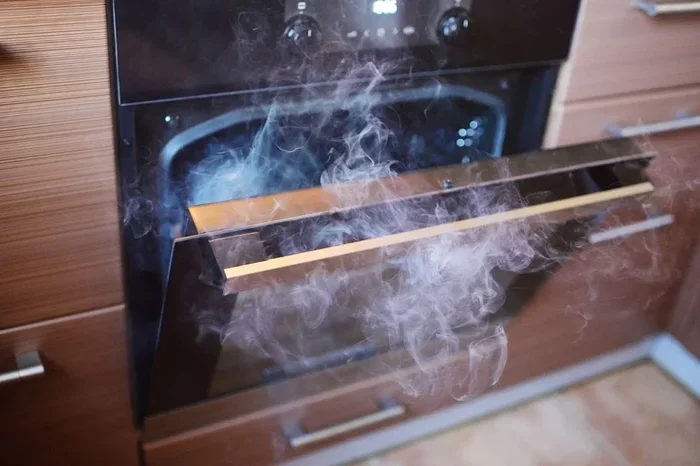
You are mid-meal prep when you notice a thin stream of smoke curling out from under your oven door. Your heart drops. You open the door and get hit with a wave of burnt smell. Oven smoking is one of the most common kitchen problems homeowners face. It happens to everyone at some point. The good news is that most causes are simple and fixable. In this guide, we walk through the 5 most common reasons your oven keeps smoking. You will learn what causes the smoke, how to fix it, and how to stop it from happening again. Let’s get into it.
Oven smoke is not just annoying. It can trigger your kitchen smoke alarm, leave grease stains on your cabinets, and even affect the taste of your food. Whether you are baking cookies or roasting vegetables, nobody wants smoke interrupting their cooking flow. The causes range from simple residue buildup to more serious mechanical issues. By understanding each cause, you can tackle the problem with confidence. Let’s break down each reason and give you clear, actionable steps to fix it.
Key Takeaways
- Grease and food residue are the #1 cause of oven smoke and easy to fix with regular cleaning.
- The self-cleaning cycle can produce heavy smoke if not used correctly or if the oven is too dirty beforehand.
- Faulty heating elements may spark or smoke and need immediate attention for safety.
- Wrong temperature settings can burn food and create smoke inside your oven.
- New ovens often smoke during the first few uses as factory residue burns off.
- Regular oven maintenance prevents most smoking problems before they start.
- Know when to call a pro if smoke comes with unusual smells or visible damage.
📑 Table of Contents
Food Residue and Grease Buildup
The number one reason for oven smoking is food residue and grease buildup. Every time you cook, tiny particles of food and fat splatter onto the oven walls, the bottom, and the racks. Over time, this residue builds up and starts to smoke when you heat the oven. Even if you cannot see it, baked-on grease can cause smoke at temperatures above 400 degrees Fahrenheit.
What Causes Grease to Accumulate
Grease buildup happens gradually. You might not notice it until the smoke becomes obvious. Here are the main culprits:
- Cooking oily or fatty foods like bacon, sausages, and fried items causes splatter.
- Sauces and marinades can drip onto the oven floor and carbonize.
- Food that overflows from baking dishes or pans drips onto hot surfaces.
- Spills that are not cleaned after each use build up layer over layer.
- Greasy baking sheets transfer residue onto the oven floor when placed inside.
The oven vent can also trap grease particles. When the oven heats up, this trapped grease starts to smoke and produces that familiar burnt smell. Regular cleaning is the best way to prevent this. Wipe down the interior after every use, and do a deep clean at least once a month.
How to Clean Grease Buildup
Cleaning your oven does not have to be a nightmare. Here is a simple method that works well:
- Remove the oven racks and soak them in warm soapy water.
- Sprinkle baking soda generously on the oven floor and walls.
- Spray or drizzle white vinegar over the baking soda to create a fizzing reaction.
- Let the mixture sit for 15 to 20 minutes.
- Wipe everything down with a damp cloth.
- Rinse with clean water and dry before replacing the racks.
For tough baked-on residue, let the baking soda paste sit for an hour. This oven cleaning method is safe, affordable, and works wonders. Avoid using harsh chemical cleaners on a regular basis, as they can leave fumes that contribute to smoke the next time you cook.
Quick Tip
Place a baking sheet lined with aluminum foil on the rack below your dish when cooking greasy foods. This catches drips and makes cleanup much easier. Just make sure the foil does not block the oven vent or touch the heating elements.
Common Mistake
Many people skip cleaning their oven between uses. They think a quick wipe is enough. But baked-on grease needs a proper deep clean. Skipping this step leads to more smoke every time you turn on the oven. Set a calendar reminder to clean your oven every two to four weeks.
The Self-Cleaning Cycle Can Cause Smoke
Most modern ovens come with a self-cleaning cycle. This feature heats the oven to extremely high temperatures, usually between 800 and 1,000 degrees Fahrenheit. The purpose is to burn off food residue and grease into ash. While this is a great feature, it often produces a lot of smoke during the process.
How the Self-Cleaning Cycle Works
During the self-cleaning cycle, the oven locks the door and raises the internal temperature to burn off all organic matter. The smoke you see is actually the result of food residue and grease being incinerated. This smoke can be thick and may trigger your kitchen smoke alarm. It usually lasts for the duration of the cycle, which is typically two to four hours.
Here is what you should do before starting the self-cleaning cycle:
- Remove all large food particles from the oven floor and walls.
- Take out the oven racks unless your oven manual says to leave them in.
- Turn on your exhaust fan and open a window to vent the smoke.
- Keep pets and children away from the kitchen during the cycle.
If your oven produces excessive smoke during self-cleaning, it likely means there is a heavy buildup of grease and food residue. The oven is working overtime to burn it all off. Running the cycle twice on a lightly soiled oven is unnecessary and can cause extra smoke.
When Self-Cleaning Goes Wrong
Sometimes the self-cleaning cycle itself can malfunction. If the oven temperature goes beyond the normal range, it can cause the enamel inside the oven to smoke or even crack. If you notice sparks, a burning plastic smell, or smoke that does not go away after the cycle ends, stop the process immediately. Let the oven cool down and inspect for damage. A malfunctioning oven thermostat or oven control board can also cause the self-cleaning cycle to overheat the oven.
Expert Insight
Appliance repair technicians recommend running the self-cleaning cycle only when the oven is moderately dirty. A heavily soiled oven produces much more smoke and puts extra stress on the heating elements and seals. For best results, do a manual wipe-down before starting the self-cleaning cycle.
Faulty Heating Elements and Wiring
A less common but more serious cause of oven smoking is a damaged or malfunctioning heating element. The heating element is the metal coil at the top or bottom of the oven that generates heat. When it works properly, it glows red and heats evenly. But when it is damaged, it can spark, arc, or produce smoke.
Signs of a Damaged Heating Element
Watch for these warning signs that point to a faulty heating element:
- Visible cracks or breaks in the metal coil of the element.
- Sparking or arcing inside the oven when it is turned on.
- Uneven heating where one part of the oven is much hotter than another.
- Burning or electrical smell that is different from food burning.
- Smoke coming from the element area specifically, not from food spills.
- The element does not glow red when the oven is set to a high temperature.
If you notice any of these signs, turn off the oven immediately and do not use it until the element is replaced. A damaged element is not just a smoke problem. It is a safety hazard that can lead to electrical shorts or even a fire. Oven maintenance includes regularly inspecting the heating elements for wear and tear.
When to Call a Professional
Replacing a heating element is a repair that many homeowners can handle themselves. However, if the damage involves wiring behind the panel or the oven control board, it is best to call a qualified appliance repair technician. Electrical work inside an oven can be dangerous if you are not experienced. A professional can also check the oven wiring and ensure there are no other hidden issues causing the smoke.
Key Takeaway
If the smoke has a sharp, electrical smell rather than a burnt food smell, the heating element or wiring is likely the culprit. Do not ignore this sign. Turn off the oven and seek professional help if needed.
Wrong Temperature Settings and Overheating
Setting your oven to the wrong temperature can cause food to burn, which leads to smoke. This is a surprisingly common problem, especially for people who are new to cooking or using a different oven than they are used to. Every oven has its own hot spots and temperature quirks.
Using the Right Temperature for Each Dish
Follow your recipe carefully. If a recipe says 350 degrees Fahrenheit and you set the oven to 450 degrees, the food will burn quickly and produce smoke. Here are a few tips to avoid this:
- Read the recipe fully before starting and double-check the temperature.
- Use an oven thermometer to verify that your oven is actually reaching the set temperature.
- Know your oven — some ovens run hot, while others run cool.
- Avoid opening the door too often, which can cause temperature fluctuations.
- Set a timer so you do not forget about food in the oven.
Overheating happens when the oven stays at a higher temperature than intended. This can be caused by a faulty oven thermostat or a broken temperature sensor. If your oven consistently runs hotter than the dial shows, the thermostat may need recalibration or replacement.
The Role of Your Oven Thermometer
An oven thermometer is one of the most underrated kitchen tools. It costs just a few dollars and takes the guesswork out of oven cooking. Place it inside your oven and compare the reading to the dial setting. If there is a big difference, your oven’s internal thermostat may be off. This is an easy fix that can prevent burnt food and oven smoking caused by overheating.
Common Temperature Mistakes
| Mistake | Result | Solution |
|---|---|---|
| Setting temperature too high | Food burns and produces smoke | Follow recipe temperatures exactly |
| Oven runs hotter than set | Food overcooks and smokes | Use an oven thermometer to verify |
| Opening the door too often | Temperature drops, then surges | Minimize door openings during cooking |
| Ignoring preheat time | Food cooks unevenly and burns | Always preheat for 10 to 15 minutes |
Smoking During First-Time Use
If you just bought a new oven or replaced an old one, some smoke during the first few uses is completely normal. New ovens often have manufacturing residues, oils, and protective coatings on the interior surfaces. When you first turn on the oven, these substances burn off and produce smoke and sometimes an unusual smell.
What to Expect with a New Oven
Here is what typically happens during the first-time use of a new oven:
- The first two to three heating cycles may produce white or gray smoke.
- A slight chemical or plastic smell is common and should fade quickly.
- The smoke is usually light and does not last long.
- The kitchen smoke alarm may go off, even though the smoke is not dangerous.
This is normal and nothing to worry about. The factory residue is burning off the oven walls, racks, and heating elements. Most manufacturers recommend running the oven empty at a high temperature for 30 minutes to burn off this residue before cooking food.
How to Burn Off Factory Residue
Follow these steps for a smooth first-time burn-in:
- Remove all packaging materials and protective stickers from inside the oven.
- Wipe down the interior with a damp cloth to remove any dust or debris.
- Set the oven to 400 degrees Fahrenheit and let it run empty for 30 minutes.
- Ventilate your kitchen by opening windows and turning on the exhaust fan.
- Repeat the process once if smoke is still present after the first cycle.
After the burn-in period, your new oven should be ready for regular cooking. If smoke continues after the first few uses, check for any remaining packaging material or manufacturing stickers that may have been missed.
Expert Insight
Some new oven owners panic when they see smoke for the first time. They think the oven is defective. In most cases, it is simply the factory coating burning off. Give it one or two heat cycles, and the smoke should stop completely. If it does not, contact the manufacturer or retailer for guidance.
Prevention Tips to Stop Oven Smoke
The best way to deal with oven smoke is to prevent it from happening in the first place. A little routine care goes a long way. Here are proven strategies to keep your oven smoke-free.
Regular Cleaning Routine
Make oven cleaning a regular part of your kitchen routine. Here is a simple schedule:
- After every cook: Wipe up any spills or drips while the oven is still warm (but not hot).
- Weekly: Check the oven floor and walls for food residue and wipe clean.
- Monthly: Do a deeper clean using baking soda and vinegar or a safe oven cleaner.
- Every three months: Remove the oven racks and clean them separately. Check the oven vent for blockages.
Consistent cleaning prevents grease buildup from reaching the point where it starts to smoke. It also makes the self-cleaning cycle more effective when you use it.
Proper Cooking Habits
How you cook affects how much smoke your oven produces. Here are some smart habits:
- Use appropriate cookware that fits inside the oven without touching the walls or heating elements.
- Cover dishes with foil when cooking foods that release a lot of fat or liquid.
- Do not overfill baking pans. Leave room for food to cook without overflowing.
- Use a lower temperature when cooking fatty or greasy foods to reduce splatter.
- Clean the oven racks regularly, as built-up grease on racks can drip and smoke.
These small changes can dramatically reduce the amount of smoke your oven produces. They also help your food cook more evenly and taste better.
Key Takeaway
Prevention is always easier than fixing a smoking oven. A little maintenance and better cooking habits can keep your oven running clean and smoke-free for years to come.
When to Call a Professional
Most smoking oven problems can be fixed at home with cleaning and simple adjustments. But some situations require professional help. Call an appliance repair technician if:
- Smoke is accompanied by sparks or electrical arcing inside the oven.
- The burning smell is chemical or electrical, not related to food.
- The oven door does not seal properly and smoke escapes from the edges.
- The heating element is visibly damaged or does not work at all.
- Smoke continues after you have cleaned the oven and adjusted your cooking habits.
These signs may point to serious issues like a malfunctioning oven control board, damaged oven wiring, or a broken oven thermostat. Ignoring these problems can lead to more expensive repairs or even safety hazards.
Conclusion
Oven smoking is almost always fixable. Most of the time, it comes down to grease buildup, food residue, or simple user habits that can be corrected with a little effort. The five causes we covered — food residue and grease, the self-cleaning cycle, faulty heating elements, wrong temperature settings, and first-time use — account for the vast majority of oven smoke problems.
Start by cleaning your oven properly and regularly. Check the heating elements for damage. Use the right temperature for every dish. And if you just got a new oven, give it a proper burn-in period. These steps will solve the problem in most cases. If the smoke persists or you notice electrical issues, do not hesitate to call a professional. Your safety comes first.
Remember, a well-maintained oven cooks better, lasts longer, and keeps your kitchen smoke-free. Take care of your oven, and it will take care of your meals. Stop oven smoking today by applying the tips and fixes from this guide. Your kitchen — and your food — will thank you.
Frequently Asked Questions
Why does my oven smoke even when I am not cooking anything?
This usually means there is grease or food residue built up on the oven walls or floor. When the oven heats up, even small amounts of residue can smoke. Clean the interior thoroughly and check for any dropped food particles you may have missed.
Is it safe to use the oven if it is smoking?
If the smoke is light and comes from food residue, it is generally safe but should be addressed. If the smoke is heavy, has an electrical smell, or is accompanied by sparks, turn the oven off immediately. Do not use it until the problem is identified and fixed.
How often should I clean my oven to prevent smoking?
A quick wipe-down after every use helps. A deeper clean with baking soda and vinegar should be done every two to four weeks. If you cook fatty or greasy foods frequently, you may need to clean more often to prevent oven smoking.
Can a dirty oven affect my health?
Yes, smoke from a dirty oven can release harmful particles into the air. It can also affect the taste and smell of your food. Breathing in oven smoke regularly is not good for your lungs. Regular cleaning keeps both your oven and your kitchen air clean.
Why does my oven smoke during the self-cleaning cycle?
The self-cleaning cycle burns off food residue and grease at very high temperatures, which produces smoke. This is normal. However, excessive smoke means there is a heavy buildup of grease. Removing large food particles before starting the cycle can reduce smoke significantly.
What should I do if my new oven smokes for more than a few uses?
Some smoke during the first two to three uses is normal as factory residue burns off. If smoke continues beyond that, check for any missed packaging material or stickers. If nothing is found, contact the manufacturer, as there may be a defect in the oven heating element or oven insulation.