What Is An Automatic Drip Coffee Maker And How It Works
An automatic drip coffee maker is a kitchen appliance that brews coffee by heating water and dripping it through coffee grounds automatically. It is one of the most popular and convenient ways to make coffee at home. With simple controls and minimal effort, you can enjoy fresh brewed coffee without any guesswork. This guide covers everything from how the machine works to tips for better tasting coffee.
There are few things in life as comforting as the smell of fresh coffee in the morning. For millions of people, the automatic drip coffee maker is the hero behind that daily ritual. It is simple, reliable, and does all the hard work for you. But have you ever wondered what is really happening inside that machine? How does it turn plain water and coffee grounds into a hot, flavorful cup? In this guide, we will break down everything you need to know about this kitchen staple.
Whether you are new to coffee making or have used a drip machine for years, there is always something new to learn. We will walk you through how the machine works, what each part does, and how to get the best results. You will also find practical tips, common mistakes to avoid, and answers to the questions people ask most. Let us dive in and explore the world of automatic drip brewing.
Key Takeaways
- Effortless Brewing: An automatic drip coffee maker handles the entire process from heating water to dripping it through grounds.
- Simple Design: The main parts include a water reservoir, filter basket, carafe, and heating plate.
- Consistent Results: These machines deliver reliable coffee every time when you follow the right steps.
- Easy to Clean: Regular maintenance keeps your machine running well and your coffee tasting fresh.
- Great for Beginners: No special skills are needed to operate a drip coffee maker.
- Budget-Friendly: Drip coffee makers are affordable and available in many sizes and styles.
📑 Table of Contents
- What Is An Automatic Drip Coffee Maker?
- How Does An Automatic Drip Coffee Maker Work?
- Key Parts of a Drip Coffee Maker
- Benefits of Using an Automatic Drip Coffee Maker
- Tips for Making the Perfect Cup of Drip Coffee
- Common Mistakes People Make With Drip Coffee Makers
- Cleaning and Maintenance Tips
- Drip Coffee Maker vs Other Brewing Methods
- Final Thoughts
What Is An Automatic Drip Coffee Maker?
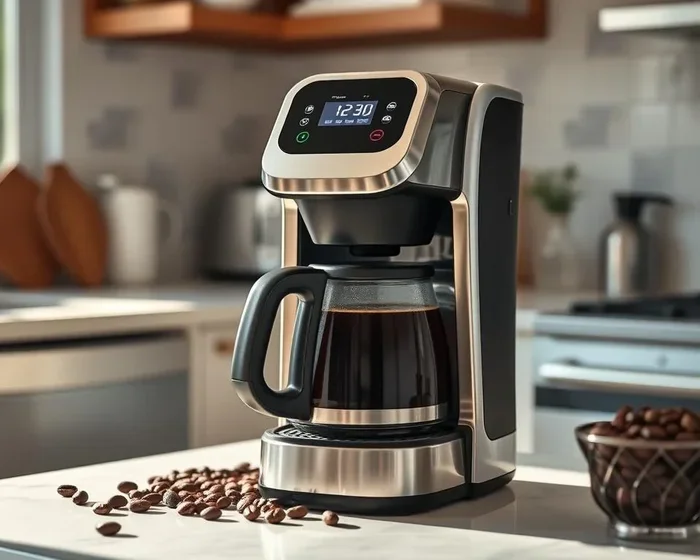
An automatic drip coffee maker is a countertop appliance designed to brew coffee without manual intervention. You add water, place coffee grounds in a filter, press a button, and the machine does the rest. It heats the water to the right temperature and drips it slowly over the grounds. The brewed coffee then flows down into a carafe or pot sitting on a warming plate.
The Basic Concept
The idea behind drip brewing is simple. Hot water passes through ground coffee, extracting flavor and aroma as it drops down. This process is called percolation, and it is the same method used in pour-over coffee. The automatic drip coffee maker simply automates this process so you do not have to stand there pouring water back and forth. It is all done for you.
Other Names You Might Hear
You may hear people call this machine a drip coffee machine, filter coffee maker, or just a drip brewer. Some brands use terms like “programmable coffee maker” when the machine has timer features. No matter what you call it, the basic function stays the same. Water heats up, drips through coffee grounds, and collects in a pot below.
How Does An Automatic Drip Coffee Maker Work?
Understanding how your machine works helps you appreciate the simple engineering behind it. The process happens in a few clear steps, and each one matters for the final taste of your coffee.
Step 1: Water Heating
When you turn on the machine or press the start button, the heating element at the base kicks in. This element warms the water inside the reservoir. Most machines heat water to between 195 and 205 degrees Fahrenheit. This is the ideal range for extracting the best flavor from coffee grounds. Too hot, and the coffee tastes bitter. Too cool, and it tastes weak and flat.
Step 2: Water Distribution
Once the water reaches the right temperature, a tube or channel pushes it upward. The water then flows through a spray head or shower head at the top of the machine. This spreads the water evenly over the coffee grounds in the filter basket. Even distribution is key. If the water misses some grounds, you end up with uneven extraction and a mediocre cup.
Step 3: Dripping and Brewing
As the hot water soaks through the coffee grounds, it picks up oils, flavors, and caffeine. Gravity pulls the brewed coffee down through the filter. The paper or reusable filter catches the grounds while letting the liquid pass through. The coffee then drips into the carafe or pot below. This process usually takes between 5 and 10 minutes depending on the machine and how much coffee you are making.
Step 4: Keeping It Warm
Once brewing is complete, the carafe sits on a heated plate. This warming plate keeps the coffee at a drinkable temperature. Some machines have an auto-off feature that turns the plate off after a set time. This is a safety feature that prevents the coffee from burning or the machine from overheating.
Key Parts of a Drip Coffee Maker
Knowing the parts of your machine helps you use it better and troubleshoot problems. Here are the main components you will find in most models.
Water Reservoir
The water reservoir is where you pour the water before brewing. It is usually located at the back or side of the machine. Most reservoirs have measurement markings so you can add the right amount of water for the number of cups you want. Some machines have removable reservoirs that make filling and cleaning easier.
Filter Basket
The filter basket holds the coffee grounds during brewing. You can use paper filters or permanent reusable filters. Paper filters tend to produce a cleaner cup because they catch more of the oils and fine particles. Reusable metal filters let more of those oils through, which some coffee lovers prefer for a fuller body.
Carafe or Pot
The carafe is the container that holds the finished coffee. Most drip machines come with a glass carafe and a warming plate. Some newer models use thermal carafes that keep coffee hot without a heating plate. Thermal carafes are great because they do not risk burning the coffee over time.
Heating Element
The heating element is the part that warms the water. It sits at the base of the machine and is responsible for both heating the reservoir water and keeping the carafe warm. Over time, mineral deposits can build up on the heating element, which is why regular cleaning matters.
Control Panel
The control panel lets you set your brew strength, timer, and other features. Basic machines have a simple on-off switch. More advanced models include programmable timers, strength settings, and pause-and-pour features that let you grab a cup mid-brew.
Benefits of Using an Automatic Drip Coffee Maker
The automatic drip coffee maker has been a kitchen favorite for decades, and for good reason. Here are the main benefits that make it so popular.
- Convenience: You can set a timer and wake up to fresh coffee every morning. That alone makes the drip machine worth it for many people.
- Ease of Use: There is almost no learning curve. Add water, add grounds, press a button, and wait.
- Consistency: A good machine brews the same quality cup every time. Once you find your preferred ratio of water to grounds, you can trust the results.
- Large Batches: Most drip machines make 10 to 12 cups at once. This makes them perfect for families, offices, or when you have guests over.
- Affordability: You can find a solid drip coffee maker for under $30. Even high-end models rarely cost more than $150.
- Low Maintenance: Compared to espresso machines, drip coffee makers are simple to clean and maintain.
For many households, the drip machine is the go-to choice for daily coffee. It fits seamlessly into a morning routine without any fuss. If you want something that works every time and requires almost no effort, a drip brewer is hard to beat.
Tips for Making the Perfect Cup of Drip Coffee
A good machine only goes so far. The quality of your coffee depends on several factors you can control. Here are some tips to help you get the best results every time.
Use the Right Water Temperature
Water that is too hot will over-extract the coffee and make it bitter. Water that is too cool will under-extract it and leave it weak. Most automatic drip coffee makers handle this for you. But if your machine has a temperature setting, aim for the 195 to 205 degree range. This is the sweet spot for flavor extraction.
Measure Your Coffee Grounds
A good starting point is two tablespoons of coffee per six ounces of water. You can adjust this based on your taste preferences. Too much coffee can make the brew overly strong and harsh. Too little and it will taste watery. A kitchen scale helps you get consistent measurements every time.
Use Fresh, Quality Coffee Beans
The flavor of your coffee starts with the beans. Buy whole beans and grind them just before brewing for the freshest taste. Pre-ground coffee loses its flavor faster, so try to use it within a few weeks of opening the bag. Store your beans in an airtight container away from light and heat.
Clean Your Machine Regularly
Mineral buildup from tap water can affect the taste of your coffee and the performance of your machine. Run a cleaning cycle with white vinegar and water once a month. This removes deposits and keeps the heating element working properly. You should also wash the carafe, filter basket, and reservoir regularly with warm soapy water.
Use the Pause-and-Pour Feature Wisely
Many drip machines have a pause function that lets you remove the carafe mid-brew to pour a cup. While this is convenient, it can sometimes disrupt the brewing cycle. If you notice the coffee tastes off when you do this, try waiting until the full brew cycle finishes before pouring.
Choose the Right Filter
The type of filter you use affects the flavor of your coffee. Paper filters produce a cleaner, brighter cup. They also help remove some of the oils that can make coffee feel heavy. Reusable metal filters let more oils through for a richer, fuller-bodied cup. Choose based on your personal preference.
Common Mistakes People Make With Drip Coffee Makers
Even experienced coffee drinkers make mistakes that affect the taste of their brew. Here are the most common ones to watch out for.
- Using the wrong grind size: Drip coffee works best with a medium grind. Too fine and the coffee will be over-extracted and bitter. Too coarse and it will be weak and sour.
- Not cleaning the machine: Mineral buildup and old coffee oils can make your coffee taste stale. Clean your machine at least once a month.
- Using stale coffee grounds: Coffee loses its flavor quickly after grinding. Always grind fresh beans just before brewing.
- Adding too much water: Overfilling the reservoir dilutes the coffee. Stick to the measurements on the carafe or use a scale.
- Leaving coffee on the warming plate too long: Coffee that sits on a hot plate for more than 20 minutes starts to taste burnt. Pour what you need and store the rest in a thermal carafe.
Avoiding these simple mistakes can make a huge difference in the quality of your daily coffee. Small changes lead to big improvements in taste.
Cleaning and Maintenance Tips
Taking care of your coffee maker extends its life and keeps your coffee tasting great. A clean machine brews better coffee and runs more efficiently.
Start by rinsing the carafe and filter basket after every use. Wash them with warm water and mild dish soap. Once a week, wipe down the exterior and the warming plate with a damp cloth. The warming plate can collect coffee residue that becomes sticky and hard to clean if you let it build up.
For a deeper clean, run a vinegar and water cycle once a month. Fill the reservoir with equal parts white vinegar and water, then run a full brew cycle without coffee grounds. Follow this with two to three cycles of plain water to rinse out any vinegar taste. This process removes mineral deposits and kills bacteria that can grow inside the machine.
It is also a good idea to replace paper filters regularly and check your reusable filter for any damage or clogging. A clogged filter slows down the brewing process and affects the flavor of the coffee.
Some kitchen appliance care tasks are similar across different devices. For example, maintaining a coffee maker shares some principles with oven care. If you ever deal with melted plastic or residue in your oven, cleaning melted plastic out of an oven requires similar gentle but thorough attention. And just like keeping your coffee maker clean, regular oven maintenance prevents bigger problems down the road.
Safety is another important part of appliance care. Leaving any kitchen appliance running unattended can pose risks. Similar to the concern about leaving your oven open, you should never leave your coffee maker running without checking that it is functioning properly. Most modern machines have auto-shutoff features, but it is still wise to double-check before you leave the house.
Finally, when you need to move or adjust your machine, be gentle with the components. Just like putting an oven rack back in requires care to avoid damage, handling your coffee maker parts with attention prevents breakage and keeps everything working smoothly.
Drip Coffee Maker vs Other Brewing Methods
There are many ways to brew coffee, and each method has its own strengths. Here is how the automatic drip coffee maker compares to a few popular alternatives.
| Feature | Drip Coffee Maker | French Press | Pod Machine | Pour-Over |
|---|---|---|---|---|
| Ease of Use | Very Easy | Easy | Very Easy | Moderate |
| Brew Time | 5-10 minutes | 4 minutes | 1-2 minutes | 3-5 minutes |
| Batch Size | 10-12 cups | 2-4 cups | 1 cup at a time | 1-2 cups |
| Control Over Flavor | Medium | High | Low | High |
| Cleanup | Easy | Moderate | Very Easy | Easy |
| Cost | Low to Medium | Low | Low to Medium | Low |
The drip coffee maker strikes a great balance between convenience and quality. It is not the most hands-on method, but it produces reliable results with very little effort. For busy mornings or when you need to brew for a group, it is hard to beat.
Final Thoughts
The automatic drip coffee maker is one of the most practical and dependable kitchen appliances you can own. It takes the guesswork out of coffee brewing and delivers a consistent, satisfying cup every time. Whether you are a coffee novice or a seasoned drinker, this simple machine fits into any routine and budget.
By understanding how it works, using the right ingredients, and keeping it clean, you can enjoy great coffee day after day. The small effort you put into maintaining your machine pays off in better flavor and a longer lifespan. So the next time you press that brew button, you will know exactly what is happening inside the machine and why each step matters.
Make your morning coffee ritual a little more intentional. Pay attention to your water quality, your grind size, and your coffee-to-water ratio. These small details add up to a big difference in every cup. Your automatic drip coffee maker is ready to do its job, and now you know exactly how to help it do its best.
Frequently Asked Questions
Can I use tap water in my automatic drip coffee maker?
Yes, you can use tap water, but filtered water often produces better-tasting coffee. Tap water can contain minerals and chlorine that affect flavor and build up inside the machine over time. Using filtered or bottled water helps keep your coffee tasting clean and your machine running smoothly.
How often should I clean my drip coffee maker?
You should rinse the carafe and filter basket after every use. A deeper clean with vinegar and water should be done once a month. If you notice mineral buildup or a change in coffee taste, clean the machine more frequently. Regular maintenance keeps your coffee tasting fresh and the machine working efficiently.
Can I use regular ground coffee in a drip coffee maker?
Yes, regular ground coffee works perfectly in a drip coffee maker. Use a medium grind for the best results. Avoid using espresso grind, which is too fine, or French press grind, which is too coarse. The right grind size ensures proper extraction and a balanced flavor.
Why does my drip coffee taste bitter?
Bitter coffee usually means the water was too hot or the coffee grounds were too fine. It can also happen if the coffee steeps too long or if you use too much coffee relative to the water. Try using a slightly coarser grind, reducing the brew time, or lowering the water temperature to fix this issue.
Is a programmable coffee maker worth the extra cost?
A programmable coffee maker is worth it if you want the convenience of waking up to fresh coffee. The timer feature lets you set the brew time in advance, so the machine starts automatically. This is especially useful for busy mornings. The extra cost is modest compared to the daily convenience it provides.
How long does a drip coffee maker last?
A well-maintained drip coffee maker typically lasts between 5 and 10 years. The lifespan depends on how often you use it and how well you clean it. Replacing parts like the filter basket and carafe can also extend the life of the machine. Investing in a quality model from the start helps ensure longer durability.
=== CONCLUSION ===
The automatic drip coffee maker is a simple yet essential tool for anyone who loves coffee. It brings convenience, consistency, and great taste to your kitchen with minimal effort. From understanding how the brewing process works to learning the best tips for flavor, this guide has covered everything you need to know.
Now that you understand how your machine operates, you can use it with confidence and get the most out of every brew. Keep it clean, use quality beans and fresh water, and pay attention to the small details. Your morning coffee will taste better, and your machine will last longer. Here is to many more perfect cups of drip coffee in your future.