How Much Caffeine Does Delonghi Coffee Machine Have
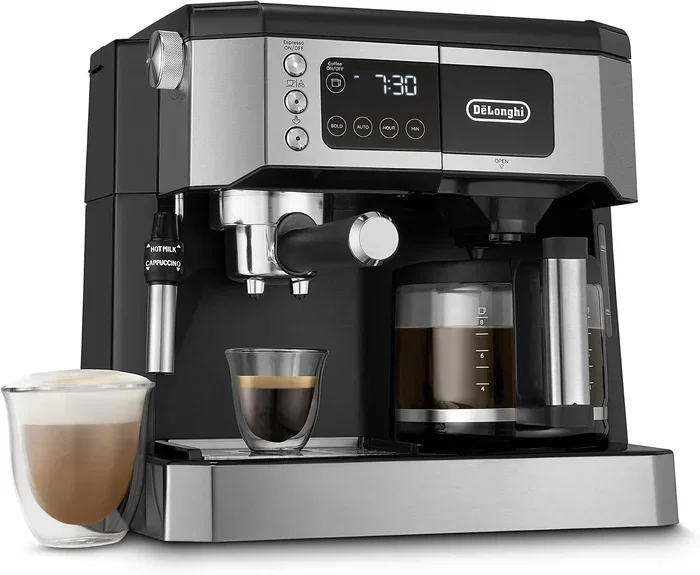
A DeLonghi coffee machine typically produces between 60 and 150 mg of caffeine per cup, depending on the brew type, capsule, and settings you choose. Espresso shots deliver around 60 to 80 mg per serving, while larger drip or lungo programs push caffeine higher. Your bean choice, grind size, and brew strength all play a role in the final caffeine content.
A morning without coffee feels incomplete for most of us. And if you own a DeLonghi coffee machine, you already know the convenience of pulling a fresh cup at home. But here is a question many coffee lovers ask: how much caffeine does a DeLonghi coffee machine actually put in your cup?
The answer is not as simple as a single number. Caffeine content depends on several factors. The brew type you choose matters. The capsule or bean you use matters. Even the cup size and strength setting play a role. In this guide, we break down everything you need to know about caffeine in your DeLonghi machine. You will learn exact numbers per brew style, what affects caffeine levels, and how to tailor your cup to your preferences.
Whether you drink a quick espresso shot or a full mug of drip coffee, this article covers it all. Let us dive in and help you understand your caffeine intake better.
Key Takeaways
- Espresso shots from DeLonghi machines contain roughly 60 to 80 mg of caffeine per single shot.
- Lungo and drip programs can deliver 100 to 150 mg per cup, depending on water volume and brew time.
- Capsule-based DeLonghi machines use pre-measured coffee, so caffeine levels stay consistent across brews.
- Bean selection matters a lot — dark roast, medium roast, and decaf all have very different caffeine levels.
- You can adjust brew strength and cup size on most DeLonghi models to control your caffeine intake.
- Pairing your coffee with breakfast items like dinner rolls or Texas toast can make for a great morning routine.
📑 Table of Contents
- Understanding Caffeine in DeLonghi Coffee Machines
- Caffeine Levels by Brew Type on DeLonghi Machines
- Factors That Affect Caffeine Content in Your Cup
- DeLonghi Machine Models and Caffeine Output
- How to Control Your Caffeine Intake with DeLonghi
- Comparing Caffeine: DeLonghi vs. Other Brewing Methods
- Common Mistakes That Affect Caffeine Levels
- Health Considerations Around Caffeine and Coffee
- Final Thoughts
Understanding Caffeine in DeLonghi Coffee Machines
DeLonghi makes several types of coffee machines. Each one brews coffee differently. And different brewing methods extract different amounts of caffeine. Before we get into specific numbers, let us look at the big picture.
A standard single espresso shot from a DeLonghi machine contains about 60 to 80 mg of caffeine. A double shot roughly doubles that. But when you move to lungo, drip, or large mug programs, the caffeine content rises. A full mug of drip-style coffee can deliver anywhere from 100 to 150 mg per serving.
These numbers come from average testing. Your actual cup may vary. The type of coffee you use, how finely it is ground, and the water temperature all affect extraction. More extraction generally means more caffeine in your cup.
What Is Caffeine and Why Does It Matter?
Caffeine is a natural stimulant found in coffee beans, tea leaves, and cacao. It works by blocking adenosine, a chemical in your brain that makes you feel tired. That is why coffee gives you energy. Most healthy adults can safely consume up to 400 mg of caffeine per day. That is roughly four cups of brewed coffee. But individual tolerance varies a lot.
Knowing how much caffeine your DeLonghi coffee maker produces helps you stay within safe limits. It also helps you avoid overdoing it in the afternoon or evening.
Caffeine Levels by Brew Type on DeLonghi Machines
DeLonghi machines offer multiple brew options. Each option produces a different volume and extraction time. And that directly impacts caffeine content. Let us walk through each brew type.
Single Espresso
A single espresso shot is the most popular choice for DeLonghi owners. It uses about 7 grams of coffee grounds and 25 to 30 ml of water. The short extraction time of around 25 seconds pulls out a concentrated shot. A single espresso contains approximately 60 to 80 mg of caffeine. This makes it a great quick pick-me-up without too much volume.
If you make your espresso using quality beans and a fine grind, you will get consistent caffeine levels. You can also learn more about making perfect espresso with your machine to get the best results every time.
Double Espresso
A double espresso uses about 14 grams of coffee and 50 to 60 ml of water. The caffeine content roughly doubles. You can expect around 120 to 160 mg of caffeine per double shot. This is a strong option for those who need a bigger boost. Many DeLonghi models let you select a double espresso program with just the push of a button.
Lungo
A lungo is a longer extraction shot. It uses more water than a standard espresso, typically around 50 to 60 ml. Because more water passes through the grounds, it extracts more caffeine. A lungo can contain 80 to 100 mg of caffeine. The flavor is milder than espresso but stronger than drip coffee. It is a nice middle-ground option for those who want a larger cup without switching to a full drip program.
Drip and Mug Programs
DeLonghi bean-to-cup machines often include drip or mug programs. These brew larger volumes of coffee, usually 150 to 250 ml. The longer contact time with water extracts more caffeine from the grounds. A standard mug of drip coffee from a DeLonghi machine contains about 100 to 150 mg of caffeine. The exact amount depends on the cup size you select and the coffee strength setting.
If you prefer a milder cup, you can reduce the strength setting. This will lower the caffeine content slightly. It also changes the flavor profile, making it smoother and less intense.
Americano
An Americano combines espresso with hot water. The caffeine content depends on how many espresso shots you use and how much water you add. A standard Americano with a single shot contains about 60 to 80 mg of caffeine. If you use a double shot, that number jumps to 120 to 160 mg. The water dilutes the flavor but does not reduce the caffeine from the espresso itself.
Factors That Affect Caffeine Content in Your Cup
Not every cup of coffee from your DeLonghi machine will have the same caffeine level. Several factors come into play. Understanding these helps you control your caffeine intake more precisely.
Coffee Bean Type and Roast
The type of coffee bean you use has a big impact. Robusta beans contain nearly twice the caffeine of Arabica beans. So if you switch to a Robusta blend, expect a stronger caffeine kick. Roast level also plays a role, though it is less straightforward. Dark roast beans lose some mass during roasting, which means slightly less caffeine per gram. But because dark roasts are often brewed with more grounds, the difference is small in practice.
Grind Size
Finer grinds expose more surface area to water. This leads to faster and more complete extraction. More extraction means more caffeine in your cup. If you use a very fine grind for your espresso, you will likely extract more caffeine than with a coarser grind. DeLonghi machines work best with a consistent, fine-to-medium grind.
Brew Time and Water Temperature
Longer brew times and hotter water extract more caffeine. Espresso machines use high pressure and short brew times, which limits extraction. Drip programs use longer contact times, which increases it. Water temperature also matters. If your machine runs too cool, it may under-extract, resulting in less caffeine. If it runs too hot, it can over-extract and pull out bitter compounds along with the caffeine.
Coffee Strength Settings
Most DeLonghi models include a strength selector. This setting adjusts the amount of coffee used per brew and sometimes the extraction time. A stronger setting uses more grounds and pulls a longer shot. This naturally increases caffeine content. A milder setting does the opposite. Playing with this feature is one of the easiest ways to control how much caffeine you consume.
Capsule vs. Bean-to-Cup
DeLonghi machines that use capsules offer a different caffeine dynamic. Capsules contain pre-measured coffee with a fixed caffeine level. This means every cup from the same capsule is consistent. Bean-to-cup machines, on the other hand, let you adjust grind size, coffee amount, and brew strength. This gives you more control but also more variability in caffeine content from cup to cup.
DeLonghi Machine Models and Caffeine Output
Different DeLonghi models handle brewing differently. Here is a quick look at how popular lines compare.
DeLonghi Magnifica Series
The Magnifica line is a favorite among home users. These bean-to-cup machines offer adjustable strength settings and multiple brew sizes. A single espresso on the Magnifica delivers about 60 to 80 mg of caffeine. The drip and mug programs push that to 100 to 150 mg depending on your settings.
DeLonghi Dinamica Series
The Dinamica series is a super automatic machine. It grinds, tamps, and brews with minimal input. Caffeine levels are consistent because the machine controls every variable. A single espresso produces around 65 to 75 mg of caffeine. The lungo and mug settings can reach 100 to 130 mg per cup.
DeLonghi Dedica Series
The Dedica line is a compact espresso machine. It focuses on quality espresso shots. Caffeine output is similar to other DeLonghi espresso machines. A single shot gives you about 60 to 80 mg. The Dedica also supports lungo and double shots for higher caffeine levels.
DeLonghi Nescafé Dolce Gusto
The Dolce Gusto line uses capsules. Caffeine content varies by capsule type. A standard espresso capsule contains about 60 to 80 mg. A lungo capsule pushes to 80 to 100 mg. A large mug capsule can deliver 100 to 130 mg. The capsule format makes caffeine levels predictable and easy to track.
How to Control Your Caffeine Intake with DeLonghi
One of the best things about owning a DeLonghi machine is the control it gives you. You can tailor every cup to your caffeine preferences. Here are some practical tips.
- Choose a single espresso for a low-caffeine option. It gives you about 60 to 80 mg without a large volume of liquid.
- Use the strength selector on the mild side if you want less caffeine. This reduces the amount of coffee used per brew.
- Switch to decaf beans for your evening cup. Decaf still contains a small amount of caffeine, usually 2 to 5 mg per shot, but it is negligible for most people.
- Opt for Arabica beans over Robusta. Arabica has about half the caffeine content of Robusta.
- Stick to smaller cup sizes for espresso-based drinks. A single shot contains less caffeine than a lungo or mug program.
- Track your capsules if you use a Dolce Gusto model. Each capsule type lists caffeine content on the packaging.
These simple adjustments let you enjoy your coffee while staying in control of your caffeine. You do not need to give up your favorite machine. You just need to be mindful of your choices.
Comparing Caffeine: DeLonghi vs. Other Brewing Methods
It helps to see how your DeLonghi machine stacks up against other popular brewing methods. Here is a quick comparison table.
- DeLonghi Espresso (single shot): 60 to 80 mg
- DeLonghi Drip/Mug program: 100 to 150 mg
- French Press: 80 to 135 mg per 8 oz cup
- Drip Coffee Maker: 80 to 120 mg per 8 oz cup
- AeroPress: 50 to 100 mg per serving
- Cold Brew: 100 to 200 mg per 8 oz cup
As you can see, DeLonghi machines fall right in the middle of the range. Your espresso shots are on the lower end per volume, but your drip programs are comparable to a standard drip coffee maker. The convenience of a DeLonghi machine does not come at the cost of caffeine control.
For those who enjoy pairing their coffee with a warm breakfast, warming up dinner rolls in the oven or making Texas toast makes for a perfect morning combo with your freshly brewed cup.
Common Mistakes That Affect Caffeine Levels
Even experienced DeLonghi users can make mistakes that throw off their caffeine game. Here are a few to watch out for.
- Using old or stale coffee beans. Stale beans extract less caffeine because the compounds have degraded. Always use fresh beans for consistent results.
- Skipping the grinder calibration. If your machine has a built-in grinder, make sure it is set correctly. Too coarse means under-extraction and less caffeine.
- Not cleaning the machine regularly. Oil buildup and mineral deposits can affect water temperature and pressure. This changes extraction and caffeine output over time.
- Ignoring the water reservoir temperature. If your machine does not heat water properly, it will under-extract the coffee. This leads to weaker flavor and less caffeine.
- Using the wrong capsule type. Not all capsules are created equal. Some contain more coffee and therefore more caffeine. Always check the label.
Avoiding these mistakes keeps your caffeine levels consistent and your coffee tasting great every time.
Health Considerations Around Caffeine and Coffee
Moderate coffee consumption is generally safe for most adults. The FDA recommends keeping caffeine intake under 400 mg per day. That is about four to five cups of coffee from your DeLonghi machine. But some people are more sensitive to caffeine than others.
Pregnant women should limit caffeine to 200 mg per day. People with anxiety or heart conditions should also be cautious. If you are unsure, talk to your doctor about your caffeine habits.
One thing to keep in mind is that caffeine affects everyone differently. Your body weight, metabolism, and tolerance all play a role. Someone who drinks coffee every day may need more caffeine to feel the same effects as a casual drinker. Listening to your body is just as important as tracking numbers.
If you ever feel jittery, restless, or have trouble sleeping after drinking coffee, it may be a sign that you are consuming too much. Scaling back your brew size or switching to decaf in the afternoon can help a lot.
Final Thoughts
So, how much caffeine does a DeLonghi coffee machine have? The answer is it depends on how you brew. A single espresso gives you about 60 to 80 mg. A double shot reaches 120 to 160 mg. A lungo or drip mug can deliver 100 to 150 mg. And decaf options bring the caffeine down to nearly zero.
The beauty of a DeLonghi machine is the control it puts in your hands. You decide the brew type, the strength, and the cup size. That means you decide how much caffeine goes into your body. Whether you are a light drinker or someone who needs a strong morning boost, there is a DeLonghi setting that works for you.
Next time you brew a cup, take a moment to think about what you are drinking. Check your settings. Consider your bean choice. And enjoy your coffee knowing exactly what you are getting. A great cup of coffee is not just about flavor. It is also about making the right choice for your body and your day.
Frequently Asked Questions
How much caffeine is in a DeLonghi espresso shot?
A single espresso shot from a DeLonghi machine contains approximately 60 to 80 mg of caffeine. A double shot roughly doubles that amount to 120 to 160 mg. The exact number depends on the bean type, grind size, and extraction time.
Does DeLonghi decaf coffee have zero caffeine?
No, decaf coffee is not completely caffeine-free. A DeLonghi decaf espresso shot typically contains 2 to 5 mg of caffeine. While this is a tiny amount, it is not zero. If you are extremely sensitive to caffeine, keep this in mind.
Which DeLonghi machine produces the most caffeine?
The DeLonghi models with larger mug and drip programs tend to produce the most caffeine per cup. A full mug program on a bean-to-cup machine can deliver 100 to 150 mg per serving. The capsule-based Dolce Gusto line also offers large mug capsules with higher caffeine content.
Can I reduce the caffeine in my DeLonghi coffee?
Yes, you can. Choose a single espresso over a lungo or mug program. Use the mild strength setting. Switch to Arabica beans instead of Robusta. And for the lowest caffeine option, use decaf beans or capsules.
How does capsule caffeine compare to bean-to-cup caffeine?
Capsules contain pre-measured coffee with a fixed caffeine level, so every cup is consistent. Bean-to-cup machines give you more control over grind size, coffee amount, and brew strength, which can lead to more variation in caffeine content from cup to cup.
Is it safe to drink coffee from a DeLonghi machine every day?
Yes, for most healthy adults, drinking coffee daily is safe. The FDA recommends staying under 400 mg of caffeine per day. A DeLonghi machine makes it easy to track your intake since you know exactly what goes into each cup. Just be mindful of your total consumption throughout the day.