Can You Run Milk Through A Coffee Maker Without Problems
Running milk through a coffee maker is possible but comes with real risks. Most standard drip coffee makers are not designed to handle milk, which can cause clogging, burning, and bacterial growth. However, espresso machines with steam wands and certain pod systems allow you to heat or froth milk safely. Understanding how your specific machine works is the key to avoiding damage and getting great results.
This is a comprehensive guide about Can You Run Milk Through A Coffee Maker.
Key Takeaways
- Most drip coffee makers should not be used with milk: The heating elements and internal tubing are not designed for dairy.
- Espresso machines handle milk much better: Steam wands and milk pods are built specifically for dairy use.
- Milk residue breeds bacteria fast: Any milk left inside a coffee maker can spoil quickly and create health risks.
- Cleaning is critical after every use: Thorough rinsing and deep cleaning prevent buildup and extend your machine’s lifespan.
- Alternatives exist: Milk pods, frothers, and pre-heated milk offer safer ways to enjoy milky coffee.
- Running milk can void your warranty: Many manufacturers explicitly warn against using milk in non-dairy-rated machines.
[FEATURED_IMAGE_PLACEHOLDER]
Can You Run Milk Through A Coffee Maker?
You have a carton of milk sitting on the counter and a coffee maker sitting on the counter too. It is tempting to just pour the milk in and let the machine do the work. But before you do, you need to know the answer to a very important question: can you run milk through a coffee maker without causing damage?
The short answer is: it depends on the type of coffee maker you own. Some machines can handle milk just fine. Others will clog, burn, or even break down if you pour dairy into them. In this guide, we will walk through everything you need to know about running milk through a coffee maker. You will learn which machines are safe, which are not, and how to get the best results every time.
Many people assume all coffee makers work the same way. That is simply not true. A drip coffee maker operates very differently from an espresso machine. A single-serve pod system works differently than a French press. Each type of machine has its own design, its own parts, and its own limits. Understanding these differences is the first step toward using milk safely.
It is also worth noting that why does instant coffee make me poop is a different topic entirely, but it does remind us that how we prepare coffee matters. The method you use changes everything about the final cup. And when milk enters the picture, the method becomes even more important.
What Happens When You Run Milk Through A Coffee Maker
Before you try anything, it helps to understand what is actually happening inside your machine when milk goes in. Milk is not just water with a different taste. It is a complex mixture of water, fats, proteins, and sugars. Each of these components behaves differently when heated, and some of them cause serious problems for coffee makers.
The Heating Element Problem
Most drip coffee makers use a heating element at the bottom of the water reservoir. This element heats water to a specific temperature and then pushes it through the coffee grounds. When you pour milk into this system, the proteins in the milk denature when exposed to high heat. This means they unfold and clump together. The result is a thick, sticky residue that coats the inside of your machine.
Over time, this residue builds up. It clogs tubes, coats the heating element, and creates a breeding ground for bacteria. Unlike water, which flows through and leaves almost nothing behind, milk leaves behind a film that is very difficult to remove.
Clogging and Blockages
The internal tubing of a coffee maker is narrow by design. Water flows through easily because it is thin and runny. Milk is thicker. It moves more slowly and leaves behind traces even after a single use. When you repeat this process over days or weeks, those traces accumulate into blockages.
A clogged coffee maker will not brew properly. You may notice slow drip rates, uneven brewing, or complete failure to draw water. In severe cases, the blockage can cause the machine to overheat or stop working entirely. Repairing or replacing a coffee maker is expensive, and it is entirely preventable.
Bacterial Growth and Spoilage
This is the most serious risk of all. Milk is an organic substance that spoils quickly when exposed to warmth. When you run milk through a coffee maker, some of it inevitably gets trapped in warm, dark places. The tubing, the reservoir, and the spray head all provide ideal conditions for bacterial growth.
Even if you rinse the machine after use, microscopic milk proteins can remain. These residues feed bacteria and create odors and flavors that are unpleasant at best and potentially harmful at worst. This is why thorough cleaning is absolutely essential if you ever do use milk in a coffee maker.
Why Most Coffee Makers Are Not Designed For Milk
Coffee makers are engineering marvels, but they are designed with a specific purpose in mind. That purpose is to heat water and push it through ground coffee. They are not designed to process dairy products. Understanding why this matters helps you make better decisions about what to put in your machine.
Think of it this way. You would not put a candle in the oven, even though both items exist in a kitchen. Each kitchen appliance has a specific function, and using it outside that function can lead to problems. The same logic applies to coffee makers and milk. The machine is built for water, not dairy.
Manufacturers design coffee makers with materials that resist water and coffee oils. They do not always account for the proteins and fats found in milk. The gaskets, seals, and tubing may degrade faster when exposed to dairy. Over time, this can lead to leaks, reduced performance, and ultimately machine failure.
Some manufacturers explicitly state in their user manuals that milk should never be put into the machine. Running milk through a coffee maker that is not rated for dairy use may void your warranty. This means if something breaks, you will have to pay for repairs or replacement out of your own pocket.
Which Coffee Makers Can Handle Milk
Not all hope is lost if you love milky coffee. Several types of coffee makers are specifically designed to handle milk. These machines have features and components that make dairy use safe and effective.
Espresso Machines With Steam Wands
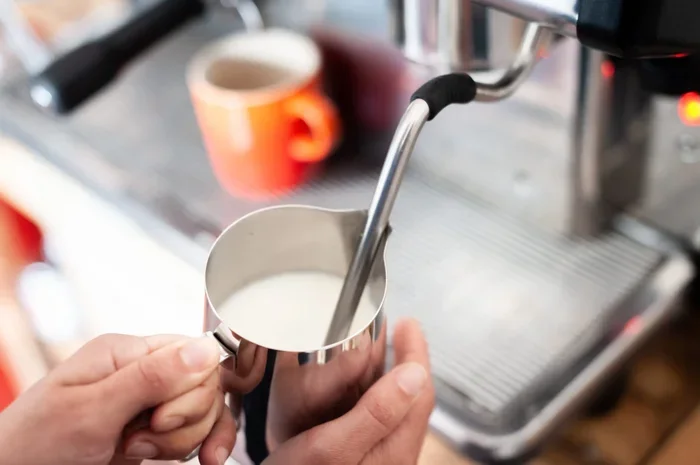
Espresso machines are the gold standard for milk-based coffee drinks. They come equipped with steam wands that heat and froth milk separately from the brewing process. The milk never touches the internal plumbing of the machine. You pour it into a pitcher, steam it, and then add it to your espresso shot.
This method gives you the most control over the texture and temperature of your milk. You can create latte art, adjust froth density, and heat milk to your exact preference. If you want to enjoy milk-based coffee drinks at home, an espresso machine with a steam wand is the best option.
Coffee Makers With Built-In Milk Systems
Some modern coffee makers come with built-in milk systems. These machines have dedicated compartments for milk that are separate from the water reservoir. The milk is heated and dispensed through a separate pathway that is specifically designed for dairy.
Brands like DeLonghi, Jura, and Nespresso offer machines with these types of systems. They are more expensive than standard drip coffee makers, but they are built to handle milk safely. If you drink cappuccinos or lattes regularly, one of these machines is a worthwhile investment.
Single-Serve Pod Systems With Milk Options
Single-serve machines like Nespresso and Keurig have expanded their product lines to include milk-related accessories. Nespresso, for example, offers milk pods that you can use with their machines. Keurig has milk k-cups and frother attachments. These systems allow you to enjoy milky coffee without running actual milk through the machine’s internal components.
These are convenient options, but they do come with limitations. The milk flavor is often less rich than fresh steamed milk. And the pods create additional waste. Still, for many people, the convenience outweighs these drawbacks.
How To Safely Use Milk In Your Coffee Maker
If you have determined that your coffee maker can handle milk, or if you are using a machine with a dedicated milk system, there are still best practices you should follow. These tips will help you get great results while protecting your machine.
Use Fresh Milk Every Time
Never reuse milk that has already been through a coffee maker. Once milk has been heated and flowed through tubing, it should be discarded. Fresh milk tastes better and poses fewer bacterial risks. Pour only what you need for a single serving.
Heat Milk Separately When Possible
Even with machines that can handle milk, it is often better to heat the milk separately. You can warm it on the stove or in the microwave before adding it to your coffee. This reduces the strain on your coffee maker and gives you more control over the temperature.
Many baristas recommend this approach. Heating milk separately also reduces the risk of scorching, which can create a burnt taste and leave residue inside the machine.
Clean Immediately After Every Use
This cannot be stressed enough. If milk touches any part of your coffee maker, you need to clean it right away. Do not let milk sit in the reservoir or tubing overnight. The longer it sits, the harder it is to remove and the greater the risk of bacterial growth.
Run a cycle of plain water through the machine after using milk. Then wipe down all removable parts with warm soapy water. For a deeper clean, run a cycle with a mixture of water and white vinegar. This helps dissolve any milk residue that may have been left behind.
Follow Your Machine’s Manual
Every coffee maker comes with a user manual. Before using milk in any machine, read the manual carefully. Look for any warnings or instructions about dairy use. If the manual says not to use milk, follow that guidance. Ignoring manufacturer instructions can lead to damage and void your warranty.
Cleaning And Maintenance After Using Milk
Cleaning a coffee maker after milk use requires more effort than a standard water-only cleaning. Milk leaves behind proteins and fats that water alone cannot always remove. A proper cleaning routine is essential for keeping your machine in good working order.
Start by disassembling all removable parts. This includes the water reservoir, the filter basket, and any drip trays. Wash each part with warm water and mild dish soap. Pay special attention to any areas where milk residue is visible.
Next, run a cleansing cycle through the machine. Fill the reservoir with equal parts water and white vinegar. Run the machine through a full brew cycle without coffee grounds. The vinegar helps break down milk proteins and dissolve mineral buildup. After the cycle is complete, run two more cycles with plain water to rinse out any vinegar taste.
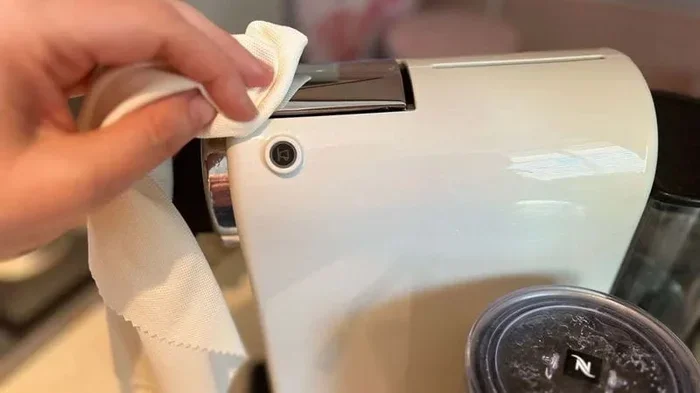
For machines with steam wands, wipe the wand immediately after use while it is still warm. Milk proteins stick to metal surfaces and harden quickly. A quick wipe with a damp cloth prevents buildup. Deep clean the steam wand weekly by steaming a mixture of water and vinegar through it.
Regular maintenance keeps your coffee maker running smoothly and ensures that your coffee tastes great. A well-maintained machine can last for years, while a neglected one may fail within months.
Common Mistakes People Make With Milk And Coffee Makers
Even well-meaning coffee lovers make mistakes when it comes to using milk with their machines. Learning from these common errors can save you time, money, and frustration.
Pouring Milk Into the Water Reservoir
This is the most common mistake. The water reservoir is designed for water, not milk. Pouring milk directly into the reservoir is the fastest way to clog and contaminate your machine. Always use the designated milk compartment if your machine has one, or heat milk separately.
Leaving Milk Residue Overnight
Some people brew a milky coffee in the morning and leave the remaining milk in the machine until the next day. This is a terrible idea. Milk spoils quickly, and the residue left behind can cause odors, bacterial growth, and machine damage. Always empty and clean the machine after each use.
Using Milk As A Replacement For Water
Some people think they can replace water with milk entirely and let the coffee maker do all the work. This is not how drip coffee makers are designed to function. The result is usually a burnt, curdled mess that ruins both the coffee and the machine.
Ignoring Warning Signs
If your coffee maker starts making unusual noises, brewing more slowly, or producing a strange smell, pay attention. These are warning signs that something is wrong. Continuing to use the machine without addressing the issue can lead to permanent damage.
Alternatives To Running Milk Through A Coffee Maker
If your coffee maker is not designed for milk, you still have plenty of options for enjoying creamy, milky coffee. These alternatives are safer for your machine and often produce better results.
A milk frother is a standalone device that heats and froths milk independently. You can buy a handheld frother for just a few dollars. Simply pour in cold milk, press the button, and in seconds you have frothy milk ready for your coffee. This is the simplest and most affordable alternative.
You can also heat milk on the stove or in the microwave and add it to your freshly brewed coffee. This gives you full control over the temperature and amount of milk. Many coffee enthusiasts prefer this method because it produces a cleaner, more flavorful result.
If you enjoy the convenience of pod machines, look for models that offer milk pods or frother attachments. These accessories let you add milk to your coffee without running dairy through the machine’s internal components. The result is a satisfying milky coffee with minimal cleanup.
Another option is to use plant-based milk alternatives. Oat milk, almond milk, and coconut milk are less likely to cause buildup and spoilage than dairy milk. They also steam and froth well, making them excellent choices for milky coffee drinks.
Conclusion
Can you run milk through a coffee maker? The answer is nuanced. Some machines can handle it, and some cannot. The key is understanding your specific machine and using it as the manufacturer intended. Running milk through a standard drip coffee maker is risky and often not worth the convenience.
If you love milky coffee, invest in a machine that is designed for dairy use, or use a separate frother or heating method. Clean your machine thoroughly after any milk contact, and always follow the manufacturer’s guidelines. These simple steps will keep your coffee maker running smoothly and your coffee tasting great.
The effort you put into caring for your machine pays off in the long run. A well-maintained coffee maker delivers better-tasting coffee, lasts longer, and saves you money on repairs and replacements. Treat your machine right, and it will treat you right back.
Frequently Asked Questions
Can I put milk in a Keurig coffee maker?
Keurig machines are designed to use water, not milk. You should not pour milk into the water reservoir of a Keurig. Instead, heat your milk separately and add it to your cup after brewing. Keurig also sells milk frothers and accessories that make this process easy and convenient.
What happens if milk gets into the coffee maker tubing?
Milk left in the tubing can curdle, scorch, and create blockages. The proteins in milk stick to the walls of the tubing and build up over time. This can restrict water flow, reduce brewing performance, and eventually cause the machine to fail. Thorough cleaning is essential if milk ever enters the tubing.
Is it safe to drink coffee made with milk left in the machine?
No, it is not safe. Milk that has been sitting in a warm coffee maker can spoil quickly and harbor harmful bacteria. Always use fresh milk and discard any milk that has been through the machine. Drinking coffee made with spoiled milk can cause stomach upset and other health issues.
Can I use a milk pod instead of regular milk in my coffee maker?
Yes, milk pods are a safe and convenient alternative. They are specifically designed for use with pod coffee makers and do not require running liquid milk through the machine’s internal components. Milk pods come in various flavors and types, including oat, whole, and skim options.
How often should I clean my coffee maker if I use milk?
You should clean your coffee maker after every single use if milk has touched any part of the machine. A quick rinse of removable parts and a water-only cycle helps prevent buildup. A deeper clean with vinegar should be performed weekly to keep the machine in optimal condition.
Can I use almond milk or oat milk in my coffee maker instead of dairy milk?
Plant-based milks like almond milk and oat milk are slightly less problematic than dairy milk, but they still should not be run through a standard drip coffee maker. These milks can also leave residue and cause blockages. Heat them separately and add them to your cup for the best results and safest machine operation.
Frequently Asked Questions
What is Can You Run Milk Through A Coffee Maker?
Can You Run Milk Through A Coffee Maker is an important topic with many practical applications.