How Fine Should I Grind My Coffee for the Best Flavor
Getting the right grind size is the single most important step in making great coffee at home. How fine should I grind my coffee depends entirely on your brewing method, and using the wrong size can ruin even the best beans. This guide breaks down every grind level, matches each to the perfect brewing method, and shares practical tips to help you brew better coffee every single day.
Key Takeaways
- Grind size controls flavor: The finer you grind, the more surface area is exposed, which changes how water extracts flavors from your beans.
- Match grind to method: French press needs coarse grounds, espresso needs fine grounds, and drip coffee works best with a medium grind.
- Invest in a burr grinder: Burr grinders give you consistent particle sizes, which leads to a much better and more balanced cup of coffee.
- Avoid common mistakes: Using pre-ground coffee for too long, grinding too fine for your method, or skipping cleaning can all hurt your coffee taste.
- Freshness matters: Grind your beans just before brewing for the best flavor and aroma every time.
📑 Table of Contents
Understanding Coffee Grind Size
Coffee grind size might seem like a small detail. But it has a huge impact on how your coffee tastes. If you have ever wondered why your home-brewed coffee tastes bitter or weak, the grind size is probably the reason. How fine should I grind my coffee is one of the first questions every coffee lover should answer. The size of your coffee grounds controls how fast water flows through them and how much flavor gets pulled out.
Think of it this way. A big chunk of coffee takes longer for water to penetrate. A tiny powder gets soaked almost instantly. This difference changes everything about your brew. Too fine, and your coffee turns bitter and over-extracted. Too coarse, and it tastes weak and sour. Getting the right size is the sweet spot that brings out the best in every bean.
Why Grind Size Matters
When hot water touches coffee grounds, it pulls out oils, acids, and sugars. This process is called extraction. The speed and depth of extraction depend on how much surface area the grounds have. Finer grinds create more surface area. That means water extracts flavors faster and more completely.
Coarser grinds slow things down. Water flows around bigger particles and takes longer to pull out flavor. This is why the French press, which steeps grounds for several minutes, uses a coarse size. The long contact time would over-extract fine grounds and make the coffee taste harsh.
The Science Behind Extraction
Extraction has a sweet spot. Coffee professionals call it the “golden ratio” of extraction. It is usually between 18 and 22 percent. When you hit this range, your coffee tastes balanced. It has sweetness, acidity, and body all working together.
If you go below 18 percent, your coffee is under-extracted. It tastes sour, thin, and flat. If you go above 22 percent, it is over-extracted. It tastes bitter, harsh, and dry. Your grind size is the main lever you use to hit that sweet spot. Get it right, and everything else falls into place.
The Different Grind Sizes Explained
Not all coffee grinds are the same. There are several distinct sizes, and each one serves a specific purpose. Knowing what they look and feel like helps you choose the right one every time.
Extra Coarse Grind
Extra coarse grounds look like rough sea salt or even bigger chunks. They are the largest grind size you will find. This size is used for very slow brewing methods where the water stays in contact with the grounds for a long time. Cold brew coffee often calls for an extra coarse grind because the steeping process can take 12 to 24 hours.
Coarse Grind
A coarse grind resembles sea salt or kosher salt. It is the standard choice for French press coffee. The large particles let water flow through freely while still extracting enough flavor during the four-minute steep. Coarse grounds also settle to the bottom of the French press more easily, which makes pouring cleaner and smoother.
Medium Grind
Medium grind is the most common size for home coffee makers. It looks like sand or regular table salt. Drip coffee machines and pour-over brewers work best with this size. The grounds are small enough to extract flavor properly but large enough to slow the water down just enough for a full-bodied cup.
Fine Grind
Fine grounds are smooth and powdery, similar to the texture of powdered sugar. Espresso machines rely on fine grinds because they force hot water through the coffee at high pressure. The short contact time needs the extra surface area that fine grounds provide to pull out rich, concentrated flavor.
Extra Fine Grind
Extra fine grounds are even finer than flour. They look almost like cocoa powder. Turkish coffee uses this size because the grounds actually stay in the cup and settle at the bottom. This is the finest grind you will typically use, and it requires special equipment and technique to brew properly.
How Fine Should I Grind My Coffee for Each Brewing Method
Now that you know the different sizes, let us match them to your favorite brewing method. How fine should I grind my coffee changes depending on how you brew. Here is a simple breakdown for every common method.
French Press
Use a coarse grind for your French press. The grounds should look like sea salt. A coarse size prevents tiny particles from slipping through the metal filter and into your cup. It also ensures the coffee does not turn bitter during the four-minute steep. If your French press coffee tastes muddy or gritty, try grinding a little coarser next time.
Drip Coffee Maker
A medium grind works best for drip machines. The water drips through a basket of grounds over several minutes. Medium grounds give the water enough time to extract flavor without clogging the filter. If your coffee tastes weak, try grinding a touch finer. If it tastes bitter, go a little coarser.
Pour Over
Pour-over brewers like the Hario V60 or Chemex also work well with a medium grind. Some pour-over fans prefer a medium-fine setting for slower, more controlled brewing. The key is to let water flow steadily through the grounds. Too coarse, and the water rushes through without extracting enough flavor. Too fine, and the water pools on top and over-extracts the coffee.
Espresso Machine
Espresso demands a fine grind. The pressurized water needs small particles to extract flavor quickly, usually in 25 to 30 seconds. If your espresso tastes sour or watery, the grind may be too coarse. If it tastes bitter and slow, try a coarser setting. Dialing in your espresso grind takes practice, but it is one of the most rewarding skills to develop.
AeroPress
The AeroPress is flexible. You can use a medium to fine grind depending on your recipe. Most AeroPress methods work best with a medium-fine size, similar to the texture of table salt. The short brew time and pressure from the plunger mean the grind does not need to be as fine as espresso, but finer than drip coffee.
Choosing the Right Grinder
The grinder you use matters just as much as the size you pick. Not all grinders are created equal, and the type you choose affects the consistency of your grounds.
Burr Grinder vs. Blade Grinder
Burr grinders crush beans between two abrasive surfaces. This creates a much more uniform particle size. Every ground coffee piece is close to the same size, which means even extraction and a balanced cup. How fine should I grind my coffee is easier to control with a burr grinder because you can adjust the setting precisely.
Blade grinders, on the other hand, chop beans with a spinning blade. The result is inconsistent. Some pieces are powder-fine, while others are almost whole beans. This uneven size leads to uneven extraction. Some parts of your coffee taste over-extracted and bitter, while others taste under-extracted and sour. For the best results, a burr grinder is the clear winner.
Adjusting Your Grind Setting
Most burr grinders have a dial or dial-like knob that lets you adjust the size. Turning it one way makes the grind finer. Turning it the other way makes it coarser. Start with the setting recommended for your brewing method, then make small adjustments based on taste. If your coffee tastes too bitter, go one step coarser. If it tastes too sour, go one step finer.
Keep in mind that different beans need different settings. Dark roasts are more brittle and grind finer at the same setting than light roasts. Oily beans can clog grinders, so you may need a slightly coarser setting. Experimentation is part of the fun of making great coffee at home.
Common Mistakes to Avoid
Even experienced coffee lovers make mistakes with grind size. Here are the most common ones and how to fix them.
- Using pre-ground coffee for too long. Ground coffee starts losing flavor within 15 to 30 minutes of grinding. The oils evaporate and the aroma fades. For the best taste, grind your beans right before brewing.
- Grinding too fine for your method. This is the number one mistake people make. A fine grind in a French press makes the coffee gritty and bitter. Always match the grind to the brew method.
- Ignoring your grinder settings. Every grinder is different. The “fine” setting on one machine may not match the “fine” setting on another. Learn what your specific grinder’s numbers mean through trial and error.
- Not cleaning your grinder. Old coffee oils build up inside the grinder over time. These stale oils add a rancid flavor to fresh grounds. Clean your grinder regularly for the best taste.
- Using the wrong amount of coffee. Grind size is only one part of the equation. If you use too little coffee, even a perfect grind will taste weak. Stick to a ratio of about two tablespoons of coffee per six ounces of water.
One more thing worth mentioning. If you ever spill coffee grounds on kitchen surfaces, a simple cleaning trick can help. A dishwasher tablet works wonders on stuck-on residue without the need for heavy scrubbing. Just check out how to clean oven with dishwasher tablet without scrubbing for a method that works on many kitchen surfaces. Keeping your workspace clean makes the whole coffee-making process more enjoyable.
Tips for Perfect Coffee Every Time
Great coffee comes from a combination of good beans, the right grind, and proper technique. Here are some practical tips to help you brew the best cup possible.
- Buy whole beans. Whole beans stay fresh longer than pre-ground coffee. Look for roast dates on the bag and try to use beans within two to four weeks of roasting.
- Store beans properly. Keep your beans in an airtight container away from light and heat. Do not store them in the freezer unless you are freezing them in small portions.
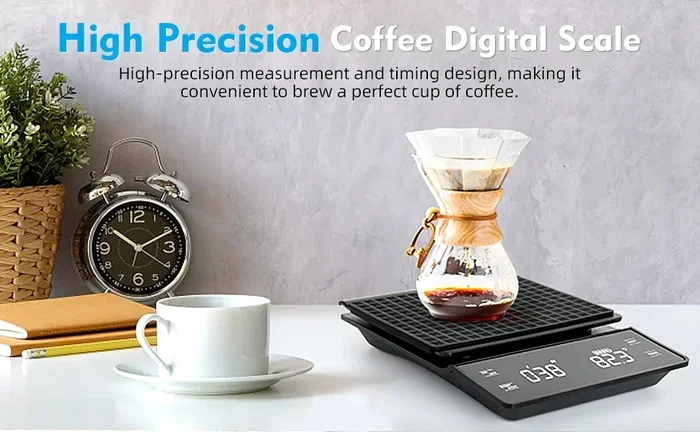
- Weigh your coffee. Using a kitchen scale gives you consistent results every time. Volume measurements like scoops can be inaccurate because the size of grounds changes with grind setting.
- Use clean, filtered water. Water makes up over 98 percent of your cup of coffee. If your tap water tastes bad, your coffee will too. Filtered water removes chlorine and other flavors that can interfere with the natural taste of your beans.
- Heat water to the right temperature. The ideal brewing temperature is between 195 and 205 degrees Fahrenheit. Water that boils is too hot and can scorch the grounds. Water that is too cool will not extract enough flavor.
- Keep coffee warm without an oven. If you like to sip your coffee slowly, you might worry about it going cold. There are simple ways to keep your coffee warm without using an oven. Learn how to keep food warm without oven for practical tips that work for hot beverages too. A simple insulated mug or thermal carafe does wonders for keeping your coffee at the perfect drinking temperature.
Pairing your coffee with food can also elevate your morning routine. A fresh breakfast with eggs and bacon makes coffee taste even better. If you enjoy cooking breakfast meats in the oven, learning how to cook bacon and sausage in the oven can help you whip up a complete breakfast that pairs perfectly with your freshly ground coffee. The combination of a well-made breakfast and the right cup of coffee is hard to beat.
Key Takeaways
- Grind size is the most important variable: It controls extraction, which directly affects the taste, body, and aroma of your coffee.
- Match your grind to your method: Coarse for French press, medium for drip and pour-over, fine for espresso, and extra fine for Turkish coffee.
- Invest in a burr grinder: Consistent particle size leads to even extraction and a much better-tasting cup.
- Grind fresh every time: Pre-ground coffee loses flavor quickly. Grind only what you need for each brew.
- Adjust and experiment: Small changes in grind size can make a big difference in taste. Do not be afraid to tweak your settings.
- Clean your equipment: Regular cleaning of your grinder and brewer removes stale oils and keeps your coffee tasting fresh.
Conclusion
How fine should I grind my coffee is a question with no single answer. The right grind size depends on your brewing method, your taste preferences, and the type of beans you use. But once you understand the basics, it becomes much easier to dial in the perfect setting. Start with the recommended grind for your method, taste your coffee, and make small adjustments until you find your sweet spot.
Great coffee does not require expensive equipment or years of experience. It just requires attention to the details that matter. Grind size is one of those details, and getting it right transforms your daily cup from ordinary to extraordinary. Take the time to learn your grinder, experiment with different settings, and enjoy the process. Your taste buds will thank you every morning.
Remember, the journey to better coffee starts with a single step. Pick up your grinder, adjust the setting, and brew a cup that matches exactly how you like it. With practice and patience, you will notice the difference in every sip.
Frequently Asked Questions
What happens if I grind my coffee too fine?
Grinding too fine causes over-extraction, which makes your coffee taste bitter, harsh, and dry. The water pulls out too many compounds from the grounds because of the large surface area. If your coffee tastes bitter, try grinding a little coarser next time.
Can I use a blade grinder for good coffee?
Blade grinders can work, but they produce inconsistent particle sizes. This leads to uneven extraction and a less balanced cup. A burr grinder is a better choice if you want consistent results and better flavor every time.
How soon after grinding should I brew my coffee?
You should brew your coffee as soon as possible after grinding. Ground coffee starts losing flavor within 15 to 30 minutes. Grinding just before brewing preserves the oils and aromas that give coffee its rich, full taste.
Does roast level affect the grind size I should use?
Yes, it does. Dark roasts are more brittle and tend to grind finer at the same setting than light roasts. Oily beans from dark roasts can also clog grinders, so you may need to adjust your setting slightly coarser for these beans.
What is the best grind size for cold brew coffee?
Cold brew works best with an extra coarse or coarse grind. The long steeping time of 12 to 24 hours means the grounds need to be large so they do not over-extract. Extra coarse grounds also make filtering the coffee much easier and cleaner.
How can I tell if my grind size is correct?
Taste is your best guide. If your coffee tastes sour or thin, the grind is probably too coarse. If it tastes bitter or harsh, it is probably too fine. Adjust one step at a time and taste again until you find the balance you like best.
=== CONCLUSION ===
How fine should I grind my coffee is the key question that unlocks better flavor at home. The answer depends on your brewing method, your grinder, and your personal taste. Coarse grinds work for French press and cold brew. Medium grinds shine in drip machines and pour-over brewers. Fine grinds are essential for espresso and AeroPress. Extra fine grinds are reserved for Turkish coffee.
Invest in a good burr grinder, grind your beans fresh, and pay attention to the small details. These habits make a real difference in every cup. Start today, experiment with your settings, and enjoy the journey to better coffee.