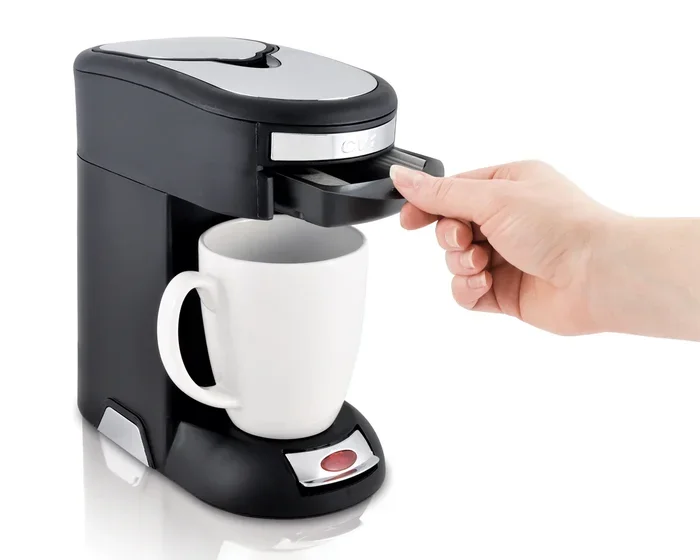
Have You Ever Wondered How Many Oz Is A Regular Coffee Mug
A regular coffee mug typically holds between 8 and 12 fluid ounces. However, sizes can vary widely depending on the style, brand, and purpose of the mug. Understanding coffee mug dimensions helps you brew the right amount and choose the perfect vessel for your morning routine.
You grab your favorite mug every morning. You fill it up. You take a sip. But have you ever stopped to think about how much liquid that mug actually holds? The question of how many oz is a regular coffee mug might seem simple. But the answer is more interesting than you might think.
Coffee mugs are not all created equal. A mug from your kitchen cabinet might hold a very different amount than one from your favorite coffee shop. Understanding the true size of a standard coffee mug helps you brew better coffee. It also helps you pick the right mug for your needs. In this guide, we will walk you through everything you need to know about coffee mug sizes in ounces.
Key Takeaways
- Standard Size: A regular coffee mug holds about 8 to 12 oz of liquid.
- Variety Exists: Mugs come in many sizes, from small espresso cups to oversized travel mugs.
- Measurement Matters: Knowing your mug capacity helps with brewing ratios and portion control.
- Material Affects Size: Ceramic, glass, and stainless steel mugs may differ in wall thickness and true capacity.
- Brand Differences: Popular brands like Cuisinart and others offer mugs in various standard sizes.
📑 Table of Contents
- What Is a Regular Coffee Mug Size?
- Common Coffee Mug Sizes and What They Hold
- How to Measure Your Coffee Mug Capacity
- Factors That Affect Coffee Mug Size
- Coffee Mug Sizes Around the World
- How to Choose the Right Coffee Mug
- Common Mistakes People Make With Coffee Mug Sizes
- The History of the Coffee Mug
- Final Thoughts
What Is a Regular Coffee Mug Size?
When most people say a regular coffee mug, they mean a mug that holds about 8 to 12 fluid ounces. This is the sweet spot for a comfortable morning cup of coffee. It is big enough to hold a satisfying serving. But it is not so big that your coffee goes cold before you finish it.
The term regular coffee mug refers to the everyday ceramic mug you keep on your countertop. These mugs usually have a handle and a wide opening. They are designed for comfort and ease of use. The standard coffee mug size has become a common benchmark in kitchens and coffee shops alike.
Why Does Mug Size Matter?
Mug size matters for a few key reasons. First, it affects your coffee-to-water ratio. If you know your mug holds 10 oz, you can brew the perfect amount. Second, it impacts how often you refill. A smaller mug means more trips to the pot. A larger mug means fewer refills but a higher chance of your coffee cooling down.
Third, mug size affects your caffeine intake. A bigger mug means more coffee, which means more caffeine. If you are watching your caffeine consumption, knowing your mug size is essential. It helps you stay in control of how much you drink each day.
Common Coffee Mug Sizes and What They Hold
Not all mugs are the same. Different types of mugs serve different purposes. Let us break down the most common sizes you will encounter.
Small Mugs (4 to 6 oz)
Small mugs are perfect for espresso or after-dinner coffee. These tiny cups hold about 4 to 6 fluid ounces. They are often used for espresso shots or strong, concentrated coffee drinks. You can find these at many coffee shops and kitchen stores.
Some people also use small mugs for tea or hot chocolate. They are a great option if you prefer a smaller coffee serving size. These mugs are also easier to hold if you have smaller hands.
Medium Mugs (8 to 12 oz)
This is the range most people think of when they hear the word mug. Medium mugs hold between 8 and 12 oz. They are the workhorses of the kitchen. You use them every morning for your daily brew.
A standard coffee cup in this range gives you a comfortable amount of coffee. It is enough to last through a short meeting or a morning read. Most ceramic mugs sold in stores fall into this category. If you buy a set of mugs, they are almost always in this size range.
Large Mugs (14 to 20 oz)
Large mugs are becoming more popular. These oversized mugs hold 14 to 20 fluid ounces. They are great for people who drink a lot of coffee or like to sip slowly. Many coffee shops now offer large mugs as a standard option.
However, large mugs come with a downside. Your coffee cools down faster in a bigger vessel. The surface area is larger, which means more heat escapes. If you like your coffee hot, a large mug might not be your best friend.
How to Measure Your Coffee Mug Capacity
Want to know exactly how much your mug holds? It is easy to measure at home. All you need is a measuring cup and some water. Here is how you do it.
- Take your empty mug.
- Pour water into it slowly until it reaches the top.
- Stop right before the water spills over the rim.
- Pour the water into a liquid measuring cup.
- Read the measurement in fluid ounces.
That number is your mug capacity. You might be surprised by what you find. Some mugs that look big actually hold less than you think. Others that look small hold more than expected.
If you want a more precise measurement, you can use a kitchen scale. Weigh the empty mug first. Then weigh it when full of water. Subtract the weight of the empty mug. Since one fluid ounce of water weighs about 1.04 ounces, you can calculate the exact capacity. This method is especially useful if you are into coffee brewing ratios and want to be precise.
Quick Tips for Measuring
- Always measure to the rim: This gives you the true capacity.
- Use room temperature water: Hot water can expand slightly and give inaccurate readings.
- Repeat the measurement: Do it two or three times to get an average.
- Account for wall thickness: Thick ceramic walls can reduce the actual liquid volume.
Factors That Affect Coffee Mug Size
Several factors influence how much liquid a coffee mug can hold. Understanding these factors helps you choose the right mug for your needs.
Material and Wall Thickness
The material of your mug plays a big role in its true capacity. Ceramic mugs are the most common. They have moderate wall thickness. Glass mugs can be thin or thick depending on the style. Stainless steel mugs often have thicker walls for insulation. This means the inside space is smaller than you might expect.
A thick-walled mug might look large on the outside. But the actual liquid capacity could be quite small. This is an important thing to keep in mind when comparing mug sizes. Two mugs that look the same size can hold very different amounts of liquid.
Shape and Design
The shape of a mug also affects its capacity. A tall, narrow mug holds less than a wide, short mug of the same height. The width of the opening matters too. A mug with a narrow opening might hold less liquid than one with a wide opening, even if they are the same height.
Some mugs have curved sides or decorative elements that take up space inside. These design features reduce the actual usable volume. If you are particular about how much coffee your mug holds, look for simple, straightforward designs.
Handle and Rim Thickness
The handle and rim of a mug also affect the overall size. A thick rim reduces the opening space. A bulky handle adds weight but does not add capacity. These details might seem small, but they add up when you are trying to get the right amount of coffee in your cup.
Coffee Mug Sizes Around the World
Coffee mug sizes are not the same everywhere. Different countries have different standards and preferences. Let us take a quick look at how mug sizes vary around the world.
| Region | Typical Mug Size (oz) | Common Style |
|---|---|---|
| United States | 8 to 12 oz | Ceramic handle mug |
| Europe | 6 to 10 oz | Smaller, delicate cups |
| Asia | 4 to 8 oz | Small teacups and tumblers |
| Australia | 10 to 14 oz | Medium to large mugs |
As you can see, mug sizes vary quite a bit from region to region. In the United States, we tend to prefer larger mugs. In Europe and Asia, smaller cups are more common. This is partly cultural and partly based on how coffee is typically served in each region.
If you travel internationally, keep these differences in mind. A regular coffee mug in Japan will be much smaller than one in the US. This can affect how much coffee you drink and how strong your brew is.
How to Choose the Right Coffee Mug
With so many sizes available, how do you pick the right one? Here are some tips to help you choose the perfect mug for your daily coffee routine.
Consider Your Drinking Habits
Think about how you drink your coffee. Do you sip slowly over a long period? A larger mug might work well for you. Do you drink your coffee quickly and brew fresh cups throughout the day? A smaller mug might be a better fit.
If you like to add cream, milk, or sugar, you need a mug with enough room for those additions. A standard 8 to 12 oz mug usually gives you enough space. But if you like a lot of extras, consider going up to a 14 or 16 oz size.
Think About Your Brewer
The type of coffee maker you use also matters. If you use a drip coffee maker, a standard 12 oz mug works well for most brew sizes. If you use an espresso machine or how to make espresso using coffee maker methods, a smaller mug might be more appropriate. Espresso shots are typically 1 to 2 oz, so a small cup or demitasse is ideal.
If you brew with a French press, you might want a larger mug. French press servings are often bigger than drip coffee. Matching your mug size to your brewing method helps you get the most out of every cup.
Material and Comfort
Choose a material that feels good in your hand. Ceramic mugs are the most popular choice. They are warm to the touch and come in many designs. Glass mugs let you see the color of your coffee, which can be appealing. Stainless steel mugs are great for keeping your coffee hot longer.
Make sure the handle is comfortable to hold. A good handle should fit at least two fingers through it. The mug should feel balanced when full. You do not want it to feel top-heavy or awkward to hold.
Matching Mugs to Your Kitchen Style
Your coffee mug is part of your kitchen decor. Choose a style that matches your kitchen. If you have a modern kitchen, look for sleek, minimalist designs. If your kitchen has a rustic feel, consider mugs with earthy tones and hand-thrown textures.
Many popular brands offer mugs in standard sizes. If you own Cuisinart coffee makers, you might want to match your mugs to your machine for a cohesive look. The brand offers a range of mug sizes that pair well with their brewers.
Common Mistakes People Make With Coffee Mug Sizes
Even coffee lovers make mistakes when it comes to mug sizes. Here are some common errors to avoid.
Assuming All Mugs Are the Same Size
This is the biggest mistake people make. Not all mugs hold the same amount. A mug that looks the same size as another might hold 2 or 3 ounces less. Always measure your mugs if you care about precise coffee-to-water ratios.
Ignoring the Rim Thickness
A thick rim can reduce the usable space inside your mug. This is especially common in decorative mugs. The outside looks large, but the inside is surprisingly small. Keep this in mind when choosing a mug for your morning brew.
Overfilling Your Mug
It is tempting to fill your mug to the very top. But this leads to spills and burns. Leave some space at the top. A good rule of thumb is to stop about half an inch from the rim. This gives you room to add cream or milk without making a mess.
Buying Mugs Without Measuring
When buying mugs online or in stores, do not rely on the label alone. Mugs labeled as 12 oz might actually hold 10 oz or 14 oz depending on the brand. If size matters to you, measure before you buy or check detailed product specifications.
The History of the Coffee Mug
The coffee mug has a long and interesting history. Early mugs were made from wood, bone, and clay. They were simple and functional. There was no standard size. People used whatever vessel was available.
As pottery techniques improved, mugs became more uniform. Ceramic mugs became the standard in homes and coffee shops. The 8 to 12 oz size emerged as the most popular. This size worked well for most coffee brewing methods and was comfortable to hold.
In recent years, mug sizes have grown. The rise of large coffee shop drinks has pushed mug sizes upward. Some coffee shops now serve drinks in 20 oz or even larger mugs. This trend has influenced home mug sizes as well. Many people now prefer larger mugs for their daily coffee.
Despite these changes, the standard coffee mug size remains in the 8 to 12 oz range. This is the size most people reach for every morning. It is the size that fits most brewing methods and satisfies most coffee drinkers.
Final Thoughts
So, how many oz is a regular coffee mug? The answer is 8 to 12 fluid ounces for a standard mug. But as we have seen, the real answer is more nuanced. Mug sizes vary by material, shape, design, and region. The best way to know your mug size is to measure it yourself.
Understanding your mug capacity helps you brew better coffee. It helps you control your caffeine intake. And it helps you choose the perfect mug for your needs. Whether you prefer a small espresso cup or a large travel mug, knowing the size makes a difference.
Next time you fill up your morning mug, take a moment to appreciate it. That simple ceramic cup holds more than just coffee. It holds your routine, your comfort, and your daily ritual. And now you know exactly how much it holds.
Take what you have learned here and apply it. Measure your favorite mugs. Try different sizes. Find the perfect fit for your coffee routine. Your morning cup will taste even better when you know you are using the right mug.
Frequently Asked Questions
Is 12 oz considered a large coffee mug?
Not really. A 12 oz mug is right in the middle of the standard range. It is considered a regular or medium-sized mug. Anything above 14 oz starts to enter the large mug category.
Can I use a measuring cup to find my mug size?
Yes, absolutely. A liquid measuring cup works perfectly. Just fill your mug with water and pour it into the measuring cup. The reading in fluid ounces is your mug capacity.
Why do coffee shop mugs look bigger than regular mugs?
Coffee shop mugs are often designed to hold more liquid. They also have thinner walls and wider openings. This makes them feel larger even if the material is the same. Many coffee shops serve 16 oz or larger drinks.
Does mug material affect the actual size?
Yes, it does. Thicker materials like heavy ceramic or double-walled stainless steel reduce the inside space. A thick-walled mug might look big but hold less liquid than a thin-walled mug of the same outer size.
What is the best mug size for drip coffee?
A 10 to 12 oz mug works great for drip coffee. It holds a standard brew size and leaves room for any additions like cream or milk. This is the most popular size for everyday coffee drinking.
Are travel mugs measured differently than regular mugs?
Travel mugs are often measured differently. Their capacity is usually listed on the packaging. However, the actual drinking space is often less than the total capacity due to the lid and insulation layers. Always check the internal volume if you want to know how much coffee you can actually pour in.
=== CONCLUSION ===
The regular coffee mug holds between 8 and 12 fluid ounces. This is the standard most people use every day. But now you know that mug sizes can vary widely based on material, design, and region. Measuring your own mugs is the best way to get precise information for your brewing routine.
Whether you are a casual coffee drinker or a dedicated enthusiast, understanding mug size matters. It helps you brew the right amount. It helps you enjoy your coffee at the perfect temperature. And it helps you make informed choices when buying new mugs. Use this guide to find the perfect fit for your morning coffee ritual.