What Chemicals Are Used To Make Decaffeinated Coffee
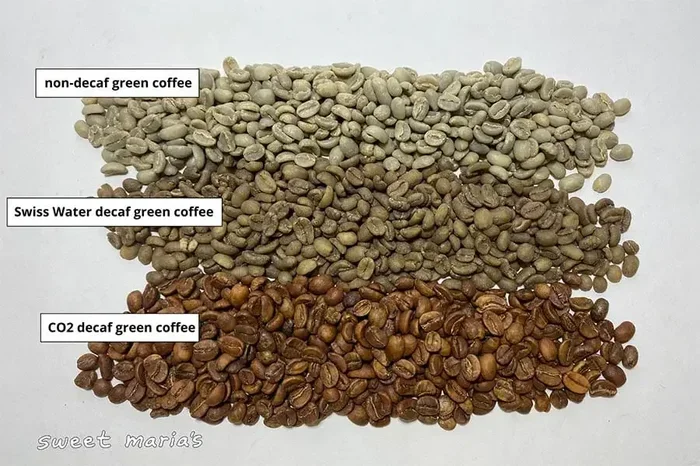
Decaffeinated coffee removes caffeine using several methods, including chemical solvents like ethyl acetate and methylene chloride, as well as chemical-free processes like the Swiss Water method and CO2 decaffeination. Each technique has a unique approach to extracting caffeine from green coffee beans while preserving flavor. Understanding these methods helps you choose the best decaf coffee for your taste and health preferences.
What Chemicals Are Used To Make Decaffeinated Coffee?
You love the smell of fresh coffee but want to skip the caffeine. Maybe you are sensitive to it, or perhaps you just enjoy a late-night cup without the jitters. Whatever your reason, decaf coffee is a great choice. But have you ever wondered what chemicals are used to make decaffeinated coffee? The answer might surprise you.
Decaffeination is a fascinating process. It involves removing caffeine from green coffee beans before they get roasted. There are several ways to do this. Some use chemical solvents. Others use water or carbon dioxide. Each method has its own pros and cons. In this article, we will walk through every decaf coffee process in detail. You will learn exactly what goes into your cup and how it affects your health and your taste buds.
Key Takeaways
- Four main decaffeination methods exist: direct solvent, indirect solvent, Swiss Water Process, and supercritical CO2.
- Ethyl acetate and methylene chloride are the two most common chemicals used in chemical decaffeination.
- The Swiss Water Process is 100% chemical-free and relies on water and osmosis to remove caffeine.
- Decaf coffee is not completely caffeine-free — it typically retains about 1-3% of its original caffeine content.
- Chemical residues in decaf coffee are generally considered safe by food safety regulators worldwide.
- Decaffeination affects coffee flavor differently depending on the method used.
- Choosing organic or Swiss Water decaf is the best option for those avoiding synthetic chemicals.
📑 Table of Contents
How Decaffeinated Coffee Is Made
Making decaf coffee starts long before it reaches your kitchen. The process begins with raw, unroasted green coffee beans. These beans contain caffeine naturally. The goal of decaffeination is to remove as much caffeine as possible while keeping the flavor intact.
The caffeine removal process typically happens before roasting. This is important because roasting changes the chemical structure of coffee beans. Extracting caffeine from roasted beans is much harder and less effective. So processors work with green beans first.
There are four main coffee decaffeination methods used today. Each one uses different tools and techniques. Let us break them down so you can understand exactly what happens to your beans.
The Direct Solvent Method
The direct solvent method is one of the most common chemical decaffeination processes. Here is how it works. First, the green coffee beans are steamed. This opens up their pores and makes them more receptive to solvents. Then, the beans are rinsed with a chemical solvent. The solvent binds to the caffeine molecules and washes them away.
After the caffeine extraction is complete, the beans are steamed again. This removes any remaining solvent residue. Finally, the beans are dried and prepared for roasting. The whole process repeats several times until the caffeine content drops to about 1 to 3 percent of its original level.
The Indirect Solvent Method
The indirect method takes a slightly different approach. Instead of rinsing the beans directly with solvent, the beans are soaked in hot water first. This hot water bath extracts both caffeine and flavor compounds from the beans. The flavored water, now full of caffeine, is then separated from the beans.
Next, a chemical solvent is added to the water. The solvent bonds with the caffeine and removes it from the liquid. Then the flavor-rich water is put back into contact with the beans. The beans reabsorb their lost flavors. This indirect decaffeination method is popular because it helps preserve the coffee’s original taste profile.
The Swiss Water Process
The Swiss Water Process is a chemical-free decaffeination method that has gained a loyal following. It was developed in Switzerland in the 1930s and perfected in the 1980s. The process relies entirely on water, temperature, and time.
Here is how it works. Green coffee beans are soaked in hot water. The water pulls out caffeine and flavor compounds. That water then passes through a charcoal filter. The filter traps caffeine molecules but lets larger flavor molecules pass through. The resulting caffeine-free water, now rich in flavor, is used to soak a new batch of beans. Because the water is already saturated with flavor compounds, only caffeine moves out of the new beans. This clever coffee extraction process keeps the flavor intact without any chemical solvents.
Many coffee lovers prefer the Swiss Water Process because it is labeled as 100 percent chemical-free. It is also certified organic by several organizations. If you want to avoid synthetic chemicals in your caffeine-free coffee, this is the method to look for.
Supercritical CO2 Decaffeination
The supercritical CO2 method uses carbon dioxide instead of chemical solvents. Under high pressure and specific temperature conditions, CO2 enters a supercritical state. In this state, it acts like both a gas and a liquid. It penetrates the coffee beans like a gas but dissolves caffeine like a liquid.
The supercritical CO2 extracts caffeine from the beans efficiently. Then the CO2 is depressurized, and the caffeine simply falls out of the solution. The CO2 is recycled and used again for the next batch. This method is considered one of the most natural decaffeination methods available. It does not leave behind any chemical residues. However, it requires expensive equipment, so it is less common in smaller operations.
The Most Common Chemicals Used in Decaffeination
Now let us get to the heart of the matter. What chemicals are used to make decaffeinated coffee? Two solvents dominate the industry. They are ethyl acetate and methylene chloride. Both are effective at removing caffeine. But they work differently and raise different concerns.
Ethyl Acetate
Ethyl acetate is a naturally occurring solvent found in many fruits and vegetables. It is also synthetically produced for industrial use. In the coffee world, ethyl acetate is often marketed as a “natural” solvent because it exists in nature.
The direct solvent method commonly uses ethyl acetate. The beans are steamed, rinsed with the solvent, and then steamed again to remove residues. Ethyl acetate evaporates quickly at room temperature, which helps minimize any leftover traces.
Regulatory agencies in the United States and Europe consider ethyl acetate safe for use in food processing. However, some health-conscious consumers prefer to avoid it. If you are one of them, look for decaf coffee labeled as Swiss Water Process or CO2 processed.
Methylene Chloride
Methylene chloride is the more controversial of the two solvents. It has been used in decaffeination for decades. It is highly effective at removing caffeine from coffee beans. The indirect solvent method often relies on methylene chloride.
The U.S. Food and Drug Administration allows small amounts of methylene chloride residue in decaf coffee. The limit is set at 10 parts per million. Most commercial decaf coffees fall well below this threshold. Still, some consumer advocacy groups have raised concerns about long-term exposure.
If you want to avoid methylene chloride entirely, check the packaging. Many specialty roasters now clearly state which decaffeination method they use. This transparency makes it easier to choose a product that aligns with your values.
Other Solvents and Methods
Beyond ethyl acetate and methylene chloride, a few other solvents have been used historically. Benzene was one of the earliest decaffeination solvents. However, it was phased out due to health concerns. Today, it is rarely used in commercial coffee production.
Some newer experimental methods use triglycerides or other food-grade solvents. These are still relatively uncommon but represent an interesting direction for the future of the decaf coffee process. The industry is always evolving to meet consumer demand for cleaner, more natural caffeine removal techniques.
Is Decaf Coffee Safe to Drink?
This is one of the most common questions people ask about decaffeinated coffee. The short answer is yes. Decaf coffee is considered safe by major health organizations worldwide. But let us dig deeper into the decaf coffee safety picture.
The trace amounts of chemical solvents left in decaf coffee are extremely small. Studies have shown that the levels found in commercially sold decaf coffee are well within safe limits. The FDA and the European Food Safety Authority both monitor these levels closely.
That said, if you prefer to minimize your exposure to any synthetic chemicals, you have options. Look for decaf coffee that uses the Swiss Water Process or the CO2 method. These methods do not use chemical solvents at all. They are just as effective at removing caffeine from decaffeinated coffee beans.
Also keep in mind that decaf coffee is not completely caffeine-free. A typical cup of decaf contains about 2 to 5 milligrams of caffeine. Compare that to a regular cup, which has around 80 to 100 milligrams. If you are highly sensitive to caffeine, even this small amount could matter. Always check the label if caffeine content is a concern for you.
How Decaffeination Affects Coffee Taste
One of the biggest complaints about decaf coffee is the taste. Many people say decaf tastes flat or dull compared to regular coffee. But is this really true? The answer depends on the decaffeination method used.
The solvent-based methods can strip away some flavor compounds along with caffeine. This is especially true for the direct solvent method, which comes into direct contact with the beans. The indirect method does a better job of preserving flavor because the beans are re-soaked in their own flavor-rich water.
The Swiss Water Process is widely regarded as the best method for preserving taste. Because it uses only water and osmosis, it removes caffeine without pulling out the compounds that give coffee its unique flavor. The CO2 method also does a good job of maintaining the original taste profile of roasted decaf coffee.
If taste matters to you, here are a few tips. First, buy from reputable roasters who clearly label their decaffeination method. Second, look for single-origin decaf coffees. These tend to have more complex and vibrant flavors. Third, store your caffeine-free coffee properly in an airtight container to keep it fresh longer.
Interestingly, some people actually prefer the taste of certain decaf coffees. The flavor can be smoother and less bitter than regular coffee. It is all about finding the right beans and the right method. Do not write off decaf entirely before you have tried a high-quality version.
How to Choose the Best Decaf Coffee
Now that you know what chemicals are used to make decaffeinated coffee, how do you pick the right one? The market is full of options, and not all decaf coffees are created equal.
Start by checking the label for the decaffeination method. Look for terms like “Swiss Water Processed” or “CO2 Decaffeinated.” These indicate a chemical-free approach. If the label does not mention the method, it is likely a solvent-based process.
Next, consider the roast level. Medium roasts tend to highlight the best flavor in decaf beans. Dark roasts can mask low-quality beans, so they are not always the best choice. Light roasts can also work well but may taste more acidic.
Freshness matters too. Decaf coffee loses its flavor faster than regular coffee because the decaffeination process can make the beans more porous. Buy whole beans and grind them just before brewing for the best results.
Finally, think about the origin. Coffee from Colombia, Ethiopia, and Brazil is often used in decaf blends. Each origin brings its own flavor notes. Experiment with different origins to find what you enjoy most. If you also enjoy other oven-baked drinks and snacks, you might explore how to make Texas toast in oven as a delicious breakfast companion to your morning decaf.
Common Myths About Decaf Coffee
There is a lot of misinformation floating around about decaffeinated coffee. Let us clear up some of the most common myths.
Myth 1: Decaf coffee has no caffeine at all. This is false. As mentioned earlier, decaf coffee still contains small amounts of caffeine. It is not completely caffeine-free. If you need to avoid caffeine entirely, decaf may not be the right choice.
Myth 2: All decaf coffee is full of chemicals. This is also false. Methods like the Swiss Water Process and CO2 decaffeination use no chemical solvents at all. The coffee is decaffeinated using only water or carbon dioxide.
Myth 3: Decaf coffee has no health benefits. This is misleading. Decaf coffee still contains antioxidants and beneficial compounds. Studies have linked decaf coffee consumption to reduced risks of type 2 diabetes and certain diseases. It is not just regular coffee that offers health perks.
Myth 4: Decaf coffee tastes terrible. This is a stereotype that does not hold up anymore. Modern decaffeination methods do a much better job of preserving flavor. A high-quality decaf coffee can taste just as good as its caffeinated counterpart. Pair it with something like what temp to cook breaded chicken in oven for a great meal pairing.
The Environmental Impact of Decaffeination
Decaffeination does not only affect your cup of coffee. It also has environmental implications worth considering. The chemical solvents used in some methods can pose disposal challenges. Ethyl acetate and methylene chloride must be handled and disposed of properly to avoid environmental contamination.
The Swiss Water Process and CO2 method are generally considered more environmentally friendly. The Swiss Water Process uses only water and filters. The CO2 method recycles the carbon dioxide, so very little waste is produced. These methods align better with sustainable and eco-conscious coffee production.
Some decaf coffee brands also focus on fair trade and organic farming practices. This means the beans are grown without synthetic pesticides and the farmers receive fair wages. Choosing these brands supports both environmental sustainability and social responsibility. If you are interested in more kitchen and cooking tips, check out how to reheat baked chicken in oven for easy meal prep ideas.
Key Takeaways
- Chemical decaffeination uses solvents like ethyl acetate and methylene chloride to extract caffeine from green coffee beans.
- The Swiss Water Process is a completely chemical-free method that uses water and osmosis for caffeine removal.
- Supercritical CO2 decaffeination is a natural, residue-free alternative that uses pressurized carbon dioxide.
- Decaf coffee is safe to drink and contains only trace amounts of solvent residues, if any.
- The method used affects both the taste and environmental impact of the final decaf product.
- Always check the label to see which decaffeination process a brand uses before buying.
- Decaf coffee retains antioxidants and health benefits similar to regular coffee, minus most of the caffeine.
Frequently Asked Questions
Is decaf coffee completely caffeine-free?
No, decaf coffee is not completely caffeine-free. It typically contains about 1 to 5 milligrams of caffeine per cup, compared to 80 to 100 milligrams in regular coffee. If you are highly sensitive to caffeine, even this small amount could have an effect. Always check the label if you need to avoid caffeine entirely.
Which decaffeination method is the safest?
The Swiss Water Process and the CO2 method are considered the safest because they do not use any chemical solvents. The solvent-based methods using ethyl acetate and methylene chloride are also considered safe by food safety regulators. However, if you prefer to avoid synthetic chemicals altogether, look for Swiss Water or CO2 processed decaf coffee.
Does decaf coffee taste different from regular coffee?
Yes, decaf coffee can taste different, but the difference depends on the decaffeination method used. The Swiss Water Process is known for preserving flavor best. Solvent-based methods may strip away some flavor compounds along with caffeine. Choosing high-quality beans and proper storage can greatly improve the taste of your caffeine-free coffee.
Can the chemicals used in decaf coffee harm your health?
The trace amounts of chemical solvents found in commercially sold decaf coffee are well within safe limits set by the FDA and European food safety agencies. Most decaf coffees contain far less than the maximum allowed residue levels. If you want to be extra cautious, choose decaf coffee made with the Swiss Water Process or CO2 method.
Is decaf coffee good for your health?
Yes, decaf coffee still contains many of the same antioxidants and beneficial compounds found in regular coffee. Studies suggest that drinking decaf coffee may reduce the risk of type 2 diabetes, liver disease, and certain forms of inflammation. It is a great option for people who want the health benefits of coffee without the stimulating effects of caffeine.
How can I tell which decaffeination method a brand uses?
Check the product packaging or the brand’s website. Many specialty roasters clearly state which decaf coffee process they use. Look for terms like “Swiss Water Processed,” “CO2 Decaffeinated,” or “Naturally Decaffeinated.” If the label is vague or does not mention the method, it is likely a solvent-based process.
=== CONCLUSION ===
Decaffeinated coffee is a wonderful alternative for anyone who loves the ritual and flavor of coffee but wants to avoid caffeine. Now you know exactly what chemicals are used to make decaffeinated coffee. From ethyl acetate and methylene chloride to the elegant simplicity of the Swiss Water Process and the innovation of supercritical CO2, each method has its own story.
The key takeaway is that you have choices. If you want to avoid chemical solvents, the Swiss Water Process and CO2 method offer excellent alternatives. If you do not mind trace solvent residues, solvent-based decaf coffees are safe and widely available. The most important thing is to read labels, choose quality brands, and enjoy your cup with confidence.
Decaf coffee has come a long way. It no longer means sacrificing taste or quality. With the right beans and the right method, you can enjoy a rich, flavorful cup of decaf coffee any time of day. So go ahead, brew a cup, and savor every sip. You deserve it.