How To Make A Diy Coffee Table With These Easy Ideas
Building a DIY coffee table is easier than you think. With the right materials, a few basic tools, and a clear plan, you can create a stunning piece of furniture that fits your style and budget. This guide walks you through every step, from choosing your design to applying the final finish.
There is something deeply satisfying about building a DIY coffee table with your own two hands. Whether you are a seasoned woodworker or a complete beginner, creating a coffee table from scratch lets you control every detail. You choose the size, the style, and the materials. The result is a piece of furniture that truly feels like it belongs in your home.
A handmade coffee table also makes a fantastic centerpiece for any living room. It sparks conversations when guests visit. It holds your morning coffee, your favorite books, and your remote controls. And unlike store-bought furniture, a DIY coffee table carries a personal touch that mass-produced pieces simply cannot match.
This guide covers everything you need to know. We will explore different coffee table plans, walk through the materials and tools required, and give you a clear step-by-step build process. By the end, you will feel confident enough to start your own project. Let us dive in.
Key Takeaways
- Start Simple: Basic designs like pallet or floating coffee tables are perfect for beginners.
- Gather the Right Materials: Wood, wood glue, screws, sandpaper, and stain are all you need to get started.
- Measure Twice, Cut Once: Accurate measurements save time, money, and frustration during the build.
- Finishing Matters: Sanding and staining transform a rough build into a polished, professional-looking piece.
- Maintenance Keeps It Looking Great: Regular cleaning and occasional resealing extend the life of your DIY coffee table.
- Customize Your Design: Add shelves, hairpin legs, or reclaimed wood to make your table truly unique.
- Safety First: Always wear protective gear when using power tools and handling wood finishes.
📑 Table of Contents
Why Build A DIY Coffee Table?
Buying a coffee table from a store is convenient, but building one comes with real advantages. First, you save money. A DIY coffee table can cost a fraction of what a similar store-bought piece would run you. Second, you get complete creative control. You decide on the coffee table design, the wood type, the color, and the size.
Building furniture is also a rewarding skill. Every woodworking project you complete builds your confidence and teaches you new techniques. Over time, you may find yourself tackling bigger furniture making challenges, like bookshelves, dining tables, or even bed frames.
Another big reason people choose to build is sustainability. Using reclaimed wood or leftover materials reduces waste. You give new life to wood that might otherwise end up in a landfill. This makes a DIY coffee table not just a practical choice but an eco-friendly one too.
Benefits at a Glance
- Cost savings: Build for less than half the price of retail furniture.
- Customization: Match your table to your existing home decor perfectly.
- Skill building: Each project improves your woodworking abilities.
- Sustainability: Use reclaimed or scrap materials to reduce waste.
- Pride of ownership: There is nothing like saying, “I built that.”
Choosing the Right Design for Your Space
The design you pick sets the tone for your entire project. A rustic coffee table made from thick planks gives a warm, cabin-like feel. A modern coffee table with clean lines and sleek legs suits a contemporary living room. A pallet coffee table offers a casual, farmhouse vibe that many homeowners love.
Before you choose a design, measure your available space. A large sectional sofa needs a bigger table than a small apartment setup. Think about how the table will function in your daily life. Do you need extra storage? A floating coffee table with a lower shelf can provide that. Do you prefer a minimalist look? A simple flat-top design with coffee table legs made from metal or wood works beautifully.
Popular DIY Coffee Table Designs
- Pallet Coffee Table: Built from reclaimed wooden pallets. Easy to find materials and very budget-friendly.
- Floating Coffee Table: Wall-mounted or with a sleek base. Great for small spaces.
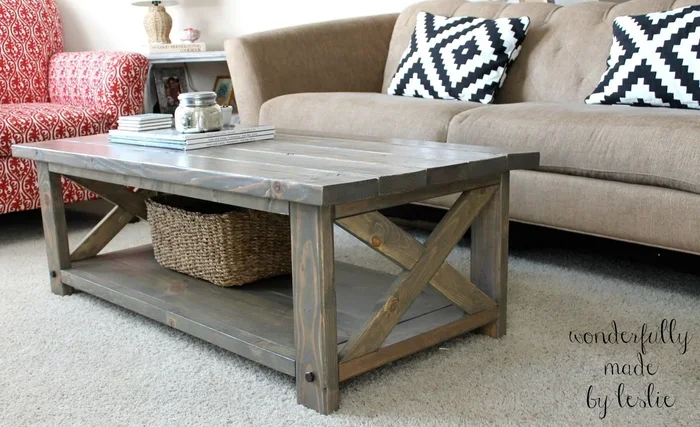
- Rustic Wood Table: Uses natural, unfinished wood with visible grain and character.
- Modern Geometric Table: Features clean lines, metal accents, and a minimalist aesthetic.
- Rustic Farmhouse Table: Combines a sturdy wood top with hairpin or iron legs for a cozy look.
Quick Tip: Match Your Table to Your Room
Take a photo of your living room and print it out. Sketch different coffee table plans on top of the photo. This visual approach helps you see how the table will fit before you cut a single piece of wood.
Materials and Tools You Will Need
Gathering everything before you start is one of the best ways to ensure a smooth build. You do not want to pause halfway through to hunt for a missing screw or a different size of sandpaper.
Essential Materials
- Wood planks or boards: Pine, oak, cedar, or reclaimed wood all work well for a DIY coffee table.
- Wood glue: Important for joining pieces securely without nails or screws showing.
- Screws and nails: Choose the right length for your wood thickness.
- Wood stain or paint: Pick a color that complements your home decor.
- Sandpaper: Get a variety of grits, from coarse (80 grit) to fine (220 grit).
- Polyurethane or sealant: Protects the finished surface from spills and wear.
- Coffee table legs: Hairpin legs, wooden legs, or metal brackets depending on your style.
- Shelf support brackets: Useful if your design includes a lower shelf or storage area.
Essential Tools
- Power tools: A drill, a circular saw, and a sander make the job faster and easier.
- Measuring tape and square: Accurate measurements are the foundation of a good build.
- Clamps: Hold pieces together while the glue dries.
- Safety gear: Goggles, gloves, and a dust mask protect you during cutting and sanding.
- Paintbrush or foam applicator: For applying stain, sealant, or paint evenly.
Quick Tip: Budget Planning
A basic DIY coffee table can be built for under 100 dollars if you use reclaimed wood and keep your design simple. Set a budget before you shop, and stick to it. This keeps the project fun and stress-free.
Step-by-Step Build Process
Now comes the fun part. Following a clear process makes building a wood coffee table manageable and enjoyable. You do not need to be a professional carpenter. With patience and attention to detail, anyone can produce great results.
Step 1: Plan and Measure
Start by sketching your design on paper. Note the dimensions of the tabletop, the legs, and any shelves. A standard coffee table is about 16 to 18 inches tall and 36 to 48 inches wide. These coffee table plans can be adjusted to fit your space perfectly.
Write down every piece of wood you need and its exact measurements. This is your cutting list. Having it ready prevents mistakes and reduces waste.
Step 2: Cut the Wood
Using your cutting list, measure and mark each piece of wood. Then carefully cut with your saw. Remember the golden rule of woodworking: measure twice, cut once. Take your time with this step because accurate cuts make everything that follows much easier.
If you are using reclaimed wood, inspect each piece for nails, screws, or damage. Remove any old hardware and sand away rough spots before proceeding.
Step 3: Assemble the Base
Attach the legs to the tabletop frame using wood glue and screws. Use clamps to hold everything steady while the glue sets. For a floating coffee table design, mount the legs to a central support beam first, then attach the top.
Make sure the base is level and square. A wobbly base will cause problems later. Use a level to check your work before moving on.
Step 4: Attach the Top
Secure the tabletop to the base. If your design uses a separate top, screw it into the base from underneath. Pre-drill holes to prevent the wood from splitting. This small step makes a big difference in the quality of your finished DIY coffee table.
Step 5: Sand and Smooth
Sand the entire table starting with coarse grit (80) and working your way up to fine grit (220). This removes rough spots, splinters, and uneven surfaces. Sanding is the step that separates a rough build from a polished, professional-looking piece.
Always sand in the direction of the wood grain. Going against the grain creates scratches that are hard to hide later.
Step 6: Apply Finish
Apply your chosen wood stain or paint with a brush or foam applicator. Let it dry completely, then apply a coat of polyurethane or sealant. This protects the surface from water rings, scratches, and everyday wear.
For a rustic coffee table, you might skip the stain and simply apply a clear sealant to let the natural wood beauty shine through. For a modern coffee table, a dark stain with a glossy finish creates a sleek, polished look.
Expert Insight: The Secret to a Smooth Finish
Many beginners skip the light sanding between coats of finish. Taking an extra five minutes to lightly sand with 220 grit between coats creates a remarkably smooth surface. This small habit makes a noticeable difference in the final result of your woodworking projects.
Creative Design Ideas to Inspire You
One of the best things about building your own DIY coffee table is the freedom to get creative. You are not limited to what a furniture store offers. Here are some ideas to spark your imagination.
Reclaimed Wood Coffee Table
Use old barn wood, salvaged fence posts, or discarded shipping pallets. The natural weathering and character of reclaimed wood gives your table a story. Each knot, scratch, and grain pattern is unique. This style fits perfectly with a rustic coffee table or farmhouse aesthetic.
Hairpin Leg Coffee Table
Hairpin legs are a popular choice for modern coffee table builds. They are affordable, easy to install, and give a clean, industrial look. You can weld your own or buy pre-made legs online. Pair them with a thick wood top for a striking contrast.
Storage Coffee Table
Add a lower shelf or a hidden compartment beneath the top. This turns your DIY coffee table into functional storage. Use shelf support brackets to secure the lower shelf. Store magazines, blankets, or board games inside to keep your living room tidy.
Outdoor Coffee Table
Build a weather-resistant version using cedar or pressure-treated wood. Seal it with an outdoor-grade finish. This creates a durable table for your patio or deck. It is a great way to extend your furniture making skills beyond the indoors.
Finishing and Maintenance Tips
Once your DIY coffee table is built, proper finishing and care will keep it looking beautiful for years. Think of finishing as the armor that protects your hard work.
Best Finishes for DIY Coffee Tables
- Polyurethane: Durable and water-resistant. Available in glossy, semi-gloss, and matte finishes.
- Tung oil: A natural option that brings out the richness of the wood grain.
- Beeswax: Gives a soft, natural sheen and is easy to apply.
- Lacquer: Dries quickly and provides a hard, protective surface.
Cleaning and Upkeep
Dust your table regularly with a soft cloth. For spills, wipe them up quickly to prevent staining. Avoid placing hot items directly on the surface; use coasters or trivets. A simple cleaning routine goes a long way in preserving the finish of your wood coffee table. Similar to how you might clean other household items without harsh scrubbing, a gentle wipe-down with a damp cloth keeps things looking fresh.
Every six months, inspect the surface for wear. If the finish looks dull or shows scratches, lightly sand the area and apply a fresh coat of sealant. This simple maintenance routine keeps your DIY coffee table looking as good as the day you finished it.
Common Mistakes to Avoid
- Skipping the sanding step: This leads to a rough, uncomfortable surface and an uneven finish.
- Rushing the glue drying time: Give wood glue at least 24 hours to set fully before stressing the joints.
- Using the wrong screws: Screws that are too long can poke through the top. Too short and they will not hold.
- Ignoring wood movement: Wood expands and contracts with humidity changes. Allow room for this natural movement in your design.
- Applying stain too thick: Thin, even coats give a much better result than one heavy coat.
Quick Tip: Test Your Finish First
Always test your stain or finish on a scrap piece of the same wood before applying it to your finished table. This saves you from unpleasant surprises and helps you choose the perfect color for your coffee table design.
Conclusion
Building a DIY coffee table is one of the most satisfying projects you can tackle. It combines creativity, practical skill, and the joy of making something with your own hands. From choosing the right coffee table plans to applying the final coat of finish, every step brings you closer to a finished piece you can be proud of.
Remember, perfection is not the goal. The beauty of a DIY coffee table lies in its individuality. Your table will carry marks of the process, and that is what makes it special. Start with a simple design, gather your materials, and enjoy the journey of creating something truly yours.
Once you finish your first project, you will be hooked. The skills you build carry over to every future woodworking project. So grab your power tools, pick a design that speaks to you, and start building today. Your dream coffee table is closer than you think.
Frequently Asked Questions
What is the easiest DIY coffee table design for beginners?
A pallet coffee table is widely considered the easiest option for beginners. The materials are often free or very cheap, and the basic construction involves stacking and securing pallets together. You can find simple coffee table plans online that require minimal cutting and assembly.
How much does it cost to build a DIY coffee table?
A basic DIY coffee table can cost anywhere from 30 to 150 dollars depending on the wood and materials you choose. Using reclaimed wood and simple coffee table legs like hairpin legs keeps costs low. The key is planning your budget before you buy supplies.
What type of wood is best for a DIY coffee table?
Pine is affordable and easy to work with, making it great for beginners. Oak is more durable and has a beautiful grain. Cedar works well for outdoor tables. Reclaimed wood adds character and is an eco-friendly choice. Choose based on your budget and the style of your home decor.
Do I need power tools to build a coffee table?
While a drill and saw make the job much faster, you can build a simple coffee table with hand tools. A hand saw, a manual drill, and sandpaper are enough for a basic design. However, power tools do improve precision and save significant time on any furniture making project.
How long does it take to build a DIY coffee table?
A straightforward design can be completed in one to two weekends. The build itself might take six to eight hours of active work. Additional time is needed for glue to dry and finish to cure. Planning your time helps you enjoy the process without rushing.
Can I build a coffee table without any woodworking experience?
Absolutely. Many successful DIY coffee table projects are built by first-timers. Start with a simple design, follow clear instructions, and take your time. The most important tools for a beginner are patience and a willingness to learn. Each project builds your skills and confidence for the next one.