Will Coffee Make Nausea Worse Here Is How To Stop It
Will coffee make nausea worse? Yes, coffee can trigger nausea due to its high acidity and caffeine content, especially when consumed on an empty stomach. This article explains the real reasons behind coffee-induced nausea and shares practical, easy-to-follow tips to help you enjoy your daily cup without the uncomfortable side effects.
Key Takeaways
- Coffee acidity is a major culprit: The natural acids in coffee can irritate your stomach lining and trigger nausea, particularly on an empty stomach.
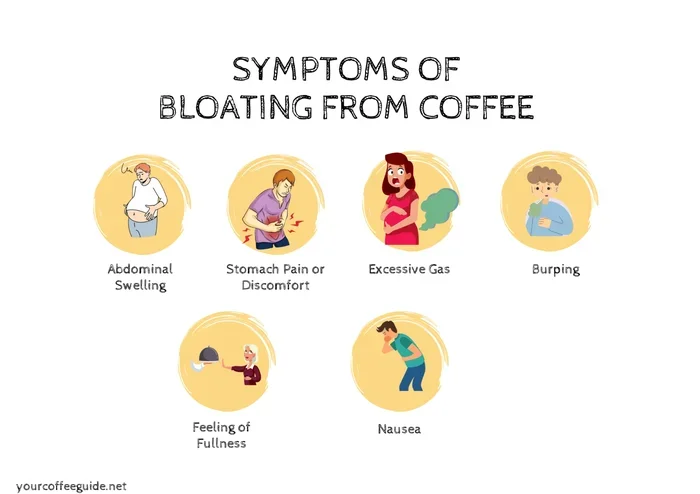
- Caffeine stimulates stomach acid: Too much caffeine can speed up digestion and cause queasiness, bloating, and discomfort.
- Drinking coffee on an empty stomach makes it worse: Food acts as a buffer, so skipping meals before your cup increases the risk of nausea.
- Low-acid and cold brew options help: Switching to low-acid coffee or cold brew can significantly reduce stomach upset.
- Small changes make a big difference: Eating before drinking, moderating intake, and choosing the right brew method can stop nausea in its tracks.
- Persistent nausea needs medical attention: If coffee consistently makes you sick, it could signal a deeper digestive issue worth checking with a doctor.
📑 Table of Contents
- Will Coffee Make Nausea Worse? Here Is What You Need To Know
- Why Does Coffee Cause Nausea?
- Common Triggers That Make Coffee Nausea Worse
- How To Stop Coffee Nausea: Proven Methods That Work
- Best Practices for Drinking Coffee Without Feeling Sick
- When to See a Doctor About Coffee-Related Nausea
- Conclusion
Will Coffee Make Nausea Worse? Here Is What You Need To Know
You love your morning cup of coffee. But lately, every time you drink it, your stomach turns. You feel queasy, bloated, or just plain off. So you start wondering, will coffee make nausea worse? The short answer is yes, it can. But the good news is that you are not stuck dealing with it forever.
Coffee is one of the most popular drinks in the world. Millions of people reach for it every single day. But not everyone tolerates it the same way. For some, a fresh brew is a gentle wake-up call. For others, it sends their stomach into revolt. The difference often comes down to how your body reacts to coffee acidity, caffeine levels, and when you drink it.
In this article, we will break down exactly why coffee causes nausea. We will look at the common triggers, share proven ways to prevent it, and tell you when it is time to see a doctor. Whether you drink espresso, drip coffee, or instant, this guide has something for you.
Will coffee make nausea worse for you specifically? Let us find out together.
Why Does Coffee Cause Nausea?
Understanding the root cause is the first step toward fixing the problem. Coffee is not just a simple beverage. It is a complex drink with many compounds that interact with your digestive system. When things go wrong, it is usually not just one thing. It is a combination of factors working together.
The Role of Coffee Acidity
Coffee is naturally acidic. The pH level of most brewed coffee falls between 4.5 and 5.0. That might not sound very acidic, but your stomach is sensitive. When you drink something acidic, it can irritate the lining of your stomach. This irritation can lead to a feeling of nausea, especially if your stomach is already empty.
Different types of coffee have different acid levels. Light roasts tend to be more acidic than dark roasts. Espresso is concentrated, which means it delivers a strong hit of acid in a small cup. If you have been making espresso at home, you might notice that it hits your stomach harder than a regular cup of drip coffee.
Here are some common acidic compounds found in coffee:
- Chlorogenic acid – one of the main acids in coffee that can irritate the stomach
- Quinic acid – formed during the roasting process, especially in dark roasts
- Citric acid – naturally present in coffee beans
- Phosphoric acid – contributes to the overall acidity of the brew
When these acids build up in your stomach, they can cause a burning sensation, acid reflux, and yes, nausea. The more acidic your coffee, the more likely it is to bother your gut.
Caffeine and Its Effects on Your Stomach
Caffeine is the star ingredient in coffee. It gives you energy and sharpens your focus. But it also stimulates your stomach to produce more gastric acid. When there is too much acid in your stomach, it can lead to a range of uncomfortable symptoms. Nausea is one of the most common ones.
Caffeine also speeds up your digestive system. This is called a laxative effect. For some people, this is helpful. For others, it can cause cramping, diarrhea, and a general feeling of sickness. If you have ever felt like your stomach was in knots after a couple of cups, caffeine is likely the reason.
Interestingly, why instant coffee affects digestion is a closely related topic. Instant coffee still contains caffeine, even if in smaller amounts. So it can still trigger stomach issues for sensitive drinkers.
How Your Body Processes Coffee
Everyone’s body handles coffee differently. Your genetics, diet, and overall gut health all play a role. Some people have a high tolerance and can drink multiple cups without any issues. Others feel nauseous after just one sip.
Your liver breaks down caffeine using enzymes. If you are a slow metabolizer, caffeine stays in your system longer. This means the side effects, including nausea, last longer too. On the other hand, fast metabolizers process caffeine quickly and may never experience stomach problems.
Your gut health also matters. If you already deal with issues like irritable bowel syndrome (IBS) or acid reflux, coffee can make everything worse. The acidity and caffeine can aggravate an already sensitive digestive system.
Common Triggers That Make Coffee Nausea Worse
Not all coffee nausea is the same. Some triggers are obvious, while others sneak up on you. Let us look at the most common reasons your morning cup might be making you feel terrible.
Drinking Coffee on an Empty Stomach
This is the number one mistake people make. You wake up, skip breakfast, and immediately reach for your coffee mug. Your stomach is completely empty. The acids in the coffee go straight to your stomach lining with nothing to buffer them. The result? Nausea, stomach cramps, and sometimes even vomiting.
Food acts as a protective layer in your stomach. When you eat before drinking coffee, your body has time to start digesting. The food absorbs some of the acid and slows down the caffeine hit. This simple change can make a huge difference.
Here are some easy pre-coffee snacks that can help:
- A banana – easy to digest and gentle on the stomach
- A slice of toast with peanut butter – provides protein and healthy fats
- A small bowl of oatmeal – warm, filling, and low in acid
- Yogurt – contains probiotics that support digestion
Too Much Caffeine at Once
Drinking multiple cups in a short period can overwhelm your system. The FDA recommends no more than 400 milligrams of caffeine per day for most adults. That is about four cups of brewed coffee. But if you are sensitive to caffeine, even two cups can cause problems.
When you consume too much caffeine, your body goes into overdrive. Your heart rate increases. Your stomach produces excess acid. And your digestive system speeds up. All of this can lead to that awful nauseous feeling.
Low-Quality or Old Coffee
Not all coffee is created equal. Cheap, low-quality coffee beans may contain impurities that irritate your stomach. Old coffee that has been sitting on a shelf for months can develop a stale, rancid taste. This staleness can produce compounds that are harder on your digestive system.
Freshly roasted, high-quality beans are easier on your stomach. If you have been using the same bag of coffee for weeks, it might be time to refresh your supply. The flavor will be better, and your stomach will thank you.
Adding Milk or Cream on a Sensitive Stomach
Some people are lactose intolerant and do not even know it. When you add milk or cream to your coffee, you are introducing a dairy product that your body may struggle to digest. The result can be bloating, gas, and nausea. If you notice these symptoms after creamy coffee, try switching to a plant-based creamer or drinking your coffee black for a few days to test the theory.
How To Stop Coffee Nausea: Proven Methods That Work
Now that you know why coffee causes nausea, let us talk about solutions. The good news is that most cases of coffee-induced nausea are easy to fix with a few simple changes.
Eat Something Before You Drink
This is the single most effective tip. Never drink coffee on a completely empty stomach. Even a small snack like a few crackers or a piece of fruit can make a big difference. The food gives your stomach something to work with and helps neutralize the acids in the coffee.
Try to eat a balanced meal or snack that includes protein, healthy fats, and complex carbohydrates. This combination digests slowly and provides long-lasting protection against coffee acidity.
Switch to Low-Acid Coffee
If you love coffee but hate the stomach issues, low-acid coffee is your best friend. These coffees are specially processed to reduce their acid content. They taste just as good but are much gentler on your digestive system.
Here are some options to consider:
- Cold brew coffee – steeped in cold water for 12 to 24 hours, which extracts less acid
- Dark roast coffee – has lower acid levels than light roast
- Coffee treated with Swiss Water process – removes acidity while preserving flavor
- Low-acid branded coffees – brands like Puroast or HealthWise specifically target acid reduction
Cold brew is a particularly popular choice. It is smooth, less bitter, and significantly lower in acidity than hot brewed coffee. If you have been struggling with nausea, switching to cold brew might be all you need.
Reduce Your Daily Intake
Sometimes the fix is simple: drink less coffee. If you are currently drinking five or six cups a day, cutting back to two or three can make a dramatic difference. Your body will have more time to process the caffeine, and your stomach will produce less acid.
Try spacing out your cups instead of drinking them all at once. This keeps your caffeine levels steady and prevents spikes that can trigger nausea.
Stay Hydrated
Coffee is a natural diuretic. It makes you urinate more frequently, which can lead to dehydration if you are not careful. Dehydration worsens nausea and can make you feel generally unwell. To counteract this, drink a full glass of water for every cup of coffee you consume.
Keeping your body well hydrated helps your kidneys flush out caffeine more efficiently. It also keeps your digestive system running smoothly, which reduces the chances of nausea.
Try Adding a Pinch of Salt
This might sound strange, but a pinch of salt in your coffee can reduce nausea. Salt neutralizes stomach acid and can ease the queasy feeling. It is an old folk remedy that actually has some science behind it. Just a tiny amount is enough. Too much will make your coffee taste salty, so be careful.
Choose the Right Brew Method
Not all brewing methods are equal when it comes to stomach comfort. Cuisinart coffee makers and similar drip machines produce a clean, filtered cup that is generally easier on the stomach than unfiltered methods like French press. Paper filters trap some of the oily compounds that can irritate your stomach.
If you prefer espresso, try pulling shorter shots. A single shot has less volume and less acid than a double or triple shot. You still get the caffeine boost without overwhelming your stomach.
Best Practices for Drinking Coffee Without Feeling Sick
Making coffee nausea-free is about building better habits. Here is a quick checklist you can follow every day:
- Always eat before drinking. Even a small bite helps.
- Stick to 2 to 3 cups per day. More than that increases your risk of side effects.
- Drink water alongside your coffee. One glass per cup is a good rule.
- Choose high-quality, fresh beans. Fresh coffee is smoother and less irritating.
- Opt for dark roast or cold brew. These are naturally lower in acid.
- Avoid drinking coffee after 2 p.m. Late caffeine can disrupt sleep, which worsens gut health.
- Listen to your body. If a certain type of coffee always makes you sick, switch it up.
These habits might take a few days to get used to, but the payoff is worth it. You get to enjoy your coffee without the constant worry of nausea lurking around the corner.
When to See a Doctor About Coffee-Related Nausea
Most of the time, coffee nausea is harmless and easy to fix. But there are times when it signals something more serious. You should talk to a doctor if:
- Nausea happens every time you drink coffee, no matter what you do
- You experience vomiting, severe stomach pain, or heartburn regularly
- The nausea is accompanied by dizziness, rapid heartbeat, or anxiety
- You notice blood in your stool or vomit
- Your symptoms get worse over time instead of better
These could be signs of gastroesophageal reflux disease (GERD), a stomach ulcer, or a caffeine sensitivity disorder. A doctor can run tests and give you personalized advice. Do not ignore persistent symptoms just because they seem related to coffee.
Conclusion
Will coffee make nausea worse? Yes, it can. But it does not have to ruin your morning routine. By understanding what triggers coffee nausea and making a few smart changes, you can enjoy your daily cup without the discomfort. Eat before you drink, choose low-acid options, stay hydrated, and listen to your body.
Coffee is meant to be enjoyed. It should give you energy and comfort, not make you feel sick. With the tips in this guide, you are well on your way to a nausea-free coffee experience. Start with one or two changes today and see how much better your mornings can feel.
Frequently Asked Questions
Can drinking coffee on an empty stomach cause nausea?
Yes, absolutely. When you drink coffee on an empty stomach, the acids go straight to your stomach lining with nothing to buffer them. This irritation can quickly lead to feelings of nausea, stomach cramps, and general discomfort. Always eat something before your first cup.
Is cold brew easier on the stomach than regular coffee?
Yes, cold brew is generally much lower in acidity than hot brewed coffee. The cold water extraction process pulls out fewer of the acidic compounds that can irritate your stomach. If you get nauseous from regular coffee, switching to cold brew is one of the easiest fixes.
How much caffeine is too much for someone with a sensitive stomach?
For most healthy adults, up to 400 milligrams of caffeine per day is considered safe. However, if you have a sensitive stomach, even 200 milligrams can cause nausea. Pay attention to how your body responds and adjust your intake accordingly.
Does the type of coffee bean affect nausea?
Yes, it can. Dark roast beans are less acidic than light roast beans, making them gentler on the stomach. Robusta beans contain more caffeine and acid than Arabica beans, so choosing Arabica might help reduce nausea.
Can adding food to coffee reduce nausea?
Yes, eating food before or while drinking coffee can significantly reduce nausea. Food acts as a buffer that absorbs stomach acid and slows down caffeine absorption. A small snack like toast, a banana, or yogurt can make a big difference.
When should I stop drinking coffee if it makes me nauseous?
If you have tried switching to low-acid coffee, eating before drinking, and reducing your intake, but nausea persists, it is time to stop. Persistent coffee-related nausea could indicate a deeper digestive issue. Talk to a healthcare professional for proper guidance.