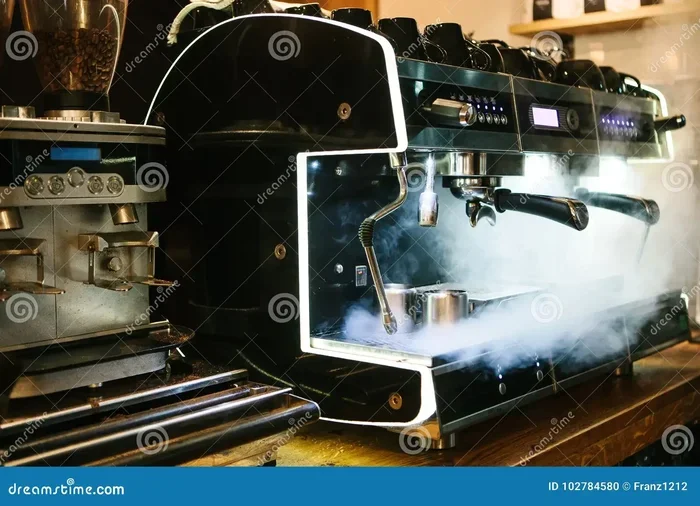
How To Heat Up Coffee In Coffee Maker The Easy Way
Heating up coffee in a coffee maker is simple, fast, and brings your favorite cup back to life. This guide shows you exactly how to use your machine to warm coffee the right way, avoid common mistakes, and get the best flavor every time. You will learn practical tips, settings, and tricks to make reheated coffee taste almost as good as a fresh brew.
There is nothing worse than pouring a cup of coffee only to find it has gone cold. Whether you stepped away to answer the phone or got distracted by a phone call, a cold cup of coffee can ruin your morning. The good news is that you do not need to dump it and start over. How to heat up coffee in coffee maker is a simple skill that saves time, money, and your favorite morning ritual.
Many people do not realize that a standard drip coffee maker works perfectly for reheating coffee. You do not need any fancy gadgets or special equipment. With just a few simple steps, you can bring your coffee back to the right coffee temperature and enjoy a warm, satisfying cup. This guide walks you through everything you need to know, from basic methods to pro tips that make a big difference.
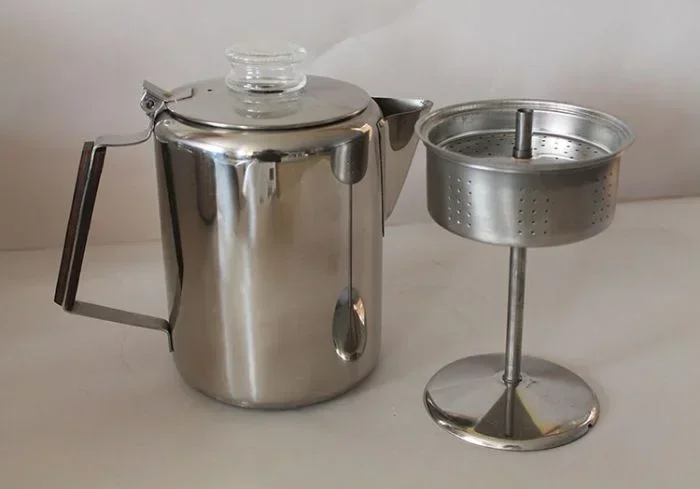
Whether you use a drip coffee maker, a single-serve machine, or a classic percolator, the principles stay the same. We will cover the safest methods, the mistakes to avoid, and the little tricks that turn lukewarm coffee into something enjoyable again. By the end, you will feel confident reheating coffee anytime.
Key Takeaways
- Use the brew cycle: Running a fresh water cycle through your coffee maker is the easiest and safest way to heat up coffee.
- Avoid boiling: Overheating coffee burns the flavor and creates a bitter taste that is hard to fix.
- Add fresh water first: Always start with clean water in the reservoir before adding your cold coffee.
- Know when to skip reheating: Coffee that has been sitting for more than 4 hours may taste stale and is better replaced with a fresh brew.
- Keep your machine clean: A clean coffee maker heats more evenly and produces better-tasting reheated coffee.
- Use the right carafe: Glass carafes heat differently than thermal ones, so adjust your method accordingly.
📑 Table of Contents
Why Does Coffee Go Cold So Fast?
Coffee loses heat quickly, especially if it is sitting in an open coffee carafe or mug. The surface area of the liquid allows heat to escape fast. A glass carafe is even worse because glass does not insulate well. If your coffee has been sitting out for more than 30 minutes, it has likely cooled down a lot.
The coffee flavor also changes as it sits. Oxidation happens when coffee meets air, which makes the taste stale or flat. This is one reason why reheated coffee sometimes tastes different from a fresh cup. But do not worry. With the right method, you can warm it up without making the flavor worse.
The Science Behind Cooling Coffee
Heat moves from hot objects to cooler ones. This is called conduction. When your hot coffee sits in a cold room, the warmth moves from the coffee into the air. The bigger the temperature difference, the faster the cooling. That is why a piping hot cup becomes lukewarm in less than 20 minutes.
Another factor is evaporation. The hot liquid releases steam, which carries heat away. Covering your coffee with a lid slows this process down a lot. If you know you will not finish your cup right away, put a lid on it right away. This keeps the coffee warmth locked in for longer.
How To Heat Up Coffee In Coffee Maker Step by Step
Now let us get to the main event. How to heat up coffee in coffee maker is straightforward once you know the exact steps. Follow this method for the best results every time.
Step 1: Empty and Rinse the Carafe
Start by pouring out any remaining cold coffee from the carafe. Give it a quick rinse with warm water. This removes any leftover residue and prepares the pot for the fresh cycle. A clean carafe ensures your reheated coffee does not pick up any old flavors.
Step 2: Fill the Reservoir with Fresh Water
Add fresh, cold water to the coffee maker reservoir. You do not need a full pot. Just enough to run through the machine and warm the coffee. About 4 to 6 ounces works well for a single cup. Using fresh water is important because it heats cleanly and does not carry any off-flavors.
Step 3: Pour Cold Coffee Back Into the Carafe
Pour your cold coffee into the carafe. Do not put coffee grounds in the filter basket. You are not brewing a new cup. You are simply using the machine’s heat to warm the existing coffee. This is a key difference that keeps the flavor intact.
Step 4: Run a Quick Brew Cycle
Turn on the coffee maker and let it run through a normal brew cycle. The hot water from the machine will pass through the coffee and warm it up. Do not let it sit on a hot plate for too long after the cycle finishes. Remove the carafe right away to avoid overheating.
Step 5: Taste and Adjust
Once the cycle is done, give the coffee a quick stir. Taste it to see if it is warm enough. If it still feels lukewarm, you can run the cycle one more time. But be careful not to overdo it, because reheat coffee too many times and the flavor will suffer.
Best Coffee Maker Settings For Warming Coffee
Not all coffee maker settings are the same when it comes to reheating. Using the wrong setting can burn your coffee or leave it unevenly warm. Here is what you need to know about getting the best results.
Use the Regular Brew Setting
The regular brew setting on most machines works perfectly for warming coffee. It heats water to the ideal coffee brewing temperature, which is between 195 and 205 degrees Fahrenheit. This is hot enough to warm your coffee without scorching it. Avoid using any “strong” or “bold” settings for reheating, as these can over-extract the coffee and make it taste bitter.
Skip the Hot Plate When Possible
Many coffee makers come with a hot plate that keeps coffee warm after brewing. While this sounds convenient, leaving coffee on a hot plate for too long causes it to taste burnt. If you are reheating coffee, run the brew cycle and then remove the carafe immediately. Do not let the machine continue heating your coffee on the hot plate.
Use the Small Cup Setting for Single Servings
If your machine has a small cup setting, use it when reheating a single serving. This setting uses less water and heats more quickly. It also gives you better control over the coffee temperature. You can stop the cycle sooner and check the warmth before it gets too hot.
Common Mistakes When Reheating Coffee
Reheating coffee seems easy, but there are a few mistakes that can ruin the taste. Avoid these common mistakes to get the best flavor every time.
Boiling the Coffee
The biggest mistake people make is letting the coffee boil. Boiling coffee tastes terrible. It brings out bitter compounds and destroys the pleasant coffee flavor you love. Always watch the machine during the cycle and remove the carafe as soon as the brew is done.
Reheating Coffee Too Many Times
Reheating coffee once or twice is fine. But reheating it three or more times breaks down the flavor compounds. The coffee becomes flat, bitter, and unappealing. If your coffee has been sitting out for a long time, it might be better to just brew a fresh cup instead of trying to reheat it again.
Forgetting to Clean the Machine
A dirty coffee maker can affect the taste of your reheated coffee. Old coffee oils and mineral buildup inside the machine can transfer flavors. Clean your machine regularly with vinegar and water to keep it running well and your coffee tasting fresh.
Using the Wrong Type of Coffee Maker
Not all machines are great for reheating. Single-serve pod machines, for example, are not designed to reheat liquid. You should only use a traditional drip coffee maker or a machine with a carafe for this purpose. If you have a pod machine, it is better to just make a fresh cup.
Tips For Better Tasting Reheated Coffee
Want your reheated coffee to taste almost as good as a fresh brew? Try these simple tips that make a real difference in flavor and warmth.
Add a Pinch of Salt
This might sound strange, but a tiny pinch of salt in your coffee before reheating reduces bitterness. Salt neutralizes the bitter compounds that form when coffee sits and cools. You will not taste the salt at all. You will just notice a smoother, better-balanced cup of hot coffee.
Use Filtered Water
The quality of the water you use matters. Filtered water has fewer minerals and impurities, which means it heats more cleanly and does not add any off-flavors to your coffee. If your tap water tastes good, that works too. But filtered water always gives the best results.
Warm the Carafe First
Before you pour your cold coffee back in, rinse the carafe with hot water. This warms the glass or stainless steel and prevents the cold carafe from pulling heat away from your coffee. It is a small step that makes a noticeable difference in how fast your coffee warms up.
Stir Halfway Through
Give your coffee a gentle stir in the middle of the brew cycle. This helps the heat distribute evenly throughout the liquid. Without stirring, the top might be hot while the bottom is still cool. A quick stir fixes this and gives you a consistent coffee warmth from first sip to last.
When To Just Make A Fresh Cup Instead
Sometimes reheating is not the best option. Knowing when to brew a fresh cup saves you from drinking bad-tasting coffee. Here are the signs that you should start over instead of reheating.
If your coffee has been sitting out for more than 4 hours, it is time to toss it. The coffee taste will have deteriorated too much. Reheating will not bring back the lost flavors. It is better to use your coffee maker machine for a fresh pot.
Another sign is a sour or rancid smell. Fresh coffee should smell rich and inviting. If your old coffee smells off, reheating it will not fix the problem. Trust your nose and start a new cup.
Also consider the type of coffee. Creamy or flavored coffees do not reheat well. The cream can separate and the flavors can turn odd. Black coffee reheats much better and holds its coffee flavor more reliably.
For comparison, reheating food works differently than reheating coffee. If you want to learn about reheating other dishes, check out how to reheat short ribs in the oven for great tips on warming up leftovers properly. Similarly, how to reheat deep dish in oven shows how oven reheating can bring pizza and casseroles back to life. And if you want to explore more about warming up other foods, how to heat up shepherds pie in the oven covers a classic dish that benefits from gentle, even reheating.
Final Thoughts
How to heat up coffee in coffee maker is one of those simple kitchen skills that makes your day better. It saves time, reduces waste, and keeps your coffee warm when you need it most. By following the steps in this guide, you can reheat coffee safely and enjoy a great-tasting cup without starting from scratch.
Remember to use fresh water, avoid boiling, and keep your machine clean. These small habits make a big difference in the taste and quality of your reheated coffee. The next time your morning cup goes cold, do not throw it away. Just follow these steps and enjoy a warm, satisfying brew.
A good coffee maker is more than just a brewing machine. It is a tool that gives you control over your coffee experience. Use it wisely, keep it clean, and it will serve you well for years to come. Now go ahead and warm up that cup of coffee. You have earned it.
Frequently Asked Questions
Can you put coffee back in a coffee maker to reheat it?
Yes, you can pour cold coffee into the carafe and run a short brew cycle with fresh water. This warms the coffee without brewing new grounds. Just do not let the coffee boil or sit on the hot plate too long.
Is it safe to reheat coffee in a coffee maker?
It is completely safe as long as you use fresh water and run a normal brew cycle. Avoid overheating or boiling the coffee, which can create a bitter taste. Keep an eye on the machine during the process.
How many times can you reheat coffee in a coffee maker?
You should only reheat coffee once or twice at most. Reheating it more than that breaks down the flavor and can make it taste flat or bitter. For the best taste, reheat only what you plan to drink.
Why does reheated coffee taste different?
Coffee changes as it sits because of oxidation and flavor loss. Reheating can bring back warmth but not the original brightness of flavor. Adding a pinch of salt or using fresh water can help improve the taste.
What is the best coffee maker for reheating coffee?
A standard drip coffee maker with a carafe works best for reheating. Single-serve pod machines are not designed for this purpose. Look for a machine with a reliable brew cycle and a good hot plate for even heating.
Can you reheat coffee in a coffee maker without running a full brew cycle?
You can run a partial cycle with just a few ounces of water. This saves time and water while still warming the coffee. Just make sure the water is hot enough to warm the coffee through evenly.