How Long Should Coffee Sit After Brewing for Best Flavor
Coffee should generally sit for 3 to 5 minutes after brewing to allow flavors to balance and temperatures to reach a drinkable range. The ideal resting time depends on your brewing method, with espresso needing less time than French press. Waiting too long can cause bitterness and stale flavors, while the right rest enhances aroma and body.
There is something almost ritualistic about waiting for a fresh cup of coffee to cool down just enough to take that first sip. But how long should coffee sit after brewing before you drink it? This question matters more than most coffee lovers realize. The resting time after brewing directly impacts the flavor, aroma, and overall experience of your cup.
Many people pour a cup the moment the brewing cycle ends. Others let it sit for much longer without thinking. Both approaches have consequences. Too little waiting and the coffee can taste sharp or overly acidic. Too much waiting and it turns bitter or flat. The sweet spot exists, and once you find it, your daily coffee routine will never feel the same.
This guide breaks down everything you need to know about coffee resting time. We will cover the science behind it, the best waiting times for each brewing method, and practical tips to get the most out of every cup. Whether you use a drip machine, a French press, or an espresso maker, this article has you covered.
Key Takeaways
- 3 to 5 minutes is the sweet spot for most brewed coffee to develop balanced flavor.
- Different brewing methods require different resting times for optimal taste.
- Oxidation starts degrading coffee flavor after about 30 minutes at room temperature.
- French press coffee benefits from a slightly longer rest than drip coffee.
- Reheating brewed coffee is not recommended as it accelerates flavor loss.
- Proper storage in a thermal carafe can extend the enjoyable drinking window.
- Freshly ground beans and proper brewing temperature reduce the need for long resting.
📑 Table of Contents
- Why Coffee Needs Time to Rest After Brewing
- The Science Behind Coffee Flavor Development
- Ideal Waiting Times by Brewing Method
- Signs Your Coffee Has Waited Too Long
- How to Store Brewed Coffee Properly
- Quick Tips for Perfect Coffee Resting
- Common Mistakes People Make with Resting Coffee
- Expert Insights on Coffee Resting Time
- Conclusion
Why Coffee Needs Time to Rest After Brewing
When hot water passes through coffee grounds, it extracts hundreds of compounds. These include acids, sugars, oils, and aromatic molecules. The extraction process does not stop the moment the water stops flowing. Chemical reactions continue inside the liquid, and the coffee evolves in flavor as it cools.
Resting allows several important things to happen. First, the coffee grounds settle to the bottom, especially in immersion brewing methods. This creates a cleaner cup with less sediment. Second, the temperature drops to a range where your taste buds can actually perceive the full spectrum of flavors. Third, volatile compounds that taste harsh when hot soften and integrate into the overall profile.
Think of it like a stew that needs to simmer before serving. The flavors need time to meld together. Coffee is no different. The brief pause between brewing and drinking can be the difference between a good cup and a great one.
The Role of CO2 and Coffee Bloom
Freshly brewed coffee contains dissolved carbon dioxide. This gas creates a slightly acidic and sharp taste when it is still very active. As coffee sits, CO2 gradually escapes from the liquid. This process is closely related to the coffee bloom you see during brewing, where gases release from the grounds when hot water first contacts them.
Letting the CO2 dissipate naturally is one of the main reasons rest time matters. A cup brewed with very fresh, recently roasted beans will have more CO2 and may need a slightly longer rest than coffee made with older grounds. This is also why coffee freshness plays a role in how long you should wait.
The Science Behind Coffee Flavor Development
Understanding a bit of coffee extraction science helps explain why timing matters. When water extracts compounds from coffee grounds, it pulls them in a predictable order. Acids come out first, followed by sugars, then heavier oils and bitter compounds. A well-extracted brew balances all of these elements.
After brewing, the chemical composition continues to shift. Some acids break down. Sugars interact with oxygen in a process called coffee oxidation. Aromatic compounds that give coffee its wonderful smell start to evaporate. All of these changes happen over time, and they change the way coffee tastes.
How Oxidation Affects Your Cup
Oxidation is the biggest enemy of brewed coffee flavor. When coffee comes into contact with air, oxygen reacts with the aromatic oils and compounds. This is the same process that causes an apple slice to turn brown. In coffee, oxidation mutes the bright, complex flavors and leaves behind a flat, stale taste.
The oxidation process starts immediately after brewing. Within the first 10 to 15 minutes, the changes are subtle. After 30 minutes, most coffee drinkers will notice a significant difference in flavor. After an hour, the coffee taste has deteriorated considerably. This is why experts recommend drinking coffee within 30 minutes of brewing for the best experience.
Interestingly, the rate of oxidation depends on several factors. Coffee stored in a sealed thermal carafe oxidizes much more slowly than coffee left in an open mug. Coffee temperature also plays a role, since heat accelerates chemical reactions. Keeping your coffee at the right temperature is key to preserving flavor during the resting period.
Ideal Waiting Times by Brewing Method
Not all coffee brewing methods are the same. Each one extracts flavors differently and produces a cup that benefits from a specific resting window. Here is a breakdown of the ideal coffee resting time for the most popular methods.
Drip and Pour Over Coffee
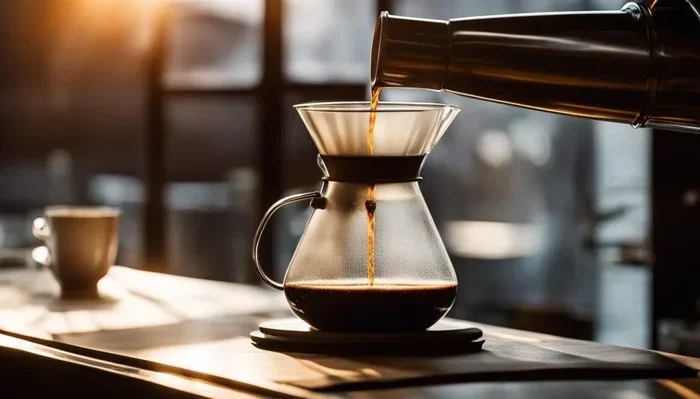
For standard drip coffee and pour over methods like the Chemex or Hario V60, 3 to 4 minutes is the ideal resting time. These methods produce a clean cup with relatively low sediment. The coffee is hot when it finishes brewing, and a few minutes allows the temperature to drop into the optimal drinking range of 155 to 175 degrees Fahrenheit.
Pour over coffee enthusiasts often notice that the first minute of cooling brings out the sweetness. The acidity softens and the coffee body becomes more pronounced. Waiting longer than 5 minutes for drip coffee usually leads to a stale, flat taste. Set a timer if you tend to get distracted.
French Press Coffee
French press coffee benefits from a slightly longer rest. 4 to 5 minutes is the recommended window. This is because the coffee grounds steep in water during the entire brewing process. When you press the plunger down, some fine particles remain suspended in the liquid.
Letting French press coffee sit for an extra minute allows more of these particles to settle. The result is a cleaner, smoother cup. It also gives the full range of extracted flavors time to develop. French press fans often say the coffee tastes better after a short rest than it does right after pressing.
If you are using coarsely ground coffee in your French press, the settling process is even easier. Coarse grounds drop to the bottom faster, making the coffee ready to enjoy sooner. Fine grounds, on the other hand, stay suspended longer and can create a grittier texture if you pour too early.
Espresso and Stovetop Moka Pot
Espresso and Moka pot coffee require the shortest resting time. 1 to 2 minutes is usually sufficient. These methods produce concentrated coffee with intense flavors. The high pressure and temperature during extraction pull out a wide range of compounds very quickly.
Espresso needs to cool slightly before drinking because it comes out of the machine at extremely high temperatures. A 1 to 2 minute rest allows the crema to settle and the flavors to round out. For those who drink espresso-based drinks like lattes or cappuccinos, the added milk further cools the beverage, so less resting time is needed.
Moka pot coffee sits somewhere between espresso and drip coffee in terms of concentration. 3 minutes of resting works well for most Moka pot brews. The coffee should be poured into a pre-warmed cup to maintain its temperature without continuing to extract bitter compounds from the residual heat.
Aeropress Coffee
Aeropress coffee is unique because the brewing time is very short, usually 1 to 2 minutes. The coffee is then forced through a filter at low pressure. 2 to 3 minutes of resting after brewing gives the flavors time to settle and develop fully. Aeropress coffee tends to be smooth and clean, and the short rest preserves that quality.
Many Aeropress users prefer to drink their coffee at a slightly cooler temperature than other methods. The short brew time and paper filter produce a cup that is less acidic and more mellow. A brief rest enhances these characteristics.
Signs Your Coffee Has Waited Too Long
Knowing when coffee has rested long enough is just as important as knowing how long to wait. There are clear signs that your cup has gone past the optimal window. Recognizing these signs helps you avoid a disappointing drink.
- Flat aroma: The wonderful smell of fresh coffee is significantly reduced. This is the first and most obvious sign of over-resting.
- Bitter taste: Prolonged exposure to air causes certain compounds to break down into bitter flavors. If your coffee tastes harsh or astringent, it has likely sat too long.
- Thin body: Well-rested coffee has a satisfying mouthfeel. Coffee that has oxidized too much feels watery and lacks depth.
- Sour or stale notes: Instead of bright, pleasant acidity, the coffee tastes flat or sour. This indicates the flavor compounds have degraded.
- Cool temperature: If the coffee has cooled to room temperature, it has almost certainly passed the ideal drinking window. Reheating cold coffee only makes the problems worse.
Remember that coffee quality also matters. Higher quality, freshly roasted beans have more complex flavors that evolve more gracefully over short rest periods. Lower quality or stale beans will deteriorate faster and offer less flavor complexity even at the optimal resting time.
How to Store Brewed Coffee Properly
If you cannot finish your cup in one sitting, proper storage makes a big difference. The goal is to slow down oxidation and preserve the coffee aroma and flavor for as long as possible.
Use a Thermal Carafe
A thermal carafe is the best tool for keeping brewed coffee fresh. Unlike glass carafes that sit on a hot plate, thermal carafes maintain temperature without applying additional heat. The lack of direct heat means the coffee does not continue to extract or develop bitter flavors.
Preheat your thermal carafe with hot water before pouring in the freshly brewed coffee. This keeps the temperature stable and extends the enjoyable drinking window by 30 to 60 minutes. Coffee stored in a thermal carafe tastes significantly better than coffee left on a warming plate.
Avoid the Refrigerator
Some people store leftover coffee in the refrigerator for later. While this is better than letting it sit at room temperature for hours, it is not ideal. Refrigeration changes the flavor profile and can introduce moisture and odors. If you must refrigerate coffee, store it in an airtight container and reheat gently.
However, cold brew coffee is a completely different story. Cold brew is designed to be stored in the refrigerator and lasts up to 7 to 10 days. The cold extraction process produces a stable concentrate that does not degrade as quickly as hot brewed coffee.
Freezing Coffee for Later Use
An interesting trick is freezing leftover brewed coffee in ice cube trays. These coffee ice cubes can be added to cold drinks or used to dilute hot coffee without watering it down. They are especially useful for iced coffee lovers who want a strong, flavorful cold drink without the dilution problem.
Freezing does change the texture and some of the aromatic qualities of coffee. But for practical purposes, frozen coffee cubes are a great way to reduce waste and enjoy your brew over a longer period. Just make sure you are not freezing coffee that has already been sitting for too long at room temperature.
Quick Tips for Perfect Coffee Resting
- Use a timer: Set a 3 to 5 minute timer after brewing. It removes the guesswork and ensures consistency.
- Preheat your cup: A warm cup keeps coffee at the right temperature during the resting period.
- Do not cover tightly: Letting steam escape allows excess CO2 to leave, improving the flavor.
- Grind fresh: Freshly ground coffee produces a cleaner, more stable brew that rests better.
- Brew at the right temperature: Water between 195 and 205 degrees Fahrenheit extracts the best flavors and reduces the need for long resting.
- Drink within 30 minutes: This is the golden window for enjoying brewed coffee at its peak flavor.
Common Mistakes People Make with Resting Coffee
Even experienced coffee drinkers make mistakes when it comes to resting their brew. Here are the most common ones to avoid.
- Leaving coffee on a hot plate. The continuous heat extracts bitter compounds and ruins the flavor within minutes. Always transfer coffee to a thermal carafe or insulated mug.
- Waiting too long out of habit. Some people let coffee sit for 20 minutes or more because they get distracted. By then, the flavor has significantly degraded.
- Reheating coffee multiple times. Each reheating cycle breaks down more flavor compounds. If you need to reheat, do it once and gently.
- Ignoring the grind size. Too fine a grind over-extracts and creates a bitter base that only gets worse with resting time. Match your grind to your brewing method.
- Not considering roast level. Dark roasts tend to taste better with a shorter rest, while lighter roasts benefit from a slightly longer waiting period to develop their complex flavors.
Expert Insights on Coffee Resting Time
Professional baristas and coffee roasters consistently emphasize the importance of resting time. According to the Specialty Coffee Association, brewed coffee should be consumed within 20 to 30 minutes of brewing for the best flavor experience. This aligns with the resting windows recommended in this guide.
Many baristas also recommend a technique called “blooming” before the full pour. This involves pouring a small amount of hot water over the grounds and waiting 30 to 45 seconds before continuing. The bloom releases CO2 and prepares the grounds for even extraction. Coffee that is properly bloomed during brewing tends to rest more gracefully and taste better after the short waiting period.
Some coffee professionals also suggest that the ideal resting time varies with the coffee roast level. Light roasts, which are more acidic and complex, benefit from an extra minute or two of rest. The additional time allows the brighter flavors to integrate with the sweeter, smoother notes. Dark roasts, which are bolder and more uniform in flavor, are ready to drink sooner.
If you use a Cuisinart coffee maker or similar automatic drip machine, the resting principle still applies. The machine does the work, but you still need to let the coffee sit for a few minutes before drinking. Transferring the finished brew to a separate container prevents over-extraction from the hot plate.
Conclusion
How long should coffee sit after brewing is a question with a clear answer: 3 to 5 minutes for most methods, with slight variations depending on your brewing technique. This short window allows the flavors to develop, the temperature to drop, and the bitter compounds to settle. The result is a smoother, more flavorful cup that highlights the best qualities of your beans.
The science behind coffee resting is straightforward. Oxidation, CO2 release, and continued extraction all play a role in how your coffee tastes in those first few minutes after brewing. By understanding these processes and following the guidelines in this article, you can consistently brew better coffee at home.
Remember that quality ingredients matter too. Freshly roasted beans, proper grind size, and clean water all contribute to a great cup that benefits from the right resting time. Start experimenting with different wait times and pay attention to how each cup tastes at different stages. Your palate will thank you.
The next time you brew a fresh pot, resist the urge to pour immediately. Give your coffee the few minutes it needs to reach its full potential. That small act of patience transforms an ordinary cup into something truly special.
Frequently Asked Questions
Can I drink coffee immediately after brewing?
You can, but the flavor will not be at its best. Hot coffee tastes sharper and more acidic because the volatile compounds have not yet settled. Waiting 3 to 5 minutes allows the flavors to balance and the temperature to become comfortable for drinking.
Does coffee go bad if it sits too long?
Brewed coffee does not become unsafe to drink after sitting out, but it loses flavor significantly. After about 30 minutes, oxidation starts to dull the taste. After a few hours, the coffee will taste stale and bitter. It is best to drink coffee within 30 minutes of brewing for optimal flavor.
How long can brewed coffee sit in a thermal carafe?
Brewed coffee stays fresh in a thermal carafe for up to 1 to 2 hours. The insulated environment slows oxidation and maintains temperature without over-extraction. After 2 hours, the flavor will start to noticeably decline.
Does the type of coffee bean affect resting time?
Yes, it does. Light roast beans tend to benefit from a slightly longer rest of 4 to 5 minutes because they have more complex, bright flavors that need time to integrate. Dark roast beans are generally ready after 2 to 3 minutes since their flavors are bolder and more uniform.
Is it okay to reheat coffee after it has cooled?
Reheating coffee once is generally fine, but it will not restore the original flavor. Reheating accelerates oxidation and breaks down more flavor compounds. If you need to reheat, do so gently on low heat and drink it immediately.
What is the best way to keep coffee warm without ruining the flavor?
The best method is using a thermal carafe or an insulated travel mug. These containers maintain warmth without applying direct heat, which prevents over-extraction and bitterness. Avoid leaving coffee on a hot plate or warming tray for extended periods.