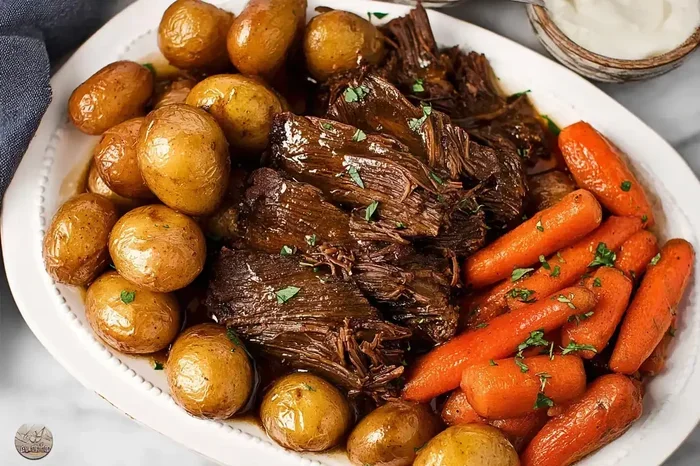
When Is The Best Time To Add Potatoes To Pot Roast In Oven
Knowing when to add potatoes to pot roast in oven makes all the difference between mushy and perfectly tender spuds. Adding potatoes at the right time ensures they soak up rich juices without falling apart. Most experts agree that potatoes should go in during the last 45 to 60 minutes of cooking. The type of potato you choose and your oven temperature also play big roles. This guide walks you through every step for pot roast perfection.
There is nothing quite like a pot roast in oven on a cold evening. The aroma fills your kitchen, and the anticipation of a hearty meal builds with every passing minute. But here is the question that trips up so many home cooks: when is the best time to add potatoes to pot roast in oven?
Getting the timing right can mean the difference between perfect, fluffy potatoes and a pot of mush. I have made this mistake more times than I care to admit. And I have learned the hard way that timing is everything when it comes to cooking potatoes alongside beef chuck roast. In this guide, I will walk you through the exact timing, the best potato types, and common pitfalls to avoid.
Whether you are a beginner in the kitchen or a seasoned home cook looking to refine your technique, this article covers it all. You will learn how long to cook pot roast with potatoes, what oven temperature works best, and why the last hour of cooking is the golden window for adding your spuds. Let us dive in.
Key Takeaways
- Add potatoes in the last 45 to 60 minutes: This prevents them from turning to mush while absorbing maximum flavor.
- Yukon Gold and russet potatoes work best: Each brings a different texture and flavor profile to your pot roast.
- Oven temperature matters: A 325°F oven is the sweet spot for slow-cooked pot roast with potatoes.
- Cut potatoes into large chunks: Larger pieces hold their shape better during long cooking times.
- Avoid adding potatoes too early: Early addition leads to overcooked, disintegrating potatoes that cloud your gravy.
- Season potatoes separately: Tossing them with herbs and salt before adding enhances their flavor significantly.
- Rest your pot roast before serving: Letting the meat rest allows juices to redistribute for a better overall dish.
📑 Table of Contents
- Why Timing Matters When Adding Potatoes To Pot Roast
- Best Potatoes For Pot Roast In The Oven
- Step-By-Step: When And How To Add Potatoes To Pot Roast
- Oven Temperature And Time Guide For Pot Roast With Potatoes
- Common Mistakes To Avoid When Adding Potatoes
- Expert Tips For The Perfect Pot Roast With Potatoes
- Key Takeaways
- Frequently Asked Questions
- Conclusion
Why Timing Matters When Adding Potatoes To Pot Roast
The timing of when you add your potatoes has a huge impact on the final dish. Potatoes cook at a different rate than beef. Beef chuck roast needs several hours to become tender and falling-apart soft. Potatoes, on the other hand, break down much faster when exposed to prolonged heat and liquid.
If you drop potatoes into the pot too early, they will overcook. They will turn mushy and start to dissolve into your braising liquid. This creates a cloudy, starchy gravy that lacks texture. Nobody wants that. On the flip side, add them too late and the potatoes will be hard and undercooked in the center.
The sweet spot for adding potatoes to pot roast in oven is typically during the last 45 to 60 minutes of cooking. This gives them enough time to become tender and absorb the savory juices without falling apart completely. The result is potatoes that hold their shape, taste incredible, and complement the beef beautifully.
How Potatoes Cook Differently Than Beef
Beef chuck roast is a tough cut of meat. It has a lot of connective tissue that needs time to break down. This is why oven pot roast recipes call for low and slow cooking at around 325°F for three to four hours. The collagen in the meat converts to gelatin, which creates that rich, silky texture we all love.
Potatoes are starchy vegetables. They have a much shorter cooking window. When boiled or braised for too long, the starch granules burst and the potato loses its structure. This is why pot roast vegetables timing matters so much. Carrots can handle a longer cook than potatoes. Onions soften quickly but hold their form. Potatoes need a more precise window.
The Role Of Your Braising Liquid
Your braising liquid also affects how potatoes cook. A tomato-based or red wine braise can break down potatoes faster than a clear beef broth. The acidity in tomatoes and wine accelerates the softening process. If you are using an acidic liquid, consider adding your potatoes even closer to the 45-minute mark rather than the full 60 minutes.
Also, the amount of liquid matters. If your pot roast sits in a deep pool of gravy, the potatoes will cook faster because more surface area is submerged. In a drier braise with less liquid, potatoes may need the full 60 minutes to cook through.
Best Potatoes For Pot Roast In The Oven
Not all potatoes are created equal when it comes to pot roast with potatoes in oven. The variety you choose affects texture, flavor, and how well they hold up during cooking. Here are the top options.
Yukon Gold Potatoes
Yukon Gold potatoes are my personal favorite for pot roast. They have a buttery, creamy texture that becomes luxurious when braised. Their thin, delicate skin holds up reasonably well during cooking. They are medium-starchy, which means they soften beautifully without turning to complete mush.
Yukon Golds also have a natural buttery flavor that pairs wonderfully with beef. They absorb the juices of the pot roast and become incredibly savory. If you want creamy, flavorful potatoes alongside your roast, Yukon Golds are the way to go.
Russet Potatoes
Russet potatoes are the classic choice for many oven pot roast recipes. They are high in starch, which means they become fluffy on the inside when cooked. However, they also have a tendency to fall apart more easily than Yukon Golds.
If you love fluffy, mashed-style potatoes that blend into your gravy, russets are a great option. Just know that they need a little more care. Cut them into larger chunks and add them closer to the 45-minute mark to prevent them from disintegrating.
Red Potatoes
Red potatoes are waxy and hold their shape very well. They have a firmer texture that survives long braises better than most other varieties. They are a solid choice if you want potatoes that look and feel distinct on the plate.
Red potatoes have a mild, slightly sweet flavor. They do not absorb as much of the pot roast juices as starchier varieties, but they still taste great. They are an excellent option for beef pot roast in oven when you want defined potato pieces in every bite.
Comparison Table: Best Potatoes For Pot Roast
| Potato Type | Starch Level | Texture After Cooking | Best For |
|---|---|---|---|
| Yukon Gold | Medium | Creamy, holds shape well | Overall best all-around choice |
| Russet | High | Fluffy, may break down | Rich, gravy-integrated potatoes |
| Red Potato | Low | Firm, holds shape very well | Distinct potato pieces in every bite |
Step-By-Step: When And How To Add Potatoes To Pot Roast
Now that you understand the timing and potato varieties, let us walk through the actual process. This step-by-step guide ensures you get perfect results every single time.
Step 1: Prep Your Beef First
Start by seasoning your beef chuck roast generously with salt, pepper, garlic powder, and any other spices you prefer. Sear it in a hot Dutch oven or oven-safe pot with a little oil. You want a deep brown crust on all sides. This step builds the flavor foundation for your entire dish.
Remove the beef and set it aside. In the same pot, sauté your onions and carrots until they soften slightly. This usually takes about five minutes. Add your beef broth, tomato paste, or red wine, depending on your recipe. Return the beef to the pot.
Step 2: Cover And Place In The Oven
Cover the pot with a tight-fitting lid or aluminum foil. Place it in a preheated oven set to 325°F. Let the beef cook for about two and a half to three hours. This is the period where the collagen breaks down and the meat becomes tender.
Do not open the lid too often during this phase. Every time you lift the lid, you lose heat and moisture. This extends the cooking time and can dry out your roast. Trust the process and let the oven do the work.
Step 3: Prep Your Potatoes While The Roast Cooks
About 45 minutes before the roast is done, start prepping your potatoes. Peel them or leave the skin on, depending on your preference. Cut them into large chunks, about two inches each. Larger pieces hold their shape better during the final cooking phase.
Toss the potato chunks with a little olive oil, salt, pepper, and fresh herbs like rosemary or thyme. This light seasoning adds flavor directly to the potatoes and helps them crisp up slightly at the edges.
Step 4: Add The Potatoes To The Pot
Carefully remove the lid and check the beef. It should be fork-tender at this point. Nestle the seasoned potato chunks around and under the beef. Push them partially into the braising liquid so they are submerged about halfway.
Replace the lid and return the pot to the oven. Cook for an additional 45 minutes to one hour. Check the potatoes with a fork. They should slide in easily with no resistance. If they are still hard in the center, give them another 10 to 15 minutes.
Step 5: Rest And Serve
Remove the pot from the oven and let everything rest for about 10 to 15 minutes. This resting period allows the juices to redistribute throughout the meat and vegetables. The gravy will also thicken slightly as it cools.
Serve the pot roast on a large platter surrounded by the potatoes and carrots. Spoon the rich braising liquid over the top. Garnish with fresh parsley if you like. Your pot roast with potatoes in oven is ready to impress.
Oven Temperature And Time Guide For Pot Roast With Potatoes
Oven temperature is a critical factor in how long to cook pot roast with potatoes. Different temperatures require different adjustments to your potato timing. Here is a detailed guide.
325°F: The Gold Standard
Most oven pot roast recipes call for 325°F. This temperature cooks the beef slowly and evenly, allowing the connective tissue to break down without drying out the meat. At this temperature, a three-to-four-pound chuck roast typically needs about three hours before you add the potatoes.
Add your potatoes during the last 45 to 60 minutes. They will cook through perfectly and absorb the braising liquid without falling apart. This is the most reliable temperature for beginners and experienced cooks alike.
350°F: A Faster Option
If you are short on time, you can cook your pot roast at 350°F. The higher temperature reduces the overall cooking time by about 30 to 45 minutes. However, the beef may be slightly less tender than at 325°F.
At 350°F, add your potatoes during the last 35 to 45 minutes. The higher heat cooks the potatoes a bit faster, so watch them closely to avoid overcooking. Check them with a fork at the 35-minute mark.
300°F: The Low And Slow Approach
Some cooks prefer 300°F for an ultra-tender pot roast. This lower temperature extends the cooking time but produces incredibly melt-in-your-mouth beef. At 300°F, a chuck roast may need four to five hours.
Add potatoes during the last 60 minutes at this temperature. The long, gentle heat gives potatoes plenty of time to cook through without losing their structure. This method works beautifully with Yukon Gold potatoes.
Common Mistakes To Avoid When Adding Potatoes
Even experienced cooks make mistakes with when to add potatoes to pot roast in oven. Here are the most common errors and how to avoid them.
Adding Potatoes Too Early
This is the number one mistake. Potatoes added at the beginning of cooking will overcook and dissolve into your braising liquid. The result is a starchy, thin gravy and mushy potatoes. Resist the urge to add everything at once. Pot roast vegetables timing matters, and potatoes need the shortest cook time of all the common vegetables.
Cutting Potatoes Too Small
Small potato chunks overcook very quickly. They turn to mush within minutes and lose all structure. Always cut your potatoes into large chunks, at least two inches in diameter. This gives them enough mass to cook through without disintegrating.
Using The Wrong Potato Variety
As I mentioned earlier, not all potatoes are suited for pot roast. Using a very waxy potato like a fingerling can result in hard, undercooked centers. Using a very starchy potato like a russet can result in potatoes that fall apart. Choose your variety wisely based on your desired texture.
Overcrowding The Pot
Adding too many potatoes to the pot traps steam and prevents even cooking. The potatoes at the bottom sit in liquid and become waterlogged, while the ones on top stay undercooked. Keep the potato quantity proportional to the size of your roast. A good rule of thumb is one pound of potatoes for every two pounds of beef.
Skipping The Seasoning Step
Some people toss potatoes directly into the pot without any seasoning. This is a missed opportunity. Potatoes are mild in flavor and need their own seasoning to shine. A quick toss with olive oil, salt, pepper, and fresh herbs before adding them to the pot makes a noticeable difference.
Expert Tips For The Perfect Pot Roast With Potatoes
Here are some pro tips that will elevate your beef pot roast in oven from good to outstanding.
Use Beef Broth Instead Of Water
If your recipe calls for water, swap it for beef broth. The broth adds depth and richness to the braising liquid, which the potatoes will absorb. Homemade broth is ideal, but a good store-bought brand works well too.
Add A Bay Leaf And Fresh Thyme
A bay leaf and a few sprigs of fresh thyme in the braising liquid add an incredible layer of flavor. Remove the bay leaf before serving. The thyme infuses the potatoes and beef with a subtle, savory aroma that is hard to beat.
Let The Roast Rest Before Adding Potatoes
Some cooks remove the beef from the pot, add potatoes to the liquid, and then return the beef. This is an excellent technique. It lets you monitor the potatoes more closely and prevents them from being buried under the meat. The beef resting also gives you time to prep the potatoes properly.
Gravy From The Pot Roast Drippings
The potatoes release starch as they cook, which naturally thickens the braising liquid. This creates a wonderfully silky gravy without any extra work. If the gravy is too thin, you can simmer it on the stovetop for a few minutes after removing the roast and potatoes.
Make Ahead And Reheat
Pot roast with potatoes tastes even better the next day. The flavors meld together overnight in the refrigerator. When reheating, add a splash of beef broth to loosen the gravy. Reheat gently on the stovetop or in the oven at 300°F until warmed through.
Key Takeaways
- Add potatoes during the last 45 to 60 minutes: This is the single most important rule for perfect pot roast potatoes.
- Yukon Gold potatoes are the top choice: They offer the best balance of creaminess and structural integrity.
- Cut potatoes into large chunks: Two-inch pieces hold their shape and cook evenly.
- 325°F is the ideal oven temperature: It provides the most consistent and reliable results for pot roast with potatoes.
- Season potatoes before adding them: A little olive oil, salt, and herbs go a long way.
- Avoid adding potatoes too early: Overcooked potatoes ruin the texture of the entire dish.
- Let the roast rest before serving: This simple step makes a big difference in juiciness and flavor.
Frequently Asked Questions
Can I add potatoes at the beginning of cooking a pot roast?
You can, but the results will not be ideal. Potatoes added at the start will overcook and break down into your braising liquid. They will become mushy and may cloud your gravy. For the best texture and flavor, add potatoes during the last 45 to 60 minutes of cooking. This gives them enough time to become tender while holding their shape.
What is the best potato for pot roast in the oven?
Yukon Gold potatoes are widely considered the best choice for pot roast. They have a medium starch content that gives them a creamy texture without falling apart. Russet potatoes work well too if you prefer fluffier potatoes that blend into the gravy. Red potatoes are great if you want firm pieces that hold their shape throughout the cook.
How long should a pot roast cook in the oven at 325°F?
A standard beef chuck roast cooks for about three to four hours at 325°F, depending on the size. A three-to-four-pound roast typically needs about three hours. Plan to add your potatoes during the last 45 to 60 minutes of this cooking time. Use a meat thermometer to check that the internal temperature reaches 195°F for the most tender results.
Can I use frozen potatoes for pot roast?
It is not recommended. Frozen potatoes release excess moisture as they thaw, which can dilute your braising liquid and affect the texture. Fresh potatoes give you much better control over cooking time and results. If you must use frozen, thaw them completely first and pat them dry before adding them to the pot roast.
Should I cover the pot when adding potatoes?
Yes, keep the lid on when the potatoes are cooking in the oven. The lid traps steam and heat, which helps the potatoes cook evenly and absorb the braising liquid. However, if you prefer a thicker gravy with less liquid, you can remove the lid for the last 15 minutes to allow some moisture to evaporate.
Can I add other vegetables at the same time as potatoes?
Carrots and potatoes can be added at the same time since they have similar cooking times. Onions and celery should go in earlier with the beef since they need more time to soften. Avoid adding delicate vegetables like zucchini or green beans until the last 20 minutes, as they cook much faster than potatoes.
Conclusion
Knowing when to add potatoes to pot roast in oven is the secret to a truly memorable meal. The key is simple: add your potatoes during the last 45 to 60 minutes of cooking at 325°F. Choose Yukon Gold or russet potatoes for the best results. Cut them into large chunks, season them well, and nestle them around the beef.
Avoid the common mistake of adding potatoes too early. Resist the temptation to throw everything in the pot at the start. Patience pays off with perfectly tender potatoes that soak up all the rich, savory flavors of your pot roast.
Now that you have all the tips and timing guidelines, it is time to put them into practice. Your next pot roast with potatoes in oven will be the best one yet. The beef will be fork-tender, the potatoes will be creamy and flavorful, and the gravy will be thick and rich. Your family and guests will not stop raving. Enjoy the process and savor every bite.