Salmon Skin Side Up Or Down In Oven For Best Results
Discover how Salmon Skin Side Up Or Down In Oven affects crispiness and moisture. This guide covers temperature, timing, and pro tips for perfect baked salmon every time.
When you decide to bake salmon, one simple choice changes everything: Salmon Skin Side Up Or Down In Oven. The position of the skin affects crispiness, moisture, and overall texture. Many home cooks don’t realize that flipping the fillet can lead to a completely different dish. You might end up with flaky, moist flesh or a tough, dry piece of fish. The good news is that mastering this one step takes just a few minutes.
This guide walks you through exactly how to position your salmon for the best results. I’ll explain the science behind skin crisping and why placement matters. You’ll learn the ideal oven temperature, timing, and a few pro tricks that restaurants use. Whether you prefer a crispy, crackling skin or a buttery, soft one, you’ll find the method here. By the end, you’ll never second-guess the placement again.
Key Takeaways
- Skin side down: Creates crispy, golden skin and prevents the flesh from drying out.
- Skin side up: Keeps the fillet moist but results in softer, less crispy skin.
- Oven temperature matters: 400°F to 425°F is ideal for both methods.
- Pat the salmon dry: Removing moisture is the single biggest step for crispy skin.
- Use a wire rack: Allows air to circulate under the fillet for even crisping.
- Timing is key: Bake for 12–15 minutes for a perfect medium-rare center.
- Rest the fish: Let salmon sit for 3 minutes after baking to lock in juices.
📑 Table of Contents
Why Salmon Skin Side Up Or Down In Oven Changes Everything
Placing salmon skin side down in the oven exposes the skin directly to the hot metal. That contact creates a Maillard reaction, which is the chemical process behind browning and crisping. The skin becomes golden and crackly while the flesh gently steams in its own juices. On the other hand, putting the skin side up shields the delicate fish from direct heat. The result is a softer, more delicate texture with less browning on the skin itself.
Many people ask, “Should I bake salmon skin side up or down in oven?” The answer depends on what you want. Do you crave a crunchy, lacy texture that snaps when you bite through it? Then skin side down is your winner. Do you want the fish to stay extra moist and the skin to be silky and pliable? Then skin side up works better. Both methods produce delicious oven-baked salmon, but they deliver a different eating experience.
Here is a simple comparison to help you choose.
| Position | Crispiness | Moisture | Best For | Skin Texture |
|---|---|---|---|---|
| Skin Side Down | Very crispy | Moderate | Crispy salmon skin lovers | Golden, lacy, crackling |
| Skin Side Up | Soft, pliable | High | Moist, buttery fillets | Silky, tender |
As you can see, the choice is clear once you know what you prefer. The next section covers the exact oven temperature you need for either method.
The Best Oven Temperature For Baking Salmon
Temperature is the hidden factor that makes or breaks your oven-baked salmon. Too low and the skin never crisps. Too high and the outside burns before the inside cooks through. The sweet spot for most salmon fillet recipes is between 400°F and 425°F. At this range, the skin renders its fat quickly and turns golden without burning.
Here is a quick breakdown of common temperatures and what they do.
- 400°F: Gentle heat. Great for thick fillets. Gives you more control over doneness.
- 425°F: Higher heat. Perfect for thin fillets. Produces a fast, crispy skin.
- 375°F: Low and slow. Best for very delicate wild salmon that might dry out.
If you use a convection oven, reduce the temperature by 25°F. The fan circulates hot air more efficiently, so your salmon skin side up or down in oven will cook faster. Always preheat the oven for at least 10 minutes. A hot oven is essential for a crispy finish.
I also recommend lining your baking sheet with parchment paper or a silicone mat. This prevents the skin from sticking and makes cleanup a breeze. A common mistake is placing salmon directly on a bare, ungreased pan. That almost always leads to the skin tearing when you try to flip it.
Step-by-Step: How To Bake Salmon Skin Side Up Or Down In Oven
Now let’s get into the practical steps. I’ll walk you through both methods so you can pick the one that fits your craving.
Method 1: Skin Side Down For Crispy Skin
- Pat the salmon fillet completely dry with paper towels. This is the most important step for crispy skin.
- Season the flesh side with salt, pepper, and a drizzle of olive oil.
- Place the fillet skin side down on the prepared baking sheet. Press it gently with your palm for the first 30 seconds. This helps the skin make full contact with the pan.
- Bake at 425°F for 12–15 minutes. The exact time depends on the thickness of the fillet.
- Check for doneness. The flesh should be opaque and flake easily with a fork. The internal temperature should reach 125°F for medium-rare or 145°F for well-done.
- Remove from the oven and let it rest for 3 minutes before serving.
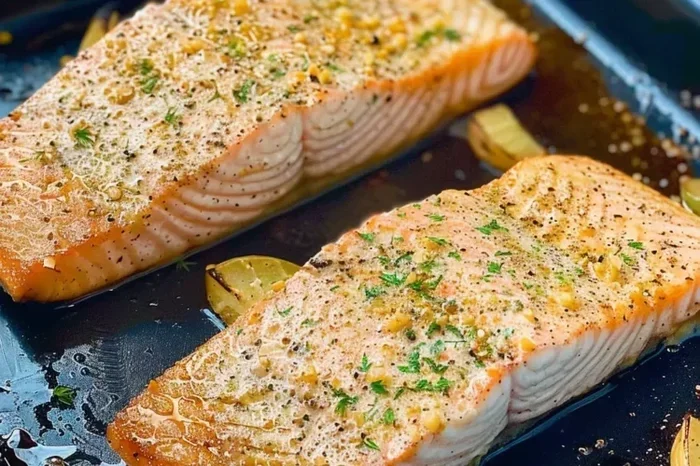
When you pull the salmon out, the skin will be crispy and golden. It will practically jump off the pan. This method works beautifully for both farmed salmon and wild salmon. The skin becomes a delicious, edible chip that adds a satisfying crunch.
Method 2: Skin Side Up For Moist, Tender Flesh
- Pat the salmon dry and season the flesh side as before.
- Place the fillet skin side up on the baking sheet. You can also place a small piece of parchment under the skin to prevent sticking.
- Bake at 400°F for 10–12 minutes. The lower temperature keeps the fish from drying out.
- The skin will soften and become silky. It won’t crisp up much, but it stays intact and easy to remove if desired.
- Check the internal temperature. For moist, medium-rare salmon, aim for 120°F–125°F.
- Let the fish rest for 3 minutes before serving.
This method is perfect if you are serving the salmon to kids or guests who might not enjoy chewy skin. The flesh stays incredibly juicy and tender. It’s also a great choice for delicate wild salmon varieties like sockeye or coho, which can dry out quickly.
Key Takeaways
- Always start with a dry surface for the best texture.
- Skin side down gives you crispy, lacy skin.
- Skin side up gives you moist, soft flesh.
- Resting the fish after baking keeps the juices inside.
Quick Tips For Crispy Skin And Moist Flesh
A few small adjustments can transform your salmon skin side up or down in oven results. These tips come from years of testing and feedback from home cooks.
- Use a wire rack: Place the salmon on a wire rack set over a baking sheet. Air circulates under the fillet, making the skin even crispier.
- Score the skin: Use a sharp knife to make 2–3 shallow slashes across the skin. This prevents the skin from curling up during baking.
- Brush with oil: A light coat of high-smoke-point oil like avocado oil on the skin side helps it brown faster.
- Don’t move it: Once the salmon goes in the oven, leave it alone. Moving it too early can tear the skin.
- Season just before baking: Salt draws moisture out of the fish. If you salt it too early, the skin won’t crisp as well.
Expert Insights
Professional chefs often say that the secret to perfect crispy salmon skin is confidence. When you lay the fillet skin side down, press it gently and then walk away. The skin will release naturally from the pan once it has crisped. If you try to peek or flip it too soon, you’ll break the beautiful crust. Trust the process and let the oven do the work.
Another expert trick is to let the salmon come to room temperature for 15 minutes before baking. Cold fish straight from the fridge cooks unevenly. The outside overcooks while the center stays cold. A quick tempering ensures a uniform, perfect doneness from edge to edge.
Key Takeaways
- A wire rack improves airflow and crispiness.
- Scoring prevents curling.
- Leave the salmon alone once it’s in the oven.
- Tempering the fish before baking promotes even cooking.
Common Mistakes That Ruin Your Salmon Skin
Even experienced cooks sometimes make errors that ruin the texture of their oven-baked salmon. Here are the most common mistakes and how to avoid them.
The Dry Skin Rule
The number one reason salmon skin turns out soft and flabby is moisture. If you skip the pat-dry step, the water on the surface steams instead of frying. The skin never crisps. Always, always blot the salmon with paper towels until the surface is completely dry. You can even let it sit uncovered in the fridge for 30 minutes before cooking. This draws out even more surface moisture and leads to a better crunch.
Overcrowding The Pan
When you place multiple fillets too close together, they steam each other. The hot air can’t circulate properly, and you end up with unevenly cooked, soggy skin. Give each fillet at least 2 inches of space. If you’re cooking for a crowd, use two baking sheets and rotate them halfway through the bake time.
Wrong Pan Choice
A thin, flimsy baking sheet will warp in a hot oven. This creates hot spots that burn the skin in some areas while leaving it pale in others. Invest in a heavy-gauge aluminum or stainless steel baking sheet. A cast iron skillet also works wonderfully for salmon skin side down because it retains heat so well.
Flipping Too Early
Some recipes suggest flipping the salmon halfway through. That is a mistake if you want crispy skin. The skin needs uninterrupted contact with the hot pan to render and crisp. Flip it only if you are going for the skin-side-up method. And even then, flip it only once, right before it comes out of the oven.
Key Takeaways
- Dry the skin thoroughly for maximum crispiness.
- Give each fillet space on the pan.
- Use a heavy, flat baking sheet or cast iron skillet.
- Avoid flipping the salmon if you want crispy skin.
Conclusion: The Perfect Salmon Every Time
Now you know exactly how to handle salmon skin side up or down in oven for the best results. The position you choose controls whether your salmon ends up crispy and crackling or moist and tender. Both methods are simple, fast, and produce restaurant-quality dishes at home.
Remember the core principles. Dry the skin, use the right temperature, and don’t rush the process. Whether you’re cooking a quick weeknight dinner or a weekend feast, these steps guarantee perfect salmon every single time. The salmon skin side up or down in oven decision is really just about your personal preference for texture.
I encourage you to try both methods this week. Bake one fillet skin side down and another skin side up. Taste the difference and decide which you prefer. Once you understand the science, you’ll never feel confused by a recipe again. Your oven-baked salmon will become a reliable, crowd-pleasing staple in your kitchen.
So next time you preheat the oven, think about that simple choice: Salmon Skin Side Up Or Down In Oven. Make it with confidence, and you’ll enjoy a beautiful, flavorful meal every time.
Frequently Asked Questions
Should I bake salmon skin side up or down in oven for the crispiest result?
Place the salmon skin side down for the crispiest result. The direct contact with the hot pan renders the fat and creates a golden, crackling texture. Pat the skin completely dry before baking for the best outcome.
What temperature should I bake salmon at?
The ideal oven temperature is between 400°F and 425°F. This range cooks the fish through while crisping the skin. If you use a convection oven, reduce the temperature by 25°F to prevent over-browning.
How long does it take to bake salmon in the oven?
A standard 1-inch thick fillet bakes in 12–15 minutes at 425°F. Thicker fillets may need a few extra minutes. Always check for doneness by looking for opaque flesh that flakes easily with a fork.
Can you eat salmon skin?
Yes, salmon skin is edible and delicious when baked properly. It contains healthy omega-3 fats and adds a satisfying crunch when cooked skin side down. Some people prefer to remove the skin after baking, but it is entirely safe to eat.
Why is my salmon skin not crispy?
The most common reason is moisture. If you don’t pat the skin dry, it will steam instead of crisp. Also, using a pan that is not hot enough or overcrowding the baking sheet can prevent crisping. Make sure your oven is fully preheated before the salmon goes in.
Should I pat the salmon dry before baking?
Absolutely. Patting the salmon dry with paper towels is the single most important step for crispy skin. Remove as much surface moisture as possible. You can even let the fillet rest uncovered on a paper towel in the fridge for 30 minutes before cooking to draw out extra moisture.