What To Bake Meatloaf At In The Oven For Best Results
The best oven temperature to bake meatloaf is 350°F, which delivers even cooking and a juicy, flavorful result every time. Knowing what to bake meatloaf at in the oven is the single most important factor for a perfect homemade meatloaf that slices cleanly and tastes amazing. Use a meat thermometer, let it rest, and follow a trusted classic meatloaf recipe for guaranteed success.
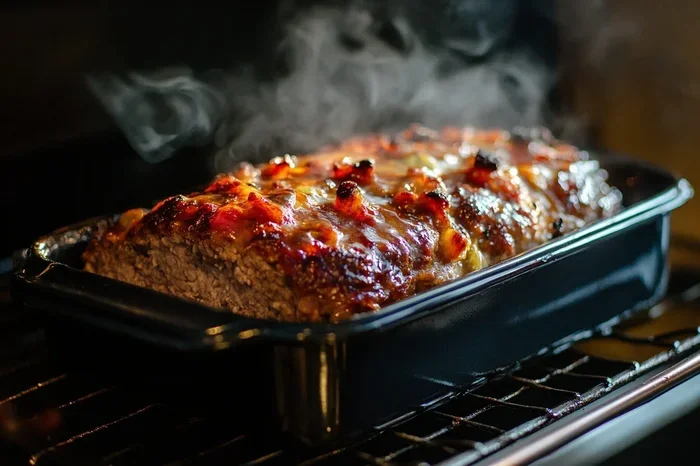
There is something truly special about pulling a homemade meatloaf out of the oven. The kitchen fills with a warm, savory aroma, and you know you are about to serve a meal that brings everyone to the table. Whether you grew up eating it on Sundays or you are making it for the first time, meatloaf oven settings can make or break the dish.
But here is the thing many people get wrong. They think meatloaf is simple, so they just throw it in the oven and hope for the best. The truth is, what to bake meatloaf at in the oven matters a lot. The right temperature, the right pan, and the right baking time all work together to create a juicy, flavorful loaf that slices perfectly every time.
In this guide, we will walk you through everything you need to know about baking meatloaf in the oven. From the ideal temperature to common mistakes, you will find all the tips and tricks you need. Let us get started.
Key Takeaways
- 350°F Is the Sweet Spot: This temperature ensures even cooking, a moist interior, and a nicely browned top for your oven-baked meatloaf.
- Internal Temperature Matters Most: Always aim for 160°F in the center to ensure food safety and perfect doneness.
- Baking Time Varies by Size: A standard loaf takes 45 to 60 minutes, while smaller or larger loaves may need more or less time.
- Pan Choice Affects Texture: Free-form meatloaf gets a crispy crust, while a loaf pan keeps things moist and uniform.
- Resting Is Essential: Let your meatloaf rest for 10 minutes after baking to lock in juices and make slicing easier.
- Avoid Common Mistakes: Overmixing, skipping the rest, and using the wrong temperature are the top errors home cooks make.
- Glazing Adds Flavor and Beauty: A simple glaze applied in the last 15 minutes of baking creates a delicious caramelized finish.
📑 Table of Contents
What To Bake Meatloaf At In The Oven: The Temperature Guide
When it comes to oven-baked meatloaf, temperature is everything. Too hot and the outside burns before the inside cooks through. Too low and you end up with a dense, gray loaf that nobody wants to eat. The good news is that the answer is simple and well-tested.
Why 350°F Is the Gold Standard
Most professional chefs and home cooking experts agree that 350°F is the best temperature to bake meatloaf. At this heat, the meat cooks evenly from the outside in. The exterior gets a beautiful golden-brown crust while the inside stays moist and tender. This temperature also gives the fats in the ground meat enough time to render, which adds flavor and keeps the loaf from drying out.
Here is why 350°F works so well for homemade meatloaf:
- Even heat distribution: Your oven circulates warm air consistently at this setting.
- Proper browning: The Maillard reaction kicks in around 300°F to 350°F, giving you that appealing crust.
- Juicy interior: The moderate heat allows the meat to cook through without squeezing out all the moisture.
- Reliable timing: At 350°F, a standard meatloaf bakes in 45 to 60 minutes, which is easy to plan around.
What Happens If You Bake Meatloaf Too Hot?
Setting your oven too high is one of the most common meatloaf cooking mistakes. At 400°F or above, the outside of the loaf can burn while the inside remains raw or barely cooked. You might see a dark, cracked crust on the outside but find that the center is still pink. This is not only unappetizing but also a food safety concern.
Baking at high temperatures also causes the meat proteins to tighten too quickly. This squeezes out moisture and leaves you with a dry, tough loaf. Nobody wants to bite into a piece of oven-baked meatloaf that feels like a brick.
Can You Bake Meatloaf at 375°F or 400°F?
Some recipes call for slightly higher temperatures like 375°F. This can work if you are making a smaller, thinner meatloaf. The higher heat reduces baking time and can create a crispier exterior. However, you need to watch it closely and use a meat thermometer to check for doneness.
Baking at 400°F is generally not recommended for full-size meatloaf. It increases the risk of a burnt exterior and an undercooked center. If you do try a higher temperature, reduce the loaf size and check the internal temperature frequently.
How Long to Bake Meatloaf in the Oven
Temperature and time go hand in hand when you are baking meatloaf in the oven. Getting the temperature right is only half the battle. You also need to know how long to leave the loaf in for the best results.
Baking Time by Meatloaf Size and Shape
The size and shape of your meatloaf directly affect how long it needs to bake. Here is a general guide for meatloaf baking time at 350°F:
- Standard loaf (2 pounds): 45 to 60 minutes
- Small individual loaves (8 ounces each): 25 to 35 minutes
- Large family-sized loaf (3 pounds): 60 to 75 minutes
- Free-form loaf (not in a pan): 40 to 55 minutes
These times are approximate. The real indicator of doneness is the internal temperature, not the clock. Every oven is slightly different, and the type of meat you use also plays a role.
Using a Meat Thermometer for Perfect Doneness
This is the single most important tool for baking meatloaf in the oven. A meat thermometer takes all the guesswork out of the process. Insert it into the center of the loaf, avoiding the bottom of the pan where it might touch raw fat.
The target internal temperature of meatloaf is 160°F for beef and pork mixtures. For turkey or chicken-based meatloaf, aim for 165°F. Once you reach these temperatures, your meatloaf is safe to eat and will be juicy and flavorful.
Remove the meatloaf from the oven and let it rest. The temperature will rise a few more degrees during resting, a process called carryover cooking. This is why many chefs pull the loaf out at 155°F and let it rest for 10 minutes.
| Meatloaf Type | Oven Temp | Baking Time | Internal Temp Target |
|---|---|---|---|
| Beef (2 lbs) | 350°F | 45-60 min | 160°F |
| Turkey (2 lbs) | 350°F | 45-55 min | 165°F |
| Beef-Pork Mix (2 lbs) | 350°F | 50-60 min | 160°F |
| Small Individual Loaves | 350°F | 25-35 min | 160°F |
| Large Loaf (3 lbs) | 350°F | 60-75 min | 160°F |
Choosing the Right Pan for Oven-Baked Meatloaf
The pan you choose for your meatloaf recipe might seem like a small detail, but it has a big impact on the final result. Different pans create different textures, cooking times, and levels of crispiness.
Loaf Pan vs. Free-Form Meatloaf
A traditional loaf pan gives you a neat, uniform shape. The meat cooks in its own juices, which keeps the loaf very moist. This is a great option if you prefer tender, soft meatloaf every time. The downside is that the top stays soft and does not develop a crispy crust.
Free-form meatloaf, shaped on a sheet pan or baking sheet, exposes more surface area to the heat. This creates a beautiful crispy exterior all around. Many people prefer the texture and flavor of free-form oven-baked meatloaf. It also allows excess fat to drain away, resulting in a lighter final product.
Does Pan Choice Affect Cooking Time?
Yes, it does. Meatloaf in a loaf pan retains more moisture and may need a few extra minutes to cook through. Free-form meatloaf on a sheet pan cooks faster because heat reaches all sides. If you are switching between methods, adjust your timing and always rely on the meat thermometer.
Here are some meatloaf pan options and their best uses:
- Standard loaf pan: Best for moist, soft-textured meatloaf. Great for family dinners.
- Sheet pan (free-form): Best for crispy crust and faster cooking. Ideal for smaller portions.
- Muffin tin: Great for individual servings. Cooks in about 25 minutes.
- Glass baking dish: Heats slowly and evenly. Good for a more tender result.
- Metal baking dish: Heats quickly and promotes browning on the bottom and sides.
Tips for Juicy and Flavorful Meatloaf
Even with the right temperature and pan, your homemade meatloaf can still fall flat if you skip a few key steps. Follow these tips to elevate your meatloaf recipe from good to great.
The Secret to Moisture in Every Bite
The number one reason meatloaf turns out dry is too little moisture in the mixture. Here is how to keep your oven-baked meatloaf juicy:
- Use a mix of meats: Combining ground beef with pork or veal adds fat and flavor.
- Add grated vegetables: Onion, zucchini, and carrot add moisture and sneak in extra nutrients.
- Include breadcrumbs soaked in milk: This classic technique, called a panade, keeps the meatloaf tender.
- Do not overmix: Overworking the meat develops too much gluten, which makes the loaf tough.
- Add an egg: Eggs bind the mixture and add moisture during baking.
Many people also swear by adding a splash of Worcestershire sauce, ketchup, or tomato paste to the mixture. These ingredients add depth of flavor and help keep the meatloaf moist during baking.
Glazing Your Meatloaf for a Beautiful Finish
A glaze is the finishing touch that takes your meatloaf oven settings from ordinary to outstanding. Apply the glaze during the last 15 to 20 minutes of baking. This gives it time to caramelize and form a sticky, flavorful coating.
Here are some popular meatloaf glaze options:
- Classic ketchup glaze: Simple, sweet, and tangy. Just spread a thin layer on top.
- Tomato and brown sugar glaze: Mix ketchup with brown sugar for a richer flavor.
- BBQ glaze: Brush your favorite barbecue sauce on during the last 15 minutes.
- Honey mustard glaze: A sweet and tangy option that pairs well with turkey meatloaf.
- Mustard and horseradish glaze: For those who like a little kick with their classic meatloaf recipe.
Common Meatloaf Mistakes and How to Fix Them
Even experienced cooks sometimes run into trouble with baking meatloaf in the oven. Knowing what can go wrong helps you avoid those pitfalls and serve a perfect loaf every time.
Overmixing the Meat
This is the most common mistake people make when preparing homemade meatloaf. When you mix the ingredients too vigorously, the proteins in the meat develop into a tight, rubbery network. The result is a dense, chewy loaf that is hard to enjoy.
The fix is simple. Mix your ingredients just until everything is combined. Use your hands gently and stop as soon as no dry ingredients remain visible. Think of it as a light toss, not a kneading session. Your meatloaf moisture depends on keeping the protein structure loose and tender.
Skipping the Resting Time
Fresh out of the oven, your meatloaf is full of hot juices. If you slice into it immediately, those juices run all over the cutting board instead of staying in the loaf. The result is dry slices and a messy plate.
Let your oven-baked meatloaf rest for at least 10 minutes before slicing. This allows the juices to redistribute throughout the loaf. Use a sharp knife and cut clean slices for the best presentation. The resting time also makes the loaf easier to handle and shape when you are serving it.
Using the Wrong Amount of Seasoning
Meatloaf can be bland if you do not season it properly. Salt and pepper are the foundation, but you can build layers of flavor with garlic powder, onion powder, dried herbs, and a splash of soy sauce. Taste your raw mixture (it is safe to do so with cooked ground meat) and adjust the seasoning before baking.
Expert Tips for Perfect Meatloaf Every Time
Once you master the basics of what to bake meatloaf at in the oven, you can start experimenting with flavors and techniques. Here are some meatloaf cooking tips from experienced home cooks and chefs.
Seasoning Like a Pro
A great meatloaf seasoning goes beyond just salt and pepper. Try adding the following to your next batch:
- Fresh herbs: Parsley, thyme, and basil add brightness and depth.
- Soy sauce or Worcestershire: A splash adds umami and savory richness.
- Garlic and onion (fresh or powdered): The aromatic base of any great meatloaf.
- A pinch of smoked paprika: This adds a subtle smokiness that complements the meat.
- A touch of brown sugar: Balances acidity and helps with caramelization.
Do not be afraid to get creative with your classic meatloaf recipe. The beauty of meatloaf is that it is forgiving and customizable. Once you understand the basic meatloaf oven settings, you can adapt the recipe to suit your family’s taste.
Make Ahead and Freeze Tips
One of the best things about meatloaf is that it stores and freezes beautifully. You can prepare the mixture the night before and refrigerate it. The flavors meld overnight, making the next day’s baking even better.
To freeze uncooked meatloaf, shape it in your pan, wrap it tightly in plastic wrap and foil, and freeze for up to three months. Bake it directly from frozen, adding 15 to 20 minutes to the baking time. Thawed meatloaf should be baked within two days for the best quality.
Cooked meatloaf also freezes well. Let it cool completely, slice it, and store the slices in freezer bags. Reheat individual slices in the microwave or oven for a quick meal any day of the week.
Meatloaf Variations Worth Trying
If you have mastered the basic oven-baked meatloaf, try these fun variations:
- Turkey meatloaf: Lighter and healthier. Use ground turkey and add extra moisture with grated zucchini.
- Sloppy Joe meatloaf: Shape the meatloaf into a loaf and top it with sloppy joe sauce during the last 20 minutes of baking.
- Stuffed meatloaf: Wrap the meatloaf around a core of cheese, olives, or roasted peppers for a surprise filling.
- Italian-style meatloaf: Add Italian seasoning, mozzarella, and marinara sauce for a Mediterranean twist.
- BBQ meatloaf: Use BBQ sauce as both the mix-in and the glaze for a smoky, sweet flavor profile.
Conclusion
Baking a perfect meatloaf in the oven is easier than most people think. The key is understanding what to bake meatloaf at in the oven and following a few simple guidelines. Stick with 350°F as your default temperature, use a meat thermometer to check for 160°F in the center, and always let your loaf rest before slicing.
Choose the right pan for your texture preference, keep the mixture moist with the right ingredients, and glaze during the last 15 minutes for a beautiful finish. Avoid common mistakes like overmixing and skipping the rest, and you will have a homemade meatloaf that rivals any restaurant or family favorite.
Now that you know the best oven temperature for meatloaf and all the tips and tricks, it is time to put them into practice. Try a new classic meatloaf recipe this week, experiment with different glazes, and find your family’s favorite version. Happy baking!
Frequently Asked Questions
What is the best oven temperature to bake meatloaf?
The best oven temperature to bake meatloaf is 350°F. This temperature ensures even cooking, a juicy interior, and a nicely browned crust. Most homemade meatloaf recipes are designed around this standard oven setting for the best results.
How long does it take to bake a 2-pound meatloaf?
A standard 2-pound meatloaf bakes at 350°F for about 45 to 60 minutes. The exact time depends on your oven, the pan you use, and the type of meat. Always check the internal temperature to confirm it has reached 160°F in the center before removing it from the oven.
Can I use ground turkey instead of beef for meatloaf?
Yes, ground turkey works great for a lighter meatloaf recipe. Since turkey has less fat than beef, add extra moisture with grated vegetables, a panade of soaked breadcrumbs, or a splash of broth. Turkey meatloaf bakes at the same 350°F temperature and typically takes 45 to 55 minutes.
Why is my meatloaf dry after baking?
Dry meatloaf is usually caused by too little moisture in the mixture or baking at too high a temperature. Make sure to include ingredients like grated vegetables, soaked breadcrumbs, and eggs. Also, avoid overmixing, which tightens the meat and squeezes out juices. Following the right meatloaf oven settings prevents this problem.
Should I cover meatloaf with foil while baking?
Covering meatloaf with foil is optional. Foil traps moisture and can help a leaner meatloaf stay juicy. However, it also prevents the top from browning. If you want a crispy, caramelized crust, bake the meatloaf uncovered. If you prefer a softer top, cover it with foil for the first 30 minutes and remove it for the last 15 minutes.
What internal temperature should meatloaf reach?
The safe internal temperature for oven-baked meatloaf made with beef, pork, or a mix is 160°F. For turkey or chicken-based meatloaf, the target is 165°F. Always use a meat thermometer inserted into the center of the loaf for the most accurate reading. Let the meatloaf rest for 10 minutes after baking, as the temperature will rise slightly during resting.