How Much Ground Coffee For 5 Cup Maker Complete Guide
Knowing how much ground coffee for a 5 cup maker is the key to brewing great coffee every single morning. The standard rule is about 1 tablespoon of ground coffee per cup, but you can always adjust based on your personal taste. This complete guide walks you through ratios, measurements, grind sizes, and common mistakes so you can enjoy a perfect cup every time.
Making coffee at home should feel easy and enjoyable. Yet so many people struggle with one simple question: how much ground coffee for 5 cup maker. If you have ever wondered whether you are using too much or too little, you are not alone. The right amount of coffee grounds can mean the difference between a bland cup and a morning ritual you actually look forward to.
A 5 cup coffee maker is one of the most popular sizes for home kitchens. It is compact enough for a small family or a solo coffee drinker who likes a full pot. But because the cups are typically smaller than what we pour in a regular mug, the measurements can be confusing. This guide breaks everything down in simple terms. You will learn the exact ratio, the best grind size, and easy tips to improve your brew every single day.
Whether you just bought your first 5 cup coffee maker or you have been using one for years, there is always room to improve. Let us dive into everything you need to know about getting the perfect amount of ground coffee for your machine.
Key Takeaways
- The standard ratio: Use 1 tablespoon of ground coffee per 5-ounce cup for a balanced brew.
- Adjust for strength: Add more grounds for a stronger cup or fewer for a lighter one.
- Grind size matters: A medium grind works best for most drip coffee makers.
- Water quality counts: Use clean, filtered water for the best flavor.
- Avoid common mistakes: Don’t overfill the filter or use pre-ground coffee that’s too old.
- Measure consistently: Use a coffee scoop or kitchen scale for reliable results every time.
- Clean your machine: Regular cleaning keeps your coffee tasting fresh and your machine running smoothly.
📑 Table of Contents
- Understanding Your 5 Cup Coffee Maker
- The Perfect Coffee-to-Water Ratio
- How Much Ground Coffee You Need: A Simple Breakdown
- Choosing the Right Grind Size
- Common Mistakes People Make with Their 5 Cup Maker
- Tips for the Best Cup of Coffee Every Morning
- Expert Insights on Brewing the Perfect Pot
- Conclusion
Understanding Your 5 Cup Coffee Maker
What Does 5 Cups Actually Mean?
Here is something that surprises a lot of people. When a coffee maker says it makes 5 cups, it does not mean 5 standard mugs. A “cup” in coffee maker terms is usually 5 ounces. That is much smaller than the 8 to 12 ounce mugs most of us use at home. So a full 5 cup pot gives you about 25 ounces of coffee total.
This matters because it directly affects how much ground coffee you need. If you think your machine makes 5 full mugs of coffee, you might be adding too little grounds and ending up with a weak brew. Understanding the actual capacity helps you get the ratio right from the start.
How Coffee Makers Measure Capacity
Most drip coffee makers use the 5-ounce cup standard. This has been the industry norm for decades. The water reservoir will have markings that show you how many cups you are brewing. Some machines also have a carafe with lines on the side that match up with cup numbers.
It is always a good idea to check your specific machine’s manual. Some modern coffee makers have slightly different cup sizes. If you are unsure, fill the reservoir to the 5-cup line and then pour the water into a measuring cup. You will quickly see how much liquid you are actually working with. This simple step takes the guesswork out of your morning routine.
The Perfect Coffee-to-Water Ratio
Standard Coffee Ratios Explained
The golden rule for brewing coffee is simple. Use about 1 to 2 tablespoons of ground coffee for every 6 ounces of water. For a 5 cup maker, this means you will need roughly 5 to 10 tablespoons total, depending on how strong you like your coffee.
Most coffee experts recommend starting with the middle ground. That would be about 1 tablespoon per cup, or 5 tablespoons for a full 5 cup pot. This gives you a balanced, smooth cup that is not too weak and not too strong.
If you prefer a bolder cup, go with 2 tablespoons per cup. That means 10 tablespoons for a full pot. Just keep in mind that too much coffee can make your brew taste bitter or over-extracted. Finding your sweet spot might take a few tries, but that is part of the fun.
Adjusting Strength to Your Taste
Everyone’s taste is different, and that is perfectly fine. Some people like their coffee light and mellow. Others want it so strong it could wake the dead. The beauty of making coffee at home is that you control everything.
Here is a quick way to think about it:
- Light brew: 1 tablespoon per cup (5 tablespoons total)
- Medium brew: 1.5 tablespoons per cup (7.5 tablespoons total)
- Strong brew: 2 tablespoons per cup (10 tablespoons total)
Start with the medium setting and adjust from there. After a few brews, you will know exactly how much ground coffee your taste buds prefer. Do not be afraid to experiment a little.
How Much Ground Coffee You Need: A Simple Breakdown
Tablespoons vs. Grams
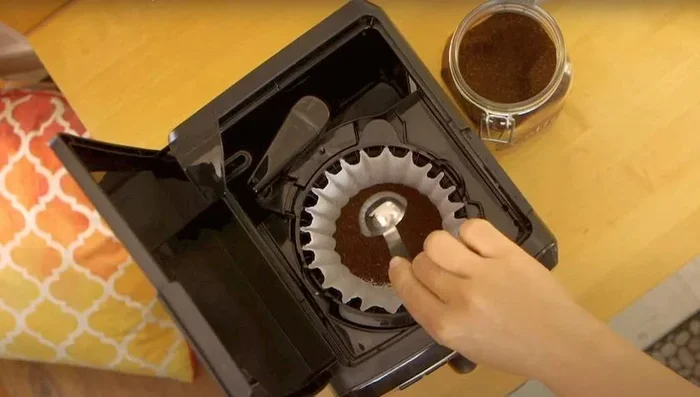
Most coffee scoops are designed to hold about 2 tablespoons of grounds. That is a handy measurement to remember. For a full 5 cup pot, you would need between 2.5 and 5 scoops of coffee.
If you prefer weighing your coffee, a kitchen scale is your best friend. One tablespoon of ground coffee weighs roughly 5 to 6 grams. So for a 5 cup maker, you would need about 25 to 60 grams of ground coffee depending on your strength preference. Using a scale takes the guesswork out and gives you consistent results every single time.
Some people also use the “coffee to water ratio” method. This means weighing both the coffee and the water. A common ratio is 1:15, which means 1 gram of coffee for every 15 grams of water. For a 25-ounce pot, that works out to about 17 grams of coffee. This method is popular among coffee lovers who want precision and repeatability.
Quick Reference Chart
Here is a handy chart you can keep near your coffee maker for easy reference:
- 1 cup (5 oz): 1 tablespoon or 5-6 grams of ground coffee
- 2 cups (10 oz): 2 tablespoons or 10-12 grams of ground coffee
- 3 cups (15 oz): 3 tablespoons or 15-18 grams of ground coffee
- 4 cups (20 oz): 4 tablespoons or 20-24 grams of ground coffee
- 5 cups (25 oz): 5 tablespoons or 25-30 grams of ground coffee (medium strength)
Print this out or snap a photo with your phone. Having a quick reference makes mornings so much easier. No more guessing or eyeballing the scoop.
Choosing the Right Grind Size
Why Grind Size Matters
The grind size of your ground coffee plays a huge role in how your final cup tastes. Too fine and the coffee can turn out bitter and over-extracted. Too coarse and it might taste weak and watery. Getting the grind right is just as important as getting the amount right.
Different brewing methods need different grind sizes. Espresso machines need a very fine grind. French presses need a coarse grind. But for a standard drip coffee maker, a medium grind is the sweet spot. It allows the water to flow through the grounds at just the right speed to extract all the good flavors without overdoing it.
Best Grind for Drip Coffee Makers
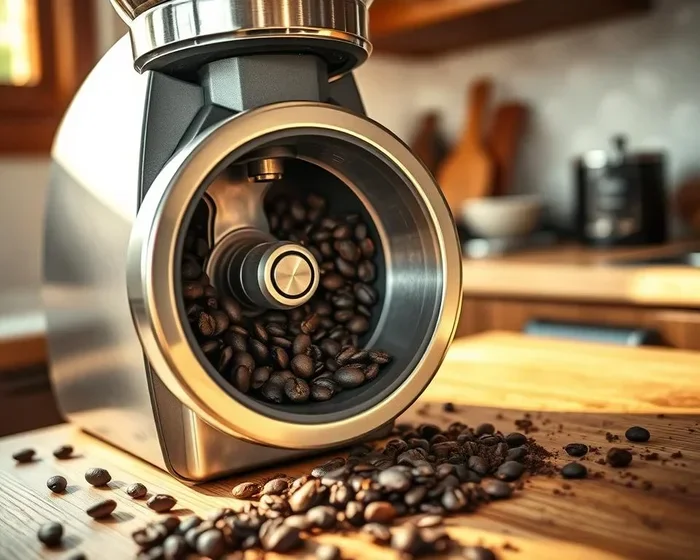
Medium grind is the standard recommendation for drip coffee makers. It looks and feels similar to sand or sea salt. This size lets the water interact with the coffee grounds long enough to pull out the full flavor profile.
If you buy pre-ground coffee, look for labels that say “medium grind” or “drip grind.” Many brands offer this specifically for standard coffee makers. If you have a burr grinder at home, you can grind your beans fresh right before brewing. Freshly ground coffee always tastes better because the flavors are more vibrant and the aroma is stronger.
One thing to watch out for: if you use a grind that is too fine in a drip machine, it can clog the filter and slow down the brew cycle. This can lead to over-extraction and a bitter taste. On the flip side, a grind that is too coarse will let water rush through too quickly, leaving you with a weak and underwhelming cup.
Common Mistakes People Make with Their 5 Cup Maker
Overfilling the Filter Basket
This is one of the most common mistakes. People tend to pack too much coffee into the filter basket, thinking more coffee equals stronger coffee. But overfilling actually blocks the water from flowing through properly. The result is a messy, slow brew that tastes bitter and uneven.
Stick to the recommended amount. For a 5 cup maker, that is no more than 5 to 10 tablespoons of ground coffee, depending on your strength preference. Keep the grounds level in the basket rather than mounding them up in the center. This helps the water distribute evenly and extract flavor consistently.
Using Old or Stale Coffee Grounds
Freshness matters more than most people realize. Ground coffee starts to lose its flavor within 15 to 30 minutes of being ground. If you are using pre-ground coffee that has been sitting in your pantry for weeks or months, you are missing out on a lot of flavor.
Store your ground coffee in an airtight container in a cool, dark place. Even better, buy whole beans and grind them right before you brew. The difference in taste is night and day. You will notice richer aroma, smoother flavor, and a more satisfying cup overall.
Ignoring Water Temperature
The water you use also affects the final result. Water that is too hot can scorch the coffee grounds and create a bitter taste. Water that is too cool will not extract the flavors properly, leaving you with a flat and weak cup.
The ideal brewing temperature is between 195 and 205 degrees Fahrenheit. Most modern coffee makers heat the water to this range automatically. But if you have an older machine, it might not be heating properly. In that case, you can heat the water separately and pour it into the reservoir. This small change can make a big difference in your cup.
Tips for the Best Cup of Coffee Every Morning
Water Quality and Temperature
Do not underestimate the power of good water. Coffee is about 98 percent water, so the quality of your water directly impacts the taste. Use filtered water whenever possible. It removes chlorine and other impurities that can affect the flavor of your coffee.
If your tap water tastes good on its own, it will probably make good coffee too. But if your water has a strong chlorine smell or taste, consider using a simple carbon filter. Your taste buds will thank you.
Temperature is just as important. If your machine does not heat the water hot enough, your coffee will taste under-extracted and sour. If it gets too hot, it will taste burnt and bitter. Most experts agree that the sweet spot is just below boiling, around 200 degrees Fahrenheit.
Cleaning Your Coffee Maker Regularly
A clean coffee maker brews better coffee. Over time, oils from the coffee grounds build up inside the machine. These oils can go rancid and affect the flavor of your next pot. That is why regular cleaning is so important.
Run a vinegar and water cycle through your machine once a month. Use equal parts white vinegar and water, then follow up with two or three plain water cycles to rinse out any vinegar taste. This keeps your machine in great shape and your coffee tasting fresh.
Also, make sure to wash the carafe, filter basket, and any removable parts after each use. A quick rinse with warm soapy water goes a long way. If you ever notice your coffee tasting off, a deep clean is usually the fix.
Experimenting with Different Coffee Beans
Not all coffee beans are created equal. The origin, roast level, and freshness all play a role in how your final cup tastes. Light roast beans tend to have more acidic, fruity notes. Medium roasts offer a balanced flavor profile. Dark roasts bring bold, smoky, and sometimes chocolatey notes.
Try different beans and roasts to find what you love best. Buying from local roasters or specialty coffee shops often gives you access to fresher, higher-quality beans. And when you combine great beans with the right amount of ground coffee and the perfect water temperature, you get a cup that is truly special.
Expert Insights on Brewing the Perfect Pot
Coffee professionals often talk about the importance of consistency. Using the same amount of ground coffee and the same water temperature every time leads to a reliable, repeatable result. This is especially important if you are making coffee for others and want everyone to be happy with their cup.
Some baristas also recommend “blooming” your coffee grounds before the full brew cycle starts. This means pouring a small amount of hot water over the grounds and letting them sit for 30 seconds. This releases carbon dioxide from the grounds and allows for a more even extraction. While this technique is more common with pour-over methods, it can work in drip machines too if you have the patience.
Another pro tip: do not leave brewed coffee on the heat for too long. The hot plate on most coffee makers can cause the coffee to turn bitter and stale after about 20 to 30 minutes. If you are not going to drink the whole pot right away, pour the leftovers into a thermal carafe to keep it warm without ruining the flavor.
For those who enjoy exploring different coffee styles, learning about various brewing methods can be a fun journey. Whether you stick with your trusty drip machine or want to try something new, understanding the fundamentals of coffee ratios and measurements gives you a strong foundation to build on.
Conclusion
Getting the right amount of ground coffee for a 5 cup maker is easier than you think. Start with the standard ratio of 1 tablespoon per cup and adjust from there based on your taste. Use a medium grind, clean filtered water, and fresh grounds for the best results every time.
Remember, the perfect cup of coffee is a personal thing. What works for one person might not work for another. The key is to experiment, pay attention to the details, and enjoy the process. Once you nail down your ideal ratio and routine, every morning becomes a little brighter.
So go ahead and brew that next pot with confidence. You now know exactly how much ground coffee to use, how to adjust the strength, and how to avoid the most common mistakes. Your coffee maker is ready, and so are you. Here is to many more perfect cups of coffee in your future.
Frequently Asked Questions
How many tablespoons of ground coffee should I use for a 5 cup maker?
For a standard 5 cup coffee maker, you should use about 5 tablespoons of ground coffee for a medium-strength brew. This equals 1 tablespoon per 5-ounce cup. If you prefer a stronger cup, you can go up to 10 tablespoons, which is 2 tablespoons per cup.
Can I use a kitchen scale instead of tablespoons to measure my coffee?
Absolutely. Using a kitchen scale is actually more accurate than using tablespoons. Aim for about 5 to 6 grams of ground coffee per cup, or 25 to 30 grams for a full 5 cup pot. A scale helps you get consistent results every time you brew.
What happens if I use too much ground coffee in my coffee maker?
Using too much ground coffee can cause the brew to taste bitter and over-extracted. It can also clog the filter basket and slow down the brew cycle. Stick to the recommended ratio of 1 to 2 tablespoons per cup for the best flavor.
Is medium grind the best choice for all drip coffee makers?
Yes, medium grind is the standard recommendation for most drip coffee makers. It allows water to flow through the grounds at the right speed for balanced extraction. If you use a grind that is too fine, the coffee can become bitter. If it is too coarse, the brew may taste weak.
How long does ground coffee stay fresh after opening the bag?
Ground coffee stays freshest for about 2 to 4 weeks after opening the bag. Store it in an airtight container in a cool, dark place. For the best flavor, try to use it within this window. If you want even fresher coffee, consider buying whole beans and grinding them just before brewing.
Can I use the same coffee-to-water ratio for different coffee maker sizes?
Yes, the basic ratio of 1 to 2 tablespoons per 6 ounces of water works for most coffee maker sizes. You just need to adjust the total amount based on how many cups your machine makes. The principle stays the same whether you are brewing 2 cups or 12 cups.