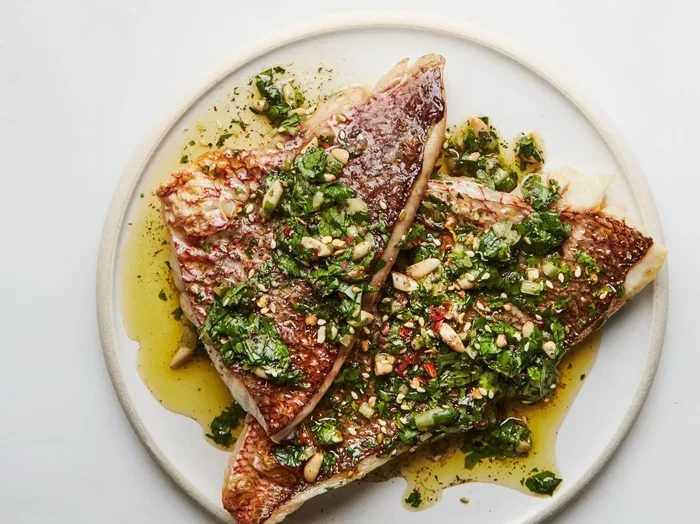
How To Broil Red Snapper In The Oven For Best Results
Learning how to broil red snapper in the oven is easier than you think. This guide covers everything from choosing the right fillet to nailing the perfect cook time. You will discover simple seasoning blends, essential oven settings, and pro tips that make your fish taste restaurant-quality. Broiling red snapper delivers a crispy top while keeping the inside tender and moist. Follow along and you will master this healthy seafood recipe in no time.
There is something magical about broiling red snapper in the oven. The fish cooks fast, looks beautiful, and tastes incredible. Whether you are a weeknight dinner hero or a weekend cook who loves seafood, this method will become a staple in your kitchen.
Broiling uses the top heating element in your oven to deliver intense, direct heat. This creates a beautifully charred exterior while keeping the inside of the fish moist and flaky. Red snapper, with its mild flavor and firm texture, is one of the best fish to broil. It holds its shape, absorbs seasonings well, and cooks evenly under high heat.
In this guide, we walk you through every step of broiling red snapper fillet in the oven. You will learn how to pick the right fish, prep it properly, choose the best seasonings, set the correct oven temperature, and serve it like a pro. By the end, you will feel confident enough to make this dish any night of the week.
Broiled fish is one of the healthiest and fastest ways to prepare seafood. Unlike frying, broiling requires little to no added fat. It is a great option for anyone looking to eat more white fish without spending hours in the kitchen. Let us dive in and make your next red snapper recipe the best one yet.
Key Takeaways
- High heat is key: Broiling uses intense top-down heat that cooks red snapper quickly and creates a golden, crispy finish.
- Prep your fillet right: Pat the fish dry, season generously, and use a light brush of oil for the best texture.
- Timing matters: Most red snapper fillets broil perfectly in 10 to 15 minutes depending on thickness.
- Simple seasonings shine: Fresh lemon, garlic, butter, and herbs elevate the natural flavor of white fish without overpowering it.
- Watch your fish closely: Broiling happens fast, so stay near the oven and check for doneness frequently.
- Rest before serving: Let the fish sit for a few minutes after broiling to lock in juices and improve texture.
- Avoid common mistakes: Overcooking, skipping the pat-dry step, and using the wrong rack position are the top pitfalls to avoid.
📑 Table of Contents
- Why Broiling Is the Best Way to Cook Red Snapper
- Choosing the Best Red Snapper for Broiling
- How to Prepare Your Red Snapper for Broiling
- Setting Up Your Oven for Broiling
- Step-by-Step Guide to Broiling Red Snapper
- Common Mistakes to Avoid When Broiling Red Snapper
- Delicious Seasoning and Sauce Ideas for Broiled Red Snapper
- Serving Suggestions and Pairings
- Expert Tips for Perfect Broiled Red Snapper Every Time
- Storing and Reheating Leftover Broiled Red Snapper
- Frequently Asked Questions
- Conclusion
Why Broiling Is the Best Way to Cook Red Snapper
Not all cooking methods are created equal when it comes to fish fillet preparation. Broiling stands out for several reasons. It is fast, it requires minimal cleanup, and the results are consistently impressive.
Speed and Convenience
Most red snapper fillets take only 10 to 15 minutes under the broiler. That is faster than baking and far quicker than pan-frying. If you are hungry and want a healthy meal on the table in under 20 minutes, broiling is your best bet.
You do not need to preheat the oven for long either. Just turn on the broiler, let it heat for a few minutes, and your oven-baked fish is already on its way. This makes broiling perfect for busy weeknights when you want something home-cooked without the wait.
Flavor and Texture
Broiling gives red snapper a crispy fish skin and a lightly charred top that adds depth and complexity to the flavor. The high heat caramelizes the natural sugars in the fish and any seasoning you apply. This creates a rich, savory crust that pairs beautifully with the delicate, flaky flesh underneath.
The inside stays tender and juicy because the cooking time is short. You avoid the dryness that sometimes comes with longer cooking methods. The result is a piece of fish that is crispy on the outside and moist on the inside.
Health Benefits of Broiling Fish
Broiling is one of the healthiest ways to cook fish. It does not require oil or butter for the cooking process itself. You can use a small amount of olive oil or garlic butter on the surface for flavor, but the fish does not sit in fat the way it does when frying.
Red snapper is a great source of lean protein, omega-3 fatty acids, and essential vitamins like B12 and selenium. Broiled fish retains these nutrients better than deep-frying. It is a heart-healthy meal that supports brain function, reduces inflammation, and helps maintain muscle mass.
Choosing the Best Red Snapper for Broiling
The success of your broiled red snapper starts with picking the right fish. Not all red snapper is the same, and choosing well makes a huge difference in the final dish.
Fresh vs Frozen Red Snapper
Fresh red snapper fish is always ideal if you can find it. Look for bright, clear eyes, firm flesh, and a clean ocean smell. The skin should be shiny and tightly adhered to the flesh. Fresh fish broils more evenly and has a better texture than frozen.
That said, frozen red snapper is a perfectly fine option. Many high-quality fish are flash-frozen at sea, which locks in freshness. If you use frozen fish, thaw it slowly in the refrigerator overnight. Never use hot water to thaw fish, as this affects the texture and flavor.
What to Look for When Buying
When you are at the fish market or grocery store, keep these tips in mind:
- Check the color: Fresh red snapper has a pinkish-red skin with a slight silvery sheen. Avoid fish that looks dull or discolored.
- Feel the flesh: The meat should be firm and bounce back when pressed. Soft or mushy fish is a sign of poor freshness.
- Smell it: Fresh fish should smell like the ocean, not fishy or ammonia-like. A strong odor means the fish has been sitting too long.
- Buy skin-on fillets: Skin-on fillets hold together better under the broiler. The skin also adds flavor and crispiness when broiled properly.
Best Cuts for Broiling
For broiling fish, skin-on fillets are the top choice. They are easier to handle, hold their shape better, and the skin crisps up beautifully. Look for fillets that are about 1 to 1.5 inches thick. Thinner fillets may dry out quickly, while very thick pieces may not cook evenly.
If you buy whole red snapper, you can ask your fishmonger to fillet it for you. This saves time and ensures clean, even cuts. You can also ask them to remove the pin bones, which makes the fish preparation process much smoother at home.
How to Prepare Your Red Snapper for Broiling
Proper prep is the secret to perfect broiled red snapper. Taking a few extra minutes before the fish goes in the oven makes a noticeable difference in texture and flavor.
Step 1: Pat the Fillet Dry
This is the most important step people skip. Use paper towels to pat the red snapper fillet completely dry on both sides. Moisture on the surface creates steam, which prevents the fish from getting crispy. A dry surface means better browning and a more satisfying texture.
Step 2: Season Generously
Fish seasoning is where you can get creative. Red snapper has a mild flavor that pairs well with a wide range of herbs and spices. Here are some simple and delicious options:
- Lemon Herb: Olive oil, fresh lemon juice, chopped parsley, dill, and a pinch of salt and pepper.
- Garlic Butter: Melted butter, minced garlic, a squeeze of lemon, and a sprinkle of paprika.
- Mediterranean Style: Olive oil, dried oregano, crushed red pepper flakes, garlic powder, and fresh lemon zest.
- Simple and Clean: Just salt, pepper, a drizzle of olive oil, and a few lemon slices on top.
Brush the seasoning mixture lightly onto the fish. You want a thin, even coat, not a heavy layer. This allows the natural flavor of the white fish to shine through.
Step 3: Prep the Broiler Pan
Line your broiler pan or baking sheet with aluminum foil for easy cleanup. Lightly grease the surface with a thin coat of oil or cooking spray. This prevents the fish from sticking and helps the skin crisp up evenly.
Place the fillet skin-side down on the pan. If your fillet has thin edges, you can fold a small piece of foil to prop up the thinner part. This ensures the fish cooks at an even thickness and does not curl up under the heat.
Step 4: Bring the Fish to Room Temperature
Take the red snapper fillet out of the refrigerator about 15 to 20 minutes before broiling. Fish that is too cold from the fridge will cook unevenly. The outside may burn while the inside stays raw. Bringing it to room temperature helps the heat distribute more evenly throughout the fillet.
Setting Up Your Oven for Broiling
Oven settings make a big difference when you are learning how to broil red snapper in the oven. Getting the temperature and rack position right ensures even cooking and that perfect golden crust.
Preheat the Broiler
Always preheat your oven broiler before placing the fish inside. Most ovens need about 5 to 10 minutes to reach full broiling temperature. Look for a preheat indicator light or simply let the broiler run for a few minutes before you put the fish in.
The broiler operates at very high temperatures, usually between 500°F and 550°F (260°C to 290°C). This extreme heat is what gives broiled fish its signature crispy top and charred edges.
Rack Position Matters
Place the oven rack about 4 to 6 inches below the broiler element. This is the sweet spot for most fish fillets. If the rack is too close, the top of the fish may burn before the inside cooks through. If it is too far away, the fish will dry out and lose its crispy finish.
Some ovens have a top broil setting only. In that case, you will need to keep a close eye on the fish since the top heat is very intense. If your oven has a high-low broil option, use the low setting for thicker fillets and the high setting for thinner ones.
Temperature Guide for Broiling Red Snapper
Here is a quick reference for oven temperature when broiling red snapper:
- Thin fillets (less than 1 inch): Use the high broil setting. Cook for 8 to 10 minutes, flipping halfway through.
- Medium fillets (1 to 1.5 inches): Use the high broil setting. Cook for 10 to 12 minutes, flipping once.
- Thick fillets (over 1.5 inches): Use the low broil setting. Cook for 12 to 15 minutes, flipping once. You may also finish with a few minutes on high for extra crispiness.
Step-by-Step Guide to Broiling Red Snapper
Now that your fish is prepped and your oven is ready, it is time to broil red snapper to perfection. Follow these steps for consistent, restaurant-quality results every time.
Step 1: Position the Fish in the Oven
Place the seasoned red snapper fillet on the preheated broiler pan. Slide the pan onto the middle rack, positioned 4 to 6 inches below the broiler element. Close the oven door and set a timer for the recommended cooking time based on fillet thickness.
Keep the oven door slightly ajar if your oven does not have a self-venting feature. This allows excess heat and steam to escape, which helps the top of the fish crisp up rather than steam and turn soggy.
Step 2: Broil for the First Half of Cooking Time
Let the fish broil undisturbed for the first half of the total cooking time. The top will begin to brown and develop that beautiful crispy crust. You may see some bubbling around the edges, which is a good sign. The high heat cooking is doing its job.
Avoid opening the oven door too often during this phase. Each time you open the door, you lose heat and the cooking temperature drops. This can lead to uneven cooking and longer overall cook time.
Step 3: Flip the Fillet
Using a thin, flexible spatula, carefully flip the fillet. The skin side should now face up, and the seasoned side should be against the pan. The skin will crisp up beautifully on this side, and the fish will finish cooking through evenly.
If your fillet is very thin, you may not need to flip it at all. In that case, just keep a close watch and remove it as soon as it is done. Fish flipping is optional for thin fillets but recommended for thicker cuts to ensure even cooking.
Step 4: Finish Broiling
Continue broiling for the second half of the cooking time. Check the fish frequently during this phase. Broiled fish can go from perfectly done to overcooked in a matter of minutes. The fish is ready when it is opaque throughout and flakes easily with a fork.
The internal temperature should reach 145°F (63°C) when measured with a meat thermometer inserted into the thickest part of the fillet. The flesh should be white and firm, not translucent or mushy.
Step 5: Rest and Serve
Remove the red snapper from the oven and let it rest for 3 to 5 minutes. This allows the juices to redistribute throughout the fillet, making it more moist and flavorful. The fish will also continue to cook slightly from residual heat during this resting period.
Serve the fillet skin-side up for a crispy presentation. Squeeze fresh lemon juice over the top and garnish with chopped herbs. A side of roasted vegetables, rice, or a light salad pairs wonderfully with broiled red snapper.
Common Mistakes to Avoid When Broiling Red Snapper
Even experienced home cooks make mistakes when broiling fish. Knowing what to avoid will save you from dry, overcooked, or unevenly cooked results.
Overcooking the Fish
This is the number one mistake people make. Red snapper is a lean fish with low fat content, which means it dries out quickly if left under the broiler too long. Set a timer, stay near the oven, and check the fish a minute or two before the recommended cook time ends.
Remember that the fish continues to cook after you remove it from the oven. Pulling it out just slightly early accounts for this carryover cooking and keeps the fillet moist.
Skipping the Dry-Pat Step
We mentioned this earlier because it truly matters. Moisture is the enemy of crispy skin and a golden crust. If you skip the pat-dry step, the fish will steam instead of broil. The result is a soft, pale top instead of the crispy, caramelized finish you are aiming for.
Using the Wrong Rack Position
Placing the fish too close to the broiler element causes burning. Placing it too far away results in dry, overcooked fish without any browning. Always aim for that 4 to 6 inch distance and adjust slightly based on how your specific oven behaves.
Not Seasoning Enough
Red snapper has a delicate flavor that benefits from seasoning. Too little salt and spice leaves the fish bland. Be generous with your fish seasoning, but keep it balanced. A little salt, a squeeze of lemon, and some fresh herbs go a long way.
Ignoring the Thickness of the Fillet
Not all fillets are created equal. A thin fillet and a thick fillet require different cooking times and sometimes even different oven temperature settings. Adjust your approach based on the thickness of the fish you are working with. When in doubt, use a meat thermometer to check for doneness.
Delicious Seasoning and Sauce Ideas for Broiled Red Snapper
The beauty of broiled red snapper is that it pairs well with so many flavors. Once you master the basic technique, you can experiment with different seasonings and sauces to keep things interesting.
Quick Lemon Butter Sauce
This classic sauce takes broiled fish to the next level. Melt two tablespoons of butter in a small saucepan. Add the juice of half a lemon, a minced garlic clove, and a pinch of salt and pepper. Stir for one to two minutes until the sauce is warm and fragrant. Spoon it over the fish just before serving.
Herb Pesto Drizzle
Store-bought or homemade pesto works wonderfully on broiled red snapper. Spread a thin layer of pesto on the fish before broiling, and drizzle extra on top after cooking. The basil, garlic, and olive oil in pesto complement the mild flavor of white fish beautifully.
Mango Salsa Topping
For a tropical twist, top your broiled red snapper with a fresh mango salsa. Dice a ripe mango, mix it with red onion, cilantro, jalapeno, and lime juice. The sweetness of the mango contrasts perfectly with the savory, slightly charred fish.
Simple Olive Oil and Herb Finish
Sometimes simple is best. Drizzle the finished fillet with good-quality extra virgin olive oil, sprinkle with fresh herbs like thyme or chives, and add a final squeeze of lemon. This minimal approach lets the natural flavor of the red snapper fish take center stage.
Serving Suggestions and Pairings
Broiled red snapper is versatile and pairs well with a wide range of sides. Here are some ideas to round out your meal:
- Roasted vegetables: Asparagus, zucchini, cherry tomatoes, and bell peppers roasted in the oven make a colorful and healthy side.
- Rice pilaf: A light lemon herb rice pilaf absorbs the fish juices and adds a satisfying base to the meal.
- Quinoa salad: A refreshing quinoa salad with cucumber, mint, and lemon dressing adds a bright contrast to the rich fish.
- Grilled corn: For a summery feel, serve broiled red snapper with grilled corn on the cob and a drizzle of chili butter.
- Sauteed spinach: A simple side of garlic sauteed spinach or kale adds greens and complements the mild flavor of the fish.
For a complete meal, pair your broiled red snapper with a crisp white wine. A Sauvignon Blanc or Pinot Grigio complements the delicate flavor of the fish without overpowering it. If you prefer non-alcoholic options, sparkling water with a squeeze of lemon works just as well.
Expert Tips for Perfect Broiled Red Snapper Every Time
We asked experienced chefs and home cooks for their best tips on how to broil red snapper in the oven. Here are the insights that will elevate your cooking:
- Use a wire rack on the broiler pan. This allows air to circulate around the fish and promotes even cooking on both sides.
- Brush the fish with a thin layer of oil. This helps the seasoning stick and contributes to a crispier finish.
- Do not overcrowd the pan. If you are cooking multiple fillets, give each one space so the heat can reach every surface evenly.
- Know your oven. Every oven has hot spots. If you notice one side of the fish cooking faster than the other, rotate the pan halfway through cooking.
- Add a squeeze of lemon after cooking. The acidity of fresh lemon brightens the flavor and cuts through the richness of the fish.
- Experiment with different herbs each time. Fresh dill, tarragon, thyme, and basil all work beautifully with red snapper. Keep a few options on hand to switch things up.
These cooking tips may seem small, but they add up to a big difference in the final result. The more you practice broiling fish, the more intuitive the process becomes. Soon, you will be able to eyeball the right timing and seasoning without even thinking about it.
Storing and Reheating Leftover Broiled Red Snapper
If you have leftovers, storing them properly keeps the fish safe and tasty. Let the fish cool to room temperature before refrigerating. Place it in an airtight container and store it in the fridge for up to two days.
To reheat, use the oven at a low temperature (around 275°F) for 10 to 15 minutes. Avoid microwaving leftover broiled fish, as it can make the fillet rubbery and dry. The oven gently warms the fish without overcooking it, preserving the texture and flavor.
Frequently Asked Questions
How long does it take to broil red snapper in the oven?
Most red snapper fillets take between 10 and 15 minutes to broil, depending on the thickness of the fish. Thin fillets cook in about 8 to 10 minutes, while thicker cuts may need 12 to 15 minutes. Always check for doneness by looking for opaque, flaky flesh and using a meat thermometer to confirm an internal temperature of 145°F.
Do I need to flip the red snapper when broiling?
Flipping is recommended for fillets that are thicker than 1 inch. This ensures even cooking on both sides. For thinner fillets, you can broil them without flipping, but keep a close eye on them since they cook faster. Use a thin, flexible spatula to flip gently and avoid breaking the fish.
What temperature should I set my oven to for broiling red snapper?
Set your oven to the high broil setting, which typically reaches temperatures between 500°F and 550°F. For thicker fillets, you can use the low broil setting to prevent the outside from burning before the inside cooks through. Always preheat the broiler before placing the fish in the oven.
Can I broil red snapper without the skin?
Yes, you can broil skinless red snapper fillet. Skinless fillets may cook a bit faster and are easier to eat, but they can dry out more quickly. To prevent this, brush the fillet with a little olive oil or melted butter before broiling. Keep a close eye on the cooking time and pull the fish out as soon as it is opaque and flakes easily.
Is broiled red snapper healthy?
Absolutely. Broiled red snapper is one of the healthiest ways to prepare fish. It requires little to no added fat and retains the natural nutrients of the fish, including lean protein, omega-3 fatty acids, and vitamins. It is a great choice for heart health, weight management, and overall nutrition.
What sides go best with broiled red snapper?
Broiled red snapper pairs well with roasted vegetables, rice pilaf, quinoa salad, sauteed spinach, or grilled corn. For a lighter meal, serve it with a fresh green salad dressed in lemon vinaigrette. A crisp white wine or sparkling water with lemon makes an excellent beverage pairing.
Conclusion
Learning how to broil red snapper in the oven is one of the simplest and most rewarding skills you can add to your cooking repertoire. It is fast, healthy, and produces restaurant-quality results with minimal effort. From choosing the freshest fillet to nailing the perfect oven temperature and seasoning blend, every step is within your control.
The key to perfect broiled red snapper lies in preparation, patience, and attention. Pat the fish dry, season it well, position the rack correctly, and keep a close eye on the cooking time. Avoid the common pitfalls of overcooking and skipping the dry-pat step, and your fish will turn out beautifully every time.
Once you master this red snapper recipe, you will find yourself making it again and again. It is the kind of dish that impresses guests, satisfies the family, and fits into a healthy lifestyle. So turn on your oven broiler, grab a fresh fillet, and get cooking. Your next broiled fish dinner is going to be a hit.