Everything You Need To Know About How To Start Gas Oven
Starting a gas oven is simple once you understand the basic steps and safety rules. This guide walks you through everything from turning the knob to lighting the burner. You will learn troubleshooting tips, safety precautions, and maintenance hacks that keep your gas oven running smoothly for years.
Have you ever stood in front of your kitchen stove, unsure of how to start a gas oven? You are not alone. Many people feel nervous the first few times they use a gas appliance. The good news is that starting a gas oven is easier than you think.
This guide covers everything you need to know about how to start gas oven safely and confidently. Whether you are a beginner cook or someone who just moved into a new home, you will find clear, step-by-step instructions here. We will also cover troubleshooting, safety tips, and maintenance advice that will make your experience smooth and worry-free.
Gas ovens are popular because they heat up quickly and provide even cooking temperatures. Many professional chefs prefer gas ovens over electric models. But like any appliance, they require proper handling. Once you learn the basics, you will wonder why you ever felt unsure.
Key Takeaways
- Know your oven type: Whether you have a modern electric ignition or a traditional pilot light, the starting process is straightforward once you identify your system.
- Safety comes first: Always check for gas leaks, ensure proper ventilation, and follow manufacturer guidelines before igniting your gas oven.
- Troubleshooting is easy: Most common gas oven problems like failure to ignite or uneven heating have simple fixes you can do at home.
- Regular maintenance matters: Cleaning the igniter, checking the gas valve, and inspecting the burner keeps your oven performing at its best.
- Preheat for best results: Always let your gas oven preheat fully before baking or cooking for even and consistent results.
- Understand the controls: Familiarizing yourself with the oven control panel and temperature settings prevents mistakes and improves cooking outcomes.
- When in doubt, call a pro: Persistent gas smells, ignition failures, or valve issues require professional attention for your safety.
📑 Table of Contents
- Understanding Your Gas Oven Before You Start
- Step-by-Step Guide to Starting Your Gas Oven
- Common Problems When Starting a Gas Oven
- Safety Tips for Using a Gas Oven
- Maintaining Your Gas Oven for Reliable Ignition
- Gas Oven vs Electric Oven: Key Differences
- When to Call a Professional for Gas Oven Issues
- Final Thoughts on Starting Your Gas Oven
Understanding Your Gas Oven Before You Start
Before you turn any knob or press any button, it helps to understand what is inside your gas oven. Knowing the basic parts makes the whole process much easier. Let us break down the key components.
The Gas Valve
The gas valve controls the flow of gas to your oven. When you turn the oven knob, the valve opens and allows gas to flow to the burner. This is the heart of your gas oven ignition system. If the valve is faulty, your oven will not light at all.
Modern gas ovens use an electric valve that opens when you send a signal from the control panel. Older models may have a manual valve that requires more hands-on operation. Either way, the valve is the starting point for your gas oven starter mechanism.
The Igniter or Pilot Light
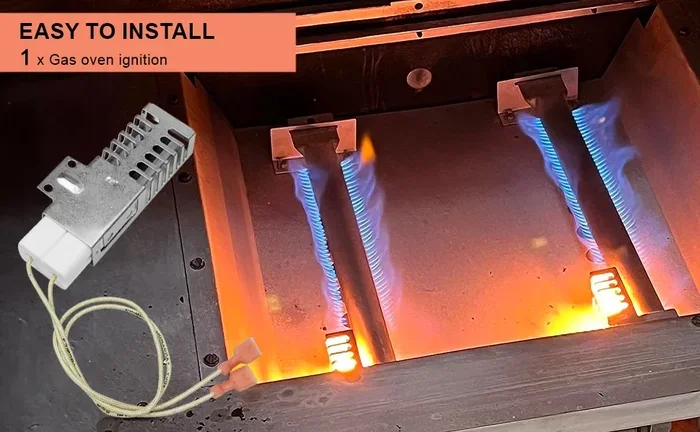
Most modern gas ovens use an electric igniter. This is a small glowing element that heats up and creates a spark to light the gas. You will see it glow orange or red when your oven is trying to start. Some older models still use a standing pilot light, which is a small flame that stays lit at all times.
The pilot light is usually located at the bottom of the oven. If you have an older model, you might see a small blue flame even when the oven is off. Electric igniters are safer because they only activate when you turn the oven on.
The Oven Control Panel
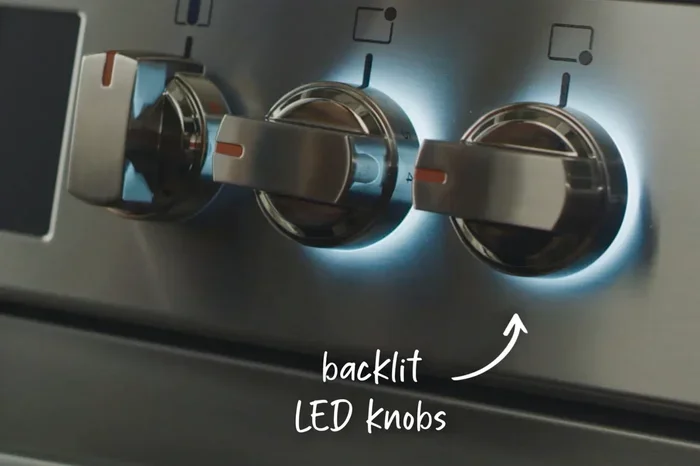
The oven control panel is where you set the temperature and choose the cooking mode. It may include knobs, buttons, or a digital display. The oven knob is the most important part when it comes to starting your gas oven. It controls both the gas flow and the ignition system.
Some ovens have a separate knob for the oven and the stovetop burners. Others use a single dial. Either way, you need to turn it to the correct position to start the gas oven ignition process. The symbols on the panel can help guide you.
Step-by-Step Guide to Starting Your Gas Oven
Now that you know the basic parts, let us walk through the actual process. Follow these steps carefully, especially if you are using a gas oven for the first time.
Step 1: Check for Gas Supply
Before you do anything, make sure your gas supply is turned on. Look for the gas line that connects to your oven. There should be a shut-off valve nearby. The valve handle should be parallel to the pipe when the gas is on.
If you smell gas at any point, do not attempt to light the oven. Open the windows, leave the room, and contact your gas company immediately. A gas smell is a serious warning sign that should never be ignored.
Step 2: Open the Oven Door
Open the oven door fully before starting. This gives you a clear view of the burner and igniter. It also allows proper airflow, which is essential for ignition. Most ovens will not start if the door is closed, as a safety feature.
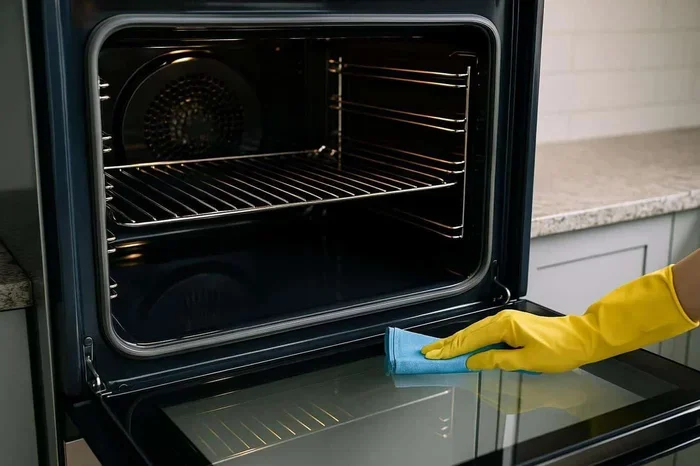
Look inside and check for any debris or food spills around the burner. Clean the area if needed. A dirty burner can block gas flow and prevent proper ignition. This is one of the most common reasons a gas oven fails to start.
Step 3: Set the Oven Knob to the Ignition Position
Turn the oven knob to the start or ignition position. On most ovens, this is marked with a flame symbol or the word “ignite.” You may need to push the knob in while turning it. Some models require you to hold the knob in for a few seconds after turning it.
You should hear a clicking sound. This means the igniter is working. If you have a pilot light model, you will see a small flame appear. Wait for the igniter to glow bright orange before moving to the next step.
Step 4: Wait for the Gas to Light
Once the igniter glows, gas will flow to the burner. The igniter should light the gas within a few seconds. You will hear a soft whoosh sound as the gas ignites. The burner will produce a steady blue flame.
If the gas does not light within 30 seconds, turn the knob off. Wait a minute for the gas to clear, and then try again. Repeated attempts without ignition can build up gas inside the oven, which is dangerous. Patience is key here.
Step 5: Set Your Desired Temperature
Once the burner is lit, turn the knob to your desired temperature. The oven will begin to heat up. You may see the burner cycle on and off to maintain the set temperature. This is completely normal and part of how a gas oven temperature control works.
Most ovens take 10 to 15 minutes to preheat fully. Use an oven thermometer if you want to check the actual temperature. Many ovens run slightly hot or cold, so an oven thermometer helps you cook more accurately.
Step 6: Monitor the First Use
If this is your first time starting the gas oven, stay nearby for the first few minutes. Watch for any unusual smells, sounds, or behavior. A slight gas smell when the oven first lights is normal and should fade quickly.
However, if the smell persists or gets stronger, turn off the oven immediately. Open windows and do not use the oven again until a professional has checked it. Trust your instincts when it comes to gas appliances.
Common Problems When Starting a Gas Oven
Even the best gas ovens can have issues from time to time. Knowing what to look for saves you time, money, and frustration. Here are the most common problems people face when starting a gas oven.
Oven Igniter Not Glow
If the igniter does not glow when you turn the knob, the igniter may be faulty. Over time, igniters wear out and lose their ability to produce a spark. A worn igniter is one of the most common reasons a gas oven will not start.
You can test this by turning the oven on and watching the igniter. If it stays dark or only glows faintly, it needs replacement. Igniters are relatively inexpensive and easy to swap out. However, if you are not comfortable working with gas components, call a technician.
Gas Oven Not Lighting
A gas oven that will not light can be caused by several things. A clogged burner is a common culprit. Food debris, grease, and grime can block the gas ports on the burner. This prevents gas from flowing properly and stops ignition.
Clean the burner with a soft brush and warm soapy water. Make sure all the ports are clear. Also check the igniter for any damage. If the igniter glows but the oven still does not light, the gas valve may be the problem.
Gas Smell Without Ignition
If you smell gas but the oven does not light, turn everything off immediately. Do not try to light the oven again. Ventilate the area and contact a professional. A gas smell without ignition could indicate a leaking gas valve or a blocked igniter.
This is a serious safety issue. Never ignore a persistent gas smell. Even a small gas leak can become dangerous over time. Always prioritize safety over convenience when dealing with gas appliances.
Uneven Heating After Ignition
Sometimes the oven starts fine but heats unevenly. This can happen if the burner is partially blocked or if the oven temperature sensor is malfunctioning. Uneven heating leads to unevenly cooked food, which is frustrating.
Try cleaning the burner and checking for any obstructions. If the problem continues, the temperature sensor or heating element may need replacement. A professional technician can diagnose and fix this issue quickly.
Safety Tips for Using a Gas Oven
Gas ovens are safe when used correctly. But they do come with risks that every user should understand. Following these safety tips protects you, your family, and your home.
Ventilation Is Essential
Always use your kitchen exhaust fan or open a window when using the gas oven. Gas ovens produce combustion byproducts, including carbon monoxide. Proper ventilation ensures these gases are safely expelled from your home.
Never use a gas oven for heating your home. This is a common mistake that can lead to carbon monoxide buildup. The oven is designed for cooking, not space heating. Use a proper heater for warmth.
Install a Gas Detector
A gas leak detector is one of the best investments you can make for your kitchen. These devices alert you to gas leaks before they become dangerous. Place the detector near your oven and test it regularly.
Many modern detectors also include carbon monoxide sensors. This gives you double protection. If the alarm goes off, leave the area immediately and call for help.
Keep the Area Clean
A clean oven is a safe oven. Grease buildup around the burner and igniter can cause flare-ups or block ignition. Clean up spills promptly and deep-clean the oven regularly.
Remove the oven racks when cleaning the burner area. Use a mild cleaner and a soft brush. Avoid harsh chemicals that can damage the oven components. A clean gas oven also performs better and lasts longer.
Never Leave the Oven Unattended
Especially during the first few uses or when troubleshooting, stay near the oven. Watching the ignition process helps you catch any problems early. Once you are confident the oven is working properly, you can step away.
Always turn off the gas oven when you are done cooking. Leaving the oven on, even at a low temperature, wastes energy and creates unnecessary risk. Make it a habit to check the oven is off before leaving the kitchen.
Maintaining Your Gas Oven for Reliable Ignition
Regular maintenance keeps your gas oven in top shape. A well-maintained gas oven ignites quickly, heats evenly, and lasts for many years. Here is how to keep yours running smoothly.
Clean the Burner and Igniter Regularly
Food spills and grease can accumulate around the burner and igniter. This buildup blocks gas flow and can interfere with ignition. Clean these areas at least once a month.
Remove the burner cap and soak it in warm soapy water. Use a toothbrush to gently scrub away residue. Dry everything completely before reassembling. A clean igniter glows brighter and lights the gas more reliably.
Check the Gas Valve Periodically
Inspect the gas valve and supply line for any signs of wear or damage. Look for cracks, corrosion, or loose connections. Even a small leak can be dangerous.
If you notice any issues, turn off the gas supply and contact a professional. Do not attempt to repair gas valve problems yourself. Gas work requires specialized knowledge and tools.
Test the Oven Temperature
Use an oven thermometer to check if your gas oven temperature matches the setting. Many ovens run 10 to 25 degrees off from the set temperature. Knowing this helps you adjust your cooking times and temperatures accordingly.
If the temperature is way off, the temperature sensor may need calibration or replacement. This is a simple fix that improves baking and roasting results significantly.
Schedule Professional Maintenance
Even with regular cleaning, your gas oven benefits from professional check-ups. A technician can inspect the gas valve, igniter, and safety components. They can catch small issues before they become big problems.
Schedule a professional inspection at least once a year. This is especially important for older gas ovens. A professional gas oven inspection gives you peace of mind and keeps your appliance running safely.
Gas Oven vs Electric Oven: Key Differences
When choosing between a gas oven and an electric oven, there are several factors to consider. Both have their strengths and weaknesses. Understanding these differences helps you make the best choice for your kitchen.
Heating Speed
Gas ovens heat up faster than electric ovens. The burner produces instant heat, which means shorter preheat times. This is a big advantage for busy cooks who need quick results.
Electric ovens take longer to reach the desired temperature. They rely on heating elements that need time to warm up. However, electric ovens tend to maintain a more consistent temperature once heated.
Cooking Performance
Many bakers prefer gas ovens because of the moisture they produce. Gas combustion creates steam inside the oven, which keeps baked goods moist. Electric ovens tend to produce drier heat, which can be better for certain roasting tasks.
Gas ovens also offer more precise temperature control. You can adjust the heat quickly by turning the knob. Electric ovens may take longer to respond to temperature changes.
Cost and Energy Efficiency
Gas ovens generally cost less to operate than electric ovens, especially in areas with low natural gas prices. However, installation costs can be higher if your kitchen does not already have a gas line.
Electric ovens are simpler to install and require no gas connection. They also have fewer safety concerns. The choice between gas and electric depends on your budget, cooking style, and kitchen setup.
When to Call a Professional for Gas Oven Issues
Most gas oven problems are simple to fix. But some issues require professional expertise. Knowing when to call a technician keeps you safe and prevents costly mistakes.
Call a professional if you notice any of the following signs. A persistent gas smell that does not go away is a major red flag. If your gas oven ignition system fails repeatedly despite cleaning and troubleshooting, a technician should inspect it. Any visible damage to the gas line or valve also requires immediate professional attention.
Do not attempt to repair gas valves or gas lines yourself. These components operate under high pressure and require specialized training. A licensed technician has the tools and knowledge to fix the problem safely. When in doubt, always err on the side of caution.
Final Thoughts on Starting Your Gas Oven
Starting a gas oven does not have to be intimidating. Once you understand the basic steps and safety rules, the process becomes second nature. Remember to check your gas supply, open the oven door, set the knob to ignition, and wait for the burner to light.
Regular maintenance and safe handling go a long way in keeping your gas oven in great shape. Clean the burner, inspect the igniter, and schedule professional check-ups. These simple habits extend the life of your appliance and ensure reliable performance every time.
Whether you are baking a cake, roasting a chicken, or just reheating leftovers, your gas oven is a trusty kitchen companion. Treat it well, use it safely, and it will serve you for many years to come. Now that you know how to start gas oven properly, you are ready to cook with confidence.
Frequently Asked Questions
How long does it take for a gas oven to ignite?
Most gas ovens ignite within 30 to 60 seconds after you turn the knob to the ignition position. You should hear a clicking sound and see the igniter glow. If it takes longer than 60 seconds, the igniter may be weak or the burner may be clogged.
Why does my gas oven click but not light?
A clicking sound means the igniter is working, but the gas may not be flowing properly. Check if the burner is clogged with food debris or grease. Also verify that the gas valve is fully open. If the igniter glows but still does not light, the igniter may be too weak to ignite the gas and needs replacement.
Is it normal to smell gas when starting a gas oven?
A brief gas smell when the oven first ignites is normal. The gas burns off quickly once the igniter lights the burner. However, if the smell persists or gets stronger, turn off the oven immediately, ventilate the area, and contact a professional. Persistent gas smells can indicate a leak.
Can I light a gas oven with a match or lighter?
Some older gas ovens with standing pilot lights can be lit with a match. However, modern gas ovens with electric igniters should never be lit manually. Doing so can damage the ignition system and create a safety hazard. Always follow the manufacturer’s instructions for your specific model.
How often should I clean my gas oven burner?
You should clean the burner and igniter area at least once a month. If you cook frequently or notice food spills around the burner, clean it more often. A clean burner ensures proper gas flow and reliable ignition every time you use the oven.
What should I do if my gas oven will not start at all?
First, check that the gas supply is turned on and the oven knob is set to the ignition position. If the igniter glows but the oven does not light, the burner may be clogged. Clean it thoroughly. If the igniter does not glow at all, it may need replacement. If none of these steps work, contact a qualified technician to inspect the gas valve and ignition system.
=== CONCLUSION ===
Starting a gas oven is a simple process once you know the steps and safety precautions. From checking the gas supply to setting the temperature, every part of the process matters. A well-maintained gas oven provides reliable, even heat that makes cooking a joy.
Remember to clean your burner regularly, inspect the igniter, and never ignore warning signs like persistent gas smells. With proper care and attention, your gas oven will serve you faithfully for many years. Now go ahead and put your knowledge to use. Your next great meal is just a preheat away.