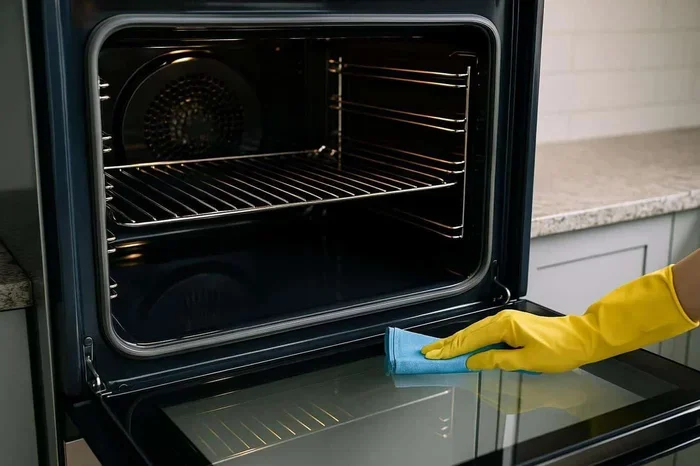
How To Get Your Oven Sparkling Clean The Easy Way
Discover the simplest and most effective ways to get your oven sparkling clean without harsh chemicals. This guide covers everything from deep cleaning hacks to natural solutions using baking soda and vinegar. You will learn how to remove baked-on grease, clean oven racks, and keep your oven fresh with minimal effort.
There is something deeply satisfying about opening your oven and seeing a spotless interior. A clean oven not only looks great but also performs better and lasts longer. Yet, most of us dread the thought of tackling the baked-on grease and stubborn food spills that build up over time.
If you have been searching for an easier way to handle this chore, you are in the right place. This guide will walk you through how to get your oven sparkling clean using simple, affordable methods that really work. No expensive products. No toxic fumes. Just proven techniques that make your oven look brand new again.
Whether you have a self-cleaning oven or a traditional model, these oven cleaning tips will save you time, money, and elbow grease. Let us dive in and make this dreaded chore something you can handle in under an hour.
Key Takeaways
- Baking soda and vinegar are the most effective natural oven cleaning agents that cut through grease safely.
- Regular oven maintenance prevents buildup and makes cleaning faster and easier every time.
- Removing oven racks and soaking them separately ensures a thorough and deep clean of every part.
- Natural oven cleaners are safer for your family, pets, and the environment compared to chemical sprays.
- Cleaning your oven every 3-4 months keeps it running efficiently and extends its lifespan.
- Steaming and soaking methods loosen baked-on grease without harsh scrubbing or scraping.
📑 Table of Contents
Why Keeping Your Oven Clean Matters
A dirty oven does more than just look bad. It can affect how your food tastes, how your oven heats, and even the air quality in your kitchen. When grease and food residue build up, they create smoke and odors every time you cook. This means your meals can end up carrying unwanted flavors.
Regular deep clean oven sessions also help your appliance run more efficiently. A layer of grime inside your oven acts as an insulator. This forces your oven to work harder and use more energy to reach the right temperature. Over time, this adds up to higher electricity bills and a shorter appliance lifespan.
Beyond performance, a greasy oven can become a fire hazard. Built-up grease inside the oven cavity can ignite at high temperatures. This is a real safety concern that many homeowners overlook. Keeping your oven clean is one of the easiest ways to protect your home and family.
The Hidden Costs of a Dirty Oven
Most people do not think about the financial impact of a dirty oven. Here is what neglect can cost you over time:
- Higher energy bills because your oven works harder to maintain heat.
- Uneven cooking results due to blocked heat distribution.
- Unpleasant odors that transfer to your food during baking.
- Costly repairs from grease damage to heating elements and seals.
- Shorter appliance lifespan requiring premature replacement.
When you add up these costs, investing a little time in regular oven maintenance makes a lot of sense. A quick cleaning session every few months can prevent all of these problems.
Best Natural Methods for Oven Cleaning
You do not need expensive commercial sprays to get a clean oven naturally. Some of the most effective oven cleaning solutions are already sitting in your kitchen pantry. Baking soda, white vinegar, and lemon are all powerful allies in the fight against grease and grime.
These natural ingredients are safe, affordable, and environmentally friendly. They work just as well as chemical cleaners for most oven grease removal jobs. Let us look at the best natural methods you can try today.
Method 1: The Baking Soda Paste
This is the most popular and effective natural oven cleaner method. Baking soda is a gentle abrasive that dissolves grease without scratching your oven surfaces. Here is how to do it:
- Mix three parts baking soda with one part water to form a thick paste.
- Remove the oven racks and set them aside.
- Spread the paste evenly across the interior walls and floor of the oven.
- Avoid the heating elements. Let the paste sit overnight.
- The next day, wipe away the paste with a damp cloth.
- Spray a mix of vinegar and water to react with any remaining paste.
- Wipe clean until all residue is gone.
This method works wonders on baked-on grease and food stains. The overnight soak softens even the toughest grime so it wipes away easily.
Method 2: The Steam and Soak Technique
Steaming is a fantastic way to loosen baked-on grease without any scrubbing. The moisture softens the grime and makes it easy to wipe away. Here is how you do it:
- Place a oven-safe dish filled with water on the bottom rack.
- Add a few tablespoons of white vinegar to the water.
- Heat the oven to 200 degrees Fahrenheit for about 15 minutes.
- Turn off the oven and let it cool slightly.
- Remove the dish and wipe down the interior with a damp cloth.
The steam penetrates the hardened grease and breaks it down. This method is perfect for light to moderate grime. For heavily soiled ovens, you may need to repeat the process once or twice.
Method 3: Lemon and Water Clean
Lemon is a natural degreaser and deodorizer. It leaves your oven smelling fresh while cutting through grease. This method is especially great for removing oven odor along with the grime:
- Squeeze two lemons into a bowl of water.
- Place the bowl on the middle oven rack.
- Heat the oven to 250 degrees Fahrenheit for 30 minutes.
- Turn off the heat and leave the door closed for another 15 minutes.
- Wipe down the interior with a clean, damp cloth.
The citric acid in lemon breaks down grease naturally. Plus, your oven will smell incredible afterward. This is one of the easiest oven cleaning hacks you will ever try.
How To Clean Oven Racks and the Door
Oven racks and the door are often the dirtiest parts of the entire appliance. They collect the most grease and food residue because they are in direct contact with your cooking trays. Cleaning them separately is essential for a truly sparkling clean oven.
Many people make the mistake of trying to clean racks while they are still inside the oven. This is much harder and less effective. Removing them first allows you to soak and scrub them properly.
Cleaning Oven Racks the Right Way
Here is a simple process that works every time for clean oven racks:
- Remove the racks from the oven carefully.
- Place them in a large bathtub or deep sink.
- Cover them with hot water and add a cup of dishwasher detergent.
- Let them soak for at least two hours or overnight for heavy grease.
- Scrub with a non-abrasive sponge or brush.
- Rinse thoroughly and dry completely before placing them back.
For baked-on grease on racks, you can also use a paste of baking soda and hydrogen peroxide. Apply it to the worst spots, let it sit for 30 minutes, then scrub gently. The racks will look like new after this treatment.
Tackling the Oven Door
The oven door is another area that needs special attention. The glass panel traps grease and food splatter, making it look cloudy and dirty. Here is how to restore it to clear and shiny:
- Make a paste of baking soda and water.
- Apply it to the glass door, avoiding the edges and seals.
- Let it sit for 20 to 30 minutes.
- Wipe with a damp microfiber cloth in circular motions.
- For stubborn spots, spray a mix of vinegar and water and wipe again.
The oven door cleaning process is quick and easy. Regular maintenance here prevents buildup and keeps your oven looking great from the outside too.
How To Clean a Self-Cleaning Oven
If you have a self-cleaning oven, you already have a built-in advantage. The self-cleaning cycle uses high heat to burn off food residue and grease. However, even self-cleaning ovens benefit from a little manual help between cycles.
Many people think that a self-cleaning oven means zero effort. That is not entirely true. The self-cleaning cycle works best when there is not a thick layer of buildup. Regular light cleaning makes the self-cleaning cycle much more effective.
Using the Self-Cleaning Cycle Properly
Here are some tips to get the best results from your self-cleaning oven:
- Remove all oven racks before starting the cycle.
- Wipe out any large food particles first.
- Run the cycle in a well-ventilated room because it produces smoke.
- Let the oven cool completely before opening the door.
- Wipe the interior with a damp cloth once it has cooled.
The self-cleaning cycle can reach temperatures above 900 degrees Fahrenheit. This incinerates most food residue and turns it into ash. The ash can then be easily wiped away with a damp cloth. However, avoid running the cycle too frequently, as it puts stress on the oven components.
When to Skip the Self-Clean Feature
There are times when you should avoid using the self-cleaning cycle. If your oven has a lot of plastic or large food debris inside, the self-clean can create smoke or even damage the interior. Always do a quick manual removal of large debris before starting the cycle.
Also, if you have a greasy oven with thick layers of buildup, the self-clean cycle may not remove everything. In these cases, a manual cleaning method like the baking soda paste works better as a first step. Then you can use the self-clean cycle for final touch-ups.
Preventing Buildup: Tips for a Cleaner Oven
The best way to make how to get your oven sparkling clean easier is to prevent heavy buildup in the first place. A few simple habits can keep your oven much cleaner between deep cleaning sessions. Prevention is always easier than cure.
With a little planning, you can reduce the frequency of deep cleans from every few months to just once or twice a year. Here are the best strategies for keeping your oven in top shape.
Use Oven Liners and Covers
Oven liners are a game-changer for oven maintenance. These heat-resistant mats sit on the bottom rack and catch drips and spills before they reach the oven floor. When the liner gets dirty, you simply remove it and wash it.
Oven liners are especially useful for people who bake frequently or cook foods that tend to drip, like pizzas and roasted meats. They are inexpensive and reusable, making them a smart investment for any kitchen.
Clean Spills Immediately
The best habit you can build is wiping up spills as soon as the oven cools down. When food residue sits in the oven for days or weeks, it hardens and becomes much harder to remove. A quick wipe after each use keeps the interior fresh and clean.
Keep a damp cloth near your oven for this purpose. Even a 30-second wipe after cooking can make a huge difference over time. This simple habit is one of the most underrated oven cleaning tips out there.
Cover Your Dishes When Baking
Using foil or oven-safe lids on your baking dishes prevents food from splattering onto the oven walls. This is especially helpful when roasting meats or baking dishes with sauces. Less splatter means less cleaning later.
Just make sure the foil does not touch the heating elements, as this can cause damage or even start a fire. A small precaution like this goes a long way toward keeping your oven clean.
Common Mistakes to Avoid When Cleaning Your Oven
Even with the best intentions, many people make mistakes that can damage their oven or reduce cleaning effectiveness. Knowing what not to do is just as important as knowing the right methods. Here are the most common errors to watch out for.
Using Abrasive Scrubbers
Steel wool and harsh scrub pads can scratch the interior surfaces of your oven. Once the protective coating is damaged, grease and food stick even more easily. Always use soft sponges or microfiber cloths when cleaning your oven.
If you need to tackle tough spots, let the cleaning solution do the work. A baking soda paste left overnight will soften even the most stubborn grime without any harsh scrubbing.
Using Too Much Water
While moisture is helpful for cleaning, excessive water can damage the oven’s electrical components and heating elements. Always use damp cloths rather than soaking the interior. Wring out your cloth well before wiping down surfaces.
This is especially important around the control panel and any gaps or seams in the oven structure. Keeping water out of places it does not belong protects your appliance from damage.
Skipping the Racks
Many people focus only on the oven interior and forget about the racks. Dirty racks can transfer grease and grime back onto your food. Always clean your racks separately as part of your oven cleaning routine.
Soaking racks in the bathtub with detergent is one of the most effective methods. Do not try to scrub them while they are still in the oven, as this limits your reach and effectiveness.
Expert Tips for a Spotless Oven Every Time
Professional cleaners and appliance experts share some insider tips that make oven cleaning faster and more effective. These oven cleaning hacks come from years of experience and can save you a lot of time and effort.
First, always start with a cool oven. Cleaning a warm oven can cause cleaning solutions to evaporate too quickly, reducing their effectiveness. Wait until the oven has completely cooled down before you begin any cleaning session.
Second, invest in a good microfiber cloth. These cloths trap dirt and grease better than regular rags or paper towels. They also leave no lint or residue behind, which is important when cleaning the interior of an oven where you will be cooking food.
Third, do not forget the oven light and the area around it. Grease and grime can build up on the glass cover of the oven light, making it hard to see inside. A quick wipe with a damp cloth keeps this area clear and functional.
Finally, keep a cleaning schedule. Setting a reminder every three to four months helps you stay consistent. Regular maintenance is always easier than a one-time deep clean after months of buildup. How to get your oven sparkling clean becomes much simpler when you stay on top of it.
Conclusion
Getting your oven sparkling clean does not have to be a difficult or dreaded chore. With the right methods and a little regular maintenance, you can keep your oven looking and performing like new. Whether you choose the baking soda paste, the steam method, or the lemon and water approach, each of these natural techniques delivers excellent results.
Remember to clean your oven racks and door separately for the most thorough results. Avoid common mistakes like using abrasive scrubbers or skipping regular maintenance. And most importantly, make prevention part of your routine by using oven liners and wiping up spills promptly.
Now that you know how to get your oven sparkling clean the easy way, there is no reason to put it off any longer. Pick one method, try it today, and enjoy the satisfaction of a gleaming, fresh-smelling oven. Your kitchen and your next meal will thank you.
Frequently Asked Questions
What is the best natural oven cleaner?
Baking soda mixed with water is the best natural oven cleaner. It is safe, affordable, and cuts through grease effectively. You can enhance it with vinegar or lemon for extra cleaning power and a fresh scent.
How often should I deep clean my oven?
Most experts recommend deep cleaning your oven every three to four months. However, if you use your oven daily, you may want to clean it more frequently. Regular light cleaning between deep sessions makes the process much easier.
Can I use commercial oven cleaners instead of natural methods?
Yes, commercial oven cleaners work well for heavy buildup. However, they contain harsh chemicals that can release fumes and leave residues. Natural methods like baking soda and vinegar are safer for your family and just as effective for most cleaning needs.
How do I remove baked-on grease from my oven?
The best way to remove baked-on grease is to apply a thick baking soda paste and let it sit overnight. The paste softens the hardened grease so it wipes away easily. You can also use the steam method to loosen tough spots before wiping.
Is it safe to use the self-cleaning oven feature regularly?
The self-cleaning feature is safe but should not be used too frequently. The extreme heat can stress oven components over time. Use it once or twice a year and supplement with manual cleaning for best results.
How do I get rid of oven odors?
Boiling water with lemon slices or vinegar inside the oven neutralizes odors naturally. The steam carries the fresh scent throughout the interior. This method also helps loosen light grease buildup while freshening the oven.