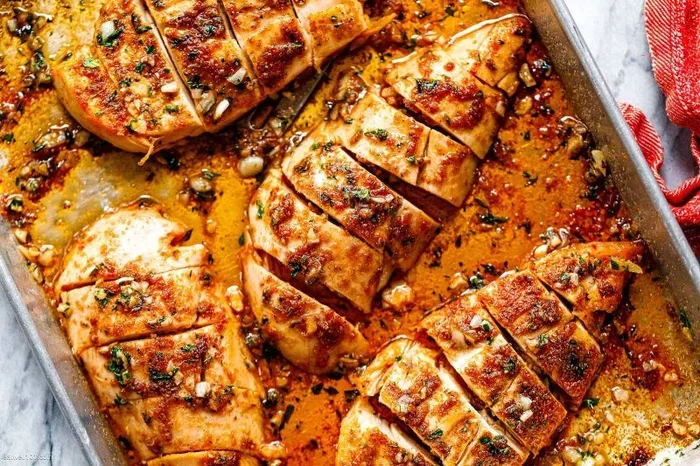
How To Cook Breast Fillets In Oven Perfectly Every Time
Cooking breast fillets in oven is one of the easiest and most reliable ways to prepare a healthy, flavorful meal at home. This guide walks you through every step, from choosing the right fillets to nailing the perfect internal temperature. You will learn oven-baked chicken techniques that keep your meat moist and tender every time. Whether you prefer plain seasoned breast fillets in oven or a more indulgent breaded version, we have you covered. By the end of this article, you will feel confident enough to make restaurant-quality chicken in your own kitchen.
Key Takeaways
- Choose the Right Thickness: Uniform fillets cook evenly and stay juicy throughout.
- Preheat Your Oven: Always start with a properly heated oven for consistent results.
- Use a Meat Thermometer: The internal temperature of 165°F (74°C) is the safest and most reliable indicator of doneness.
- Let It Rest: Resting chicken breast fillets after baking locks in moisture and improves texture.
- Season Generously: Simple seasoning combinations can transform basic chicken into a flavorful dish.
- Avoid Overcooking: Timing matters — even a few extra minutes can dry out your fillets.
- Try Different Methods: From plain baked to breaded and stuffed, there are many ways to prepare breast fillets in oven.
📑 Table of Contents
- How To Cook Breast Fillets In Oven Like a Pro
- Choosing the Best Breast Fillets for Oven Cooking
- Essential Prep Work Before You Bake
- Perfect Oven Temperature and Timing Guide
- Step-by-Step Method for Juicy Chicken Breast Fillets
- Delicious Variations of Chicken Breast Fillets in Oven
- Common Mistakes That Ruin Oven-Baked Chicken Breast
- Expert Tips for Consistently Perfect Results
- Serving Suggestions and Pairings
- Conclusion
How To Cook Breast Fillets In Oven Like a Pro
There is something truly satisfying about pulling a tray of perfectly cooked chicken out of the oven. The aroma fills the kitchen. The juices run clear. And you know you have made something delicious without any fuss. Cooking breast fillets in oven is a skill that everyone should have in their kitchen arsenal.
Chicken breast fillets are lean, versatile, and incredibly popular for a reason. They cook fast. They pair well with almost any side dish. And they are packed with protein. But let us be honest — cooking chicken breast can also feel intimidating. One wrong move and you end up with dry, tough meat that nobody wants to eat.
The good news? Oven-baked chicken breast fillets are forgiving once you understand the basics. Temperature control, timing, and a little bit of seasoning go a long way. This guide breaks everything down into simple, actionable steps. You will never have to worry about dry chicken again.
Why Oven-Baked Chicken Breast Fillets Work So Well
Using an oven to cook chicken breast has several advantages over stovetop cooking. The heat surrounds the meat evenly. There is no need to flip or monitor constantly. The oven does most of the work for you. This hands-off approach makes it perfect for busy weeknights or meal prep Sundays.
Another big benefit is consistency. When you set the right cooking temperature and baking time, the results are predictable every single time. You do not need to stand over a hot pan worrying about scorching. The oven provides a controlled environment that helps you achieve juicy chicken breast with a golden exterior.
Oven-baked chicken breast fillets also allow for more flavor options. You can marinate the meat overnight, coat it with breadcrumbs, or simply season it with herbs and olive oil. The versatility is unmatched. Whether you are feeding a family of four or prepping meals for the entire week, this method scales beautifully.
Choosing the Best Breast Fillets for Oven Cooking
Not all chicken breasts are created equal. The quality and cut of your fillets directly impact the final result. Taking a few extra minutes at the grocery store can save you from a disappointing dinner later.
Fresh vs. Frozen Chicken Breast Fillets
Fresh chicken breast fillets are always the preferred choice when possible. They have better texture and retain more moisture during cooking. That said, frozen chicken breast fillets work just fine if you thaw them properly before cooking.
If you are using frozen fillets, thaw them in the refrigerator overnight. Never thaw chicken at room temperature. This increases the risk of bacterial growth and leads to uneven cooking. A slow, steady thaw keeps the meat safe and preserves its natural juices.
Boneless vs. Bone-In Breast Fillets
For oven cooking, boneless breast fillets are the most popular option. They cook faster and are easier to slice and serve. Bone-in fillets take longer to bake but tend to retain more flavor and moisture during the cooking process.
If you are new to baking chicken breast, start with boneless fillets. They are more forgiving and harder to overcook. Once you feel confident, you can experiment with bone-in versions for a richer flavor profile.
Thickness Matters for Even Cooking
This is a tip that many home cooks overlook. Uneven fillets lead to uneven cooking. A thick end can be raw while the thin end is already overdone.
Look for fillets that are roughly the same thickness throughout. If you cannot find uniform pieces, use a meat mallet to pound the thicker parts down. This simple step ensures that every bite of your oven-baked chicken breast is cooked evenly and stays tender.
Essential Prep Work Before You Bake
Proper preparation is the secret behind perfectly cooked breast fillets in oven. Skipping this step is the number one reason home cooks end up with dry chicken. Take the time to prep your fillets right, and the oven will do the rest.
Brining and Marinating for Moisture
Brining is a game-changer for lean chicken breast. A simple saltwater soak helps the meat absorb and retain moisture during baking. You do not need a fancy brine recipe. Just dissolve a tablespoon of salt in a cup of water and submerge your fillets for 30 minutes to an hour.
Marinating works similarly but adds extra flavor. A basic chicken breast marinade can include olive oil, lemon juice, garlic, and your favorite herbs. Let the fillets marinate for at least 30 minutes, but overnight is even better. The longer the marination, the deeper the flavor penetration.
Bringing Fillets to Room Temperature
Take your chicken breast fillets out of the refrigerator about 20 to 30 minutes before baking. This might seem like a small detail, but it makes a huge difference. Cold fillets placed directly into a hot oven cook unevenly. The outside overcooks while the center remains underdone.
Room-temperature fillets bake more evenly from edge to center. This simple step helps you achieve the perfect internal temperature without drying out the edges. It is one of those small habits that separates good home cooks from great ones.
Seasoning Tips for Maximum Flavor
Seasoning is where you can really get creative with your baked chicken breast recipe. The basic formula works every time. Start with olive oil or melted butter to help the seasoning stick. Then add salt, pepper, and any combination of the following:
- Garlic powder and onion powder
- Paprika for a smoky, sweet flavor
- Dried oregano and basil for an Italian twist
- Cumin and chili powder for a southwestern kick
- Fresh herbs like rosemary, thyme, or parsley
- A squeeze of lemon juice for brightness
Do not be shy with your seasoning. Chicken breast fillets are mild in flavor and need a little help to shine. A generous coating of chicken breast seasoning transforms a plain piece of protein into something truly delicious.
Perfect Oven Temperature and Timing Guide
This is where most people go wrong. The right temperature and timing make or break your chicken breast fillets in oven. Too hot and the outside burns before the inside cooks. Too low and the meat dries out over a long bake. Here is exactly what you need to know.
Recommended Oven Temperature for Chicken Breast
The sweet spot for oven-baked chicken breast is between 400°F and 425°F (200°C to 220°C). This high temperature does two important things. First, it cooks the chicken quickly, which minimizes moisture loss. Second, it creates a beautiful golden-brown exterior that looks and tastes amazing.
Some recipes call for lower temperatures around 350°F, but these tend to produce less flavorful results. The higher heat at 400°F to 425°F gives you a better sear and a more appetizing finish. For breaded chicken breast in particular, this temperature range is essential for getting that crispy coating without overcooking the meat inside.
How Long to Bake Chicken Breast Fillets
Baking time depends on the thickness of your fillets and whether they are boneless or bone-in. Here is a general guide:
- Thin fillets (half-inch thick): 15 to 18 minutes
- Standard fillets (three-quarter inch thick): 20 to 25 minutes
- Thick fillets (one inch thick): 25 to 30 minutes
- Bone-in fillets: 30 to 40 minutes
These times are approximate. The only way to know for sure is to use a meat thermometer. Insert it into the thickest part of the fillet. When the internal temperature reaches 165°F (74°C), your chicken is done and safe to eat.
Common Timing Mistakes to Avoid
The biggest mistake home cooks make is relying solely on the clock. Ovens vary wildly in temperature accuracy. Some run hot, others run cold. Your watch is only a guide, not a rulebook.
Another common error is opening the oven door too frequently. Every time you open that door, heat escapes and your cooking time increases. Trust the process. Check the temperature only once or twice near the end of the estimated bake time. This small change can make a noticeable difference in your results.
Step-by-Step Method for Juicy Chicken Breast Fillets
Now that you understand the science behind great oven-baked chicken, let us put it all together. Here is a simple, foolproof method you can follow every single time.
Step 1: Preheat and Prepare
Preheat your oven to 425°F (220°C). While the oven is heating up, line a baking sheet with parchment paper or lightly grease it with olive oil. This prevents sticking and makes cleanup a breeze.
Step 2: Prep the Fillets
Pat your chicken breast fillets dry with paper towels. This removes surface moisture and helps the seasoning adhere better. Place the fillets in a single layer on your prepared baking sheet. Leave space between each piece so air circulates evenly.
Step 3: Season and Bake
Brush the fillets lightly with olive oil and apply your chosen chicken breast seasoning generously. Place the baking sheet in the oven and set a timer for 20 minutes. Avoid opening the door during the first 15 minutes.
Step 4: Check Temperature and Rest
At the 20-minute mark, insert your meat thermometer into the thickest part. If it reads 165°F, the chicken is done. If not, continue baking in 2 to 3 minute increments. Once done, remove the fillets and let them rest on the pan for 5 to 7 minutes before serving.
Resting is non-negotiable. During the bake, the juices inside the meat are under pressure. When you cut into the chicken immediately, those juices run out onto the plate instead of staying in the meat. Resting allows the protein fibers to relax and redistribute the moisture. The result is juicy, tender chicken breast that practically melts in your mouth.
Delicious Variations of Chicken Breast Fillets in Oven
Once you master the basic method, you can start experimenting with different flavors and styles. Here are some popular variations that take your oven-baked chicken breast to the next level.
Classic Herb-Roasted Chicken Breast
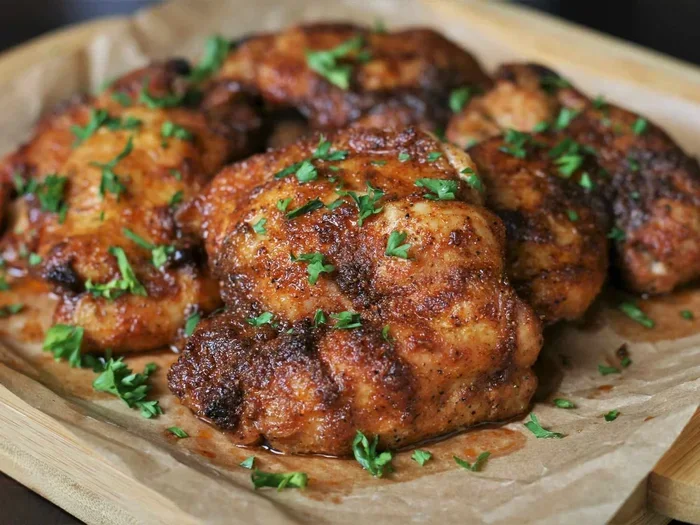
This is the simplest and most elegant way to prepare breast fillets in oven. Use olive oil, fresh rosemary, thyme, garlic, salt, and pepper. The herbs infuse the chicken with a subtle, aromatic flavor that pairs beautifully with roasted vegetables or a fresh salad.
Honey Garlic Baked Chicken
For a slightly sweet and savory twist, mix honey, minced garlic, soy sauce, and a dash of olive oil. Brush this glaze over your fillets during the last 10 minutes of baking. The honey caramelizes in the hot oven and creates a sticky, flavorful coating that everyone loves.
Crispy Breaded Chicken Breast
If you crave that golden, crunchy texture, breaded chicken breast fillets in oven are the answer. Dip each fillet in beaten egg, then coat with a mixture of breadcrumbs, Parmesan cheese, and your favorite spices. Place on a wire rack over a baking sheet and bake at 425°F for 22 to 25 minutes. The rack allows hot air to circulate underneath, giving you an evenly crispy crust without the need for deep frying.
Stuffed Chicken Breast Fillets
Take your baked chicken breast recipe up a notch by stuffing the fillets. Slice a pocket into the thickest part of each breast and fill it with spinach and mozzarella, sun-dried tomatoes and cream cheese, or pesto and mozzarella. Secure with toothpicks and bake as usual. The filling melts inside during cooking and creates a burst of flavor with every bite.
Common Mistakes That Ruin Oven-Baked Chicken Breast
Even experienced cooks sometimes make mistakes that lead to dry or undercooked chicken. Here are the most common pitfalls and how to avoid them.
Overcooking the Chicken
This is the number one enemy of great chicken breast fillets in oven. Chicken breast is naturally lean and has very little fat to protect it from drying out. Every minute beyond the ideal bake time pulls out more moisture.
Set your timer and check the temperature early. It is always better to pull the chicken out slightly early and let carryover cooking finish the job. Remember that the internal temperature will continue to rise by a few degrees after you remove the fillets from the oven.
Skipping the Rest Period
Cutting into hot chicken immediately after baking is a tempting mistake. But it costs you moisture and flavor. Always let your oven-baked chicken breast rest for at least 5 minutes. This is especially important for thicker fillets where the temperature gradient is greatest.
Using the Wrong Baking Dish
A crowded baking sheet or an oversized dish leads to uneven cooking. If your fillets are spread too far apart, the edges dry out before the centers are done. Use a dish or sheet that holds the fillets snugly without overlapping.
For breaded chicken, a wire rack set over a baking sheet is ideal. It lifts the fillets above the rendered fat and allows hot air to reach every surface. This produces a crispier coating than placing the chicken directly on a flat pan.
Expert Tips for Consistently Perfect Results
Here are some pro-level tips that will elevate your baking chicken breast game from good to absolutely outstanding.
- Pound to even thickness: This single step improves cooking uniformity dramatically.
- Use a wire rack: It promotes airflow and prevents the bottom from getting soggy.
- Don’t skip the brine: Even a 30-minute saltwater soak makes a noticeable difference in juiciness.
- Invest in a good meat thermometer: It removes all guesswork and ensures food safety every time.
- Experiment with temperatures: Try 400°F, 425°F, and even 450°F to see which produces your preferred texture and flavor.
- Meal prep with confidence: Baked chicken breast fillets reheat well and make excellent additions to salads, wraps, and grain bowls throughout the week.
Chicken breast prep does not have to be complicated. The secret is simply being consistent with your technique and paying attention to the details. Once you develop a feel for how your own oven behaves, you can adjust times and temperatures to match your preferences perfectly.
Serving Suggestions and Pairings
Juicy chicken breast pairs wonderfully with a wide range of sides. Here are some ideas to round out your meal:
- Roasted seasonal vegetables like asparagus, zucchini, and bell peppers
- Creamy mashed potatoes or garlic parmesan potatoes
- Fresh green salad with a light vinaigrette
- Quinoa or couscous for a healthy grain bowl
- Pasta with a light lemon butter sauce
- Rice pilaf or cilantro lime rice
The beauty of baked chicken breast is that it works with virtually any cuisine. Serve it with Mexican salsa and guacamole for a Tex-Mex night. Pair it with tzatziki and pita for a Mediterranean feel. Or keep it simple with steamed broccoli and rice for a clean, balanced dinner.
For meal prep, baked chicken breast fillets are a staple. Cook a large batch on Sunday, let them cool, and store them in airtight containers. They stay fresh in the refrigerator for up to four days and reheat beautifully in the microwave or oven. This makes healthy eating convenient and affordable throughout the week.
Conclusion
Cooking breast fillets in oven is one of the most useful skills you can develop in the kitchen. It is simple, reliable, and produces consistently delicious results. From selecting the right fillets to nailing the perfect internal temperature, every step matters.
Remember to brine or marinate for moisture, season generously for flavor, bake at the right temperature, and always let your chicken rest before serving. These four principles alone will transform your oven-baked chicken breast from ordinary to extraordinary.
Whether you prefer a classic herb-roasted version, a crispy breaded finish, or a flavorful stuffed fillet, the oven gives you complete control. You can experiment with different chicken breast seasoning combinations and baked chicken breast recipes until you find your personal favorite. The process is forgiving, the results are impressive, and the cleanup is minimal.
So the next time you are planning dinner, skip the takeout and reach for your chicken breast fillets. Preheat the oven, season generously, and enjoy the process of creating something truly delicious. Once you master this technique, you will never go back to dry, bland chicken again.
Frequently Asked Questions
What temperature should I bake chicken breast fillets at?
The recommended oven temperature for baking chicken breast fillets is 425°F (220°C). This high heat cooks the chicken quickly while creating a golden-brown exterior. You can also use 400°F if you prefer a slightly slower, more gentle bake that retains extra moisture.
How long does it take to cook chicken breast in the oven?
Baking time depends on the thickness of your fillets. Standard boneless fillets at 425°F take about 20 to 25 minutes. Thicker pieces may need up to 30 minutes. Always use a meat thermometer to check that the internal temperature reaches 165°F (74°C) for food safety.
How do I keep chicken breast moist in the oven?
The key to moist chicken breast is brining or marinating before baking. Also, avoid overcooking by pulling the fillets out as soon as they hit 165°F internally. Letting the chicken rest for 5 to 7 minutes after baking allows the juices to redistribute and keeps the meat tender.
Can I use frozen chicken breast fillets in the oven?
Yes, but you should thaw them first for the best results. Place frozen fillets in the refrigerator overnight to thaw safely. Cooking frozen chicken directly in the oven leads to uneven cooking and can result in dry edges with a raw center.
Do I need to cover chicken breast fillets when baking?
Generally, no. Leaving the fillets uncovered allows the exterior to brown and crisp up nicely. However, if you find your chicken is drying out, you can tent it loosely with aluminum foil for the first half of the bake and remove the foil for the second half to get that golden finish.
What is the best way to season chicken breast fillets for oven baking?
A simple blend of olive oil, salt, pepper, garlic powder, and paprika works beautifully for chicken breast fillets in oven. For more flavor, add dried herbs like oregano, thyme, or rosemary. A squeeze of fresh lemon juice before serving brightens up the entire dish and adds a refreshing contrast to the rich, savory chicken.